Monday, July 08, 2024

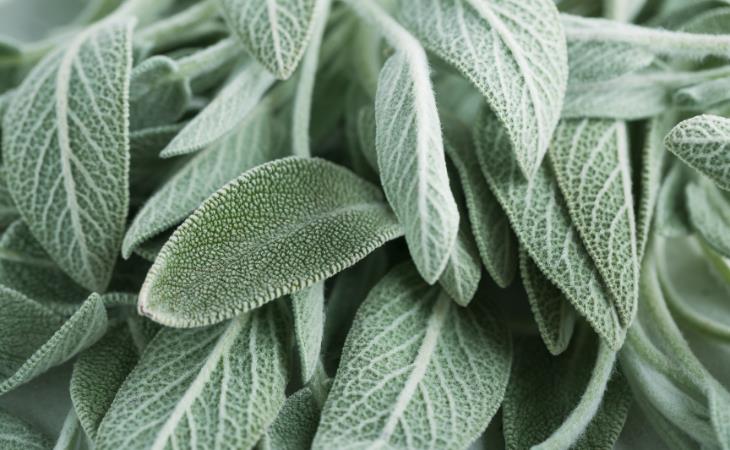
Sage: The Herb With Bountiful Health Benefits

 Sage, commonly known as garden sage and scientifically referred to as Salvia officinalis, is a popular herb with many culinary uses. It belongs to the mint family, which includes herbs such as oregano, rosemary, basil, and thyme. 

Sage has a strong aroma and a distinctive earthy flavor. Its potent scent and taste make it an excellent choice for seasoning and garnishing dishes that require a zesty kick. Despite being used in small amounts, sage contains various essential minerals and nutrients that offer several health benefits.


1. Packed with several nutrients

Sage: The Herb With Bountiful Health Benefits
Sage is packed with an abundance of vital nutrients, such as vitamins A, E, B1, B6, C, and K, along with a variety of minerals like calcium, magnesium, iron, copper, phosphorus, potassium, sodium, zinc, niacin, thiamine, and folate. Moreover, it boasts a plethora of antioxidants, flavonoids, and active compounds such as cineole, borneol, and thujone, that are essential for making sage oil—a potent remedy for various ailments, particularly neural issues. This aromatic herb also contains caffeic acid, chlorogenic acid, rosmarinic acid, ellagic acid, and rutin, all of which contribute to its numerous health benefits.


2. Great for your oral health
In 2015, researchers confirmed the effectiveness of sage-based mouthwash in eliminating Streptococcus mutans bacteria, which are notorious for their role in tooth cavities. Similarly, a 2021 study looked into the use of sage-based mouthwash in late-stage cancer patients and found a significant reduction in dental plaque among those who used sage. Interestingly, the group that used regular saline mouthwash also saw a decrease in plaque. Furthermore, a test-tube research found that sage extract successfully removed oral germs while inhibiting the growth of Candida albicans, a fungus associated with cavities. 
 
 
3. Improves memory and brain health
Sage has long been regarded as a time-tested remedy for improving brain function. Its high antioxidant content has been related to improved memory, attention, concentration, calmness, and alertness. Several studies have shown the beneficial effects of regular sage consumption on memory, thinking, problem-solving, and overall cognitive ability. It is therefore considered a powerful cognitive enhancer with significant benefits when treating diseases such as Alzheimer's disease and other psychoses.


4. Lowers " bad" LDL cholesterol
Elevated levels of "bad" LDL cholesterol raise the risk of heart disease, which affects more than 40% of people worldwide. High blood cholesterol increases the risk of heart disease, the leading cause of death, and stroke, the fifth leading cause of death. Sage has been shown to be effective in lowering "bad" LDL cholesterol levels, which build up in artery walls and could cause cardiovascular disease in the future. Research has also found that drinking sage tea twice a day reduced "bad" LDL cholesterol and total blood cholesterol levels while increasing "good" HDL cholesterol levels in just two weeks. Several other human studies confirmed similar findings, highlighting the potential benefits of sage extract.


5. Manage diabetes
Common sage leaves have been traditionally used as a remedy for managing diabetes. Evidence from human and animal research shows that sage's active components are particularly beneficial in diabetes treatment since they reduce sugar release into the system while also increasing insulin levels. Furthermore, it effectively converts carbohydrates into energy while alleviating symptoms like frequent urination and thirst. Studies have shown that drinking sage leaf infusion regularly reduces blood sugar levels. 
 
 
6. It’s great for sore throats
The European Scientific Cooperative on Phytotherapy (ESCOP) suggests sage leaf as a remedy for reducing inflammation and treating infections in the mouth and throat. Sage has other oral health benefits, such as helping control gingivitis, sore throats, and gastritis. In clinical trials, sage throat spray was found to greatly reduce the discomfort of acute sore throats.


How to add Sage to your diet
Sage can be found in a variety of forms and is versatile in the kitchen. Fresh sage leaves have a strong, fragrant flavor and are most effective when used in moderation in culinary preparations. Here are a few ways to include fresh sage in your culinary routine: 
 
Use it as a garnish for soups. 
 
Mix chopped sage leaves into the stuffing for roast dishes. 
 
Enhance the flavor of tomato sauce by adding chopped sage leaves during cooking. 
 
Boost the taste of roast dishes by mixing finely chopped sage leaves into the stuffing mixture.
 
Experiment with sage in breakfast dishes by adding chopped leaves to omelets or scrambled eggs. 
 
Combine finely chopped sage leaves with softened butter to create savory sage butter. Spread it on bread, melt it over vegetables, or use it to baste meats for an infusion of rich, herby flavor.


This is only for your information, kindly take the advice of your doctor for medicines, exercises and so on.   

https://gscrochetdesigns.blogspot.com. one can see my crochet creations  
https://gseasyrecipes.blogspot.com. feel free to view for easy, simple and healthy recipes    
https://kneereplacement-stickclub.blogspot.com. for info on knee replacement
https://cancersupportindia.blogspot.com  for infor on cancer and health related topics
https://GSiyers home remedies.blogspot.com   is the latest addition to my blogs. I'm going to add posts there, do give me your valuable feed back on my blogs. Thanks a lot, take care, be healthy and be happy.


Labels: , , , , , , , , , , , , , , , , , , ,

Tuesday, July 02, 2024

Why you should be eating flaxseeds everyday

That may sound hyperbolic, but it’s the truth: multiple well-conducted studies have found that eating flaxseeds has a number of benefits, among them improved digestion and improved heart health, as well as lower risk of certain cancers, obesity, and diabetes. Eating flaxseed might even ease menopausal symptoms, which—among its many other nuisances—can often include GI issues. But the appeal doesn't end there: Flaxseeds are so filled with nutrients that, recently, influencers have even been using them in DIY beauty treatments for their skin and hair. “This is Botox that you make at home,” one viral Tiktok proclaims. “And the best part is, it’s two ingredients: flaxseeds and water. It works as a natural shampoo as well.”

While comparing flaxseed to Botox might be a stretch, there’s no doubt that they do have many transformative properties, especially when ingested. But what exactly are flaxseeds, how should you use them, and how do they specifically benefit your health? Read on to find out what the experts recommend.

What are flaxseeds?

Flaxseed is exactly what it sounds like: the seed of a plant called flax. The seeds are very small—similar in size and shape to a sesame seed—and either golden or brown. And, here’s a fun fact: Humans have been growing the flax plant for thousands of years for its seeds, oil, and fibers; your favorite linen shirts are actually made from its fibrous stems.

What are the health benefits of eating flax?

Flaxseeds have a host of good-for-you compounds, among them fiber, lignans, and antioxidants, as well as vitamins and minerals like thiamine and magnesium. They’re also one of the few plant sources of all-important omega-3 fatty acids—an essential nutrient also found in fish oil that has been proven to help lower cholesterol and lower the risk of heart disease. “Flaxseeds are packed with nutrients often lacking in Americans' diets,” Scheinman says.

Aside from the obvious fact that all of the nutrients in flaxseeds are essential for our general health, the compounds in flaxseeds perform several specific functions as well. “Many of flaxseed’s benefits are related to how these compounds act in the digestive tract and interact with the gut microbiome,” explains April Panitz, a registered and certified dietary nutritionist at Amenta Nutrition. “Due to their fiber content, flaxseeds can reduce cholesterol and triglyceride levels in the blood by decreasing lipid reabsorption and increasing fat excretion in stool when eaten regularly.”

Flaxseeds for digestion

Flaxseeds' magical ability to reduce cholesterol and “increase fat excretion” is thanks to a very specific kind of fiber called “mucilaginous gum”—a gelatinous type of soluble fiber also found in seaweed and legumes. If you’ve ever soaked flaxseeds in water and noticed how slimy they get—as seen in the aforementioned Tiktok—that’s mucilaginous gum doing its job. When eaten, “this gel-forming soluble fiber can increase feelings of fullness and help with weight management,” says Panitz.

But the fun with fiber doesn’t stop there. “Flaxseed is also high in insoluble fiber content and can bulk up stool to make it move through the colon more quickly,” explains Panitz. “This is how it helps those who suffer from constipation or who have irregular bowel movements.”

All this fiber also means good things for the gut microbiome as well. “Flaxseed fiber can also feed beneficial gut bacteria,” says Panitz. “Along with its high amounts of ALA omega-3 fatty acids, it has been shown to alter the gut microbial composition to promote more good-for-you species of bacteria that help maintain and heal the gut lining, which in turn increases insulin sensitivity, slows the progression of diseases like cancer, and decreases inflammation.”

Lignans, which are also related to fiber and also only found in plants, are another super-beneficial compound. “When metabolized by gut bacteria the lignans found in flaxseed exert phytoestrogen effects that may reduce the risk of breast and ovarian cancers, endometriosis, and lessen mild menopausal symptoms like hot flashes and vaginal dryness,” says Pantiz. “These lignans are also a source of antioxidants which help to reduce damage from free radicals throughout the body.”

In other words, eating flaxseeds is not just a way to ensure excellent gut health, it’s a way to maintain and protect your wellbeing overall.

What’s the best way to eat flaxseeds?

Flaxseeds are incredibly easy to incorporate into your current diet, and you don’t even need to eat cup-fulls of them to reap the benefits. “Most of the health benefits of flax come from eating just one to two tablespoons a day, which is easy to do,” says Scheinman. “Flaxseeds are a great food to include in a longevity-focused diet.”

Aside from the obvious fact that all of the nutrients in flaxseeds are essential for our general health, the compounds in flaxseeds perform several specific functions as well. “Many of flaxseed’s benefits are related to how these compounds act in the digestive tract and interact with the gut microbiome,” explains April Panitz, a registered and certified dietary nutritionist at Amenta Nutrition. “Due to their fiber content, flaxseeds can reduce cholesterol and triglyceride levels in the blood by decreasing lipid reabsorption and increasing fat excretion in stool when eaten regularly.”

Flaxseeds for digestion

Flaxseeds' magical ability to reduce cholesterol and “increase fat excretion” is thanks to a very specific kind of fiber called “mucilaginous gum”—a gelatinous type of soluble fiber also found in seaweed and legumes. If you’ve ever soaked flaxseeds in water and noticed how slimy they get—as seen in the aforementioned Tiktok—that’s mucilaginous gum doing its job. When eaten, “this gel-forming soluble fiber can increase feelings of fullness and help with weight management,” says Panitz.

But the fun with fiber doesn’t stop there. “Flaxseed is also high in insoluble fiber content and can bulk up stool to make it move through the colon more quickly,” explains Panitz. “This is how it helps those who suffer from constipation or who have irregular bowel movements.”

All this fiber also means good things for the gut microbiome as well. “Flaxseed fiber can also feed beneficial gut bacteria,” says Panitz. “Along with its high amounts of ALA omega-3 fatty acids, it has been shown to alter the gut microbial composition to promote more good-for-you species of bacteria that help maintain and heal the gut lining, which in turn increases insulin sensitivity, slows the progression of diseases like cancer, and decreases inflammation.”

Lignans, which are also related to fiber and also only found in plants, are another super-beneficial compound. “When metabolized by gut bacteria the lignans found in flaxseed exert phytoestrogen effects that may reduce the risk of breast and ovarian cancers, endometriosis, and lessen mild menopausal symptoms like hot flashes and vaginal dryness,” says Pantiz. “These lignans are also a source of antioxidants which help to reduce damage from free radicals throughout the body.”

In other words, eating flaxseeds is not just a way to ensure excellent gut health, it’s a way to maintain and protect your wellbeing overall.

What’s the best way to eat flaxseeds?

Flaxseeds are incredibly easy to incorporate into your current diet, and you don’t even need to eat cup-fulls of them to reap the benefits. “Most of the health benefits of flax come from eating just one to two tablespoons a day, which is easy to do,” says Scheinman. “Flaxseeds are a great food to include in a longevity-focused diet.”


As for hair, applying a mixture of freshly ground flaxseed and water to your hair definitely won’t hurt, and it just might add some moisture and even promote hair growth. One recent study found that the lignans in flaxseed oil could “potentially be used as a treatment for alopecia,” while another earlier study found that omega 3 fatty acids stimulated hair growth when applied to the hair follicles of rodents.

However, there is one thing to note: because the molecules in flaxseed oil are larger than those of other oils, it might be challenging for the skin or scalp to absorb them fully. So, you’re probably better off eating your flaxseed instead of relying on topical application alone.

“While flaxseeds can produce some pretty awesome effects on the body, it’s important to remember that there isn’t just one food that will cure all of your ailments,” says Panitz. “Eating a variety of fruits, vegetables, whole grains, lean proteins, and healthy fats is still the best way to meet all of your nutrient needs and reduce disease risk.”

So, eat the rainbow and remember that flaxseeds are just one small part of the all-important whole. “Adding flaxseed can be the cherry on top of an already balanced diet,” Panitz explains.


This is only for your information, kindly take the advice of your doctor for medicines, exercises and so on.   

https://gscrochetdesigns.blogspot.com. one can see my crochet creations  
https://gseasyrecipes.blogspot.com. feel free to view for easy, simple and healthy recipes    
https://kneereplacement-stickclub.blogspot.com. for info on knee replacement
https://cancersupportindia.blogspot.com  for infor on cancer and health related topics
https://GSiyers home remedies.blogspot.com   is the latest addition to my blogs. I'm going to add posts there, do give me your valuable feed back on my blogs. Thanks a lot, take care, be healthy and be happy.


Labels: , , , , , , ,

Thursday, May 10, 2018

Amazing Health Benefits of Guava Seeds

Guava is a nutritious and delicious fruit that tastes like a combination of pear and strawberry. It is high in vitamin A, vitamin C, vitamin E, niacin, thiamine, iron, calcium, potassium, phosphorus, manganese, etc.

In addition, it has a high fiber and water content. This tropical fruit also has digestive, carminative, antihyperglycemic, antispasmodic, antibiotic, sedative, anti-inflammatory, and anti-cancer properties.
It helps treat acne, cure piles, lower the risk of diabetes, promote fertility, and relieve digestive disorders such as constipation, diarrhea, stomach ache, and acidity. Plus, it works as a filling snack and yet aids in weight loss. Regular consumption of this fruit is good for your skin too.

Guava has white or maroon pulp with plenty of small seeds packed within. Although the seeds of most fruits and vegetables are discarded as they cannot be digested, guava seeds need not be treated in the same way as they are edible.

In fact, they are great for your health as they are packed with antioxidants. They are also rich in other nutrients, essential fatty acids, and contain a good amount of iodine. The seeds and skin of this fruit have glycosides, carotenoids, and other phenolic and flavonoid compounds. They also have anti-inflammatory and antibiotic effects.

Discussed below are some health benefits of guava seeds.

Lowers High Blood Pressure

Guava fruits and seeds are good for reducing high blood pressure as they are high in antioxidants and potassium. Due to its high potassium,banana is often considered for high blood pressure, but it is interesting to note that a guava has almost 60 percent more potassium than a medium-sized banana. Studies have shown that intake of potassium helps regulate blood pressure.

The bioactive compounds and antioxidant power of guava seeds also help control body weight, glycemia (concentration of glucose in the blood), dyslipidemia (high amounts of lipids in the blood), triglyceride levels and other factors that contribute to an increased risk of cardiovascular disease.

Relieves Constipation

Guava seeds, especially when ingested whole, are useful for those suffering from constipation because of their stimulant laxative effect. The seeds are also a good source of dietary fiber that aids in digestion. So, eat guavas with seeds to promote bowel movement and relieve constipation.
For best results, it is often suggested not to chew the seeds; rather swallow or gulp the small seeds after chewing the pulp or else it may cause acidity.

Reduces Prostate Cancer Risk

Guava pulp and seeds help restrict the development of cancer cell lines. They are high in an antioxidant called lycopene that fights prostate cancer. It is also suspected to help inhibit the growth of breast cancer cells.

Antioxidants are extremely important in preventing and controlling cancer as they help the body defend itself from the proliferation of free radicals.
Studies have also found guava seed extracts to have anti-cancer effects on hematological and solid neoplasms. In addition to guava seed extracts, studies have also evaluated guava leaf extracts. Leaf oil, and whole plant extracts for chemotherapeutic applications.

Helps Control Cholesterol

Guava seeds contain polyunsaturated fatty acids that help manage high cholesterol by keeping blood cholesterol levels in check. Moreover, the seeds being rich in fiber, interfere with the absorption of bile in the intestines.

As the bile is eliminated in the feces, the liver makes bile salts to make up for the loss of bile. This helps reduce cholesterol in the bloodstream because the body uses it to produce the bile salts by increasing the production of LDL receptors.

If you do not like to eat guava seeds yet want to derive the health benefits of this food then you can get guava seed extract from the market. It is rich in vitamins, minerals, antioxidants, and essential fatty acids.

Moreover, you can apply guava seed oil on your skin to maintain skin moisture for soft and supple skin. Due to the high antioxidant levels, it will also fight free radicals and prevent premature ageing and wrinkles. 

Being astringent in nature, it will also promote skin tightening. When applied to the scalp, it will help control dandruff, prevent hair loss, and make your hair strong and shiny. When purchasing guava seed oil, make sure you get an organic one.

THIS IS ONLY FOR INFORMATION, ALWAYS CONSULT YOU PHYSICIAN BEFORE HAVING ANY PARTICULAR FOOD/ MEDICATION/EXERCISE/OTHER REMEDIES.                                                                                                                                                                                                        PS- THOSE INTERESTED IN RECIPES ARE FREE TO  VIEW MY BLOG-                                                                                           https://gseasyrecipes.blogspot.com/  

FOR INFO ABOUT KNEE REPLACEMENT, YOU CAN VIEW MY BLOG-                                                                                        https:// kneereplacement-stickclub.blogspot.com/                              
FOR CROCHET DESIGNS                                                                                                                                        
                                                                            https://my crochet creations.blogspot.com

Labels: , , , , , , , , , , , , , ,

Saturday, June 03, 2017

One serving of rice bran can fulfil daily nutrition requirements

Rice bran is the outer covering of the rice grain which are removed while processing. They are used to feed animals and contains 453 metabolites. Out of 453 metabolites, 65 has been discovered to have potential medicinal and health beneficial elements. The outer covering of the rice contains half of a person’s daily nutrition requirement. Researchers say that rice bran contains vitamins like thiamine, niacin and vitamin B6 which will help tackle nutrition shortage on consumption.

A Prof. said, "We were surprised to find that co-factors, vitamins and amino acids make up almost 50 per cent of the total small molecule content in rice bran."

She further stated "Rice is an essential staple food for more than half of the world's population. It is grown in more than 100 countries. Rice bran as a food ingredient could deliver more than 400 individual compounds when consumed and it is likely that many of them function in a teamwork manner to deliver health benefits."

According to the article published , researchers used three varieties of rice that were earlier used in human diet to study the properties present in them. They found out that rice bran contained anti- inflammatory, anti-microbial and anti-hypertensive properties. The researchers also said that the rice bran contains various vitamins like thiamine, niacin and vitamin B6 that will help reduce nutrition shortages which are of a global health concern.

 this is only for your information, kindly take the advice of your doctor for medicines, exercises and so on.   
https://gscrochetdesigns.blogspot.com. one can see my crochet creations 
https://gseasyrecipes.blogspot.com. feel free to view for easy, simple and healthy recipes    
https://kneereplacement-stickclub.blogspot.com. for info on knee replacement
  

Labels: , , , , , , ,

Sunday, February 09, 2014

Nutritional Facts about Asparagus

Asparagus is one of the most nutritionally well-balanced vegetables in existence. It is the best vegetable provider of folic acid, which is necessary for blood cell formation and growth, as well as in preventing liver disease. Folic acid is also important for pregnant women, as it helps in the prevention of neural tube defects such as spina bifida in the developing foetus.
Asparagus is very low in calories; each stalk contains fewer than 4 calories. It contains no fat or cholesterol, and is very low in sodium. It is a great source of potassium and fibre and vitamins B6, A and C, and thiamine.
for cream of asparagus soup, see my recipe blog

ps- this is only for information, always consult you physician before having any particular food/ medication/exercise/other remedies.
ps- those interested in recipes are free to view my blog-
http://gseasyrecipes.blogspot.com/

for info about knee replacement, you can view my blog-


http://Knee replacement-stick club.blogspot.com/


for crochet designs


http://My Crochet Creations.blogspot.com
Labels: , , , , , , , , , , , , , ,

Wednesday, September 18, 2013

Know the right quantity of nutrients required by body

It's well known that iron, vitamins or carbohydrates are nutrients essential to keep our body fit. But be careful about the quantity, warns an expert.

A nutritionist  recommends a list of nutrients that are required by our body. Focus on the quantity to avoid health problems.

Carbohydrate: Whole grains cereals, legumes, fruits, milk, sugar, honey and potatoes are sources of carbohydrates. Quantity should be 40 percent to 60 percent of your calories requirement.
It provides energy, and helps in oxidation of fat. Insufficient amount of carbohydrate can cause lack of calories, which can lead to malnutrition. Excessive consumption will make you obese.

Protein: Eat pulses, legumes, nuts, milk and its products, chicken, fish, and egg to give your body much needed protein. According to body weight, consume 0.8 to 1 gm or Kg of protein to help in growth and maintenance of body.

It gives structure and shape to all the cells, organs and connective tissues. Proteins also help your body fight infection.

Malnutrition, weight loss, thinning of hair, muscle soreness, weakness and lethargy, are among other things that you will experience if there is less amount of protein present in your body.

Fat: Ghee, butter, cream, cheese, nuts, seed, egg, fish, chicken, pork and beef are all rich in fat. 15 to 25 percent of calories requirement is the right quantity.

It provides energy, helps in the absorption of fat soluble vitamins like vitamin A,D,E and K. It is important for the development of brain and central nervous system.

There will be poor vitamin absorption and depression, if you don't have fat in your body. Overeating food items rich in fat will lead to obesity, stroke and many more.

Vitamin A: Sweet potato with peel, carrots, spinach, liver, fish are the sources of this vitamin. 700 to 900 micrograms (mcg) of vitamin A per day strengthen immunity against infection and help in vision.
Lack of it can cause night blindness and rough skin. Excess of it can affect the bone, which increases the risk of fracture.

Vitamin D: 15 mcgs of vitamin D rich food items like egg yolks, liver help to form and maintain your teeth and bones.
Rickets (long, soft bowed legs), flattening of the back of the skull, osteomalacia (muscle and bone weakness), and osteoporosis (loss of bone mass) are some of the major diseases that one can suffer from, if vitamin D is not taken.
Too much of it leads to slowed mental and physical growth, decreased appetite, nausea and vomiting.

Vitamin E: This acts as an antioxidant and protects vitamins A and C, and red blood cells from destruction. So have 15 mcg of vegetable oil like soybean, corn and cottonseed. Egg yolks also contain vitamin E.
Vitamin E deficiency is rare. Cases of this vitamin deficiency usually occurs in premature infants.

Vitamin K: All leafy vegetables are said to be good for health. Turnip greens, spinach, cauliflower, cabbage and broccoli, soybean oil, cottonseed oil, canola oil and olive oil are all rich in vitamin K.
The vitamin is required for proper blood clotting. Just have 120 mcg every day. Haemorrhaging can happen if you don't include it in your diet. Overindulgence can lead to vomiting.

Vitamin B1 (Thiamine): The sources are whole grain, bread and cereals. Non-vegetarians can find this vitamin in liver, pork, and eggs. 0.8 to 1 mg per day is sufficient.
It helps with energy production in your body. Deficiency can cause numbness, tingling and loss of sensation.

Vitamin B2 (Riboflavin): Dark green vegetables, legumes, whole and enriched grain products, and milk, along with liver, eggs should be eaten. 1.1 to 1.3 mg per day of this vitamin helps to release energy from foods, promotes good vision, and healthy skin.
Cracks at the corners of the mouth, light sensitivity, and a sore, red tongue are the problems you can face if you don't have vitamin B2.

Vitamin C: Citrus fruits like orange and lemon, are known for being source of this vitamin. 75 to 90 mg per day is the right quantity required by your body.
It heals wound, helps in bone and tooth formation, strengthens blood vessel walls, improves immune system function, increases absorption and utilisation of iron, and acts as an antioxidant.
If you don't take vitamin C rich food, you can be a victim of scurvy, causing a loss of collagen strength throughout the body. Loss of collagen results in loose teeth, bleeding and swollen gums, and improper wound healing.
Excess leads to formation of kidney stones and you may even suffer from diarrhoea.

Iron: Have beans, lentils, beef, eggs to stay away from anaemia, dizziness or fainting.
Men should have 8mg per day. For women 18 mg per day is sufficient.

Calcium: Milk, yoghurt, spinach are rich in calcium. 1000 mg per day of calcium is essential for bone growth and strength, blood clotting, muscle contraction, and the transmission of nerve signals.
Absence of calcium can lead to thinning and weakening of bone.


ps- this is only for information, always consult you physician before having any particular food/ medication/exercise/other remedies.

ps- those interested in recipes are free to view my blog-

http://gseasyrecipes.blogspot.com/


for info about knee replacement, you can view my blog-


http://Knee replacement-stick club.blogspot.com/


for crochet designs


http://My Crochet Creations.blogspot.com

Labels: , , , , , , , , , , , , , , , , ,

Friday, August 02, 2013

Prevent PMS with pork ’n’ beans.

Both are rich in thiamine and riboflavin, two B vitamins that could prevent you from developing PMS, according to research. The study found that women who consumed 1.9 milligrams per day if thiamine and 2.5 milligrams of riboflavin per day had a 25 to 35 percent lower risk of developing PMS than women who consumed less, but they didn’t see those same benefits when they took supplements. And pork and beans are your best sources of both vitamins. Eating a 3-ounce serving of the meat and a cup of cooked beans on a regular basis will provide you with the amount you need to keep those cramps away.

ps- this is only for information, always consult you physician before having any particular food/ medication/exercise/other remedies.
ps- those interested in recipes are free to view my blog-

http://gseasyrecipes.blogspot.com/

for info about knee replacement, you can view my blog-

http://Knee replacement-stick club.blogspot.com/

for crochet designs

http://My Crochet Creations.blogspot.com/

I've not given details about designs, but those interested are free to mail me for the same.

Labels: , , , , ,

Monday, June 17, 2013

HEALTH BENEFITS OF SOYA BEANS

HEALTH BENEFITS OF SOYA BEANS

Unlike other beans, soya beans offers complete protein profile. It is a complete reservoir of nutrients.

 The photochemical in soya beans prevents blood clotting from taking place.

 It protects the heart against oxidation. 

It is an excellent source of essential fatty acids, calcium, lecithin, riboflavin, thiamine, fibre, folate ( folic acid) & iron.


ps- this is only for information, always consult you physician before having any particular food/ medication/exercise/other remedies.


ps- those interested in recipes are free to view my blog-

http://gseasyrecipes.blogspot.com/


for info about knee replacement, you can view my blog-


http://Knee replacement-stick club.blogspot.com/


for crochet designs


http://My Crochet Creations.blogspot.com/


I've not given details about designs, but those interested are free to mail me for the same.


Labels: , , , , , , , , , , , ,

Sunday, October 28, 2012

PISTACHIOS GOOD FOR THE DIGESTIVE SYSTEM

A NEW STUDY HAS REVEALED THAT PISTAS ARE GOOD FOR THE DIGESTIVE TRACT AS THEY PROMOTE THE GROWTH OF BENEFICIAL BACTERIA ( PRO-BIOTICS).

THE NUT IS PACKED WITH DIETARY FIBRE & VITAMIN B-6, THIAMINE  MANGANESE & COPPER. BACTERIA IN OUR GUTS, WHICH WE NEED FOR HEALTHY DIGESTIVE & IMMUNE SYSTEM, DINE HAPPILY ON THAT MIXTURE. GUT BACTERIA ARE A HUNGRY LOT- BETWEEN 500-1,000 SPECIES OF BACTERIA LIVE IN OUR INTESTINES & THEY'RE ABOUT 60% OF THE SOLID MATTER IN OUR FAECES. THAT IS WHY YOU NEED TO CONSTANTLY REPLENISH & NURTURE YOUR INTESTINAL FLORA !

SO, WHEN HUNGRY, INSTEAD OF CHIPS OR FRIED SNACKS, HAVE A HANDFUL OR ONE OUNCE OF PISTACHIOS, WHICH EQUALS 160 CALORIES AND THAT WILL KEEP YOU HEALTHY.

A HANDFUL OF WALNUTS EATEN 30 MINUTES BEFORE YOUR MEAL CAN HELP YOU LOSE WEIGHT.

Labels: , , , , , , , , , , ,

Friday, August 31, 2012

LEG CRAMPS- GET RID OF IT !

WHY LEG CRAMPS HAPPEN?

Leg cramps may happen for several reasons: lack of fluids, injury, muscle strain, or staying in the same position for a long period of time. Blood circulation problems or pressure on the nerves in the spine can also cause cramp-like pains in your legs. Other common causes include:
  • Pregnancy
  • Diabetes
  • Decreased potassium level
  • Neuromuscular disorders, such as Parkinson’s disease
  • Certain medications
  • Alcohol and excess caffeine use
  • Several vitamin deficiencies may directly or indirectly lead to muscle cramps including thiamine, pantothenic acid, and vitamin B6.
Cramping can occur while engaging in intense physical activity. The key to the prevention of acute EAMC (Exercise-associated muscle cramping) is to protect the muscle from developing premature fatigue by being well conditioned for their activity. Perform their activity at a lower intensity and a shorter duration if they are not well conditioned and regularly stretch the muscle groups that are prone to cramping. EAMC is more common in hot and humid environmental conditions.

TREATMENT
  • Walking on it
  • Massaging it
  • Straightening your leg and flexing your foot toward your knee until you feel the calf muscles stretch
  • Applying a cold pack
  • Taking a hot bath
Controlling your diet to include these vital nutrients may help stave off a big pain.
  • Fluids: Water contains vital minerals called electrolytes that help facilitate proper muscle contraction.

  • Potassium: Many produce items like fruits and vegetables are loaded with potassium. Many blood pressure meds waste potassium and can contribute to muscle cramps. Check with your doc or pharmacist to see if you need to take a potassium supplement.

  • Calcium: Calcium plays an essential role in muscle contractions, so you should include some milk, yogurt, or another calcium-rich food in your diet every day !

  • Magnesium: Make sure to get your muscle-relaxing foods like oatmeal, almonds, halibut, bran muffins, pumpkin seeds, barley, buckwheat flour, low-fat vanilla yogurt, trail mix, garbanzo beans, lima beans, soybeans, and spinach!

  • Sodium: If there is salt on your skin after the sweat dries, then you’re a salty sweater, and you may need to eat salty foods before exercise. The salt helps retain fluids and delay dehydration.

  • Carbohydrate: This is more of a concern for endurance athletes as inadequate carbohydrate consumption can deplete glycogen stores in the muscles and cause cramping.

  • Vitamin E: If poor circulation causes muscle cramps, Vitamin E might be a good choice for its blood-thinning and vasodilating properties. Nuts like almonds and vegetable oils are great sources of vitamin E.


Labels: , , , , , , , , , , , , , , ,