Friday, October 24, 2025

Sage: The Herb With Bountiful Health Benefits

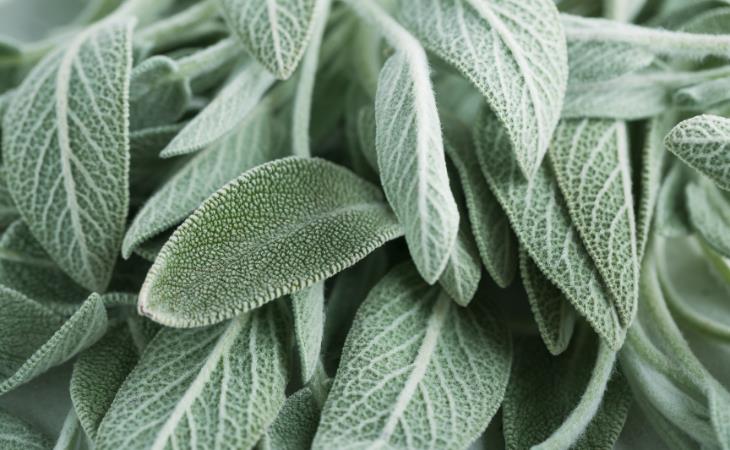
 Sage, commonly known as garden sage and scientifically referred to as Salvia officinalis, is a popular herb with many culinary uses. It belongs to the mint family, which includes herbs such as oregano, rosemary, basil, and thyme. 

Sage has a strong aroma and a distinctive earthy flavor. Its potent scent and taste make it an excellent choice for seasoning and garnishing dishes that require a zesty kick. Despite being used in small amounts, sage contains various essential minerals and nutrients that offer several health benefits. 

 Sage: The Herb With Bountiful Health Benefits

1. Packed with several nutrients

Sage is packed with an abundance of vital nutrients, such as vitamins A, E, B1, B6, C, and K, along with a variety of minerals like calcium, magnesium, iron, copper, phosphorus, potassium, sodium, zinc, niacin, thiamine, and folate. Moreover, it boasts a plethora of antioxidants, flavonoids, and active compounds such as cineole, borneol, and thujone, that are essential for making sage oil—a potent remedy for various ailments, particularly neural issues. This aromatic herb also contains caffeic acid, chlorogenic acid, rosmarinic acid, ellagic acid, and rutin, all of which contribute to its numerous health benefits.

2. Great for oral health
 
In 2015, researchers confirmed the effectiveness of sage-based mouthwash in eliminating Streptococcus mutans bacteria, which are notorious for their role in tooth cavities. Similarly, a 2021 study looked into the use of sage-based mouthwash in late-stage cancer patients and found a significant reduction in dental plaque among those who used sage. Interestingly, the group that used regular saline mouthwash also saw a decrease in plaque. Furthermore, a test-tube research found that sage extract successfully removed oral germs while inhibiting the growth of Candida albicans, a fungus associated with cavities.
 
3. Improves memory and brain health

Sage has long been regarded as a time-tested remedy for improving brain function. Its high antioxidant content has been related to improved memory, attention, concentration, calmness, and alertness. Several studies have shown the beneficial effects of regular sage consumption on memory, thinking, problem-solving, and overall cognitive ability. It is therefore considered a powerful cognitive enhancer with significant benefits when treating diseases such as Alzheimer's disease and other psychoses.

4. Lowers LDL cholesterol
 
Elevated levels of "bad" LDL cholesterol raise the risk of heart disease, which affects more than 40% of people worldwide. High blood cholesterol increases the risk of heart disease, the leading cause of death, and stroke, the fifth leading cause of death. Sage has been shown to be effective in lowering "bad" LDL cholesterol levels, which build up in artery walls and could cause cardiovascular disease in the future. Research has also found that drinking sage tea twice a day reduced "bad" LDL cholesterol and total blood cholesterol levels while increasing "good" HDL cholesterol levels in just two weeks. Several other human studies confirmed similar findings, highlighting the potential benefits of sage extract.

5. Manage diabetes
 
Common sage leaves have been traditionally used as a remedy for managing diabetes. Evidence from human and animal research shows that sage's active components are particularly beneficial in diabetes treatment since they reduce sugar release into the system while also increasing insulin levels. Furthermore, it effectively converts carbohydrates into energy while alleviating symptoms like frequent urination and thirst. Studies have shown that drinking sage leaf infusion regularly reduces blood sugar levels. 
 
6. It’s great for sore throats

The European Scientific Cooperative on Phytotherapy (ESCOP) suggests sage leaf as a remedy for reducing inflammation and treating infections in the mouth and throat. Sage has other oral health benefits, such as helping control gingivitis, sore throats, and gastritis. In clinical trials, sage throat spray was found to greatly reduce the discomfort of acute sore throats.

How to add Sage to your Diet
 
Sage can be found in a variety of forms and is versatile in the kitchen. Fresh sage leaves have a strong, fragrant flavor and are most effective when used in moderation in culinary preparations. Here are a few ways to include fresh sage in your culinary routine: 
 
Use it as a garnish for soups. 
 
Mix chopped sage leaves into the stuffing for roast dishes. 
 
Enhance the flavor of tomato sauce by adding chopped sage leaves during cooking. 
 
Boost the taste of roast dishes by mixing finely chopped sage leaves into the stuffing mixture. 
 
Experiment with sage in breakfast dishes by adding chopped leaves to omelets or scrambled eggs. 
 
Combine finely chopped sage leaves with softened butter to create savory sage butter. Spread it on bread, melt it over vegetables, or use it to baste meats for an infusion of rich, herby flavor.


This is only for your information, kindly take the advice of your doctor for medicines, exercises and so on.   


Labels: , , , , , , , , , , , , , , , , , ,

Monday, July 08, 2024

Sage: The Herb With Bountiful Health Benefits

 Sage, commonly known as garden sage and scientifically referred to as Salvia officinalis, is a popular herb with many culinary uses. It belongs to the mint family, which includes herbs such as oregano, rosemary, basil, and thyme. 

Sage has a strong aroma and a distinctive earthy flavor. Its potent scent and taste make it an excellent choice for seasoning and garnishing dishes that require a zesty kick. Despite being used in small amounts, sage contains various essential minerals and nutrients that offer several health benefits.

1. Packed with several nutrients

Sage: The Herb With Bountiful Health Benefits
Sage is packed with an abundance of vital nutrients, such as vitamins A, E, B1, B6, C, and K, along with a variety of minerals like calcium, magnesium, iron, copper, phosphorus, potassium, sodium, zinc, niacin, thiamine, and folate. Moreover, it boasts a plethora of antioxidants, flavonoids, and active compounds such as cineole, borneol, and thujone, that are essential for making sage oil—a potent remedy for various ailments, particularly neural issues. This aromatic herb also contains caffeic acid, chlorogenic acid, rosmarinic acid, ellagic acid, and rutin, all of which contribute to its numerous health benefits.


2. Great for your oral health
In 2015, researchers confirmed the effectiveness of sage-based mouthwash in eliminating Streptococcus mutans bacteria, which are notorious for their role in tooth cavities. Similarly, a 2021 study looked into the use of sage-based mouthwash in late-stage cancer patients and found a significant reduction in dental plaque among those who used sage. Interestingly, the group that used regular saline mouthwash also saw a decrease in plaque. Furthermore, a test-tube research found that sage extract successfully removed oral germs while inhibiting the growth of Candida albicans, a fungus associated with cavities. 
 
 
3. Improves memory and brain health
Sage has long been regarded as a time-tested remedy for improving brain function. Its high antioxidant content has been related to improved memory, attention, concentration, calmness, and alertness. Several studies have shown the beneficial effects of regular sage consumption on memory, thinking, problem-solving, and overall cognitive ability. It is therefore considered a powerful cognitive enhancer with significant benefits when treating diseases such as Alzheimer's disease and other psychoses.


4. Lowers " bad" LDL cholesterol
Elevated levels of "bad" LDL cholesterol raise the risk of heart disease, which affects more than 40% of people worldwide. High blood cholesterol increases the risk of heart disease, the leading cause of death, and stroke, the fifth leading cause of death. Sage has been shown to be effective in lowering "bad" LDL cholesterol levels, which build up in artery walls and could cause cardiovascular disease in the future. Research has also found that drinking sage tea twice a day reduced "bad" LDL cholesterol and total blood cholesterol levels while increasing "good" HDL cholesterol levels in just two weeks. Several other human studies confirmed similar findings, highlighting the potential benefits of sage extract.


5. Manage diabetes
Common sage leaves have been traditionally used as a remedy for managing diabetes. Evidence from human and animal research shows that sage's active components are particularly beneficial in diabetes treatment since they reduce sugar release into the system while also increasing insulin levels. Furthermore, it effectively converts carbohydrates into energy while alleviating symptoms like frequent urination and thirst. Studies have shown that drinking sage leaf infusion regularly reduces blood sugar levels. 
 
 
6. It’s great for sore throats
The European Scientific Cooperative on Phytotherapy (ESCOP) suggests sage leaf as a remedy for reducing inflammation and treating infections in the mouth and throat. Sage has other oral health benefits, such as helping control gingivitis, sore throats, and gastritis. In clinical trials, sage throat spray was found to greatly reduce the discomfort of acute sore throats.


How to add Sage to your diet
Sage can be found in a variety of forms and is versatile in the kitchen. Fresh sage leaves have a strong, fragrant flavor and are most effective when used in moderation in culinary preparations. Here are a few ways to include fresh sage in your culinary routine: 
 
Use it as a garnish for soups. 
 
Mix chopped sage leaves into the stuffing for roast dishes. 
 
Enhance the flavor of tomato sauce by adding chopped sage leaves during cooking. 
 
Boost the taste of roast dishes by mixing finely chopped sage leaves into the stuffing mixture.
 
Experiment with sage in breakfast dishes by adding chopped leaves to omelets or scrambled eggs. 
 
Combine finely chopped sage leaves with softened butter to create savory sage butter. Spread it on bread, melt it over vegetables, or use it to baste meats for an infusion of rich, herby flavor.


This is only for your information, kindly take the advice of your doctor for medicines, exercises and so on.   

https://gscrochetdesigns.blogspot.com. one can see my crochet creations  
https://gseasyrecipes.blogspot.com. feel free to view for easy, simple and healthy recipes    
https://kneereplacement-stickclub.blogspot.com. for info on knee replacement
https://cancersupportindia.blogspot.com  for infor on cancer and health related topics
https://GSiyers home remedies.blogspot.com   is the latest addition to my blogs. I'm going to add posts there, do give me your valuable feed back on my blogs. Thanks a lot, take care, be healthy and be happy.


Labels: , , , , , , , , , , , , , , , , , , ,

Saturday, May 22, 2021

Want to control your blood sugar and diabetes? Add peanuts to your daily diet

If you are borderline diabetic or diabetic, foods that can help control blood sugar levels and provide plenty of fibre, protein, and vitamins and minerals, are good snack options for you. You may want to seek snacking options that have a lower Glycemic Index.

Across the world, peanut butter is a popular spread that people use in many meals and snacks. In Indian meals, especially in Maharashtra and Gujarat, peanuts are added in various forms to several dishes. It contains no cholesterol and is a nutritious option packed with protein and healthful fats.

Although not technically a nut (peanuts belong to the legume family) and are less water-intensive to grow as they grow underground. Peanuts naturally contain protein, fats, and fibre. This cost-effective type of nuts also contains a type of fat known as unsaturated fat, which health experts generally consider an important part of a balanced diet in moderation.

Peanut butter contains two types of unsaturated fat:
Monounsaturated fat: According to the American Diabetes Association, monounsaturated fats may reduce low-density lipoprotein (LDL) cholesterol levels (high LDL cholesterol increases the risk of heart disease and stroke).
Polyunsaturated fat: These fats may also help reduce LDL cholesterol levels in a person’s body. Additionally, peanut butter itself does not contain any cholesterol.

Strategic snacking between meals is one of the best ways to promote appetite management, improve daily nutrition intake and manage energy levels, which strongly correlate with blood sugar levels. Pairing certain foods and nutrients can help stabilize blood sugar, leading to steady energy levels, rather than distracting highs and lows. This is where peanuts come in.

Peanut's rather low Glycemic Index:
Glycemic index is a value used to quantify the amount that a given food raises blood sugar levels. The values range from 0-100, with lower values indicating less robust blood sugar responses and higher values indicating a significant increase in blood sugar. If the GI of corn flakes is 81, peanuts measure a low 14, which means they can help prevent spikes in blood sugar and contribute to a slower and steadier increase in energy. 

Recently, research has shown that the consumption of peanuts and peanut butter helps stabilise blood sugar and in turn, prevent the onset of Type 2 diabetes for those with prediabetes.

Studies that support peanuts' case:
A study published in 2018 in the Journal of the American Medical Association found that women who consumed peanut butter five times a week reduced their risk of developing Type 2 diabetes by 21 per cent. 
In 2019, the Journal of American Nutrition published research that showed how the inclusion of peanut butter with a meal with a high glycemic load affected blood sugar levels at a slower pace.

Peanuts have more protein per serving than half a cup of chickpeas. When eating a meal or snack high in carbohydrate or with a high ability to raise your blood sugar, simultaneously consuming foods rich in protein or unsaturated fat adds balance to your blood sugar. Peanuts also contain 19 micronutrients, including niacin, vitamin E and manganese, which function as antioxidants and contribute to overall health.

Peanuts also contain an antioxidant called resveratrol, which is found in grapes and red wine. This antioxidant can open blood vessels and improve blood flow. 

Not fattening at all:
For decades, this "superfood" has been perceived as fattening. Those who love peanuts, cringe with guilt every time they give in to the craving. Consumption in moderate amounts has been shown to have no effect on body weight and might even help the body burn more energy.

This snacking staple is an excellent source of niacin, an important B vitamin that helps to convert food to energy, as well as manganese which is important for processing cholesterol. Now you can indulge in this food item without guilt. 

A word of caution:
Before you add any bit of peanut to your food, please be sure you are not allergic to peanuts. Your doctor should be the first person to help you decide that.

This is only for your information, kindly take the advice of your doctor for medicines, exercises and so on.   

https://gscrochetdesigns.blogspot.com. one can see my crochet creations  
https://gseasyrecipes.blogspot.com. feel free to view for easy, simple and healthy recipes    
https://kneereplacement-stickclub.blogspot.com. for info on knee replacement


Labels: , , , , , , , , , , , ,

Friday, January 10, 2020

The trio that can give you a healthy heart: Nuts, vitamins and minerals

A growing body of research has shown over time that diabetics are at a greater risk of cardiovascular diseases. But there’s good news for all of you suffering from uncontrolled blood sugar levels. A handful of nuts every day can protect your heart. A recent study published in the journal Circulation Research has revealed that diabetics who eat nuts regularly are less likely to develop heart diseases compared to those who don’t. While nuts provide many key proteins and nutrients to your body and strengthen your heart, here is a list of vitamins and minerals that promise to keep cardiovascular ailments at bay.
Magnesium
Magnesium-rich-food 
Being rich in magnesium, spinach can potentially help prevent problems like irregular heartbeat and endothelial dysfunction.

It is known as your body’s natural calcium channel blocker. This is because, it balances out the excess calcium that is linked to heart attack risk. Also, magnesium is required in the body for more than 300 enzymatic reactions, like those responsible for glycaemic control, regulating blood pressure, and lipid peroxidation. The deficiency of this mineral can lead to conditions including cardiac arrhythmias ( irregular heartbeat), endothelial dysfunction (a condition in which the inner lining of the small arteries fails to function normally), and hypertension. In fact, a study published in the journal Nutrients associates higher magnesium intake and lower risk of cardiovascular diseases. This heart-friendly mineral can even ward off migraine attack and depression.

Food sources: Black beans, kidney beans, chickpeas and nuts are loaded with magnesium. Green leafy vegetables like spinach and kale, fruits like banana, raspberries and avocado, and sea foods like salmon, tuna, and mackerel are also good options.

Potassium
potassium-rich-food
Jam-packed with potassium, potatoes can regulate blood pressure levels and reduce your risk of cardiac arrest.

Too little potassium in your body can lead to cardiovascular diseases, a study published in the JCI 
Insight says. This essential mineral prevents vascular calcification (build-up of calcium in the smooth muscle cells within arteries), which hardens the arteries and causes cardiovascular problems. Potassium regulates blood pressure levels, keeps the heart rhythm steady and reduces your risk of cardiac arrest. However, taking too much of potassium intake can be fatal too. According to doctors, you should take 4.7 grams of potassium a day.

Food sources: Vegetables like potato, spinach, tomato, sweet potato, and zucchini are rich in potassium. Also, legumes and nuts including lentils, split peas, almonds, and soybeans are jam-packed with this essential mineral. You can also go for fruits like bananas, apricots, and oranges if you want to amp up your potassium intake.

Calcium
calcium rich foods
Dairy products including milk, cheese, and yogurt boost levels of good cholesterol by 7 per cent in the body and helps preventing cardiovascular diseases. 

This mineral can potentially lower blood pressure and improve the performance of your heart. Moreover, it helps in the contraction and relaxation of the cardiac muscles. In fact, calcium boosts levels of good cholesterol by 7 per cent in the body and helps in weight management. However, you must keep a check on your calcium intake as excess of this mineral can be dangerous. According to nutritionists, people under the age group of 19-50 should not take more than 2,500 mg of calcium per day while the figure is 2000 mg for those in the age bracket of 51-70.

Food sources: Dairy products like cheese, yogurt and milk are the best sources of calcium. Poppy, sesame, celery and chia seeds, beans and lentils are also good options. You can rely on almonds, spinach and kale for calcium.

Niacin
Niacin rich food
Mushrooms are rich in niacin and help reducing bad cholesterol levels in the body by 5 to 20 per cent. 

It is a form of vitamin B3, that has a plethora of health benefits. It helps lower your cholesterol levels, ease arthritis and boost brain function. Being water-soluble, niacin can be easily excreted from the body if taken in high quantity. It can reduce bad cholesterol levels by 5 to 20 per cent and increase your good cholesterol. According to The American Journal of Cardiology, niacin can help reduce oxidative stress and inflammation which play role in atherosclerosis (hardening of your arteries). 

Also, it protects insulin-creating cells in your pancreas and hence lower the risk of type 1 diabetes.
Food sources: Foods including avocado, brown rice, whole wheat, mushrooms, green peas, potatoes, salmon, and tuna are jam-packed with niacin.

Vitamin D
Vitamin D rich food
Being rich in vitamin D, salmon can reduce oxidative stress in the vascular system that is known for playing a crucial role in development of cardiovascular diseases.

Vitamin D is known to regulate your blood pressure and blood sugar levels. According to a study published in the International Journal of Nanomedicine, vitamin D significantly reduces oxidative stress (Imbalance between the production of free radicals and the ability of the body to detoxify their harmful effects) in the vascular system. Notably, oxidative stress plays a crucial role in development of cardiovascular diseases.

Food sources: Salmon, canned tuna, oysters, shrimp, egg yolks, mushrooms, and orange juice are rich in vitamin D.

this is only for your information, kindly take the advice of your doctor for medicines, exercises and so on.     
https://gscrochetdesigns.blogspot.com. one can see my crochet creations  
https://gseasyrecipes.blogspot.com. feel free to view for easy, simple and healthy recipes    
https://kneereplacement-stickclub.blogspot.com. for info on knee replacement
 

Labels: , , , , , , , , , ,