After Reading This, You'll Stop Eating Cereal for Good!
The majority of cereals are promoted as “health foods” by the giant food corporations. However, these breakfast foods that you probably consume on a daily basis are killing you slowly, decreasing your energy levels, causing diabetes, cancer, and excess body fat. All is explained below.
If you care about your body and health, I’m sure you already know to stay away from the obvious sugary cereals like those flakes with sugar frosting, fruity sugar cereals with artificial colors, frosted wheat biscuits, or those marshmallow cereals that so many parents are poisoning their kids with these days.
However, even those breakfast cereals that aren’t frosted in sugar are marketed heavily as “heart healthy,” “rich in fiber,” and “a good source of vitamins and minerals.” Unfortunately, this couldn’t be further from the truth.
Mike Geary, a nutritionist that has studied the biochemistry of nutrition for over two decades, says “that there are at least 10 important reasons to be extremely concerned about what cereals are doing inside your body.” We’ll touch on a number of them below.
Most Cereals Cause Extreme Harm to Your Hormones and Create Runaway
Blood Sugar in Your Body
One of the worst things about most cereals, even so-called “whole grain”
cereals is that they all cause a significant spike in your blood sugar,
which results in a cascade of fat storing hormones to be released in
your body, causing more carb cravings later on. This is not the best way
to start your day if you care about your waistline or how much belly
fat you have.
In fact, even those cereals that have added fiber, such as bran flakes,
have been found to cause just as much of a spike in blood sugar as
low-fiber cereals such as rice or corn based cereals. You must remember
that the starches in corn, wheat, or a bowl of rice cereal break down
quickly in your body into sugar and cause as much harm to your blood
sugar regulation system as if you consumed 40-60 grams of pure corn
syrup or pure table sugar.
These massive spikes in your blood sugar essentially damage the cells in your body through a process known as glycation, which accelerates the rate of aging in your skin, joints, organs, and brain.
Furthermore, another effect of high blood sugar is that it blunts the ability of your body to release growth hormones, so if you want to look and feel younger, cereals are not going to help.
Are You Munching Your Way to Diabetes and Belly Fat Every Morning?
You should think about this the next time you’re munching down on that
bowl of bran flakes or rice puffs in the morning.
The more cereal that you eat, the more you constantly stress your pancreas and other organs involved in controlling your blood sugar. Your insulin levels surge every day to try to control your massive blood sugar attacks from all that cereal, and eventually, your insulin sensitivity suffers, leading many people to type 2 Diabetes, and a life of injecting insulin with needed and stabbing your fingers every day for blood tests.
Furthermore, high levels of insulin in your body triggers it to store
body fat, so if you want to be lean, cereal is going against your goal
and only making you fatter.
Gut Inflammation and Even Gut Damage?
Any cereals that contain wheat can cause gut inflammation and long-term
gut damage, even if you’re not gluten intolerant or gluten insensitive.
Think those corn-based cereals are better than wheat? Think again! Corn-based cereals are almost always made using GMO corn, which has many scientists very concerned about long-term health threats since there are no long-term studies on the effects of GMO corn to your health.
And, no, rice-based cereals aren’t better, as they cause just as high of a blood sugar spike as pure table sugar.
Cereals Cause Cravings for More Carbs Later in the Day, Leading to Excess Calories
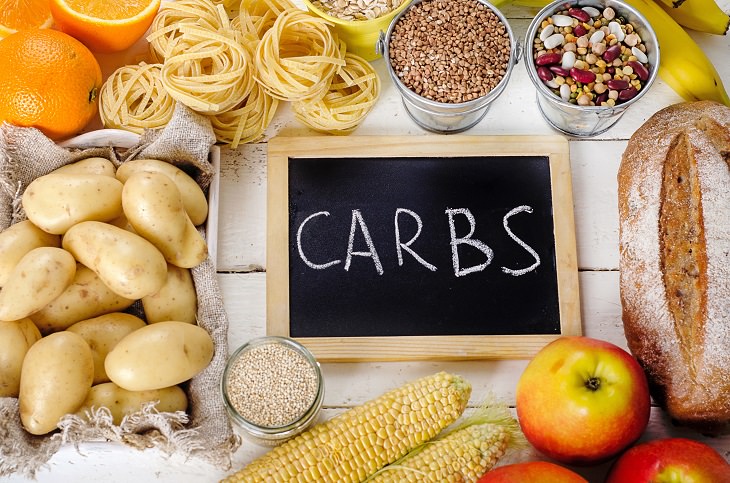
The blood sugar spike and subsequent insulin surge from your morning cereal make your body try to get all that sugar out of your blood and into your cells, and this causes a big drop in blood sugar later on. This makes you crave more carb-based or sugary foods later on in the day.
This results in a constant wild roller coaster ride of insulin and blood sugar all day long, leading you to consume more calories.
Geary once read a study about people that ate egg-based breakfasts against those that ate cereal-based breakfasts. Even though those that ate egg-based breakfasts consumed far more fat in the morning, they ended up eating far fewer calories throughout the day as they didn’t have the wild blood sugar swings, hormone imbalance, and subsequent cravings. Egg breakfasts have been proven to control your appetite, while cereal breakfasts are proven to increase your appetite for more food, particularly more starchy and sugary carbs.
Cereal Make Your Body a Carb-Burner Instead of a Fat-Burner
The more carbs you eat each day, the more you train your body to rely on
carbs for energy. So, when your blood sugar dips again, you need more
carbs, or you’ll have a major energy slump.
On the other hand, the more that you get most of your calories from healthy fats instead (coconut oil, avocados, grass-fed butter, olive oil, seeds, eggs, and Pasture-raised meats), the more you train your body to be a fat-burning machine.
This is called creating a “fat adapted metabolism” and you do this by reducing your overall carb intake and simultaneously increasing your healthy fat intake. This doesn’t mean that you need to go seriously reduce your cards, but just consume a less than your average carb addict, which is pretty much everyone who is on a modern diet.
By relying on healthy fats for energy instead of carbs, this balances
your hormones and gives you very stable blood sugar levels throughout
the day, allowing you to also have very stable energy levels throughout
the day without the typical spikes and slumps in your energy that most
carb addicts feel every day.
Healthier Alternatives to Cereals That Are Still Quick
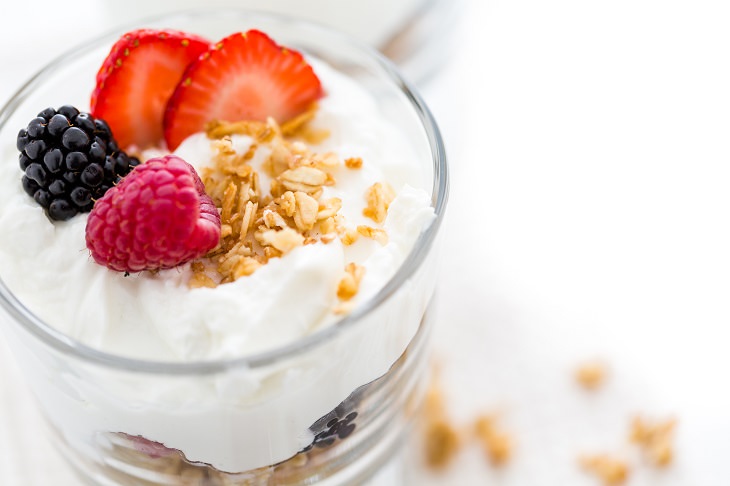
Instead of that unhealthy bowl of cereal in the morning, try a bowl of plain Greek full-fat yogurt and add a handful of fresh, organic berries, a handful of nuts such as almonds or pecans, and a little stevia or vanilla protein for some added sweetness. This breakfast will leave you leaner, keep your blood sugar, energy levels, and hormones balanced for the day, and prevent cravings for more starchy and sugary carbs later in the day.
Another option is simply any combination of eggs, avocado, veggies, and
organic breakfast meat.