Tuesday, February 17, 2026

Methi / Fenugreek seeds benefits for men and women- Fertility support and safe consumption guide
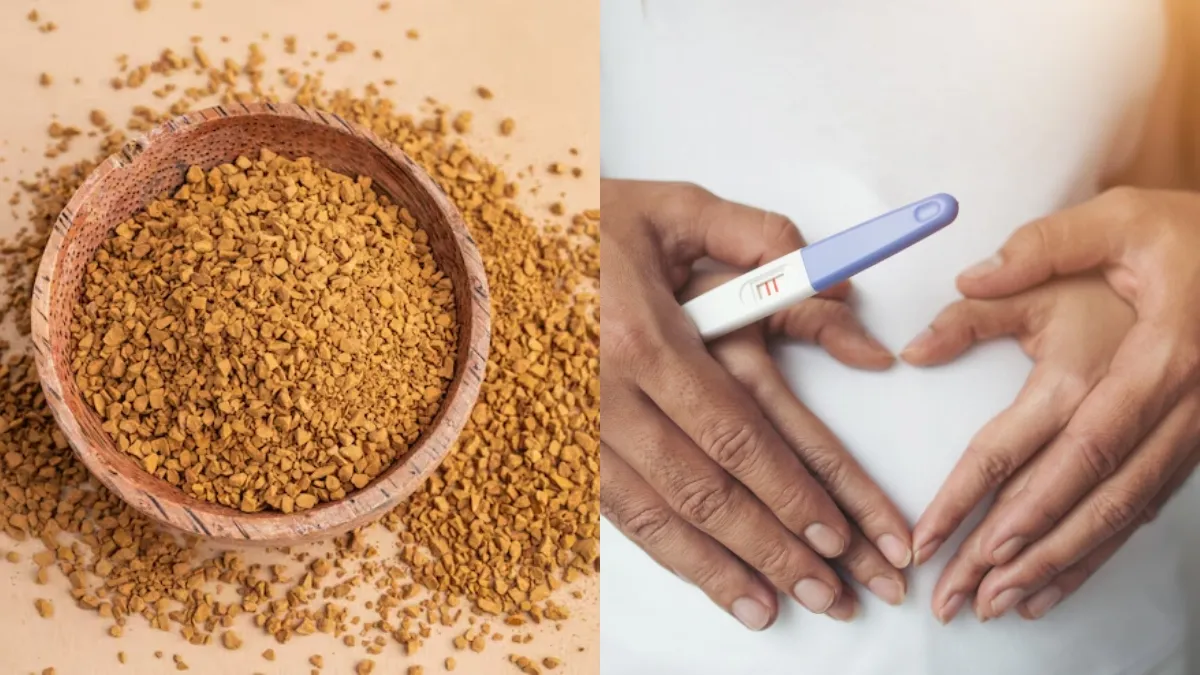
 Methi seeds have fertility benefits for women and men. 

There are many popular and well-known spices in Indian cuisine, and methi dana is one of them. It is popularly known as fenugreek seeds. According to ayurveda methi dana has been used for centuries to serve medicinal purposes. It helps boost the fertility of both males and females. It contains components that help in improving overall reproductive health and hormonal balance. The whole point is that methi dana can help in improving fertility, but you have to consume it in moderate amounts.

Nutritional Powerhouse Linked to Reproductive Health

According to Ayurvedic expert, Dr Chanchal Sharma, Fenugreek seeds, or methi dana, are a rich natural source of important nutrients like fibre, vitamins, iron, magnesium, protein, and zinc. Due to the presence of bioactive compounds such as saponins and flavonoids, it has anti-inflammatory and antioxidant properties.

Your fertility depends on overall health, metabolism, and hormones. That's why methi dana is very essential for your body to boost fertility. If you look at male fertility, then you will find zinc present in methi dana supports male fertility by improving sperm quality, and in females, the iron component found in methi supports overall menstrual health.

How Can Methi Dana Boost Fertility?

  • Hormonal Balance: Fenugreek seeds help in balancing hormones in both men and women. In females, it helps in balancing estrogen levels so that your ovulation becomes regular. At the same time, in men, it balances testosterone levels and helps in increasing sperm count and motility.
  • Improved Blood Sugar Control: Methi dana helps in balancing blood sugar levels that may cause PCOS. PCOS is a result of hormonal imbalance and can cause infertility in females. If you want to improve your insulin sensitivity, then methi can be very helpful because it slows down the absorption of glucose due to its fibre content.
  • Enhanced Reproductive Organ Health: In ancient India, methi was used traditionally to improve blood circulation. It helps in reducing inflammation and supports overall reproductive health.
  • Stress Reduction and Energy Support: Stress is very harmful for a healthy pregnancy, and fenugreek seeds help in reducing stress and support natural conception by balancing hormones and providing a healthy environment for conception.

How to Consume Methi Dana for Fertility Support

Methi dana can be used in several ways to boost fertility, but here we will discuss the safest and most common methods:

Soaked Seeds: If you want to consume soaked methi, then take one glass of water and put one tablespoon of methi dana in it and soak it overnight. You can consume this soaked water on an empty stomach in the morning.

Powder Form: To take methi dana in powder form, you have to dry-roast fenugreek seeds and then make powder. You can consume half a tablespoon of this powder on a regular basis with warm milk or water.

Expert Caution and Final Word

Health practitioners stress that while methi dana may be a complementary nutritional supplement, it should never be used as a substitute for medical treatment for infertility. Factors that affect fertility include age, heredity, lifestyle, stress, and underlying health conditions.

Methi dana has very promising nutritional values that can help support fertility. As more people become educated about its benefits, health practitioners suggest that it should be used in conjunction with a healthy lifestyle that includes a balanced diet, regular exercise, stress management, and medical advice.

Disclaimer: Tips and suggestions mentioned in the article are for general information purposes only and should not be construed as professional medical advice. Always consult your doctor or a dietician before starting any fitness programme or making any changes to your diet.


This is only for your information, kindly take the advice of your doctor for medicines, exercises and so on.   


Labels: , , , , , , , , , , , ,

Saturday, January 31, 2026

Struggling to stay awake? Your iron supplement could be to blame

Supplements are funny things. We obsess over which ones we need and in what quantity and then we completely forget to take them. A day missed here or there, a holiday where you neglected to pack them and suddenly, your routine is all over the place.

Iron , interestingly, is one supplement that might actually benefit from being forgotten. More specifically, it may be more effective when taken every other day.

What are the benefits of iron?

“Iron is essential for energy, oxygen transport and overall metabolic function,” Jessica Shand, naturopathic nutritionist and author of The Hormone Balance Handbook, previously told us. “It’s a key component of haemoglobin, the protein in red blood cells that carries oxygen throughout the body and also supports thyroid function, cognitive performance, immune health and healthy hair growth.” Because of this, a deficiency in iron can cause feelings of fatigue, brain fog, shortness of breath, heart palpitations and more.

While iron can be found in food, like red meat, offal, poultry and eggs, iron supplements can help plump up stores in those with anaemia or low-iron levels. Experts suggest that those with iron deficiency are most likely to reap the benefits of an iron supplement (reduced fatigue), while those without a notable deficiency may find the results negligible.

The skip-a-day iron method

So, the important bit: why might skipping a day be beneficial when taking an iron supplement?

“When we take a large dose of iron, we release a hormone called hepcidin, which tells the body to temporarily block iron absorption,” explains Rhian Stephenson, nutritionist and founder of Artah. “For many iron‑deficient women, taking iron on alternate days allows hepcidin to fall back to baseline before the next capsule, so each dose is better absorbed and often easier on the gut.”

Stephenson cautions that this tends to be true for iron dosages above 40mg in a single serving. Most iron supplements tend to hover between 15mg and 30mg, but it’s always best to check the nutritional information on the back of the product. “In more severe anaemia or when there is ongoing blood loss or poor response, it’s best to speak to your doctor,” she concludes.

Why does the body try to block iron absorption?

Iron is an essential mineral and needed for the body to function. However, too much iron can be harmful. Because our bodies don’t have a natural process to excrete excess iron, blockers can appear, which hinder the body’s ability to absorb too much of it.

“Blockers are a part of a protective system which is designed to reduce iron overload and restrict iron during infection,” Stephenson explains, noting that certain foods can also hinder the absorption of iron, like tea, coffee, cocoa, grains and legumes.

How soon after iron supplementation should you feel the difference?

Understandably, the length of time will depend on the severity of the deficiency, something W-Wellness nutritional therapist, Maz Packham explains, “It will also depend on how well iron is being absorbed (either through diet and supplementation) and whether there are any ongoing iron loss issues.” Some people, she says, can report benefits in as little as one to two weeks, noting increased energy and reduced fatigue. For others, it can take months.

How to know if your iron levels are improving

The most straightforward way is to take a blood test before and during iron supplementation. This can help to check if your initial levels are low and then how supplements or dietary tweaks are impacting your levels. According to Packham, signs that your iron levels are rising (in those with a deficiency) are:


  • Improved energy levels throughout the day
  • Less fatigue
  • Activities that left you out of breath feel easier
  • Better concentration
  • Less brain fog
  • Colour returning to pale skin, gums and eyelids
  • Stronger hair and nails

Disclaimer: Please consult your doctor before making any changes to your medication or supplement dosage, especially when dealing with health concerns.


This is only for your information, kindly take the advice of your doctor for medicines, exercises and so on.   

Labels: , , , , ,

Saturday, January 17, 2026

8 Health Benefits of Dates

 The health benefits of dates may include improved brain and heart health.

You can also eat dates to help with digestion and possibly ease labor.

1. Help Manage Blood Sugar

Consuming dates does not greatly affect blood glucose (sugar) levels because dates have a low glycemic index (GI).2 GI measures how fast foods raise your blood sugar. Low GI foods, like dates, raise your blood sugar slowly. Regulating your blood sugar helps manage type 2 diabetes and prevent heart disease.

2. Improve Digestive Health

Fiber regulates your bowel movements, which supports digestive health. Experts advise that women eat 25 grams of fiber daily, while men consume 38 grams. Three pitted Medjool dates provide 4.8 grams of fiber, which is about 13-19% of your daily goal.

In one small study, authors randomly assigned 22 women and men to eat seven dates daily or a carbohydrate and sugar mixture for 21 days. The groups switched after 14 days of no treatment. The authors found that people who ate dates had more frequent bowel movements.

3. May Ease Natural Labor

A meta-analysis of eight studies looked at the effects of dates on labor and delivery. The authors found that eating dates may reduce the period of the active phase of labor.4 This is when the cervix, or the lowermost part of the uterus, dilates from 6-10 millimeters. The cervix dilates (expands) during labor to allow the fetus to pass through the vagina.

Dates may improve the Bishop score, which measures how ready the cervix is for labor. The authors noted that dates do not affect the length of the rest of the labor or the frequency of Cesarean sections (C-sections).

4. Naturally Sweet

You have yet to use up any of your daily added sugar budget if you use dates to sweeten a meal or recipe. The sugar content in dates naturally occurs because they are whole, unprocessed fruits. The nutritional facts on an energy bar can list 0 grams of added sugar if it's sweetened only with dates.

Experts advise that you limit your added sugar intake. Some evidence suggests that added sugar increases the risk of heart disease and obesity.

The American Heart Association (AHA) recommends that women consume no more than 6 teaspoons of added sugar daily, which equals 25 grams or 100 calories. The AHA advises that men consume no more than 9 teaspoons of added sugar, which is 36 grams or 150 calories.13

5. Protect Against Cognitive Decline

Certain compounds in dates help protect the brain. Preliminary research studies have found that dates may have therapeutic potential against cognitive decline

Dates are also part of the Mediterranean diet. This eating plan has been shown to reduce the risk of Alzheimer's disease, which is a common type of dementia. Dementia impairs the ability to do daily tasks, memory, and thinking skills. Inflammation in the brain is a major cause of Alzheimer's disease.

6. Provide Nutrients

One pitted Medjool date supplies small amounts of a wide range of nutrients, including:

  • Calcium: This nutrient assists your blood vessels and muscles in contracting and expanding, helps build strong bones and teeth, and secretes hormones.
  • Magnesium: This mineral aids in muscle and nerve function, maintains a steady heartbeat, promotes strong bones, and supports your immune system.
  • Potassium: Ounce for ounce, Medjool dates provide more potassium than bananas. Potassium moves waste out of and moves nutrients into your cells.
  • Zinc: This nutrient helps break down carbs that your body uses for energy, promotes wound healing, strengthens your immune system, and supports cell growth

7. Rich in Antioxidants

Dates are rich in antioxidants that help reduce oxidative stress and have anti-fungal properties. The antioxidants in dates include:

  • Carotenoids
  • Polyphenols, such as phenolic acids, isoflavones, lignans, and flavonoids
  • Sterols 
  • Tannins

8. Support Heart Health

Some evidence suggests that the high polyphenolic content of dates may benefit your heart. Polyphenols are bioactive compounds that naturally occur in plants. The polyphenols in dates help increase high-density lipoprotein (HDL) cholesterol and reduce total cholesterol. Both significantly affect the risk for heart disease.

One study tested the effects of dates on blood fats and GI. The authors randomly assigned 100 adults with type 2 diabetes to eat three dates daily for 16 weeks or no dates at all.

People who ate dates had a statistically significant decline in low-density lipoprotein (LDL) cholesterol and total cholesterol. A measure of blood sugar control over the previous 2-3 months, or HbA1c, did not change.

Nutrition of Dates

One pitted Medjool date has the following nutrients:257

  • Calories: 66.5
  • Fat: 0.04 grams (g), or 0.1% of the Daily Value (DV)
  • Sodium: 0.2 milligrams (mg), or 0.009% of the DV
  • Carbohydrates: 18 g, or 6.5% of the DV
  • Fiber: 1.6 g, or 5.7% of the DV
  • Added sugars: 0 g, or 0% of the DV
  • Protein: 0.4 g, or 0.8% of the DV

Risks

People with pollen allergies may have sensitivities to dates.26 Oral allergy syndrome happens when allergens found in raw fruits like dates produce similar reactions to pollen allergens. People with oral allergy syndrome rarely develop severe symptoms like anaphylaxix, unlike other food allergies.  Anaphylaxis is a severe, life-threatening allergic reaction.

Oral allergy symptoms include:

  • Itchy mouth
  • Scratchy throat
  • Swollen lips, mouth, tongue, and throat

Consult a healthcare provider if you develop an allergic reaction after consuming dates. They can perform tests to check whether dates are causing your symptoms.

Tips for Consuming Dates

You can enjoy dates as is or use them in various ways, such as:

  • Incorporate dates into cooked vegetables like sautéed kale or roasted cauliflower, garden salads, and vegetable stir-fries.
  • Stuff dates with a nut and seed butter, plant-based "cheeses," or savory fillings, like olive tapenade and dairy-free pesto.
  • Sweeten baked goods, chia or avocado pudding, energy balls, oatmeal, overnight oats, and smoothies with dates.
  • Use puréed dates to make homemade plant-based "ice cream" mixed with add-ins like chopped  dark chocolate and pitted cherries, cinnamon, and plant milk.

Types

Dates range in color and size, depending on the type. Unripe dates may have a yellow color, while fully ripe dates have a deep brown color.

There are several types of dates, including:

  • Fresh: These dates, such as Barhee dates, are only commonly found in places where date palm grows, such as the Middle East. 
  • Wet: These include Hayany dates. They mature when refrigerating or storing at low temperatures.
  • Semi-dry: Deglet Noor and Medjool dates are commonly found in grocery stores. They are chewy with a sweet taste. Medjool dates are known as "the king of dates" for their large size and sweet caramel flavor.
  • Dry: These include Ameri, Halawi, Khadrawy, Thoory, and Zahidi dates. They are fibrous and tough.

How To Store

Store dates at low temperatures to protect their flavor, texture, and quality. Keeping your dates in an airtight container helps reduce moisture loss. You can keep dates at low temperatures for about 6- 12 months. Freeze dates to preserve them for longer periods.


This is only for your information, kindly take the advice of your doctor for medicines, exercises and so on.   


Labels: , , , , , , , , , , , ,