Tuesday, September 22, 2026

10 Mighty Tips to Ensure Your Bones Stay in Top Condition

Bone mineral density refers to the amount of minerals in our bones, which indicates their strength and density. Bone mineral density that is below the normal levels, but is not low enough to be classified as osteoporosis, is known as osteopenia.

Osteopenia usually doesn't cause pain or other symptoms, but it is very important to understand how it can be prevented as it can progress to osteoporosis (where the bones become so weak that they fracture extremely easily).

Aging is a common cause of low bone mineral density. Other factors that contribute to osteopenia include eating disorders, metabolism problems, exposure to radiation, chemotherapy, family history, lack of physical activity, smoking, regular consumption of sodas, and excessive alcohol consumption. There are no obvious symptoms of osteopenia. Therefore, you should take a bone density test every few years after you have turned 35.

Here are 10 top ways to prevent the loss of bone mineral density.

1. Consume Adequate Calcium 
 Bone - Density - Tips
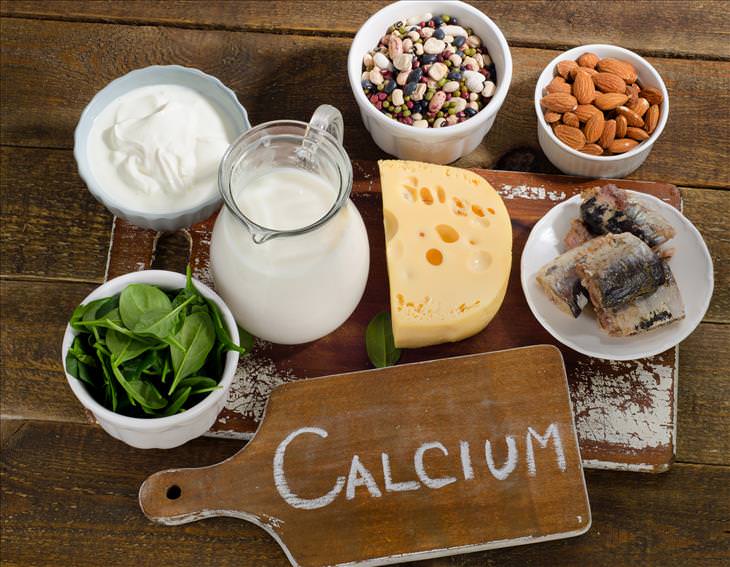
Calcium is one of the most important nutrients for improving your bone density. Our bones are made of calcium, so this nutrient is essential for preventing any bone-related diseases. People between the ages of 19 and 50 should consume around 1,000 mg of calcium per day. Women, who are at a higher risk of contracting bone diseases, should consume 1,200 mg of calcium a day. 
You can get your daily requirement from sardines, dark green vegetables, organic dairy products, blackstrap molasses, dried fruits, and fortified soy products such as tofu. If you do not have a balanced diet, you should speak to your doctor about taking calcium supplements

2. Boost Your Vitamin D Intake
 
Vitamin D is another essential nutrient that improves bone health and reduces the risk of osteopenia. Furthermore, vitamin D also helps your body utilize calcium better. You can get vitamin D into your body by eating eggs, salmon, swordfish, sardines, and fortified foods such as cereal and orange juice. Our bodies also produce vitamin D when exposed to the sun, so take the time to enjoy 10-15 minutes of early morning sun exposure each day. 
3. Stay Active
Regular exercise is great for overall health and bone health is no exception to this rule. Our bones form and remodel in response to physical stress, thus regular physical activity is a great way to prevent the loss of bone mineral density. For good bone health, aim for around 30 minutes of weight-bearing activities most days of the week. Activities like walking, hiking, and dancing are all great choices. 
4. Quit Smoking
Smoking is bad for our overall health, especially bone health. Smoking prevents the body from efficiently absorbing calcium, thus decreasing bone mass. In fact, smokers are at a much higher risk of fractures than non-smokers. Therefore, you should try to quit smoking as soon as possible. You can get help from professionals as well as family members and friends. 
5. Consume Less Caffeine 
Coffee does have some health benefits when consumed in limited amounts, but too much caffeine in any form is no good for your bones. Excess caffeine intake can interfere with the body's ability to absorb calcium, which is vital for good bone health. 
 6. Eat Foods Rich in Vitamin K 
Vitamin K will give a boost to your bone mineral density level. This particular vitamin helps the body make proteins for healthy bones and reduces the amount of calcium that is excreted by the body. Vitamin K rich foods include kale, Brussels sprouts, turnip greens, fermented dairy products, broccoli, and prunes.

7. Reduce Your Sodium Intake 
 Salt causes excessive calcium excretion through the kidneys. In fact, too much salt appears to be a risk factor for bone fragility. To improve your bone health, it's essential that you limit your salt intake. The American Heart Association suggests consuming less than 1,500 mg of salt a day. 
8. Pump Up Your Potassium Level
Potassium is known to be important for muscle health, but it is also beneficial for bone health. This mineral neutralizes acids that remove calcium from the body. The recommended daily intake of potassium for adults is 4700 mg. The best sources of potassium are avocados, bananas, strawberries, kiwis, mangos, apricots, carrots, dates, sweet potatoes, spinach, broccoli, and red peppers. 
9. Eat Magnesium-Rich Foods 
To improve bone health and reduce the risk of getting osteopenia, you should eat magnesium-rich foods every day. Magnesium is needed in over 325 enzyme systems in the body that control thousands of chemical interactions and it's also vital for bone health. It stimulates the hormone calcitonin, which preserves bone structure by drawing calcium out of the blood and soft tissues and back into the bones. Great sources of magnesium are almonds, avocados, beans, bananas, pumpkin seeds, tofu, soy milk, pecans, walnuts, potatoes with skin, yogurt, whole grains, and green leafy vegetables. 
10. Eat Foods Rich in Vitamin C
 Vitamin C can also help prevent loss of bone mineral density. Collagen is the main protein in bones, and vitamin C plays a major role in collagen synthesis. To get vitamin C into your diet, eat fruit and vegetables such as bell peppers, oranges, broccoli, strawberries, Brussels sprouts, kiwi, pineapple, and cauliflower. You can also take vitamin C supplements, but please consult your doctor first.

This is only for your information, kindly take the advice of your doctor for food, medicines, exercises and so on.   

Labels: , , , , , , , ,

Thursday, September 03, 2026

Horse Gram Health Benefits

 Horse Gram in a wooden spoon 

 Find out everything about horse gram, the miracle pulse. A traditional elixir for ailments like diabetes, heart disease, kidney stones, asthma, obesity, cold and many more, horse gram is highly protein-rich, high in calcium, low in fat and full of antioxidants. Here are 11 horse gram benefits that are sure to convince you to try it out. Plus, there is a recipe in here too!

What is Horse Gram?

Horse gram is the most protein-rich lentil found on the planet. It is very high-powered. That is why race horses are fed with this gram, which is called horse gram in the market.

This important and under-utilized tropical crop is grown mostly in dry agricultural lands and keeps a rather low profile nowadays, but is ready to expand its reputation! Here’s why.

Horse Gram Health Benefits

 Horse Gram health benefits 


1 Insulin Resistance

Scientists from the Indian Institute of Chemical Technology have found that unprocessed, raw horse gram seeds have the ability to reduce high blood sugar following a meal, by slowing down carbohydrate digestion and reducing insulin resistance by inhibiting protein-tyrosine phosphatase 1β. This makes it an extra diabetic-friendly food. 

#2 Full of Antioxidants

Horse gram seeds are rich in polyphenols, flavonoids and proteins – the major antioxidants present in fruits that makes them so healthy. In this article published in the Journal of Agricultural and Food Chemistry, researchers from the Department of Grain Science and Technology at the Central Food Technological Research Institute at Mysuru found abundant antioxidant activity in horse gram, in addition to reducing power and ferrous ion-chelating potency. 

#3 Helps Urinary Discharge

In Ayurveda, horse gram is a well-known diuretic and is reputed to be effective in increasing urine flow. For this purpose, horse gram can soup can be consumed twice a day for four weeks to show visible results. 

#4 Prevents Kidney Stones

Due to its diuretic properties, horse gram is very effective in assisting in the removal of kidney stones. In addition, making horse gram a part of your regular diet will aid in avoiding the formation of stones in the kidneys, as horse gram contains certain compounds that make these stones soluble. 

#5 Heals Ulcers

Lipids in horse gram have been shown to have anti-ulcer activity due to the presence of phytosterol esters. Researchers from the Department of Surgery at Royal Free and University College of Medical School, London  found that horse gram is highly beneficial in healing peptic and mouth ulcers. 

#6 Asthma Relief

A common Ayurvedic prescription for asthmatic patients is to consume the paste of boiled horse gram and pepper, which aids in reducing cough, cold and congestion. Although not a cure for asthma, it has been known to provide immediate relief and help manage breathing problems. 

#7 Keeps Heart Disease at Bay

According to established medical science, oxidative damage caused by free radicals plays a causative role in ageing and leads to diseases including several heart diseases. However, the human body is capable of minimizing this damage with the right nutrients and antioxidants. Raw horse gram is particularly rich in polyphenols, flavonoids and proteins, the major antioxidants. It is also low in fat and high in carbohydrate content, making it healthier for the heart. 

#8 Is Horse Gram Good for Weight Loss?

Eating plenty of horse gram can actually help in the management of obesity as it has the ability to attack fatty tissue, thanks to its high phenol content. The effectiveness of horse gram is so well known in Tamil tradition that there is a Tamil saying, “Ellachavanukku Ella Kudu, Kozhuthavanakku Kolla Kudu,” which translates to, “For a frail person, sesame seeds and for an obese person, horse gram.” 

#9 Keeps You Warm in Winter

Horse gram – especially in the form of soup – has the ability to generate heat and energy in the system and therefore keeps you warm on a cold winter day. 

#10 Good for the Bones

Horse gram is high in iron, calcium and protein. In fact, horse gram has the highest calcium content among pulses and is one of the richest vegetarian sources of protein.

#11 Controls Menstrual Problems

Horse gram contains iron in high levels, which helps to cure irregular menstrual cycles. It also increases your blood hemoglobin due to its high iron content.

Horse Gram Nutritional Values

100 gm of horse gram contains:

Protein

22 gm

Mineral

3 gm

Fiber

5 gm

Carbohydrates

57 gm

Iron

7 mg

Calcium

287 mg

Phosphorus

311 mg

Horse Gram Side Effects

Horse gram contains phytic acid which is an anti-nutrient – that means it can stop your body from absorbing all that nutrient goodness. But all is not lost because if you soak, sprout or cook horse gram seeds before putting them in your food, the phytic acid content is significantly reduced, according to research.

Here is what Sadhguru has to say about horse gram side effects: “Consuming horse gram generates heat in the body. You know that it is causing excessive heat when you notice that your eyeballs are hot or that you want to pee, your bladder is full but it does not come out and it hurts. That means there is excess heat. If such a thing happens, you just drink some ash gourd juice or take some castor oil and apply it either inside the navel or the Anahata, Vishuddhi, Agna and at two particular spots behind the ears. If you apply castor oil on these points, the system will cool down within five minutes. When you go to the bathroom, everything will happen without effort. You can also balance the excess heat by eating green gram. Sprouted green gram will cool the system.”

For horse gram soups & kheer, please view in my recipe blog. Thanks


This is only for your information, kindly take the advice of your doctor for food, medicines, exercises and so on.   

Labels: , , , , , , , , , , , ,