Tuesday, September 22, 2026

10 Mighty Tips to Ensure Your Bones Stay in Top Condition

Bone mineral density refers to the amount of minerals in our bones, which indicates their strength and density. Bone mineral density that is below the normal levels, but is not low enough to be classified as osteoporosis, is known as osteopenia.

Osteopenia usually doesn't cause pain or other symptoms, but it is very important to understand how it can be prevented as it can progress to osteoporosis (where the bones become so weak that they fracture extremely easily).

Aging is a common cause of low bone mineral density. Other factors that contribute to osteopenia include eating disorders, metabolism problems, exposure to radiation, chemotherapy, family history, lack of physical activity, smoking, regular consumption of sodas, and excessive alcohol consumption. There are no obvious symptoms of osteopenia. Therefore, you should take a bone density test every few years after you have turned 35.

Here are 10 top ways to prevent the loss of bone mineral density.

1. Consume Adequate Calcium 
 Bone - Density - Tips
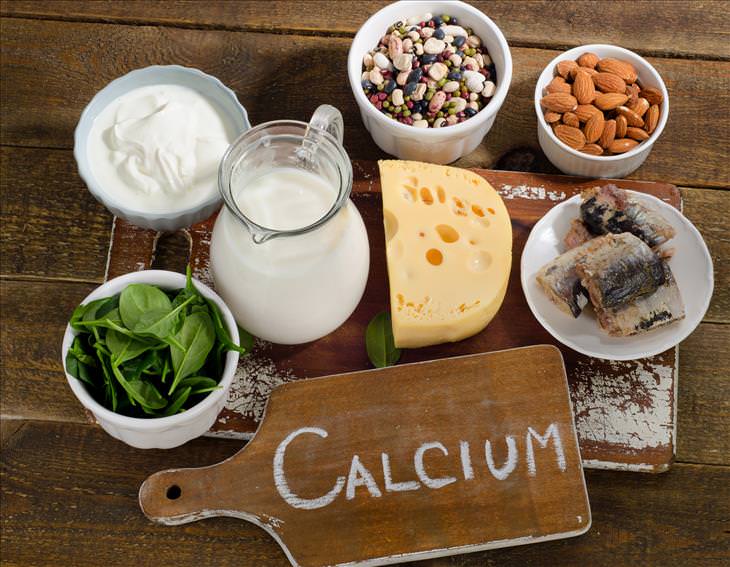
Calcium is one of the most important nutrients for improving your bone density. Our bones are made of calcium, so this nutrient is essential for preventing any bone-related diseases. People between the ages of 19 and 50 should consume around 1,000 mg of calcium per day. Women, who are at a higher risk of contracting bone diseases, should consume 1,200 mg of calcium a day. 
You can get your daily requirement from sardines, dark green vegetables, organic dairy products, blackstrap molasses, dried fruits, and fortified soy products such as tofu. If you do not have a balanced diet, you should speak to your doctor about taking calcium supplements

2. Boost Your Vitamin D Intake
 
Vitamin D is another essential nutrient that improves bone health and reduces the risk of osteopenia. Furthermore, vitamin D also helps your body utilize calcium better. You can get vitamin D into your body by eating eggs, salmon, swordfish, sardines, and fortified foods such as cereal and orange juice. Our bodies also produce vitamin D when exposed to the sun, so take the time to enjoy 10-15 minutes of early morning sun exposure each day. 
3. Stay Active
Regular exercise is great for overall health and bone health is no exception to this rule. Our bones form and remodel in response to physical stress, thus regular physical activity is a great way to prevent the loss of bone mineral density. For good bone health, aim for around 30 minutes of weight-bearing activities most days of the week. Activities like walking, hiking, and dancing are all great choices. 
4. Quit Smoking
Smoking is bad for our overall health, especially bone health. Smoking prevents the body from efficiently absorbing calcium, thus decreasing bone mass. In fact, smokers are at a much higher risk of fractures than non-smokers. Therefore, you should try to quit smoking as soon as possible. You can get help from professionals as well as family members and friends. 
5. Consume Less Caffeine 
Coffee does have some health benefits when consumed in limited amounts, but too much caffeine in any form is no good for your bones. Excess caffeine intake can interfere with the body's ability to absorb calcium, which is vital for good bone health. 
 6. Eat Foods Rich in Vitamin K 
Vitamin K will give a boost to your bone mineral density level. This particular vitamin helps the body make proteins for healthy bones and reduces the amount of calcium that is excreted by the body. Vitamin K rich foods include kale, Brussels sprouts, turnip greens, fermented dairy products, broccoli, and prunes.

7. Reduce Your Sodium Intake 
 Salt causes excessive calcium excretion through the kidneys. In fact, too much salt appears to be a risk factor for bone fragility. To improve your bone health, it's essential that you limit your salt intake. The American Heart Association suggests consuming less than 1,500 mg of salt a day. 
8. Pump Up Your Potassium Level
Potassium is known to be important for muscle health, but it is also beneficial for bone health. This mineral neutralizes acids that remove calcium from the body. The recommended daily intake of potassium for adults is 4700 mg. The best sources of potassium are avocados, bananas, strawberries, kiwis, mangos, apricots, carrots, dates, sweet potatoes, spinach, broccoli, and red peppers. 
9. Eat Magnesium-Rich Foods 
To improve bone health and reduce the risk of getting osteopenia, you should eat magnesium-rich foods every day. Magnesium is needed in over 325 enzyme systems in the body that control thousands of chemical interactions and it's also vital for bone health. It stimulates the hormone calcitonin, which preserves bone structure by drawing calcium out of the blood and soft tissues and back into the bones. Great sources of magnesium are almonds, avocados, beans, bananas, pumpkin seeds, tofu, soy milk, pecans, walnuts, potatoes with skin, yogurt, whole grains, and green leafy vegetables. 
10. Eat Foods Rich in Vitamin C
 Vitamin C can also help prevent loss of bone mineral density. Collagen is the main protein in bones, and vitamin C plays a major role in collagen synthesis. To get vitamin C into your diet, eat fruit and vegetables such as bell peppers, oranges, broccoli, strawberries, Brussels sprouts, kiwi, pineapple, and cauliflower. You can also take vitamin C supplements, but please consult your doctor first.

This is only for your information, kindly take the advice of your doctor for food, medicines, exercises and so on.   

Labels: , , , , , , , ,

Monday, April 07, 2025

How to Maintain Healthy Digestion while Traveling

Ultimately, traveling should be a relaxing experience, an opportunity to change the mundane setting to something new and exciting, and a chance to enjoy yourself. Sadly, while we do enjoy ourselves, typically by trying new foods, drinking more than usual and relaxing on the beach, it often happens that vacation ends up being a challenge for your body, especially for your gut, with over half of vacationers experiencing some sort of digestive problem. The majority of travelers suffer from such issues as diarrhea, constipation, heartburn and bloating, and anything starting from the food you eat to air travel to your activity levels can affect your digestive health. 
 
These annoyances can be extremely uncomfortable and can even ruin your vacation plans, but they don’t have to. You can prevent these common traveler’s gut issues by taking into account a few things and following the tips we suggest in this article.

1. Watch your fiber intake
 digestive health while traveling a cereal bowl
 
Fiber is essential for our digestive health in so many ways, so making sure you’re eating plenty of it is important every day. Sufficient fiber intake is especially crucial when you’re traveling, as up to 48% of vacationers were reported to experience traveler’s constipation, and fiber helps to keep things moving even when you’re stressed and not very active.

To make sure you’re getting enough fiber, you can make a rule for yourself to eat plenty of fruit and veggies while you’re traveling, or include more whole grains into your diet, even if you mainly eat out. Packing an apple and a whole grain energy bar into your bag as a healthy snack is also a great way to increase your fiber intake.

2.Water and herbal teas are your friend
digestive health while traveling water and peppermint tea
Becoming dehydrated while traveling is alarmingly easy, as we tend to forget about our water intake when we’re on the beach or exploring a new and exciting place, and it might be a hassle to drink enough on a plane or while driving. Those are exactly the pitfalls that can cause constipation and worsen your diarrhea symptoms, and so we recommend to drink enough water and then some more to prevent those issues.

And while replacing your water with cool soft drinks, coffee or cocktails may sound tempting, don’t submit to that temptation, as all of these drinks can actually trigger digestive issues ranging from heartburn to diarrhea. Finally, it might also be a smart decision to stock up on some peppermint tea if you’re prone to constipation, bloating and gas, as it may help relieve the bloating and calm your gut.


3. Avoid trigger foods
 digestive health while traveling bloody mary and french fries
 
Even if you know 100% that the food you eat while on your vacation is safe and properly cooked, you’re not clear of digestive issues. This is because we tend to sleep less, eat more and change our meal schedule while on vacation, all of which makes our gut more sensitive to the types of foods we eat.

And we all know what kind of food we indulge in on vacation: everything that’s too sweet, too salty, veg-free, and preferably fried. And while trying new local foods and cooking the least amount of food possible is certainly part of any adventure, we recommend you to be mindful of the type of foods you choose to eat.
 
Oily, greasy and overly-processed foods can cause constipation, and sugary foods and drinks, as well as dairy, can trigger diarrhea. Eating portions that are too big, too fast, or overindulging in coffee and acidic foods can cause acid reflux, whereas consuming a lot of beans, broccoli, and cabbage can make you bloated.

There are also some trigger foods that worsen your symptoms specifically, so if you know, for example, that milk chocolate often makes you constipated, steer clear of it even on your vacation.


4. Don't ignore your gut
 If you’re used to a certain meal schedule, try to keep it up while you’re traveling as much as you can. This will make sure you have plenty of energy and keep your digestive flow steady.

Another common mistake people are guilty of is ignoring the urge to go to the bathroom, which can lead to constipation. Even if you don’t feel particularly comfortable using a public bathroom or the one at your hotel, it’s important to listen to your body, otherwise, you are risking turning your entire vacation into an extensive and often painful bathroom break.

5. Stay active
Now, it makes sense to give your exercise routine a break when you’re traveling, but you still have to stay active when you’re on vacation, otherwise, your digestive system may become more sluggish and slow, which can bring about a variety of digestive symptoms.

Doctors point out that medium intensity exercise can improve digestion and prevent constipation (obviously, not only when you’re on vacation). Even if you’re relaxing on the beach 24/7, try to take regular walks (or swims) each day to keep your body, and especially your gut, active and happy.

6. Wash your hands often
Washing your hands with soap as often as you can is a great way to prevent food poisoning, as, despite popular belief, we catch a lot of bad gut bacteria and viruses from our own hands and not infected food per se. Pools, bathroom stalls, doorknobs, planes, and buses are all a breeding ground for harmful bacteria, with often thousands of people passing by these places each day.

Even if you can’t wash your hands before and after every meal, make sure to carry around wet wipes, napkins and a hand sanitizer on you at all times and use them constantly. When washing your hands, make sure to use soap and avoid closing the tap or touch any doorknobs directly with your hands in a bathroom after washing your hands (use a towel or napkin instead), as bathrooms are notorious for spreading all kinds of harmful microorganisms.

7, Do your research
Before traveling to a certain country, research food safety in that destination, as in many countries, restaurant and street food, as well as tap water may not be as safe as in your home country. If any of the above-mentioned are an issue, always avoid street food and choose restaurants carefully.

If water is an issue, also avoid ice cubes in your drinks. Some doctors even recommend sticking to bottled water no matter where you’re planning to go, as the composition of the local tap water may differ from what your body is used to, which can upset your stomach. 
 
It’s also safer to stick to cooked rather than raw foods, as well as to choose pasteurized products to make sure your food is free from harmful bacteria.

8. Stock up on these -just in case
 digestive health while traveling first aid kit
 
As you may have noticed, all the tips we mentioned previously were ways to prevent an upset stomach and gut, which is, of course, optimal, but what can you do if there you are, in the tourist destination of your dreams, suffering from a digestive issue? For that purpose, you should have a well-stocked first-aid kit that will get you back on your feet in no time.

The same works for people who know that they always suffer from a certain issue while traveling, and this way they will be well-stocked ahead of time. Here are some OTC meds you might want to pick up: 
 
1. If you suffer from persistent traveler’s constipation, you will benefit from psyllium husks or bulk-forming laxatives, which, unlike other laxatives, don’t cause dependency and are not likely to have complications. Do keep in mind that you will need to drink a lot of water if you’re taking these, or else they can worsen your symptoms. 
 
2. If heartburn is your main concern, you can take antacids, which will improve the symptoms, but keep in mind that you shouldn’t take them for more than a week. 
 
3. If you experience mild traveler’s diarrhea, you can stock up on Pepto-Bismol or loperamide (Imodium). 
 
Do keep in mind, however, that persistent or severe symptoms will require professional medical attention, especially if they are accompanied by a fever, cramps, blood in the stool, etc.


This is only for your information, kindly take the advice of your doctor for medicines, exercises and so on.   

Labels: , , , , , , , ,

Wednesday, July 31, 2024

Understanding and Preventing Deep Vein Thrombosis

Deep Vein Thrombosis (DVT) is a medical condition where a blood clot forms in a deep vein, typically in the legs. This can lead to pain, swelling, and in severe cases, can cause clots to break free and travel to vital organs, such as the lungs, leading to life-threatening complications. Recognizing the factors that increase the risk of DVT and adopting preventive measures is crucial for maintaining vascular health.

Risk Factors for DVT 
 
Here are the factors that can elevate your risk of developing DVT: Previous Blood Clot: Individuals who have experienced DVT are at a heightened risk of recurrence. 
 
Family History: A genetic predisposition to DVT is significant. The risk is further amplified if both parents have a history of the condition. 
 
Age: The likelihood of DVT increases with age, particularly for those over 40.
 
Prolonged Immobility: Extended periods of immobility, such as bed rest due to hospitalization or long-duration flights, can significantly increase the risk of DVT. When muscles are not active, blood flow in the deep veins of the legs slows down, making it easier for clots to form. This is why it's crucial to take breaks, move around, and stretch regularly during prolonged sitting or when confined to a bed or chair for extended periods. 
 
Gender and Age: Men aged between 45 and 60 are slightly more susceptible to DVT. However, women's risk may increase during pregnancy due to hormonal changes. 
 
Genetic Factors: Genetic predispositions play a significant role in the risk of developing DVT. Conditions such as Factor V Leiden mutation increase the blood's tendency to clot. While a single genetic factor may not cause DVT on its own, in combination with other risks, it can significantly increase the likelihood of clot formation. Knowing family history and discussing genetic testing with a healthcare provider can help assess and manage this risk. 
 
Pregnancy and Hormone Therapy: Elevated estrogen levels during pregnancy or from hormone-based medications can increase clotting risk. Apart from pregnancy, other conditions and medications that alter hormone levels can also elevate DVT risk. This includes hormone replacement therapy and certain types of birth control. The increased estrogen can make the blood more prone to clotting. It's essential for individuals undergoing these treatments to consult with their healthcare providers about their specific risk and possible preventive measures. 
 
Clotting Disorders: Inherent blood clotting disorders can lead to abnormally thick blood.

Obesity: Obesity is a significant risk factor for DVT. Excess weight, especially around the abdomen, can exert additional pressure on the veins in the pelvis and legs, impeding blood flow back to the heart. This can lead to blood pooling and clot formation. Furthermore, obesity alters the chemical composition of the blood, increasing its propensity to clot. Managing weight through diet, exercise, and lifestyle changes can help reduce the risk of DVT and improve overall health. 
 
Health Conditions: Diseases like heart disease, lung disease, inflammatory bowel disease, and cancer can elevate DVT risk. 
 
Injury or Surgery: Physical trauma, such as a bone fracture or muscle injury, can damage blood vessels and lead to clot formation. Similarly, surgeries, particularly those involving the abdomen, pelvis, hip, or legs, can increase the risk of DVT due to immobility during recovery and potential damage to blood vessels. Taking preventive measures, such as using compression stockings or medication for blood thinning as recommended by healthcare providers, can help reduce this risk. 
 
Chronic diseases: Certain chronic conditions, such as heart disease, cancer, and inflammatory bowel disease, can increase the risk of DVT. These diseases can alter blood flow, contribute to inflammation, and affect the blood's ability to clot. For instance, cancer and its treatments can increase clotting factors in the blood, while heart disease can lead to reduced mobility and blood flow. Managing these conditions with the guidance of healthcare professionals is crucial for minimizing DVT risk. 
 
Inflammatory Diseases: Conditions like inflammatory bowel disease (IBD) not only disrupt the digestive tract but also contribute to a systemic inflammatory response. This state of heightened inflammation can increase the risk of blood clot formation. Managing inflammation through appropriate treatments and lifestyle changes is crucial.


Strategies to Lower DVT Risk  
While some risk factors for DVT cannot be modified, several strategies can help mitigate the risk: 
 
Avoid Prolonged Immobility: Stand, stretch, or walk at least every 2 hours. Perform simple leg exercises even while seated. If you work at a desk or engage in activities that require sitting for extended periods, integrate short breaks into your routine. Use a timer as a reminder to stand up or stretch every hour. Even minimal movements, such as ankle circles or foot pumps, can stimulate blood flow in your legs.

Post-Surgery Mobility: After surgery, particularly operations involving the abdomen, pelvis, hip, or legs, it's crucial to start moving as soon as medically advised. Gentle exercises, like ankle pumps, knee bends, and leg lifts, can be performed even in bed. These movements help in maintaining circulation and preventing blood clots. 
 
Medical Consultation: Discuss with a healthcare provider about the potential need for blood thinners or compression stockings if at high risk. 
 
Travel Precautions: During long flights or car rides, make it a point to stand or walk around every couple of hours. Choose seats that offer more legroom when possible, and perform seated exercises like foot lifts or knee bends. Wearing loose, comfortable clothing and staying hydrated are essential, while avoiding alcohol and caffeine, which can lead to dehydration. 
 
Stay Active: Regular physical activity is beneficial for overall health and plays a key role in preventing DVT. Activities like walking, swimming, or cycling improve circulation and vein health. Aim for at least 30 minutes of moderate exercise most days of the week. Even those with limited mobility can find suitable exercises to keep blood flowing efficiently.
 
Health Management: Addressing obesity, quitting smoking, and managing chronic diseases are crucial steps in reducing DVT risk.
 
Lifestyle Adjustments: For individuals who are overweight, losing weight can significantly reduce the pressure on veins in the legs and improve blood flow. Quitting smoking is also crucial, as smoking affects blood circulation and increases the risk of clotting. Managing chronic conditions such as diabetes, high blood pressure, and heart disease through medication, diet, and exercise is vital in reducing the risk of DVT. 
 
Proactive Health Checks: For those with a high risk of DVT, regular check-ups and screenings can be lifesaving. This includes monitoring for any signs of clotting disorders, reviewing medication impacts, and assessing the need for preventive measures like compression garments or anticoagulants.

This is only for your information, kindly take the advice of your doctor for medicines, exercises and so on.   

https://gscrochetdesigns.blogspot.com. one can see my crochet creations  
https://gseasyrecipes.blogspot.com. feel free to view for easy, simple and healthy recipes    
https://kneereplacement-stickclub.blogspot.com. for info on knee replacement
https://cancersupportindia.blogspot.com  for infor on cancer and health related topics
https://GSiyers home remedies.blogspot.com   is the latest addition to my blogs. I'm going to add posts there, do give me your valuable feed back on my blogs. Thanks a lot, take care, be healthy and be happy.


Labels: , , , , , , , , ,