Monday, April 07, 2025

How to Maintain Healthy Digestion while Traveling

Ultimately, traveling should be a relaxing experience, an opportunity to change the mundane setting to something new and exciting, and a chance to enjoy yourself. Sadly, while we do enjoy ourselves, typically by trying new foods, drinking more than usual and relaxing on the beach, it often happens that vacation ends up being a challenge for your body, especially for your gut, with over half of vacationers experiencing some sort of digestive problem. The majority of travelers suffer from such issues as diarrhea, constipation, heartburn and bloating, and anything starting from the food you eat to air travel to your activity levels can affect your digestive health. 
 
These annoyances can be extremely uncomfortable and can even ruin your vacation plans, but they don’t have to. You can prevent these common traveler’s gut issues by taking into account a few things and following the tips we suggest in this article.

1. Watch your fiber intake
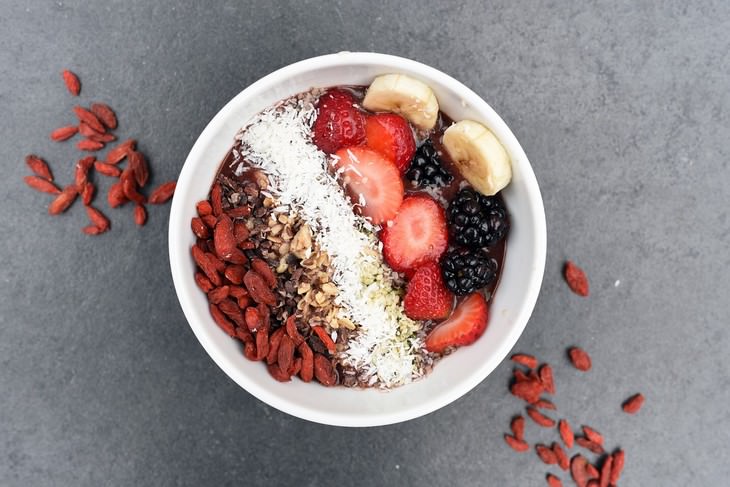
 digestive health while traveling a cereal bowl
 
Fiber is essential for our digestive health in so many ways, so making sure you’re eating plenty of it is important every day. Sufficient fiber intake is especially crucial when you’re traveling, as up to 48% of vacationers were reported to experience traveler’s constipation, and fiber helps to keep things moving even when you’re stressed and not very active.

To make sure you’re getting enough fiber, you can make a rule for yourself to eat plenty of fruit and veggies while you’re traveling, or include more whole grains into your diet, even if you mainly eat out. Packing an apple and a whole grain energy bar into your bag as a healthy snack is also a great way to increase your fiber intake.

2.Water and herbal teas are your friend
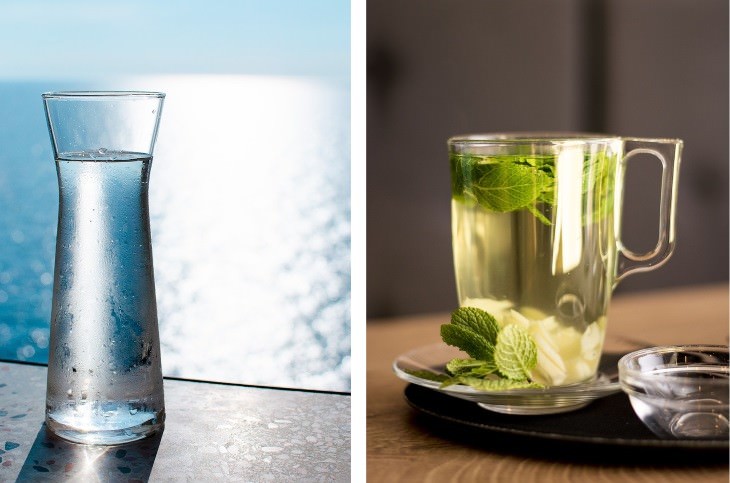
digestive health while traveling water and peppermint tea
Becoming dehydrated while traveling is alarmingly easy, as we tend to forget about our water intake when we’re on the beach or exploring a new and exciting place, and it might be a hassle to drink enough on a plane or while driving. Those are exactly the pitfalls that can cause constipation and worsen your diarrhea symptoms, and so we recommend to drink enough water and then some more to prevent those issues.

And while replacing your water with cool soft drinks, coffee or cocktails may sound tempting, don’t submit to that temptation, as all of these drinks can actually trigger digestive issues ranging from heartburn to diarrhea. Finally, it might also be a smart decision to stock up on some peppermint tea if you’re prone to constipation, bloating and gas, as it may help relieve the bloating and calm your gut.


3. Avoid trigger foods

 digestive health while traveling bloody mary and french fries
 
Even if you know 100% that the food you eat while on your vacation is safe and properly cooked, you’re not clear of digestive issues. This is because we tend to sleep less, eat more and change our meal schedule while on vacation, all of which makes our gut more sensitive to the types of foods we eat.

And we all know what kind of food we indulge in on vacation: everything that’s too sweet, too salty, veg-free, and preferably fried. And while trying new local foods and cooking the least amount of food possible is certainly part of any adventure, we recommend you to be mindful of the type of foods you choose to eat.
 
Oily, greasy and overly-processed foods can cause constipation, and sugary foods and drinks, as well as dairy, can trigger diarrhea. Eating portions that are too big, too fast, or overindulging in coffee and acidic foods can cause acid reflux, whereas consuming a lot of beans, broccoli, and cabbage can make you bloated.

There are also some trigger foods that worsen your symptoms specifically, so if you know, for example, that milk chocolate often makes you constipated, steer clear of it even on your vacation.


4. Don't ignore your gut
 If you’re used to a certain meal schedule, try to keep it up while you’re traveling as much as you can. This will make sure you have plenty of energy and keep your digestive flow steady.

Another common mistake people are guilty of is ignoring the urge to go to the bathroom, which can lead to constipation. Even if you don’t feel particularly comfortable using a public bathroom or the one at your hotel, it’s important to listen to your body, otherwise, you are risking turning your entire vacation into an extensive and often painful bathroom break.

5. Stay active
Now, it makes sense to give your exercise routine a break when you’re traveling, but you still have to stay active when you’re on vacation, otherwise, your digestive system may become more sluggish and slow, which can bring about a variety of digestive symptoms.

Doctors point out that medium intensity exercise can improve digestion and prevent constipation (obviously, not only when you’re on vacation). Even if you’re relaxing on the beach 24/7, try to take regular walks (or swims) each day to keep your body, and especially your gut, active and happy.

6. Wash your hands often
Washing your hands with soap as often as you can is a great way to prevent food poisoning, as, despite popular belief, we catch a lot of bad gut bacteria and viruses from our own hands and not infected food per se. Pools, bathroom stalls, doorknobs, planes, and buses are all a breeding ground for harmful bacteria, with often thousands of people passing by these places each day.

Even if you can’t wash your hands before and after every meal, make sure to carry around wet wipes, napkins and a hand sanitizer on you at all times and use them constantly. When washing your hands, make sure to use soap and avoid closing the tap or touch any doorknobs directly with your hands in a bathroom after washing your hands (use a towel or napkin instead), as bathrooms are notorious for spreading all kinds of harmful microorganisms.

7, Do your research
Before traveling to a certain country, research food safety in that destination, as in many countries, restaurant and street food, as well as tap water may not be as safe as in your home country. If any of the above-mentioned are an issue, always avoid street food and choose restaurants carefully.
If water is an issue, also avoid ice cubes in your drinks. Some doctors even recommend sticking to bottled water no matter where you’re planning to go, as the composition of the local tap water may differ from what your body is used to, which can upset your stomach. 
 
It’s also safer to stick to cooked rather than raw foods, as well as to choose pasteurized products to make sure your food is free from harmful bacteria.

8. Stock up on these -just in case
 digestive health while traveling first aid kit
 
As you may have noticed, all the tips we mentioned previously were ways to prevent an upset stomach and gut, which is, of course, optimal, but what can you do if there you are, in the tourist destination of your dreams, suffering from a digestive issue? For that purpose, you should have a well-stocked first-aid kit that will get you back on your feet in no time.

The same works for people who know that they always suffer from a certain issue while traveling, and this way they will be well-stocked ahead of time. Here are some OTC meds you might want to pick up: 
 
1. If you suffer from persistent traveler’s constipation, you will benefit from psyllium husks or bulk-forming laxatives, which, unlike other laxatives, don’t cause dependency and are not likely to have complications. Do keep in mind that you will need to drink a lot of water if you’re taking these, or else they can worsen your symptoms. 
 
2. If heartburn is your main concern, you can take antacids, which will improve the symptoms, but keep in mind that you shouldn’t take them for more than a week. 
 
3. If you experience mild traveler’s diarrhea, you can stock up on Pepto-Bismol or loperamide (Imodium). 
 
Do keep in mind, however, that persistent or severe symptoms will require professional medical attention, especially if they are accompanied by a fever, cramps, blood in the stool, etc.


This is only for your information, kindly take the advice of your doctor for medicines, exercises and so on.   

Labels: , , , , , , , ,

Wednesday, July 07, 2021

How to Keep Yourself Safe During Extreme Summer Heat

A deadly summer heatwave is currently spreading across many parts of the world. Temperatures in the US and Canada, in particular, are soaring to record levels, which already resulted in hundreds of deaths. The state of Oregon, for instance, reported 63 deaths linked to the heatwave, and British Columbia recorded close to 500 sudden deaths due to severe heat. Temperatures in Portland rose to a record-breaking 116°F (47°C), and the heat in many other places in the US has reached an all-time high as well.

While soaring temperatures during peak summer aren’t exactly surprising, the unprecedented heatwave that‘s blanketing America and Canada is said to be related to a ‘heat dome’ in the region. According to the National Oceanic and Atmospheric Administration (NOAA), this happens when “strong, high-pressure atmospheric conditions combine with influences from La Niña, creating vast areas of sweltering heat that gets trapped under the high-pressure 'dome.'" 
 
It’s also said that heatwaves are now affecting 25 percent more land in the Northern Hemisphere than they did in the 1980s because of climate change. Furthermore, weather experts have warned that the number of heatwaves is likely to rise in the western United States. 
 
In such a situation, it is extremely important to keep yourself and your family safe by taking some preventive steps.
 
Who's most at risk from a heatwave? 
 
While a heat-related illness can affect anyone, experts say that some are most vulnerable to it: 
 
* The elderly (particularly 65 or older) 
 
* Infants and young children 
 
* People with chronic health problems (especially pre-existing heart disease) or disabilities 
 
* People who are overweight 
 
* People who don’t have air conditioning at home 
 
* People who work outdoors throughout the day 
 
* Pets. 
 
It goes without saying that, if you fall in the vulnerable category or live with someone who does, you must take extra precautions to cope with the excessive heat. The Centers for Disease Control and Prevention (CDC) suggest that adults at risk from a heatwave must be monitored twice a day during the summer months for signs of heat exhaustion or heat stroke. Infants and young children need even more supervision during this time.

Tips To Cope With a Heatwave  
 
1. Stay hydrated regularly, even when you don’t feel thirsty  
Tips, Heat Wave, hydrated
Regardless of how active you are, one of the most important steps you can take to keep yourself safe in the sweltering heat is to keep yourself properly hydrated. The more you sweat because of the hot weather, the more salt and minerals you will lose from the body. So don’t wait until you’re thirsty; keep drinking water throughout the day so that your body temperature remains regulated. The Red Cross says that an average person needs to drink about three-quarters of a gallon of fluid (about 12 cups) daily. Drinking sports drinks with electrolytes can also help.

To determine if you’re getting plenty of fluids, pay attention to the color of your urine. Slightly yellow or clear urine means that you are likely sufficiently hydrated. However, if you are urinating infrequently and the color is dark yellow or orange, it’s a sign that you need to increase your fluid intake. Also remember that children, the elderly, and pets can easily become dehydrated without even realizing it. So make sure that they are drinking sufficient water. 
 
2. Cool down with lukewarm showers 
Taking a cool shower or bath at least twice or thrice a day is quite helpful to beat the heat. However, not everyone is comfortable taking cold showers. In that case, try lowering the temperature to lukewarm before adjusting it to cold. But make sure that the water isn’t too cold, as your body might then react to the cold by preserving heat. 
 
3. Eat foods that will help you stay cool
Tips, Heat Wave, water-rich foods
Health experts say that eating foods with a higher water content like fruits and vegetables can help your body remain cool in the sweltering weather. Some water-rich foods that can help you stay hydrated are: 
 
* Lettuce (Water content: 96%) 
 
* Celery (Water content: 95%) 
 
* Cucumber (Water content: 95%) 
 
* Tomatoes (Water content: 94%) 
 
* Watermelon (Water content: 92%) 
 
* Strawberries (Water content: 91%) 
 
* Cantaloupe (Water content: 90%) 
 
* Peaches (Water content: 89%) 
 
* Oranges (Water content: 88%) 
 
* Plain Yogurt (Water content: 88%). 
 
Include these foods in your diet during the summer months to energize yourself with hydration and nutrients. 
 
Also, make sure that you stay away from hot foods like soups, as they will end up warming your body. If you are having salty foods, then drink an extra glass or two of water to balance it out. 
 
4. Make arrangements to sleep well in the heat 
Getting a night of good sleep in a heatwave-like situation can be quite difficult. Having an AC helps, but we can’t leave the AC running all night day after day, right? Ideally, a temperature of about 65°F (18.3°C) is considered perfect for sleep. But when the weather outside doesn’t cooperate with you, it can result in sleepless nights and leave you feeling tired and irritable the next day. Moreover, sleep deprivation can lead to reduced cognitive performance, memory issues, and reduced focus. 
 
Thankfully, there are a few simple arrangements you can make to sleep soundly in the heat: 
 
* Use a light and breathable bed sheet. 
 
* Set up a fan or cooler near your bed. 
 
* Spray your sheet with cold water before sleeping. 
 
* A cold shower before bed can also make a difference. 
 
* Make sure you are properly hydrated before hitting the hay. If you wake up in the middle of the night because of the heat, just drink a glass of cold water. 
 
* Wrap your pillowcases in a plastic bag and put them in the freezer for about 15 to 30 minutes before bed. The chill won’t last the whole night, but it should help you drift off to sleep comfortably.
 
5. Keep curtains closed during the day
During a heatwave, you should keep the curtains in your house closed during the day to keep direct sunlight out. This will also help your room become cooler. If it becomes breezy outside, you can always open the curtains again. But avoid using dark-colored or thick curtains or blinds, as they are likely to trap the heat and cause the temperature in your room to rise. 
 
If you have an air conditioner, set it to a lower temperature. In case you don’t, a good way to cool the room quickly is to place a tray or dish of ice in front of a fan.

6. Know your body's quick-cooling spots  
A quick way to cool your body down as the temperatures soar outside is to apply ice or a cold compress to certain parts of the body. Some of the most popular spots are the neck and wrists because they both contain pulse points. In these areas, the blood vessels are close to the surface of your skin. Hence, you can cool off your blood and body temperature by getting these points in contact with cool water. 
 
Some experts also say that the inside of the elbows and knees, the tops of feet, and the inner ankles are quick-cooling spots. Use a cold towel or pour cold water onto these points to cool your body down effectively. 
 
7. Avoid strenuous exercise. Keep it light.

Keeping your body active and fit is good, but you must cut down on exercise during the heat. Exercising in hot weather puts extra stress on your body. If you keep on overexerting yourself, you might be putting yourself at risk of illness. Strenuous exercise, along with the heat and humidity, can increase your core body temperature, and your body would then need to send more blood to circulate through your skin to cool itself down. This leaves less blood for your muscles which can lead to an abnormal increase in heart rate. If the humidity is also high and you continue to exercise, then your sweat doesn't easily evaporate from your skin, and that pushes your body temperature even higher. 
 
If you have to work out, do so in the morning or evening when temperatures are cooler. Instead of long cardio sessions, opt for quick interval training during severe summer weather to ensure that your body doesn’t overheat. If any type of exercise makes your heart pound, leaves you gasping for breath, or makes you lightheaded, stop all activity and relax in a cool area.
8. Avoid caffeine and alcohol The CDC warns that we should stay away from alcoholic, sugary, or caffeinated drinks in the heat, as they cause you to lose more body fluid. Consuming them in excessive amounts during a heatwave can lead to dehydration. Chilled drinks should also be avoided during this time, as they can cause stomach cramps. 
 
The best drink is good old-fashioned water. Use an aluminum-lined bottle to store your drinking water to keep it cooler longer. Add fresh herbs, lemon, or orange slices to enhance the taste. Coconut water and fresh fruit juices are also great. 
 
9. Use wet wipes and mist sprays
If you have to venture out during a heatwave, carry some wet wipes and a facial mist to keep yourself fresh and cool. Many new wet wipes and sprays are developed to lower your skin temperature and help you withstand a heatwave. Search for those at your local drugstore, and always keep them in your bag when you're heading out.  
 
10. Recognize the symptoms of heat-related illness
Extreme summer heat leads to the risk of various heat-related illnesses, including heat stroke and heat exhaustion. Heat-related illness can make you confused or even unconscious. Watch out for any signs of heat illnesses. Some of the most common ones are: 
 
* Hot dry skin 
 
* Profuse sweating 
 
* Cold, clammy skin 
 
* Rapid heartbeat 
 
* Nausea and vomiting 
 
* Confusion, disorientation, or dizziness 
 
* Muscle cramps 
 
* Tiredness or fatigue 
 
* Headaches 
 
* Dark-colored urine. 
 
 If you or anyone you know experiences any of these symptoms, get to a cool place quickly and sip on some water immediately. You can also loosen your clothes and put a cold wet cloth on your body to help cool it down. If the symptoms don’t improve or worsen, seek immediate medical help. 
 
Hot weather may also lead to a heat stroke, which is usually marked by high body temperature (103°F or higher), hot, red, dry, or damp skin, a rapid pulse, and confusion. If someone you know experiences these symptoms, get instant medical attention.


This is only for your information, kindly take the advice of your doctor for medicines, exercises and so on.   

https://gscrochetdesigns.blogspot.com. one can see my crochet creations  
https://gseasyrecipes.blogspot.com. feel free to view for easy, simple and healthy recipes    
https://kneereplacement-stickclub.blogspot.com. for info on knee replacement

Labels: , , , , , , , , , ,

Monday, November 19, 2018

The Connection Between Triclosan and Gut Infections

In the 1970s, a new chemical appeared in many different products that we use every day, such as toothpastes, soaps, and detergents. This chemical is called triclosan and has antibacterial and antifungal effects. For years, the experts investigated this miracle material that suddenly appeared in a variety of products and tested the safety of its use, and it was only in 2016 that clear legislation was introduced that forbade its presence in soaps. However, it still exists in many of the products we use, such as toothpastes and wet wipes, and it is important that you recognize it and the danger it poses to your health.

What have scientists thought of triclosan till today?

"Consumers think that antibacterial agents are more effective than others in eliminating bacteria, but there is no scientific evidence that they are more effective than soap and water," says a researcher. The experts has made it clear that triclosan, along with 18 other compounds, should not be used in antiseptic products such as hand soap, but the administration's legislation was limited, and the chemical is still used to make toothpastes, wet wipes, and disinfectants. 

Over the years, an increasing number of studies have shown that triclosan is harmful to humans and the environment, while the first ones have shown that there is a reason to worry that the chemical acts as an endocrine disruptor – interfering with the physiological functioning of the hormones. In addition, the use of triclosan over time increases the ability of bacteria to develop resistance to antibiotics. 

The direct effect of triclosan on human health is widely debated, and according to a review of studies, the conclusion reached by experts is that the use of low-volume chemicals isn’t harmful to human health; This includes the amount used to produce cosmetics, shampoos, and toothpastes. However, the  government has made it clear that the chemical is indeed harmful to the environment; In fact, it is one of the 10 most common pollutants in rivers in North America.

What do scientists have to say about triclosan today?

Researchers decided to examine the effects of triclosan, and specifically whether it is related to intestinal infections - a problem that has emerged more since they began using the chemical. In the study, they examined the response of mice to a low amount of triclosan, which could be traced in the blood; After 3 weeks of testing previously healthy mice, symptoms of chronic GI infections began to appear. 

The study was conducted again in the same way, but this time on mice genetically engineered to develop inflammatory bowel disease. The symptoms of inflammation of the mice developed faster this time, and some also developed ulcerative colitis - a disease that increases the chances of cancer. The same group of mice that developed ulcerative colitis also had a shorter life expectancy than other mice. 

Researchers believe that triclosan affects the intestinal microbial community in a way that can be significant to the formation of inflammatory effects. To investigate this mechanism further, the researchers conducted the study again, but this time with mice that had no intestinal microbial community. Indeed, there was no adverse effect on the intestines of these mice. 

It is important to emphasize that all these studies have not yet been conducted on humans, but researchers believe that the same results will also appear among them. "We know very little about the effect of triclosan on the human body, and our research indicates that the effects of its use and exposure should be examined and the legality of its use, updated," says one of the researchers.

What does all this mean for us?

A previous study found that triclosan tends to be stored in toothbrush fibers, and even if you switch to a toothpaste that doesn’t contain the chemical, the triclosan left on the brush is released directly into the mouth in dangerous amounts. Therefore, you may also want to replace your toothbrush. It is still unclear whether there is a link between triclosan and intestinal infections in humans, but it is certainly worth making this small change.

THIS IS ONLY FOR INFORMATION, ALWAYS CONSULT YOU PHYSICIAN BEFORE HAVING ANY PARTICULAR FOOD/ MEDICATION/EXERCISE/OTHER REMEDIES.                                                                                                                                                                                                                                                                                             PS- THOSE INTERESTED IN RECIPES ARE FREE TO  VIEW MY BLOG-                                                                                           https://gseasyrecipes.blogspot.com/                                                                                                                                                                             FOR INFO ABOUT KNEE REPLACEMENT, YOU CAN VIEW MY BLOG-                                                                                                                             https:// kneereplacement-stickclub.blogspot.com/                                                                                        FOR CROCHET DESIGNS                                                                                                                                                                                                                                 https://gscrochetdesigns.blogspot.com 

Labels: , , , , , , , , , , , , , , , , ,