Wednesday, March 04, 2026

This Is How to Make Your Eczema Settle Down Once & For All

 Eczema is a skin disorder that affects many people and is indicative of the body being inflamed. Although symptoms appear on the skin, the disorder is very much a sign of something being wrong on the inside of the body. In fact, the root cause of eczema is a disturbance in the immune system – it’s the body overreacting to something that’s attacking it. Let’s take a closer look: 

The Main Causes of Eczema
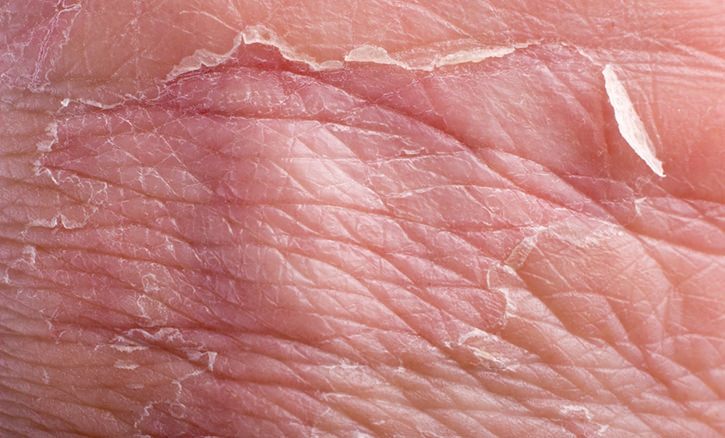
 This Is How to Make Your Eczema Settle Down Once & For All

1. Leaky Gut 

The medical term for this is “increased intestinal permeability”. In essence, the body has an inflammatory reaction to food particles passing through the wall of your gut. This results in food sensitivity, such as to gluten and dairy. With that being said, a leaky gut can cause a whole range of health problems, from sinus problems to irritable bowel, reflux, joint pain, autoimmune diseases and more. The body’s inflammatory response can also cause weight gain.

2. Abnormal Gut Flora 

Sometimes, overgrowth of bad bugs and yeast can occur in the gut. This is medically known as dysbiosis, and it occurs when the 3 pounds of bugs in your gut become out of balance and drive inflammation. Yeast overgrowth is actually a common cause of eczema and is caused by a high-sugar, refined carb, low-fiber, processed diet. With that being said, yeast overgrowth can also be triggered by the use of antibiotics, steroids, hormones and even the birth control pill. 

3. Other Factors 

 There are numerous other things that can trigger eczema, namely chemicals in skin creams, lotions, and detergents. In addition, the impact that various factors can have on the gut is often underestimated. Too many antibiotics, aspirin, acid-blocking drugs, ibuprofen, stress, infections, and toxins can all have an impact. 

The #1 Way to Cure Eczema – Change Your Diet

As you can see, the root cause of eczema is often problems with the gut, which in turn are usually caused by a poor diet. As a result, food has to be thought of as medicine. It can prevent, reverse and even cure disease. Dietary changes can make inflammation in the body die down, cause gut issues to subside, and give your immune system a much-needed break. The result of this is that inflammatory conditions such as eczema die down. Here’s how to do it correctly:

1. Adopt an Elimination Diet 

Seeing as the most common and harmful food sensitivities are usually related to gluten and dairy, try eliminating them from your diet, together with sugary, processed foods, for 10 days. You’ll see results in the immediate aftermath of the 10-day period. 

2. Incorporate Anti-inflammatory Nutrients and Foods 

Wild-caught fish and a colorful selection of plant foods are the way to go, and consider the liberal use of spices like turmeric. You can also try taking fish oil and curcumin supplements. 

3. Normalize Gut Flora 

Prebiotics, probiotics and digestive enzymes are all great for normalizing healthy gut flora. If you’re not sure what you’re doing with these things, it’s best to work with a functional medicine practitioner to address any gut issues you might have correctly. Nevertheless, incorporating gut-healing nutrients into your diet is entirely within your reach. Balance gut flora results in reduced immune activation, preventing many inflammatory diseases such as asthma, eczema and inflammatory bowel disease. 

4. Use the Right Supplements
Fish oil, evening primrose oil, and vitamins D and A are your friends if you have eczema. 

 5. Get Sufficient Sleep 

 Loss of sleep fuels the body’s inflammatory response, so make sure that you get 8 hours of quality sleep per night. 

6. Exercise Regularly Another way of reducing the body’s inflammatory response is ensuring that you exercise regularly. Doing so will also boost the strength of your immune system. 

7. Control Stress Levels 

Not only does stress make you miserable – it’s been linked to inflammation. Try meditation, deep breathing, yoga or another form of stress reduction and make it a priority to do one (or a combination) of them) regularly.


This is only for your information, kindly take the advice of your doctor for medicines, exercises and so on.   


Labels: , , , , , , , , , , ,

Friday, April 30, 2021

COVID-19: Surfaces Don’t Need To Be Disinfected As Often

Ever since the coronavirus pandemic began, we've all been following the safety advice of infectious disease experts in an attempt to protect ourselves and our loved ones from the virus. While masking up and maintaining hand hygiene remain as important as last year, experts now say that we can lighten up by cleaning hard surfaces in our home. 

The Centers for Disease Control and Prevention (CDC) has recently revealed that SARS-CoV-2, the virus that causes COVID-19, doesn’t appear to live as long on surfaces as was initially suspected. “Based on available epidemiological data and studies of environmental transmission factors, surface transmission is not the main route by which SARS-CoV-2 spreads, and the risk is considered to be low,” the CDC wrote in their findings.

What do these findings mean?
This is great news, and it means that the risk of surface transmission remains low (although still feasible) in most settings. So, we can all relax a little on sanitizing surfaces and disinfecting items like groceries, countertops, and door handles. Ever since the pandemic began, most of us have been spending a lot of time and energy on disinfecting every part of the house. While being cautious is important, going overboard doesn't serve any purpose. 
 
“Disinfection is only recommended in indoor settings, schools, and homes where there has been a suspected or confirmed case of COVID-19 within the last 24 hours,” says the CDC director Dr. Rochelle Walensky. So, unless any of these categories fit your case, you can ease up on disinfecting every part of your house every day.

This doesn’t mean, however, that you should lower your guard completely. We should and must continue to be vigilant against the coronavirus and try and maintain all hygiene practices. Even if you lighten up on cleaning all the surfaces of your home, you should continue practicing hand hygiene. 
 
Hand washing is still the best way to eliminate any possible chance of contamination from surfaces. So, wash your hands with soap and water frequently, and use hand sanitizer gels and wipes when out in public. Also, avoid touching common surfaces when you are out, and refrain from putting your fingers in your mouth or rubbing your eyes.
What items should you continue cleaning?
While the recent study shows us that the risk of COVID-19 transmission through contaminated surfaces is low, experts recommend that high-traffic areas in the home should still be cleaned once a day; particularly if you have several family members in your house. Businesspersons and those who work in office environments should be particular about sanitizing high-touch surfaces, such as doorknobs, light switches, handles, stair rails, elevator buttons, desks, keyboards, shopping carts, phones, and sinks.

You don’t need to invest in a disinfectant spray to clean these surfaces. Using soap and water or dish detergent, without disinfecting them, is sufficient enough to kill the virus when you have no people with confirmed or suspected COVID-19 in your living space. 
 
“Cleaning with products containing soap or detergent reduces germs on surfaces by removing contaminants and may also weaken or damage some of the virus particles, which decreases the risk of infection from surfaces,” the CDC has said recently. 
 
These little findings, as the pandemic continues to rage on, will not just help reduce our stress a little, but they will also help us make our way back to a normal life.

This is only for your information, kindly take the advice of your doctor for medicines, exercises and so on.     

https://gscrochetdesigns.blogspot.com. one can see my crochet creations  
https://gseasyrecipes.blogspot.com. feel free to view for easy, simple and healthy recipes    
https://kneereplacement-stickclub.blogspot.com. for info on knee replacement

Labels: , , , , , , ,

Saturday, May 02, 2020

15 Expert Tips for Disinfecting Your House for Coronavirus

It is easy to believe that you are cleaning your home properly and disinfecting it the right way. However, there is a good chance you may be doing it wrong. How can you effectively disinfect your home so that the Coronavirus does not have a chance to infect you and your family?

15 Expert Tips for Disinfecting Your House for Coronavirus

Let’s go over 15 expert tips on how to make sure your home is properly sanitized so that you and your family stay healthy.


#15 – Clean Before Disinfecting
Cleaning your surfaces is not the same as disinfecting, as disinfecting stops the germs right there. But it is important to clean your surfaces with a damp rag with some soap. Then after it is cleaned, and dried, put disinfectant on.


#14 – Disinfect Every Surface And Everything You Touch
In order to keep your home as sterile as possible, you must disinfect each surface you can think of. This needs to be done on your baseboards, your light switches, bathrooms, doorknobs, cabinet handles, and anywhere else you touch the most in your home.


#13 – Don’t Use The Wrong Disinfectants
Before you look for disinfectants, you want to make sure that you find the right ones for killing Coronavirus. The right disinfectant must be the criteria that can kill SARS-CoV-2, the other name for COVID-19. Here is a list of the best detergents to kill the COVID-19 virus.


#12 – Make Sure The Detergents Contain At Least 70 Percent Alcohol
Detergents that contain at least 70 percent of alcohol are going to be effective in disinfecting your home from Coronavirus. Detergents that contain less alcohol than that will not kill the germ. You will know by checking the back of the bottle.


#11 – Never Mix Solutions
Mixing solutions can become lethal together! Therefore, only use one solution on its own and never consider mixing it with another. Some people may think this is a more powerful way to kill germs but it can, unfortunately, kill them instead! That is because mixing two solutions together can cause noxious and poisonous gasses.


#10 – Disposable Gloves Are Just That For A Reason
Never consider wearing your gloves once you have used them. They are disposable because they are only meant to be worn once. After you are wearing your gloves to disinfect your home, be sure to toss the gloves away and wash your hands well for 20 seconds after with soap.


#9 – Your Hamper Is Full Of Germs
You may not realize how germ-filled your hamper is but the fact of the matter is the COVID-19 virus attaches to clothing. Therefore, you will want to clean your hamper and disinfect it as well as often as you toss dirty clothing into it.


#8 – Make A Habit Of Washing Your Towels And Sheets Often
The idea of having to wash your towels and sheets all of the time may seem like an inconvenience. However, because of the pandemic, you do not want to become complacent when it comes to keeping your bedsheets and towels cleaned. Be sure to clean them more often than you normally would.


#7 – Don’t Go Crazy With The Bleach
You may be tempted to grab as much as bleach as you possibly can due to the fact that it is the best disinfectant around. But consider this, even though bleach is a powerful disinfectant, it can be a major irritant to your eyes and skin. And it is not safe to breathe in the fumes. Especially if you are cleaning in areas where it is not well-ventilated.


#6 – Don’t Forget To Use The Sanitize Setting On Your Washer
When you put your clothes, sheets, and towels in the washer, be sure to put the setting to ‘sanitize’. Otherwise, the laundry will not become disinfected as you had intended it to be. That is the only setting that will kill the COVID-19 virus, among other germs.


#5 – Don’t Forget To Clean Your Rags
Are you cleaning your rags properly after you use them? You must or else you are just spreading the germs with the rag as you clean something else if you had not cleaned it. Throw the rags into the washer and use the sanitize setting as well.


#4 – Nuke Your Sponges In The Microwave To Disinfect Them
When was the last time you cleaned your sponges? If you cannot answer that, then your sponges are full of germs that you would not want to know about. But if you throw your sponges in the microwave and nuke them for a minute, it kills the germs and you can reuse them after.


#3 – Test The Cleanliness Of Countertops With Your Hands
If you are cleaning countertops such as granite you may not know whether they are clean based on its appearance. Take your gloved hand and feel around the countertop to make sure that it really is clean. If you don’t feel any evidence of grime and dirt, then it is likely clean.


#2 – Learn About Cleaning Facts
There are many myths and facts about how to clean and disinfect properly to prevent the spread of the Coronavirus. In fact, you need to be educated on the myths and facts in general about COVID-19 before making any assumptions.


#1 – Stress Does Not HelpThis is a time when you will feel incredibly stressed for a variety of reasons, one major one being whether or not you could catch the virus. You are also stressed due to the fact that you are not sure if or when normalcy will return. This will not last forever. The best thing to do is to take precautions and do what you can to get your mind off of it otherwise. If you are struggling, then you will want to talk to a mental health counselor online as there is help around.

The Coronavirus outbreak is a stressful time, it will not last forever, but you want to exercise caution so you and your loved ones stay safe.


This is only for your information, kindly take the advice of your doctor for medicines, exercises and so on.     

https://gscrochetdesigns.blogspot.com. one can see my crochet creations  
https://gseasyrecipes.blogspot.com. feel free to view for easy, simple and healthy recipes    
https://kneereplacement-stickclub.blogspot.com. for info on knee replacement

Labels: , , , , , , , , , , , , ,