Monday, July 27, 2026

This Natural Drink Will Keep Your Skin Young & Healthy!

In the not-so-distant past, I used many kinds of creams and lotions to keep my skin healthy and clear, but I recently discovered that the best treatment lies in my pantry, not my medicine cabinet. The best way to take care of our skin is from the inside, not the outside, and when I started drinking this delicious beverage, I saw a change almost immediately. This terrific drink is nothing more than chai with cinnamon and turmeric – a delicious cup of health, rich in health-boosting ingredients. This article will teach you why this delicious drink is so good for you, and how to make it yourself.

The health benefits of turmeric 
 Delicious Chai

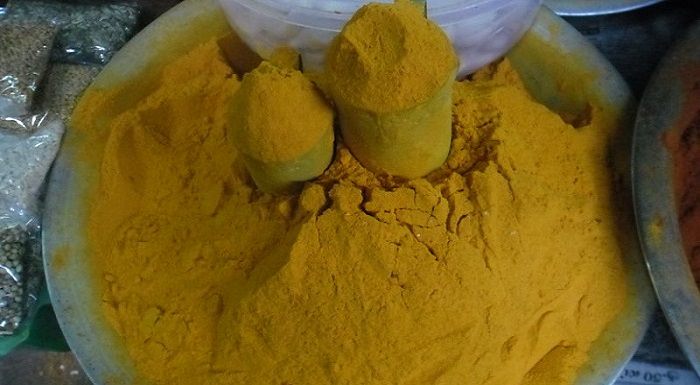
In India, as well as in China, and even by some of the North-American natives, turmeric has been known to have many healing properties. Turmeric’s “secret” is curcumin - an active ingredient. It’s a powerful anti-inflammatory, antioxidant, and boosts the immune system. You can learn more about its many health benefits in this article, but as far as our skin is concerned, turmeric is an effective treatment for psoriasis and eczema, improves the performance of our liver, and improves the flexibility of our blood vessels, which gives the skin a shiny, healthy look.

The health benefits of cinnamon 
 Delicious Chai

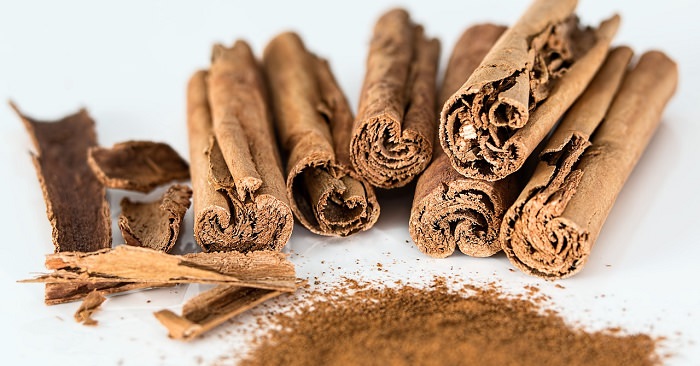
Like other spices, cinnamon is rich in minerals and other essential ingredients, as well as large quantities of magnesium, calcium, iron, dietary fibers, potassium, phosphorous, and even some vitamins from the B, C, and K groups. Similar to turmeric, cinnamon is a powerful anti-inflammatory and can help reduce the pain from arthritis.

The health benefits of cardamom 
Delicious Chai 

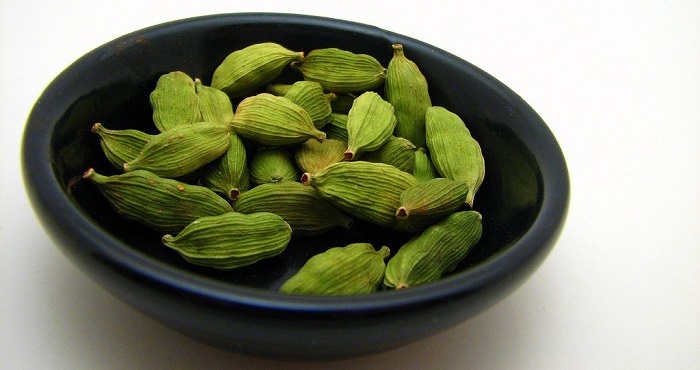
Cardamom’s unique flavor and aroma make it very popular as an addition to coffee, chai, tea, and even desserts. Cardamom is a relative of ginger and so shares many health benefits with it. The antioxidants in cardamom help protect and prevent aging of the skin, and act as an effective detoxifier, which means fewer blemishes or pimples.

Cinnamon and Cardamom Chai Tea: 

 Ingredients (8 servings)  

• 5cm (2”) cinnamon stick 

• 6 cardamom pods 

• 8 cups of almond milk 

• 1 cup of water 

• 100g (3.5oz) unpeeled turmeric root 

• 8 teaspoons of sweetener (such as honey or agave syrup) 

Preparation

• In a deep pan, mix the water with the cinnamon and cardamom. 

• Bring the water to a boil and then reduce to medium heat, and keep it going for 20 minutes.
 

Once the 20 minutes are up, let the liquid cool down for a few minutes, and then transfer the content of the pan into a blender, adding the turmeric root. Blend in short pulses until the turmeric is perfectly blended with no lumps remaining. 

• Allow the mix to cool down completely, then use a strainer to separate the liquids from the solids, pouring the liquid into a sealable jar. 

• Finally, to enjoy your delicious chai, grab a cup of almond milk and add a teaspoon of your seasoning mix as well as a teaspoon of sweetener. Mix well and serve hot or cold. The liquid in the jar has a lifespan of 1-2 weeks.


This is only for your information, kindly take the advice of your doctor for food, medicines, exercises and so on.   


Labels: , , , , , , , , , , ,

Tuesday, July 21, 2026

The anti-inflammatory foods that improved my digestion in 5 days

I’d heard the buzz around anti-inflammatory foods but I’d never paid it much attention. That changed during a five-day stay at SHA’s Rebalance & Energise programme in Cancún, Mexico, where I lived out the anti-inflammatory lifestyle in full. To my surprise, I left not only with glowing skin and a calmer gut, but with a sense of how small, consistent changes to my diet could have lasting effects. 

I had lived with digestive issues for years. Bloating, constipation, colitis and heartburn. At SHA, everything from my meals to my sleep and treatments was recalibrated. And it worked. I felt the difference almost immediately. As SHA’s expert nutritionist, Nelly Victoria Gutiérrez, told me, chronic low-grade inflammation often shows up in ways we miss.

“If you have symptoms such as persistent fatigue, digestive problems, joint pain, frequent allergies, mood swings, rosacea, acne, mental fog, or hormonal imbalances, it’s likely that your body is suffering from some inflammation,” she explained.

I arrived a little sceptical, but within five days, I noticed remarkable changes. My digestion felt smoother, my mood more stable, my skin clearer and my allergies noticeably better. At SHA, I learned that nutrition works best when supported by other habits too—consistent sleep, acupuncture, therapeutic massages and even certain in-clinic treatments all played a role. But the dietary shifts were the ones I took home. They’re the reason I still feel better long after I left.

The benefits of eating anti-inflammatory foods

According to Gutiérrez, eating anti-inflammatory foods help reduce chronic inflammation and improve overall health. Some of the key benefits include:

  1. Better digestion and immunity
  2. Hormone balance and improved metabolism
  3. More energy and mental clarity
  4. Calmer skin and joints
  5. A more diverse gut microbiome
  6. Lower risk of cardiovascular and autoimmune conditions

Reducing inflammation, she added, also supports healthy ageing by improving how cells function and lowering oxidative stress.

What to avoid on an anti-inflammatory diet

While individual plans should be personalised, some ingredients are typically left out. These include:

  1. White sugar and refined flour
  2. Ultra-processed snacks and packaged foods
  3. Artificial sweeteners and preservatives
  4. Trans fats, processed meats and conventional dairy
  5. Alcohol, soft drinks and energy drinks
  6. Excess caffeine and fast food

White bread, sugary breakfast cereals and fried snacks are also best avoided.

What breakfast looks like on an anti-inflammatory diet

At SHA, breakfast became something to look forward to. Each meal was designed to fuel the body without causing inflammation. A few options I tried:

  • Baked oats with apple, cinnamon and turmeric
  • Chia pudding with almond milk and berries
  • Rice porridge with stewed pear and almonds
  • Coconut yoghurt with plum compote and flaxseeds
  • Rice toast with avocado and arugula

Herbal teas like ginger and fennel were served alongside to support digestion and energy levels.

How long it takes to feel a difference

Gutiérrez explained that most people begin to notice changes within the first week. Digestion and energy often improve in three to seven days. Visible inflammation, such as skin breakouts or puffiness, tends to reduce in three to four weeks. Long-term benefits to immunity, hormones and metabolic health usually appear after two to three months.

I left SHA with a lighter body and a clearer mind. More importantly, I left with a better understanding of how food shapes how we feel. Anti-inflammatory foods may not be a magic fix, but they made space for a version of myself I hadn’t met in a while.


This is only for your information, kindly take the advice of your doctor for food, medicines, exercises and so on.   


Labels: , , , , , , , ,