Monday, July 27, 2026

This Natural Drink Will Keep Your Skin Young & Healthy!

In the not-so-distant past, I used many kinds of creams and lotions to keep my skin healthy and clear, but I recently discovered that the best treatment lies in my pantry, not my medicine cabinet. The best way to take care of our skin is from the inside, not the outside, and when I started drinking this delicious beverage, I saw a change almost immediately. This terrific drink is nothing more than chai with cinnamon and turmeric – a delicious cup of health, rich in health-boosting ingredients. This article will teach you why this delicious drink is so good for you, and how to make it yourself.

The health benefits of turmeric 
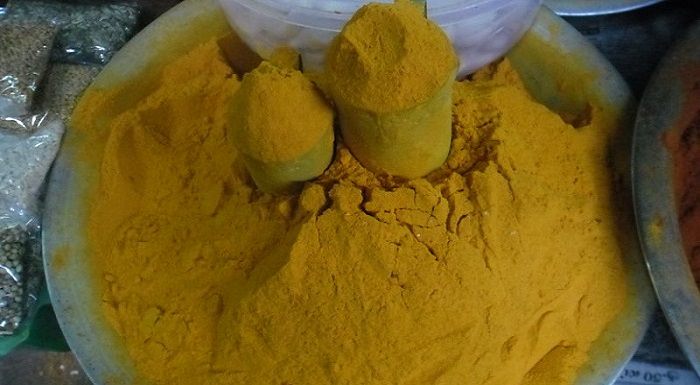
 Delicious Chai

In India, as well as in China, and even by some of the North-American natives, turmeric has been known to have many healing properties. Turmeric’s “secret” is curcumin - an active ingredient. It’s a powerful anti-inflammatory, antioxidant, and boosts the immune system. You can learn more about its many health benefits in this article, but as far as our skin is concerned, turmeric is an effective treatment for psoriasis and eczema, improves the performance of our liver, and improves the flexibility of our blood vessels, which gives the skin a shiny, healthy look.

The health benefits of cinnamon 
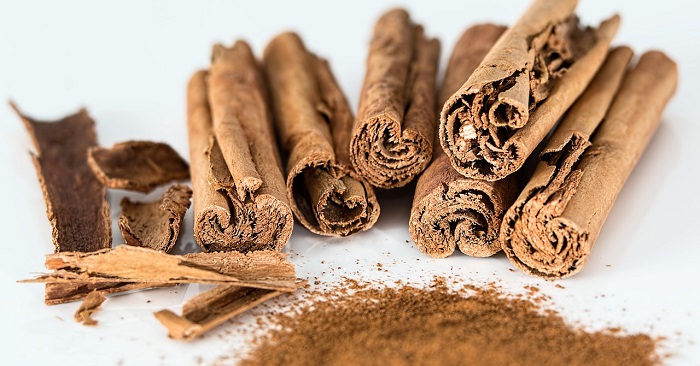
 Delicious Chai

Like other spices, cinnamon is rich in minerals and other essential ingredients, as well as large quantities of magnesium, calcium, iron, dietary fibers, potassium, phosphorous, and even some vitamins from the B, C, and K groups. Similar to turmeric, cinnamon is a powerful anti-inflammatory and can help reduce the pain from arthritis.

The health benefits of cardamom 
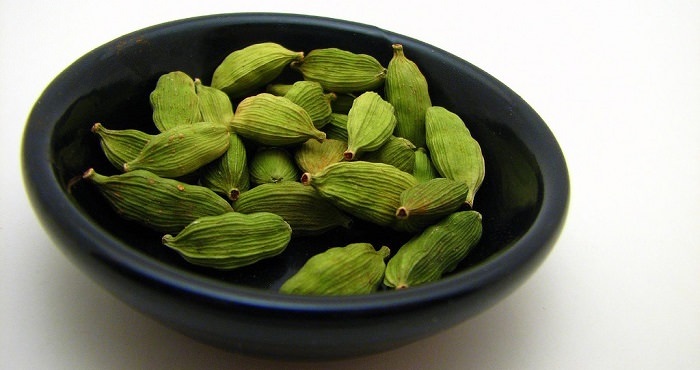
Delicious Chai 

Cardamom’s unique flavor and aroma make it very popular as an addition to coffee, chai, tea, and even desserts. Cardamom is a relative of ginger and so shares many health benefits with it. The antioxidants in cardamom help protect and prevent aging of the skin, and act as an effective detoxifier, which means fewer blemishes or pimples.

Cinnamon and Cardamom Chai Tea: 

 Ingredients (8 servings)  

• 5cm (2”) cinnamon stick 

• 6 cardamom pods 

• 8 cups of almond milk 

• 1 cup of water 

• 100g (3.5oz) unpeeled turmeric root 

• 8 teaspoons of sweetener (such as honey or agave syrup) 

Preparation

• In a deep pan, mix the water with the cinnamon and cardamom. 

• Bring the water to a boil and then reduce to medium heat, and keep it going for 20 minutes.
 

Once the 20 minutes are up, let the liquid cool down for a few minutes, and then transfer the content of the pan into a blender, adding the turmeric root. Blend in short pulses until the turmeric is perfectly blended with no lumps remaining. 

• Allow the mix to cool down completely, then use a strainer to separate the liquids from the solids, pouring the liquid into a sealable jar. 

• Finally, to enjoy your delicious chai, grab a cup of almond milk and add a teaspoon of your seasoning mix as well as a teaspoon of sweetener. Mix well and serve hot or cold. The liquid in the jar has a lifespan of 1-2 weeks.


This is only for your information, kindly take the advice of your doctor for food, medicines, exercises and so on.   


Labels: , , , , , , , , , , ,

Wednesday, January 28, 2026

Bamboo for Breakfast? Why Experts Say It Could Transform Your Metabolism

Could the next “superfood” come from the fastest-growing plant on Earth? A new systematic review led by Anglia Ruskin University suggests that bamboo shoots, long consumed in Asian cuisines, may hold untapped health potential, from metabolic regulation to antioxidant properties, if properly prepared.

Bamboo Compounds  

The study, which gathered data from 16 peer-reviewed publications, points to promising benefits such as improved blood sugar control, reduced inflammation, enhanced digestion, and cellular protection. Researchers say the time has come to examine bamboo not just as a sustainable resource, but as a functional food with overlooked global relevance.

Bamboo is already a dietary staple in countries like China and India, where it forms part of traditional meals. But despite its nutritional density and rapid cultivation cycle, its potential as a health-supporting food has remained largely absent from Western diets and food science discourse. According to findings published in Advances in Bamboo Science, this may be about to change.

The review, considered the first of its kind, analyzed both human trials and laboratory-based studies, comparing in vivo outcomes with in vitro evidence. Four human studies met inclusion criteria, totaling nearly 5,000 participants. Though limitations exist, the review sets the groundwork for more research into how bamboo products might benefit modern dietary patterns.

Metabolic Benefits and Glycemic Control

According to the authors of the review, bamboo shoots may support glycemic regulation, a key factor in managing type 2 diabetes. One included study involving 40 diabetic participants observed significantly lower blood sugar levels after consuming cookies fortified with 20 grams of bamboo shoot powder. The lowest glucose concentrations appeared within 120 minutes of intake, indicating a clear dose-response effect.

  Prisma Flow Chart. © Advances In Bamboo Science 

Another trial cited in the review found that a bamboo shoot-rich diet led to decreased total cholesterol and LDL cholesterol, as well as a lower atherogenic index. These outcomes were recorded in a small group of eight healthy women over a series of diet-controlled days. The same study noted a measurable increase in bowel movements and fecal volume, reinforcing the link between bamboo fiber and digestive function.

Researchers attribute these effects to bamboo’s high levels of dietary fiber, phytosterols, and naturally occurring vitamins and minerals, including vitamin B6, thiamine, selenium, and potassium. These compounds, they note, work collectively to modulate lipid and glucose metabolism.

Digestive Impact and Cellular Protection

Bamboo’s benefits extend beyond blood markers. Its unique composition of insoluble fibers (particularly cellulose, hemicellulose, and lignin) has shown positive effects on bowel regularity and overall gut performance. Human studies included in the review noted improvements in participants’ digestive health after regular bamboo intake.

According to a randomized clinical trial involving 34 participants, extracts derived from bamboo leaves significantly increased the excretion rate of acrylamide, a toxic compound formed during frying. The study found that women who consumed 350 mg capsules of antioxidant-rich bamboo extract eliminated acrylamide more efficiently, and showed reduced blood concentrations of acrylamide hemoglobin adducts.

At the cellular level, in vitro studies reported increased antioxidant and anti-inflammatory activity, lower cell toxicity, and enhanced cell viability after exposure to bamboo-derived compounds. One study highlighted the effect of Sasa borealis water-extract in mitigating oxidative stress in endothelial cells exposed to high glucose concentrations. These findings suggest a protective role for bamboo compounds against cellular damage linked to aging and disease progression.

Safety Concerns and Need for Proper Preparation

Despite these encouraging signs, the review also flagged potential health risks associated with improper consumption. Raw bamboo shoots from certain species contain cyanogenic glycosides, which can release cyanide during digestion. One study conducted on 4,852 schoolchildren in India identified a 31% goiter prevalence in areas where bamboo shoots were consumed frequently, despite iodized salt programs being in place.

The researchers linked this phenomenon to the goitrogenic properties of certain compounds in bamboo, including glucosinolates and thiocyanates, which may interfere with thyroid function. Animal testing confirmed enlarged thyroid glands and hormonal imbalances in rats fed uncooked bamboo shoots.

Professor Lee Smith of Anglia Ruskin University, senior author of the study, stated: “Bamboo is already commonly eaten in parts of Asia and it has huge potential to be a healthy, sustainable addition to diets worldwide – but it must be prepared correctly.” The review emphasizes that pre-boiling bamboo shoots can neutralize these harmful compounds and render them safe for human consumption.

While current data is encouraging, Smith and his co-authors caution that only four studies involving human participants met quality thresholds, calling for “additional high-quality human trials” before any firm dietary recommendations can be made. 


This is only for your information, kindly take the advice of your doctor for medicines, exercises and so on.   


Labels: , , , , , , , , , , ,