Monday, July 27, 2026

This Natural Drink Will Keep Your Skin Young & Healthy!

In the not-so-distant past, I used many kinds of creams and lotions to keep my skin healthy and clear, but I recently discovered that the best treatment lies in my pantry, not my medicine cabinet. The best way to take care of our skin is from the inside, not the outside, and when I started drinking this delicious beverage, I saw a change almost immediately. This terrific drink is nothing more than chai with cinnamon and turmeric – a delicious cup of health, rich in health-boosting ingredients. This article will teach you why this delicious drink is so good for you, and how to make it yourself.

The health benefits of turmeric 
 Delicious Chai

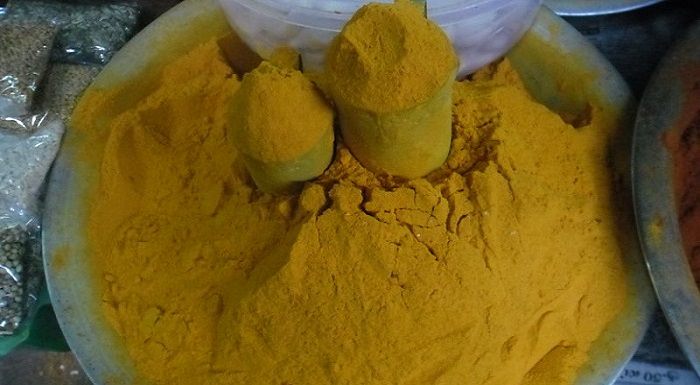
In India, as well as in China, and even by some of the North-American natives, turmeric has been known to have many healing properties. Turmeric’s “secret” is curcumin - an active ingredient. It’s a powerful anti-inflammatory, antioxidant, and boosts the immune system. You can learn more about its many health benefits in this article, but as far as our skin is concerned, turmeric is an effective treatment for psoriasis and eczema, improves the performance of our liver, and improves the flexibility of our blood vessels, which gives the skin a shiny, healthy look.

The health benefits of cinnamon 

 Delicious Chai

Like other spices, cinnamon is rich in minerals and other essential ingredients, as well as large quantities of magnesium, calcium, iron, dietary fibers, potassium, phosphorous, and even some vitamins from the B, C, and K groups. Similar to turmeric, cinnamon is a powerful anti-inflammatory and can help reduce the pain from arthritis.

The health benefits of cardamom 
Delicious Chai 

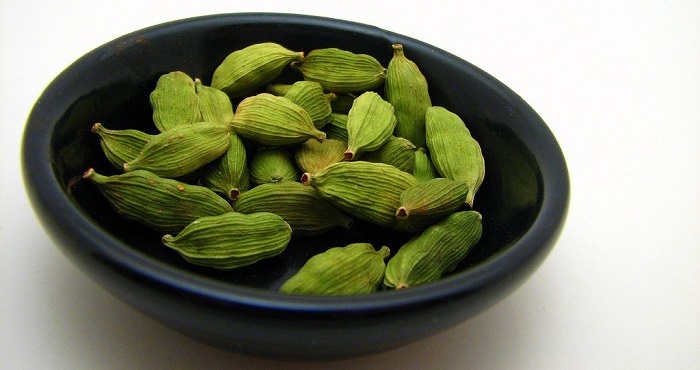
Cardamom’s unique flavor and aroma make it very popular as an addition to coffee, chai, tea, and even desserts. Cardamom is a relative of ginger and so shares many health benefits with it. The antioxidants in cardamom help protect and prevent aging of the skin, and act as an effective detoxifier, which means fewer blemishes or pimples.

Cinnamon and Cardamom Chai Tea: 

 Ingredients (8 servings)  

• 5cm (2”) cinnamon stick 

• 6 cardamom pods 

• 8 cups of almond milk 

• 1 cup of water 

• 100g (3.5oz) unpeeled turmeric root 

• 8 teaspoons of sweetener (such as honey or agave syrup) 

Preparation

• In a deep pan, mix the water with the cinnamon and cardamom. 

• Bring the water to a boil and then reduce to medium heat, and keep it going for 20 minutes.
 

Once the 20 minutes are up, let the liquid cool down for a few minutes, and then transfer the content of the pan into a blender, adding the turmeric root. Blend in short pulses until the turmeric is perfectly blended with no lumps remaining. 

• Allow the mix to cool down completely, then use a strainer to separate the liquids from the solids, pouring the liquid into a sealable jar. 

• Finally, to enjoy your delicious chai, grab a cup of almond milk and add a teaspoon of your seasoning mix as well as a teaspoon of sweetener. Mix well and serve hot or cold. The liquid in the jar has a lifespan of 1-2 weeks.


This is only for your information, kindly take the advice of your doctor for food, medicines, exercises and so on.   


Labels: , , , , , , , , , , ,

Monday, July 15, 2024

Here's Why You Should Add Mustard Leaves to Your Diet

Mustard greens are the edible leaves of the mustard plant, known for their brilliant green color and peppery flavor. These healthy leafy greens are packed with vitamins, minerals, and antioxidants, offering a variety of health benefits. They are widely used in cooking, both raw in salads and cooked in a variety of dishes, such as stir-fries, soups, and stews. Mustard greens are valued for their ability to add depth of flavor and nutritional value to meals, and they are particularly appreciated for their high fiber content, which supports digestive health.

Nutritional Value of Mustard Greens
mustard greens
 
As per the USDA, around 100 grams of mustard greens per serving contain:

Energy: 27 kcal
Water: 90.7 g 
Protein: 2.86 g 
Fat: 0.42 g 
Carbohydrate: 4.67 g 
Fiber: 3.2 g 
Potassium: 384 mg 
Phosphorus: 58 mg 
Magnesium: 32 mg 
Calcium: 115 mg 
Sodium: 20 mg 
 Iron: 1.64 mg 
Zinc: 0.25 mg 
Vitamin C: 70 mg 
Vitamin A: 151 mg 
Vitamin K: 258 mg 
 
Health Benefits of Consuming Mustard Greens

1. Promotes Heart Health  
According to a comprehensive review of eight studies, increasing the consumption of green leafy vegetables, such as mustard greens, could potentially decrease the risk of cardiovascular disease by 15.8%. Additionally, these vegetables provide healthier alternatives to starchy or empty-calorie foods by regulating blood sugar levels and helping to manage weight. 
 
2. Improves Bone Health
Mustard greens are an excellent source of vitamin K, an essential fat-soluble component that supports healthy bones. Low vitamin D levels can increase the likelihood of developing osteoporosis, a disorder characterized by weakened and reduced bone mass. 
 
3. Potential Immunity Booster 
Since mustard greens are high in vitamin C, which is essential for maintaining a strong defense system, they help boost the immune system. Studies show how essential a sufficient intake of vitamin C is for preserving immune function and lowering the risk of infections.

4. Improves Eye Health Mustard greens contain lutein and zeaxanthin, antioxidants known to enhance eye health. Research suggests that including foods high in zeaxanthin and lutein in your diet may lower your risk of developing age-related macular degeneration, a leading cause of blindness globally. These antioxidants are essential for protecting the retina from oxidative damage and blocking blue light. 
 
 
5. Loaded with Antioxidants
Antioxidants, bioactive compounds found in plants, act as a defense mechanism against oxidative stress caused by excess free radicals. Free radicals are extremely reactive chemicals that can cause harm to cells. Research shows that extended exposure to free radicals could be a factor in the development of serious chronic illnesses like Alzheimer's disease, cancer, and cardiovascular disease. Antioxidants found in mustard greens, such as lutein, vitamin C, and flavonoids, actively combat free radical damage and prevent many chronic disorders.

Mustard Greens: Usage and Storage
mustard leaves

Raw mustard greens add a peppery, spicy flavor to salads and are often blended with other mixed greens. Some people also enjoy adding them to smoothies and other green drinks. 
 
Cooked mustard greens are delicious in stews, soups, casseroles, and as a side dish for baked fish or roasted chicken. 
 
To counterbalance their strong flavor, prepare these greens with a source of fat, such as butter or olive oil, and add some vinegar or lemon juice. 
 
Mustard greens can also be pickled with salt, vinegar, chilies, and garlic. 
 
Always wash and store mustard greens in the refrigerator, regardless of the purpose. 
 
While mustard greens thrive in cooler weather, they are usually available year-round in supermarkets. 
 
These nutritious leafy greens are commonly available in the produce area of many grocery shops, with fresh, vibrant green leaves and few imperfections. 
 
However, due to their high levels of vitamin K and oxalates, consuming large amounts may have adverse effects on people who are using blood thinners or are at risk of developing these types of kidney stones.


This is only for your information, kindly take the advice of your doctor for medicines, exercises and so on.   

https://gscrochetdesigns.blogspot.com. one can see my crochet creations  
https://gseasyrecipes.blogspot.com. feel free to view for easy, simple and healthy recipes    
https://kneereplacement-stickclub.blogspot.com. for info on knee replacement
https://cancersupportindia.blogspot.com  for infor on cancer and health related topics
https://GSiyers home remedies.blogspot.com   is the latest addition to my blogs. I'm going to add posts there, do give me your valuable feed back on my blogs. Thanks a lot, take care, be healthy and be happy.

Labels: , , , , , , , , , , , ,

Wednesday, June 26, 2024

Sage: The Herb With Bountiful Health Benefits

Sage, commonly known as garden sage and scientifically referred to as Salvia officinalis, is a popular herb with many culinary uses. It belongs to the mint family, which includes herbs such as oregano, rosemary, basil, and thyme. Sage has a strong aroma and a distinctive earthy flavor. Its potent scent and taste make it an excellent choice for seasoning and garnishing dishes that require a zesty kick. Despite being used in small amounts, sage contains various essential minerals and nutrients that offer several health benefits.
 Sage: The Herb With Bountiful Health Benefits
 
1. Packed with several nutrients
Sage is packed with an abundance of vital nutrients, such as vitamins A, E, B1, B6, C, and K, along with a variety of minerals like calcium, magnesium, iron, copper, phosphorus, potassium, sodium, zinc, niacin, thiamine, and folate. Moreover, it boasts a plethora of antioxidants, flavonoids, and active compounds such as cineole, borneol, and thujone, that are essential for making sage oil—a potent remedy for various ailments, particularly neural issues. This aromatic herb also contains caffeic acid, chlorogenic acid, rosmarinic acid, ellagic acid, and rutin, all of which contribute to its numerous health benefits.


2. Great for oral health
In 2015, researchers confirmed the effectiveness of sage-based mouthwash in eliminating Streptococcus mutans bacteria, which are notorious for their role in tooth cavities. Similarly, a 2021 study looked into the use of sage-based mouthwash in late-stage cancer patients and found a significant reduction in dental plaque among those who used sage. Interestingly, the group that used regular saline mouthwash also saw a decrease in plaque. Furthermore, a test-tube research found that sage extract successfully removed oral germs while inhibiting the growth of Candida albicans, a fungus associated with cavities. 
 
 
3. Improves memory and brain health
Sage has long been regarded as a time-tested remedy for improving brain function. Its high antioxidant content has been related to improved memory, attention, concentration, calmness, and alertness. Several studies have shown the beneficial effects of regular sage consumption on memory, thinking, problem-solving, and overall cognitive ability. It is therefore considered a powerful cognitive enhancer with significant benefits when treating diseases such as Alzheimer's disease and other psychoses.


4. Lowers  LDL cholesterol
Elevated levels of "bad" LDL cholesterol raise the risk of heart disease, which affects more than 40% of people worldwide. High blood cholesterol increases the risk of heart disease, the leading cause of death, and stroke, the fifth leading cause of death. Sage has been shown to be effective in lowering "bad" LDL cholesterol levels, which build up in artery walls and could cause cardiovascular disease in the future. Research has also found that drinking sage tea twice a day reduced "bad" LDL cholesterol and total blood cholesterol levels while increasing "good" HDL cholesterol levels in just two weeks. Several other human studies confirmed similar findings, highlighting the potential benefits of sage extract.

 
5. Manage diabetes
Common sage leaves have been traditionally used as a remedy for managing diabetes. Evidence from human and animal research shows that sage's active components are particularly beneficial in diabetes treatment since they reduce sugar release into the system while also increasing insulin levels. Furthermore, it effectively converts carbohydrates into energy while alleviating symptoms like frequent urination and thirst. Studies have shown that drinking sage leaf infusion regularly reduces blood sugar levels. 
 
 
6. It’s great for sore throats
The European Scientific Cooperative on Phytotherapy (ESCOP) suggests sage leaf as a remedy for reducing inflammation and treating infections in the mouth and throat. Sage has other oral health benefits, such as helping control gingivitis, sore throats, and gastritis. In clinical trials, sage throat spray was found to greatly reduce the discomfort of acute sore throats.


How to add sage to your diet
Sage can be found in a variety of forms and is versatile in the kitchen. Fresh sage leaves have a strong, fragrant flavor and are most effective when used in moderation in culinary preparations. Here are a few ways to include fresh sage in your culinary routine: 
 
 Use it as a garnish for soups. 
 
Mix chopped sage leaves into the stuffing for roast dishes. 
 
Enhance the flavor of tomato sauce by adding chopped sage leaves during cooking. 
 
Boost the taste of roast dishes by mixing finely chopped sage leaves into the stuffing mixture. 
 
Experiment with sage in breakfast dishes by adding chopped leaves to omelets or scrambled eggs. 
 
Combine finely chopped sage leaves with softened butter to create savory sage butter. Spread it on bread, melt it over vegetables, or use it to baste meats for an infusion of rich, herby flavor.


This is only for your information, kindly take the advice of your doctor for medicines, exercises and so on.   

https://gscrochetdesigns.blogspot.com. one can see my crochet creations  
https://gseasyrecipes.blogspot.com. feel free to view for easy, simple and healthy recipes    
https://kneereplacement-stickclub.blogspot.com. for info on knee replacement
https://cancersupportindia.blogspot.com  for infor on cancer and health related topics
https://GSiyers home remedies.blogspot.com   is the latest addition to my blogs. I'm going to add posts there, do give me your valuable feed back on my blogs. Thanks a lot, take care, be healthy and be happy.

Labels: , , , , , , , , , , , , , , , ,

Thursday, January 13, 2022

Eat Cloves Daily to Enjoy These Great Health Benefits

Cloves are a pungent spice that is native to Asian countries like Indonesia, India, Pakistan, and even parts of East Africa. Made from the flower buds of an evergreen tree called the clove tree (Syzygium aromaticum), cloves have been used in India and China for over 2,000 years as a spice both to check tooth decay and to counter bad breath. 
 
Cloves have a strong and flavorful aroma and are often used in a number of savory dishes, desserts, and drinks. It’s an important spice that gives many dishes that extra kick. In fact, ground cloves are often used to spice up curries and season meats and are also used to enhance the flavor of many sauces and spiced baked goods. 
 
However, are you aware that cloves have many medicinal virtues as well? In fact, having cloves on a daily basis can be really advantageous to your body. Find out how.

1. They are chock-a-bloc with vital nutrients
 Health Benefits of Cloves, nutrients 
Cloves are loaded with fiber, vitamins C, and vitamin K, along with various other minerals. According to the USDA Food Data Central, some of the nutrients found in cloves are carbohydrates, protein, energy, and dietary fiber. They also contain minerals such as potassium, calcium, sodium, and magnesium. Cloves are a great source of beta-carotene, a nutrient too that the body readily converts into vitamin A. 
 
Thus, including cloves in your diet will only help improve your overall health. 
 
2. They are high in antioxidants
Cloves are full of antioxidants, compounds that help protect your cells against free radicals. Free radicals are molecules that are produced when your body breaks down food. They can damage the body’s cells and even cause many diseases. Antioxidants, however, can help reduce oxidative stress which is described as harmful as it’s an imbalance between free radicals and antioxidants in your body. 
 
Furthermore, the active ingredient in cloves is eugenol, a compound that is known to act as a natural antioxidant and can even help lessen signs of liver cirrhosis and fatty liver disease.  
 
3. Aid in good digestion
Cloves have been used in several traditional medicinal cultures to cure different stomach issues. According to the book ‘Herbs that Heal: Natural Remedies for Good Health’, cloves promote enzymatic flow and boost digestive functioning. They are even used in various forms of gastric irritability and dyspepsia. Moreover, licking the powder of fried cloves mixed with honey is known to be quite effective in controlling vomiting. This is because the anesthetic action of cloves numbs the gullet and stomach and hence stops the vomiting.
 
4. Helps improve dental health
Clove bud extracts are known to help control the growth of oral pathogens that can cause different oral diseases. According to a study, cloves can also be taken for a reduction in gum diseases such as gingivitis and periodontitis. Because of its antiseptic properties, it helps to decrease any oral infection.

Clove is great for decreasing toothache as well. Just place one piece of clove in your mouth and gently start chewing it. If the toothache is too severe, then crush some cloves and rub the powder on the affected area. You can also use clove oil and apply it to a cavity in a decayed tooth to help relieve pain.


5. Fights inflammation
Evidence suggests that cloves may have anti-inflammatory properties and can also relieve the pain associated with arthritic inflammation. Eugenol, the active ingredient in cloves, has been shown to reduce the inflammatory response in the body. It has been particularly helpful in reducing the symptoms related to diseases such as arthritis. 
 
You can add two to four whole cloves to a bowl of warm soup or add them to your morning smoothie to boost its anti-inflammatory effects.

6. May help reduce stomach ulcers
As we have already mentioned above, cloves have anesthetic properties and can be helpful to treat various forms of gastric irritability. Research shows that some compounds found in cloves can also help treat stomach ulcers. The essential oil from cloves has been shown to increase the production of gastric mucus that helps prevent erosion of the stomach lining from digestive acids. This hence protects the stomach lining from developing any sort of ulcers. 
 
Another study in animals found that clove extract helped treat stomach ulcers and showed effects similar to anti-ulcer medications. 
 
7. They are great to fight off a headache
 Health Benefits of Cloves, headache
Clove has cooling and relieving properties that can be great for fighting off headaches. If the headache is too intense, then make a paste of clove and salt crystals and have it with milk. Alternatively, you can also crush some cloves and put them in a handkerchief. Keep inhaling it every few minutes and you should get some relief in a short while. Another trick that might help is to add some clove oil to the crushed powder and then rub it gently on your forehead.

8. They are good for your liver health
As we have mentioned, cloves contain high amounts of antioxidants. These antioxidants are great for protecting the liver because of their ability to help decrease oxidative stress. Moreover, the compound eugenol found in cloves has been found to be particularly beneficial for the liver. Some trials have found that eugenol helps reduce signs of liver cirrhosis and fatty liver disease. 
 
That being said, eugenol is toxic in high amounts and hence we shouldn’t consume too many cloves at the same time as that might have an adverse effect on the liver.


This is only for your information, kindly take the advice of your doctor for medicines, exercises and so on.   

https://gscrochetdesigns.blogspot.com. one can see my crochet creations  
https://gseasyrecipes.blogspot.com. feel free to view for easy, simple and healthy recipes    
https://kneereplacement-stickclub.blogspot.com. for info on knee replacement


Labels: , , , , , , , , , , , , ,