Friday, October 24, 2025

Sage: The Herb With Bountiful Health Benefits

 Sage, commonly known as garden sage and scientifically referred to as Salvia officinalis, is a popular herb with many culinary uses. It belongs to the mint family, which includes herbs such as oregano, rosemary, basil, and thyme. 

Sage has a strong aroma and a distinctive earthy flavor. Its potent scent and taste make it an excellent choice for seasoning and garnishing dishes that require a zesty kick. Despite being used in small amounts, sage contains various essential minerals and nutrients that offer several health benefits. 
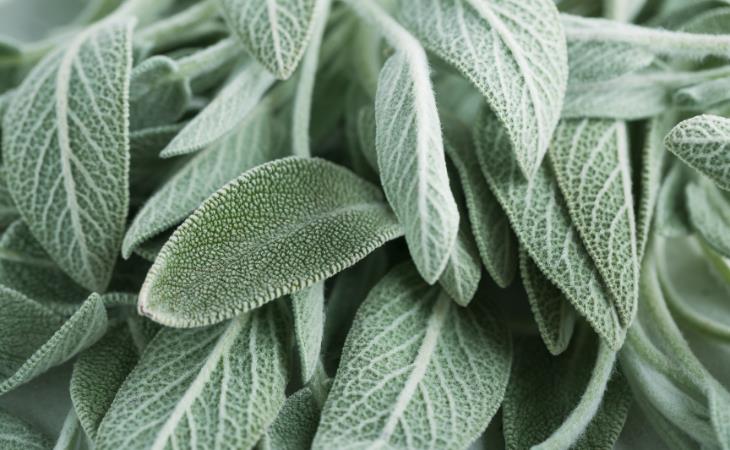
 Sage: The Herb With Bountiful Health Benefits

1. Packed with several nutrients

Sage is packed with an abundance of vital nutrients, such as vitamins A, E, B1, B6, C, and K, along with a variety of minerals like calcium, magnesium, iron, copper, phosphorus, potassium, sodium, zinc, niacin, thiamine, and folate. Moreover, it boasts a plethora of antioxidants, flavonoids, and active compounds such as cineole, borneol, and thujone, that are essential for making sage oil—a potent remedy for various ailments, particularly neural issues. This aromatic herb also contains caffeic acid, chlorogenic acid, rosmarinic acid, ellagic acid, and rutin, all of which contribute to its numerous health benefits.

2. Great for oral health
 
In 2015, researchers confirmed the effectiveness of sage-based mouthwash in eliminating Streptococcus mutans bacteria, which are notorious for their role in tooth cavities. Similarly, a 2021 study looked into the use of sage-based mouthwash in late-stage cancer patients and found a significant reduction in dental plaque among those who used sage. Interestingly, the group that used regular saline mouthwash also saw a decrease in plaque. Furthermore, a test-tube research found that sage extract successfully removed oral germs while inhibiting the growth of Candida albicans, a fungus associated with cavities.
 
3. Improves memory and brain health

Sage has long been regarded as a time-tested remedy for improving brain function. Its high antioxidant content has been related to improved memory, attention, concentration, calmness, and alertness. Several studies have shown the beneficial effects of regular sage consumption on memory, thinking, problem-solving, and overall cognitive ability. It is therefore considered a powerful cognitive enhancer with significant benefits when treating diseases such as Alzheimer's disease and other psychoses.

4. Lowers LDL cholesterol
 
Elevated levels of "bad" LDL cholesterol raise the risk of heart disease, which affects more than 40% of people worldwide. High blood cholesterol increases the risk of heart disease, the leading cause of death, and stroke, the fifth leading cause of death. Sage has been shown to be effective in lowering "bad" LDL cholesterol levels, which build up in artery walls and could cause cardiovascular disease in the future. Research has also found that drinking sage tea twice a day reduced "bad" LDL cholesterol and total blood cholesterol levels while increasing "good" HDL cholesterol levels in just two weeks. Several other human studies confirmed similar findings, highlighting the potential benefits of sage extract.

5. Manage diabetes
 
Common sage leaves have been traditionally used as a remedy for managing diabetes. Evidence from human and animal research shows that sage's active components are particularly beneficial in diabetes treatment since they reduce sugar release into the system while also increasing insulin levels. Furthermore, it effectively converts carbohydrates into energy while alleviating symptoms like frequent urination and thirst. Studies have shown that drinking sage leaf infusion regularly reduces blood sugar levels. 
 
6. It’s great for sore throats

The European Scientific Cooperative on Phytotherapy (ESCOP) suggests sage leaf as a remedy for reducing inflammation and treating infections in the mouth and throat. Sage has other oral health benefits, such as helping control gingivitis, sore throats, and gastritis. In clinical trials, sage throat spray was found to greatly reduce the discomfort of acute sore throats.

How to add Sage to your Diet
 
Sage can be found in a variety of forms and is versatile in the kitchen. Fresh sage leaves have a strong, fragrant flavor and are most effective when used in moderation in culinary preparations. Here are a few ways to include fresh sage in your culinary routine: 
 
Use it as a garnish for soups. 
 
Mix chopped sage leaves into the stuffing for roast dishes. 
 
Enhance the flavor of tomato sauce by adding chopped sage leaves during cooking. 
 
Boost the taste of roast dishes by mixing finely chopped sage leaves into the stuffing mixture. 
 
Experiment with sage in breakfast dishes by adding chopped leaves to omelets or scrambled eggs. 
 
Combine finely chopped sage leaves with softened butter to create savory sage butter. Spread it on bread, melt it over vegetables, or use it to baste meats for an infusion of rich, herby flavor.


This is only for your information, kindly take the advice of your doctor for medicines, exercises and so on.   


Labels: , , , , , , , , , , , , , , , , , ,

Tuesday, October 07, 2025

Pancreatic Cancer clues could be hiding in plain sight — in your mouth. Read what study says

A recent study established a link between poor oral health and pancreatic cancer risk by identifying 27 species of bacteria and fungi that may contribute to the disease. Conducted by NYU researchers, the study analysed saliva samples from 122,000 adults.

A recent study published in JAMA Oncology made a disturbing revelation about how certain bacteria and fungi in mouth can significantly increase risk of pancreatic cancer by three-fold. According to the new research, conducted by NYU Langone Health and Perlmutter Cancer Center, a total of 27 types of bacterial and fungal species were identified in the mouth’s microbiome that may contribute to the one of the deadliest cancers.

"Altogether, we summarized the effects of these 27 microbial species by creating a risk score that combines each species’ effect size and abundance," co-senior study author and professor of population health at NYU Grossman School of Medicine, Jiyoung Ahn, informed Fox News Digital. He added, "Using this approach, we found that individuals with higher scores had a 3.5-fold increased risk of developing pancreatic cancer."

How is poor oral health linked to pancreatic cancer?

Around 122,000 healthy adults were surveyed whose saliva samples were collected and analysed. These individuals were followed for nine years. Oral microbiota found in 445 patients, who developed pancreatic cancer, were compared with that of 445 randomly selected cancer-free participants.

The investigators considered factors such as medical history, smoking habits, race and age during the study. The findings revealed 24 species of bacteria and fungi that were associated with an increased or lowered risk of pancreatic cancer. Meanwhile, it was observed that three more bacteria were linked to both gum disease and pancreatic cancer.

According to Jiyoung Ahn, who is also an associate director for population science at NYU Perlmutter Cancer Center, Oral microbiome profiling could serve as a non-invasive biomarker to identify individuals at elevated risk. These vulnerable individuals can be treated through early detection methods for pancreatic cancer.

This study established the connection between poor oral health and pancreatic cancer with respect to specific species of bacteria that are potential culprits. Hence, good oral health is not only important to wade off caries and bad breath but also significantly impacts overall systemic health, making regular brushing, flossing and dental care a must.

Shedding light on the findings, spokesperson for the American Dental Association, Kumar, who was not involved in the study, said, "We cannot separate the oral cavity or oral diseases from diseases that happen elsewhere in the body," Fox News Digital reported.

I know a man who had very poor oral health, when he went to doctor with pain in head, he was diagnosed with brain cancer and died within a few days. Please be careful with all oral issues, get it checked whenever there's a doubt. Prevention is better than cure. Good luck to all. Whenever you've dental appointments, ask your dentist to take a good look of your entire mouth, any red/ white spots, any cuts, any difference in colour in your gums and so on.

Good luck to all for good health and happiness. 


This is only for your information, kindly take the advice of your doctor for medicines, exercises and so on.   


Labels: , , ,

Tuesday, September 16, 2025

Here's Why You Must Make Sure You Get Enough Vitamin B12!

Getting the proper amount of B vitamins is essential to your overall health, and vitamin B12 is one that benefits your whole body. Below you’ll find 8 ways in which this essential vitamin benefits your body. 
 
1. Improved Heart Health

Vitamin B12’s role in promoting heart health often gets overlooked, but it’s essential. Vitamin B12, B6, and folic acid work together to help reduce homocysteine, which is a protein that can build up in the blood and damage arterial walls. Thus playing a role in heart disease.

2. Healthy Nervous System
Vitamin B12 benefits your nervous system directly and helps to keep it in tip-top shape. When this vitamin is in short supply, you might develop annoying pins and needles in your extremities and/or numbness in your hands, legs, or feet. 
 
Vitamin B12 helps to produce the fatty sheath that surrounds and protects your nerves. When you are deficient in it, your nerve cells cannot function properly. 
 
3. Your Ability to Walk and Move
Tingling and numbness might be one of the first signs of B12-related nerve damage, but if it continues unaddressed, it can alter the way that you move. This can sometimes affect your balance, making you more likely to fall over. 
 
4. Your Oral Health 
There are many signs that your tongue can reveal about your health, and a B12 deficiency is one of them. A mild deficiency can trigger tongue inflammation. This painful condition can affect how you speak and eat. Your tongue may be red and swollen or look smooth since the tiny bumps that contain your taste buds stretch out and disappear. 
 
5. Your Eyesight
Another vital function vitamin B12 benefits is our vision, and a deficiency is typically related to nervous system damage that affects the optic nerve. The best defense is a good offense. Vitamin B12 can be found in animal foods such as meat, poultry, fish, and dairy products. If you don’t eat animal foods, you can get vitamin B12 from fortified foods or a supplement.


6. Your Memory  
Some research has suggested that a vitamin B12 deficiency is linked to dementia and memory issues, but it’s not clear whether supplements might help. The potential link might be a result of high levels of homocysteine in the blood, but it’s too early to draw any firm conclusions. 
 
 
7. Your Gut Health 
Everyone knows that eating enough fiber and drinking enough water are vital to healthy bowel movements, but a vitamin B12 deficiency can also cause constipation, diarrhea, loss of appetite, and weight loss. The exact mechanism through which a B12 deficiency causes GI issues is still unknown. 
 
8. Your Glow 
People with a vitamin B12 deficiency often look pale or have slightly yellow skin. Glitches in your body’s red blood cell production affect the size and strength of these cells. They might be too big to travel through your body, resulting in pale skin. If they’re too fragile, they might break down and cause an excess of bilirubin, which results in an orange-yellow skin tone.


This is only for your information, kindly take the advice of your doctor for medicines, exercises and so on.   

https://gscrochetdesigns.blogspot.com. one can see my crochet creations  
https://gseasyrecipes.blogspot.com. feel free to view for easy, simple and healthy recipes    
https://kneereplacement-stickclub.blogspot.com. for info on knee replacement
https://GSiyers home remedies.blogspot.com   is the latest addition to my blogs


Labels: , , , , , , , , , ,

Friday, August 08, 2025

43 Unheard Uses For Orange Peels

Most people love to eat citrus fruits from time to time, with oranges being a particular favorite. This means that your hands will certainly smell of orange rinds every once in a while, and a lot of peels will end up being thrown in the trash. This is a big shame, since there are loads of unique uses for orange rinds that you may not have thought of! Keep reading to discover 45 fantastic uses for orange peels.

Health Benefits 
 
1. Lowers Blood Pressure
Orange Peel Uses and Tips: orange peel
Orange rinds can be used to lower blood pressure. They have been a part of Chinese herbal medicines for thousands of years for this purpose. 
 
2. Suppresses Depression and Anxiety 
 Orange oil can be used to naturally relieve anxiety and depression by taking a bath or rubbing just a bit on the temple and forehead area. 
 
3. Improves Heart Health 
Orange peel contains a compound called nobiletin, which has been found to lower a person's risk of inflammation and heart disease. 
 
4. Lowers Bad Cholesterol 
The nobiletin present in orange peel also exerts a positive influence on your health by lowering levels of LDL cholesterol (bad cholesterol) in the body. 
 
5. Aids in Weight Loss
Since orange peel is low in calories and high in fiber, it is very useful in preventing you from exceeding your recommended daily calorie intake. It also forms adipose tissue, which helps to prevent obesity. 
 
6. Eases Respiratory Issues 
Consuming orange peel results in your lungs being cleansed, since it helps to break down and expel any trapped phlegm. 
 
7. Protects You From Cancer 
 Research shows that eating orange peel can protect you from a number of different cancers including breast cancer, skin cancer, and colorectal cancer. 
 
8. Prevents Digestive Issues The non-soluble polysaccharides found in orange peel help prevent constipation, heartburn, nausea, and excess acid forming from in the stomach. 
 
9. Improves Oral Health 
Rub an orange peel against the inside of your mouth and teeth to freshen up your breath, whiten your teeth, and even reduce their sensitivity. 
 
10. Gets Rid of a Hangover 
 If you overdid it last night, you can ease today's struggle by mixing salt and orange peel in some boiling water for around 20 minutes. Once it cools, you should drink the whole concoction to help reduce the effects of your hangover.

Beauty Treatments & Applications 
 
11. Natural Skin Bleaching

The Vitamin C that orange peels contain helps to lighten dark spots and blemishes on the skin. Simply rub the skin right onto your skin or mash it into a paste instead.

12. Body Scrub 
 
Wrap up some orange peels in gauze pads and rub them on your skin while you are in the shower. The scrub will brighten your skin and give it a great smell. 
 
13. Bath Oil 
 
Extract the oil from the orange peels by grinding up the peels and fermenting them with vodka or alcohol for about 3 days. Strain the oil and add a few drops to your bath. Orange oil is known for its anti-inflammatory properties as well as its ability to improve skin tone and texture. 
 
14. Bath Powder 
You can also add orange peels to your bath in powder form instead. Simply dry out the orange peels completely and then grind them down to powder in the food processor, then sprinkle only a bit in your bath. 
 
15. Glowing Skin Application

To get skin that is glowing and healthy-looking, simply crush some orange peel powder, dried neem leaves, pomegranate peel and lemon juice, and mix it all together. When the concoction has set, simply rub it into your skin, and sit back and admire the results. 
 
16. Face Mask  
 
You can make an orange face mask by mixing equal proportions of milk and orange powder together until you've got a thick paste. When it's ready, apply it to your face and wash it off after about half an hour. This mask will remove dead skin cells and excess oil from your face. 
 
17. Hair Care 
Add crushed orange peel to some water and leave it there overnight. From the following day, you'll be able to add this mixture to your hair to help rid yourself of dandruff, while cleaning and conditioning your hair at the same time. 
 
18. Lip Balm 
To make orange peel lip balm, first, you'll need to add some almond oil, and an equal amount of sugar and orange peel powder to a bowl. Mix it together and let it set before applying to your lips. 
 
Cleaning Uses 
 
19. Citrus Cleaner
Orange Peels cleaning uses and tips: citrus cleaner

You can make your own citrus cleaner by infusing vinegar with orange peels and a bit of boiling water. Trust us, it works wonders!

20. Create a Natural Sponge 
Orange peels can be used as a sponge too! Before the peel completely dries out, it contains a number of essential oils that are helpful in degreasing surfaces as well as pots and pans. If your sink or counter is full of grease, use an orange peel to scrub it down. 
 
21. Deodorizer 
It's no secret that the smell of a freshly peeled orange can clear out a room. Place the peels at the bottom of your garbage bin, or hang them from a string in your bathroom for a constant fresh scent. 
 
22. Garbage Disposal Cleaner 
A great way to clean out your garbage disposal is by putting orange peels down the disposal. Place them in the disposal and run it until clear, then run some water down after it. The citrus will get rid of any scents coming from the disposal. 
 
23. Air Freshener
Boil orange peels in hot water to help freshen the air in the kitchen. You can also add a cinnamon stick or mint into the mix if you want to recreate the smell of air fresheners. If you have a fire going at home, place a paper bag filled with dried orange peels into the fire and your house will smell wonderful. 
 
24. Refrigerator Deodorizer 
Orange is also an excellent deodorizer for your refrigerator. Cut an orange in half and remove the fruit from the inside (eat it!). Then, fill up half the orange with salt and put it in a small bowl in your refrigerator for up to a week or two. 
 
25. Shine Wood  
You can use the white underside of an orange peel to breathe new life into dull-looking wooden furniture. Simply rub it onto any wooden surface, and give it a rinse with a damp cloth when you're done. 
 
26. Freshen Up Smelly Shoes 
Place some dry orange peels into small sachets, and then place them into the worst offenders on your shoe rack. The peel will absorb the odors naturally, making your life more pleasant and fragrant!

DIY Projects 
 
27. Orange Peel Candle
Orange Peel Uses and Tips: orange peel candle

Make a candle at home with orange peels infused inside. Simply add finely shredded pieces of orange peel to the wax and other ingredients to make your home smell fresh and fruity! 
 
28. Topiary Tree 
Make your own topiary tree with orange peels for a fantastic smelling piece of home decor. With enough effort, it will look amazing, too!

29. Make a Bird Feeder  
To make a natural bird feeder that birds will love, cut an orange in half and remove the fruit. Take the orange half and poke 3 evenly spaced holes near the cut section of the peel. There, attach a sturdy piece of string and hang it from a tree. Fill the empty orange peel with birdseed and wait for your flying visitors to pile in! 
 
30. Orange Peel Boats  
Here's an idea that kids will certainly love! Cut an orange in half, remove the fruit and use the halves as little boats in the bathtub or out on the lake! 
 
31. Orange Peel Jewelry 
Make fragrant and fun jewelry with the little princesses you know, entirely out of orange peels! This activity is a perfect way to get kids to love fruit! 
 
Natural Repellents 
 
32. Mosquito Repellent

If you are looking for a natural way to repel mosquitos, take fresh orange peels and rub them all over your skin. The citrus smell will repel the mosquitos. 
 
33. Slug Repellent 
If you have a slug problem in your garden, try spreading some orange peels on top of the soil to keep them at bay. 
 
34. Ant Repellent 
Place orange peels in problem areas of your house where you usually experience an ant problem. Orange oil can also be used instead of peels.

35. Keep Cats Away  
If you want to keep stray cats away from your home, place orange peels outside. If you have a cat at home that tends to get into things it shouldn't, you can rub the peels or place them (or rub orange oil) near the dear things in your home (like your sofa). 
 
Recipes & Cooking 
 
36. Orange Zest

This is probably the most self-explanatory of all the uses for orange peels. Zesting an orange peel with a zester is a great way to add a sweet and tangy taste to your meat marinades or favorite baked goods. Orange zest can even taste great in your morning cup of coffee or afternoon cup of tea! 
 
37. Make Orange Peels Dipped in Chocolate 
A wonderful delicacy, candied orange peels are a popular after-meal snack in a number of European cultures, and they are quite easy to make too! Just melt some chocolate and cover one or all sides in a sugared orange peel. 
 
38. Make Orange Peel Candy 
  Candied orange peels are made by boiling a dried orange peel in sugar for about an hour. You can then cover them in chocolate as mentioned above, or roll them around in sugar for an even sweeter taste! 
 
39. Orange Peel-Infused Olive Oil  
If you want to give your salads a kick, place one dried orange peel in your olive oil to make your greens all the more zesty and exciting! 
 
40. Make Orange Tea
No need for tea bags here! Dry out a few orange peels and place them in hot water next time you are craving a warm 'orangey' beverage. Orange tea is also great for when you are feeling congested - the citrus will open up your sinuses. Add cinnamon sticks and aniseed stars to give it a spicy kick! 
 
Other uses
 
41. Making Compost 
 Orange Peel Uses and Tips: farmer holding soil for compost
 
Orange peel is full of nitrogen and other potent nutrients, which is why it makes brilliant composting material. It will enrich your soil, making your gardening efforts as fruitful as can be! 
 
42. Start a Fire 
Oranges can also be used to start a fire! Use a dried orange peel as kindling the next time you are on a camping trip or use it to make your hearth fires fragrant and bright.

43. Preserve Brown Sugar  
Add your orange peels to brown sugar to help draw the moisture away and keep it from solidifying. This simple practice will save you a lot of money and frustration in the long run! 
 
 
Orange Peel's Nutritional Properties
Based on a 100g serving, here are the nutritional properties of a typical orange peel. The percentage of your recommended daily allowance (RDA) is represented in brackets: 
 
• Energy - 97 Kcal (5%) 
• Protein - 1.5g (3%) 
• Carbohydrates - 25g (19%) 
• Fat - 0.2g (1%) 
• Dietary Fiber - 10.6g (28%) 
• Cholesterol - 0mg (0%) 
• Potassium - 212mg (4%) 
• Sodium - 3mg (0%) 
• Zinc - 0.25mg (2%) 
• Calcium - 161mg (16%) 
• Copper - 92µg (10%) 
• Iron - 0.8mg (10%) 
• Selenium - 1µg (2%) 
• Magnesium - 22mg (5.5%) 
• Vitamin A - 420 IU (14%) 
• Vitamin C - 136mg (226%) 
• Vitamin E - 0.25mg (2%) 
• Thiamin - 0.12mg (10%) 
• Riboflavin - 0.09mg (7%) 
• Pyridoxine - 0.176 (13%) 
• Folates - 30mg (7.5%) 
• Niacin - 0.9mg (6%) 
 
General Tips & Advice

• When working with orange peel, you should usually wash, clean and dry it first. 
 
• Never store unpeeled oranges for an extended period of time. 
 
• Orange peels should not be stored in a refrigerator, but in a cool, dry place instead. 
 
• Always try and choose oranges that have thin skin for the best results. 


This is only for your information, kindly take the advice of your doctor for medicines, exercises and so on.   

Labels: , , , , , , , , , , , , ,