Monday, June 01, 2026

7 doctor-approved tips to help your body absorb and utilise protein
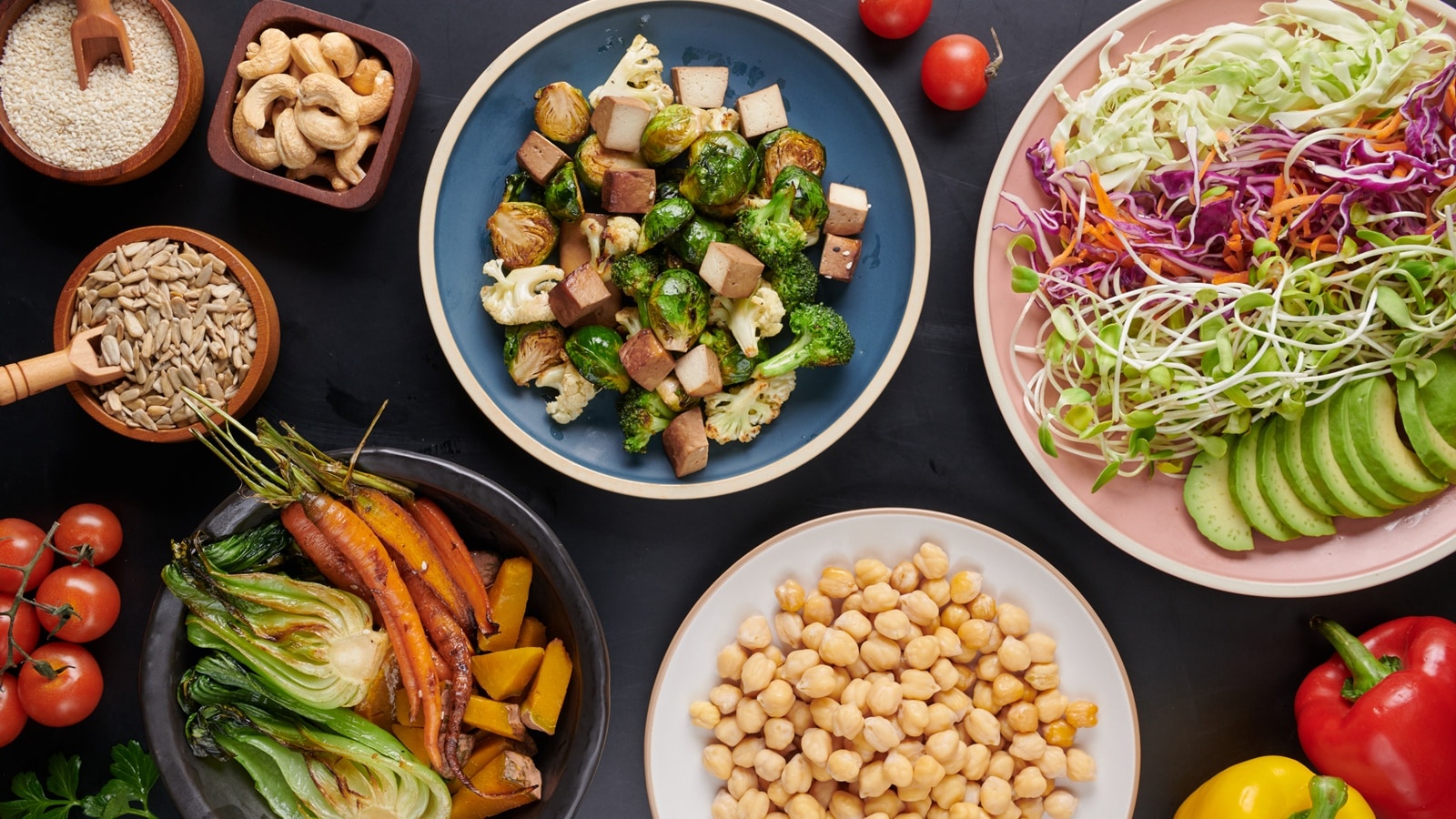
 Learn how to utilise protein in the body 

Protein intake is important for the body, but if it is not absorbed and utilised well, then what’s the point? To help one make informed choices, digital creator Gunjan Taneja, who often shares information about everyday health on her social media platforms, took to Instagram to list seven valuable tips to help improve protein absorption in the body. Here’s what she shared

1. Spread protein throughout the day

2. Have enough vitamin B6, magnesium and overall calories

3. Get gut health in shape

4. Exercise regularly, especially strength training

5. Pair protein with carbohydrate

6. Technique is key when it comes to plant protein : sprouting, soaking, fermenting

7. Sleep well for proper digestion

How does protein get absorbed in the body?

Dr Dipak Bhangale, Consultant Gastroenterology, explains that what people generally misunderstand as absorption is essentially meaningful bioavailability of protein. “The body can absorb protein at once; so the real issue isn’t digestion. Our gut easily handles large amino-acid loads, but how much protein meaningfully supports muscle growth before returns fade,” he tells indianexpress.com.

Contrary to popular opinion, he says that larger doses do not get wasted. They extend the anabolic response or are used for repair and energy, he explained.

“Research suggests about 0.3–0.4 g/kg per meal (roughly 20–40 g for most adults) maximises muscle protein synthesis, spread across 3–4 meals to reach 1.6 g/kg/day,” Dr Bhangale explains. And like Taneja mentioned, Dr Bhangale suggested distributing intake evenly through the day is the best way of maximising protein absorption in the body.

“Choosing high-quality proteins (milk, eggs, fish, lean meats, or complementary plant sources) and spreading them out throughout each meal, combined with resistance exercise, proper recovery in the form of adequate sleep, and well-balanced meals is the best way to maximise protein’s utilisation,” he shares, pointing out that extra protein does not go unabsorbed. Beyond the optimal dose, the body simply uses it differently.

Deepalakshmi, registered dietitian adds that soaked and sprouted dals are a good source of protein. “Soaking and sprouting breaks the phytic acid present, and there is a better absorption of nutrients like iron, zinc and calcium. It is low in glycemic index and a good snack for people with diabetes,” she says.

Deepalakshmi also mentions that pairing protein with carbohydrates and healthy fats helps stabilise blood sugar and keeps you feeling full and satiated for long durations.


What should you avoid?

Dr Bhangale warns people against eating the most amount of protein at dinner, relying on low-quality plant sources without mixing, under-dosing older adults, and skipping strength training. “Patients with long fasts, digestive disorders, or chronic illness need tailored strategies,” he concludes.


This is only for your information, kindly take the advice of your doctor for food, medicines, exercises and so on.   

Labels: , , , , , , , , , , ,

Wednesday, April 15, 2026

How A Silent Stress Hormone Crisis Is Disrupting Women's Health In India

It is easy to dismiss stress as a passing phase, something tied to a busy week or a bad day. But what happens when that stress becomes the baseline?

A new large-scale survey suggests that for millions of Indian women, stress is not occasional. It is constant, shaping everything from sleep to hormonal health in ways that often go unnoticed until the damage begins to show.

What The New Study Reveals

A new survey by Traya Health, which analysed data from 5,35,373 women across 15 Indian states, points to a worrying reality.

Stress, sleep disruption, and gut health issues are not isolated concerns. They are deeply interconnected and alarmingly widespread.

"The world keeps asking women to do more. No one is asking if they have enough fuel to do it," says Saloni Anand, Co-Founder, Traya Health.

The key findings:

  • 1 in 2 Indian women is chronically stressed, every single day
  • Nearly 2 in 5 women are not getting enough sleep
  • More than 1 in 2 women struggle with gut health issues

No state surveyed reported low stress levels. West Bengal recorded the highest at 52.2%, followed by Tamil Nadu at 50.5% and Delhi at 47.8%.

What Exactly Is Cortisol And Why It Matters

Cortisol is often casually labelled the "stress hormone", but its role in the body is far more complex.

Dr Archana Pate, Senior Consultant-Internal Medicine, Fortis Hospital, Kalyan, explains, "Cortisol is a hormone secreted by the adrenal glands, which are just above the kidneys. It plays an important role in how the body functions day to day, helping manage metabolism, supporting the immune system, maintaining blood pressure, and enabling the body to respond to stress."

Dr Amit Prakash Singh, Consultant, Internal Medicine at the CK Birla Hospital, Delhi, adds, "Cortisol (the stress hormone) plays a vital role in biological functions. The adrenal glands naturally produce cortisol and regulate blood pressure, reducing blood glucose levels/food metabolisation during the sleep-wake cycle."

Akshita Singla further clarifies that cortisol is not inherently harmful, "Cortisol is the body's primary stress hormone, produced by the adrenal glands. It is not a bad hormone. It actually plays an important role in regulating blood sugar, reducing inflammation, and helping the body respond to situations that require alertness."

The problem begins when stress stops being temporary. As Dr Sujit Paul of Zota Healthcare notes, modern lifestyles mean "sustained high cortisol levels throughout the day," which disrupts the body's natural balance.

How Cortisol Impacts The Female Body

When cortisol remains elevated for long periods, it begins to interfere with hormonal balance, particularly in women.

Dr Singh explains, "High levels of cortisol in prolonged chronic or acute stress can reduce levels of progesterone and estrogen and create a hormonal imbalance, resulting in weight gain/abdominal fat, irregular menstrual cycles, reproductive issues, worsening endometriosis and polycystic ovarian syndrome (PCOS), hair loss, and acne."


This is only for your information, kindly take the advice of your doctor for medicines, exercises and so on.   


Labels: , , , , , , , , ,