Thursday, April 10, 2025

Here's Why You Should Add Mustard Leaves to Your Diet

Mustard greens are the edible leaves of the mustard plant, known for their brilliant green color and peppery flavor. These healthy leafy greens are packed with vitamins, minerals, and antioxidants, offering a variety of health benefits. They are widely used in cooking, both raw in salads and cooked in a variety of dishes, such as stir-fries, soups, and stews. Mustard greens are valued for their ability to add depth of flavor and nutritional value to meals, and they are particularly appreciated for their high fiber content, which supports digestive health. 
 
Nutritional Value of Mustard Greens
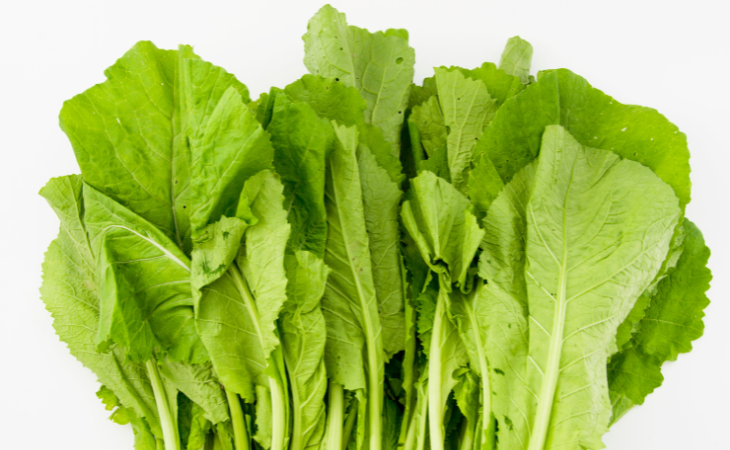
mustard greens
As per the USDA, around 100 grams of mustard greens per serving contain:
 
Energy: 27 kcal 
Water: 90.7 g 
Protein: 2.86 g 
Fat: 0.42 g 
Carbohydrate: 4.67 g 
Fiber: 3.2 g 
Potassium: 384 mg 
Phosphorus: 58 mg 
Magnesium: 32 mg 
Calcium: 115 mg
Sodium: 20 mg 
Iron: 1.64 mg 
Zinc: 0.25 mg 
Vitamin C: 70 mg 
Vitamin A: 151 mg 
Vitamin K: 258 mg 
 
Health Benefits of Consuming Mustard Greens  
1. Promotes Heart Health 
According to a comprehensive review of eight studies, increasing the consumption of green leafy vegetables, such as mustard greens, could potentially decrease the risk of cardiovascular disease by 15.8%. Additionally, these vegetables provide healthier alternatives to starchy or empty-calorie foods by regulating blood sugar levels and helping to manage weight. 
 
2. Improves Bone Health leafy greens
Mustard greens are an excellent source of vitamin K, an essential fat-soluble component that supports healthy bones. Low vitamin D levels can increase the likelihood of developing osteoporosis, a disorder characterized by weakened and reduced bone mass.

3. Potential Immunity Booster  
Since mustard greens are high in vitamin C, which is essential for maintaining a strong defense system, they help boost the immune system. Studies show how essential a sufficient intake of vitamin C is for preserving immune function and lowering the risk of infections.

4. Improves Eye Health 
Mustard greens contain lutein and zeaxanthin, antioxidants known to enhance eye health. Research suggests that including foods high in zeaxanthin and lutein in your diet may lower your risk of developing age-related macular degeneration, a leading cause of blindness globally. These antioxidants are essential for protecting the retina from oxidative damage and blocking blue light. 
 
5. Loaded with Antioxidants
Antioxidants, bioactive compounds found in plants, act as a defense mechanism against oxidative stress caused by excess free radicals. Free radicals are extremely reactive chemicals that can cause harm to cells. Research shows that extended exposure to free radicals could be a factor in the development of serious chronic illnesses like Alzheimer's disease, cancer, and cardiovascular disease. Antioxidants found in mustard greens, such as lutein, vitamin C, and flavonoids, actively combat free radical damage and prevent many chronic disorders. 
 
Mustard Greens: Usage and Storage
Raw mustard greens add a peppery, spicy flavor to salads and are often blended with other mixed greens. Some people also enjoy adding them to smoothies and other green drinks. 
 
Cooked mustard greens are delicious in stews, soups, casseroles, and as a side dish for baked fish or roasted chicken. 
 
To counterbalance their strong flavor, prepare these greens with a source of fat, such as butter or olive oil, and add some vinegar or lemon juice. 
 
Mustard greens can also be pickled with salt, vinegar, chilies, and garlic. 
 
Always wash and store mustard greens in the refrigerator, regardless of the purpose. 
 
While mustard greens thrive in cooler weather, they are usually available year-round in supermarkets. These nutritious leafy greens are commonly available in the produce area of many grocery shops, with fresh, vibrant green leaves and few imperfections. 
 
However, due to their high levels of vitamin K and oxalates, consuming large amounts may have adverse effects on people who are using blood thinners or are at risk of developing these types of kidney stones.

This is only for your information, kindly take the advice of your doctor for medicines, exercises and so on.   

https://gscrochetdesigns.blogspot.com. one can see my crochet creations  
https://gseasyrecipes.blogspot.com. feel free to view for easy, simple and healthy recipes    
https://kneereplacement-stickclub.blogspot.com. for info on knee replacement
https://GSiyers home remedies.blogspot.com   is the latest addition to my blogs

Labels: , , , , ,

Monday, July 15, 2024

Here's Why You Should Add Mustard Leaves to Your Diet

Mustard greens are the edible leaves of the mustard plant, known for their brilliant green color and peppery flavor. These healthy leafy greens are packed with vitamins, minerals, and antioxidants, offering a variety of health benefits. They are widely used in cooking, both raw in salads and cooked in a variety of dishes, such as stir-fries, soups, and stews. Mustard greens are valued for their ability to add depth of flavor and nutritional value to meals, and they are particularly appreciated for their high fiber content, which supports digestive health.

Nutritional Value of Mustard Greens
mustard greens
 
As per the USDA, around 100 grams of mustard greens per serving contain:

Energy: 27 kcal
Water: 90.7 g 
Protein: 2.86 g 
Fat: 0.42 g 
Carbohydrate: 4.67 g 
Fiber: 3.2 g 
Potassium: 384 mg 
Phosphorus: 58 mg 
Magnesium: 32 mg 
Calcium: 115 mg 
Sodium: 20 mg 
 Iron: 1.64 mg 
Zinc: 0.25 mg 
Vitamin C: 70 mg 
Vitamin A: 151 mg 
Vitamin K: 258 mg 
 
Health Benefits of Consuming Mustard Greens

1. Promotes Heart Health  
According to a comprehensive review of eight studies, increasing the consumption of green leafy vegetables, such as mustard greens, could potentially decrease the risk of cardiovascular disease by 15.8%. Additionally, these vegetables provide healthier alternatives to starchy or empty-calorie foods by regulating blood sugar levels and helping to manage weight. 
 
2. Improves Bone Health
Mustard greens are an excellent source of vitamin K, an essential fat-soluble component that supports healthy bones. Low vitamin D levels can increase the likelihood of developing osteoporosis, a disorder characterized by weakened and reduced bone mass. 
 
3. Potential Immunity Booster 
Since mustard greens are high in vitamin C, which is essential for maintaining a strong defense system, they help boost the immune system. Studies show how essential a sufficient intake of vitamin C is for preserving immune function and lowering the risk of infections.

4. Improves Eye Health Mustard greens contain lutein and zeaxanthin, antioxidants known to enhance eye health. Research suggests that including foods high in zeaxanthin and lutein in your diet may lower your risk of developing age-related macular degeneration, a leading cause of blindness globally. These antioxidants are essential for protecting the retina from oxidative damage and blocking blue light. 
 
 
5. Loaded with Antioxidants
Antioxidants, bioactive compounds found in plants, act as a defense mechanism against oxidative stress caused by excess free radicals. Free radicals are extremely reactive chemicals that can cause harm to cells. Research shows that extended exposure to free radicals could be a factor in the development of serious chronic illnesses like Alzheimer's disease, cancer, and cardiovascular disease. Antioxidants found in mustard greens, such as lutein, vitamin C, and flavonoids, actively combat free radical damage and prevent many chronic disorders.

Mustard Greens: Usage and Storage
mustard leaves

Raw mustard greens add a peppery, spicy flavor to salads and are often blended with other mixed greens. Some people also enjoy adding them to smoothies and other green drinks. 
 
Cooked mustard greens are delicious in stews, soups, casseroles, and as a side dish for baked fish or roasted chicken. 
 
To counterbalance their strong flavor, prepare these greens with a source of fat, such as butter or olive oil, and add some vinegar or lemon juice. 
 
Mustard greens can also be pickled with salt, vinegar, chilies, and garlic. 
 
Always wash and store mustard greens in the refrigerator, regardless of the purpose. 
 
While mustard greens thrive in cooler weather, they are usually available year-round in supermarkets. 
 
These nutritious leafy greens are commonly available in the produce area of many grocery shops, with fresh, vibrant green leaves and few imperfections. 
 
However, due to their high levels of vitamin K and oxalates, consuming large amounts may have adverse effects on people who are using blood thinners or are at risk of developing these types of kidney stones.


This is only for your information, kindly take the advice of your doctor for medicines, exercises and so on.   

https://gscrochetdesigns.blogspot.com. one can see my crochet creations  
https://gseasyrecipes.blogspot.com. feel free to view for easy, simple and healthy recipes    
https://kneereplacement-stickclub.blogspot.com. for info on knee replacement
https://cancersupportindia.blogspot.com  for infor on cancer and health related topics
https://GSiyers home remedies.blogspot.com   is the latest addition to my blogs. I'm going to add posts there, do give me your valuable feed back on my blogs. Thanks a lot, take care, be healthy and be happy.

Labels: , , , , , , , , , , , ,

Monday, May 23, 2022

15 Health Benefits of Broccoli

As a kid, I used to hate broccoli. Whenever my mother would cook it, I would make up all sorts of elaborate fibs hoping she wouldn't make me eat it (although they never worked). But when I became an adult, I grew to love this green vegetable and enjoy it in a variety of dishes. I've since discovered that broccoli is not just healthy, it's 'super' healthy - and I wanted to share the good news with you today.
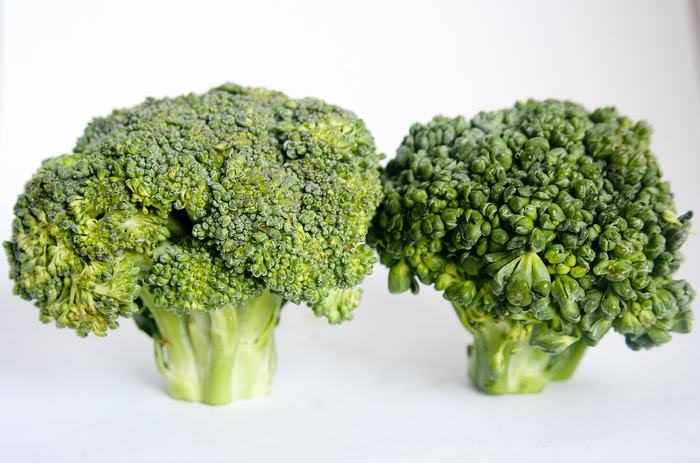
broccoli health benefits
Interesting Broccoli Facts: Broccoli was first cultivated in Italy back in the 6th-century B.C.E., and its name comes from the Italian broccoli meaning “the flowering crest of a cabbage”. The broccoli is a member of the cabbage family, along with the radish, turnip, mustard, and more. It was introduced to the United States by Italian immigrants in the 1920s and wasn’t wildly known until then. 77% of the world's broccoli is produced in China and India. The part of the broccoli we eat is the flower and the stem.

Health Benefits of Broccoli: 
 
1. It protects your skin from aging 
Broccoli is rich in antioxidants, such as Vitamin C, which reduces and prevents the damages caused by free radicals, such as pigmentation and wrinkling. In addition, the health content of Vitamins B and E aids in giving your skin a healthy glow. 
 
2. It protects you from UV radiation 
Using broccoli extract instead of sunscreen has been shown to provide a better level of protection than sunscreen. While sunscreen absorbs UV radiation, preventing it from reaching your skin, broccoli extract gets absorbed into your skin, defending it from the inside-out. It was also shown that its effects can last up to three days while sunscreen is only good for several hours at most. 
 
3. It’s good for pregnant women  
During pregnancy, women need to consume large amounts of folate, and broccoli has it in abundance. Folate helps prevent neurological and spinal defects in the fetus. 
 
4. It helps control diabetes  
Broccoli contains chromium, which is effective in regulating insulin levels and thus keeping diabetes symptoms at bay. 
 
5. It can prevent anemia  
Rich in iron and folic acid, broccoli is one of the best foods for preventing and treating anemia, as well as improving your levels of hemoglobin. broccoli health benefits

6. It regulates blood pressure 
The high levels of calcium, potassium, omega-3, and magnesium help improve blood flow in the circulatory system, and even reduce LDL levels (“bad cholesterol”). 
 
7. It boosts your immunity 
Your immune system needs nutrients such as trace minerals, zinc, and beta-carotene – all of which are quite common in broccoli. 
 
8. It’s also good for your bones 
The zinc, magnesium, and calcium, along with Vitamin K and phosphorus help prevent bone-related ailments and strengthens the bones. 
 
9. It promotes eye health 
Broccoli contains antioxidants such as lutein and carotenoid, which help in deterring cataracts and macular degeneration. It also contains Vitamin A, which is known to aid in improving vision in low-light conditions, as well as discerning colors.

10. It’s great for weight-loss  
Broccoli is low in calories, making it ideal for dieting.

11. It is also an effective detoxifier 
Your body needs to be able to get rid of waste and contaminants, and that’s where broccoli comes into play: containing rare nutrients like glucobrassicin, glucoraphanin, and gluconasturtiin, all of which are effective in eliminating toxins. 
 
12. It makes your hair shine The erucic acids in broccoli give your hair a lovely, natural shine. 
 
13. It takes care of your heart 
All of the amazing nutrients we’ve discussed help prevent damage to your blood vessels, reducing the risk of a stroke or heart attack.

14. It fights cancer  
The glucoraphanin in broccoli can be converted in the body into a cancer-fighting chemical called sulforaphane, and the indole-3 carbinol helps reduce the risk of breast, cervical and prostate cancer. 
 
15. It even helps your hair grow  
Vitamins A and C aid in moisturizing your scalp, while the calcium in the broccoli helps strengthen your hair follicles.

This is only for your information, kindly take the advice of your doctor for medicines, exercises and so on.   

https://gscrochetdesigns.blogspot.com. one can see my crochet creations  
https://gseasyrecipes.blogspot.com. feel free to view for easy, simple and healthy recipes    
https://kneereplacement-stickclub.blogspot.com. for info on knee replacement


Labels: , , , , , , , , , , , ,