Friday, August 28, 2026

These Handy Charts Will Help Stop a Migraine in Its Tracks

 A migraine can be quite unbearable. During a migraine, the blood vessels around your brain expand and begin to irritate the tissue and nerves around them causing the pain. So, if you, or someone you know, suffers from migraines and headaches, be sure to check out these warning signs, tips and remedies to help you avoid a migraine.

1. The Difference Between a Migraine and a Headache 

The exact cause of a migraine is unknown. Researchers believe that it's a neurological problem, however a number of factors can trigger pain, some of which include tension or stress, hormonal or environmental changes, long term exposure to the sun, a lack of sleep, the consumption of alcohol and certain foods as well as skipped meals and poor diet. The chart below gives a clear overview on migraines, as well as three common types of migraines and headaches (as indicated on the right side of the chart). The image below goes on to explain possible migraine symptoms too.
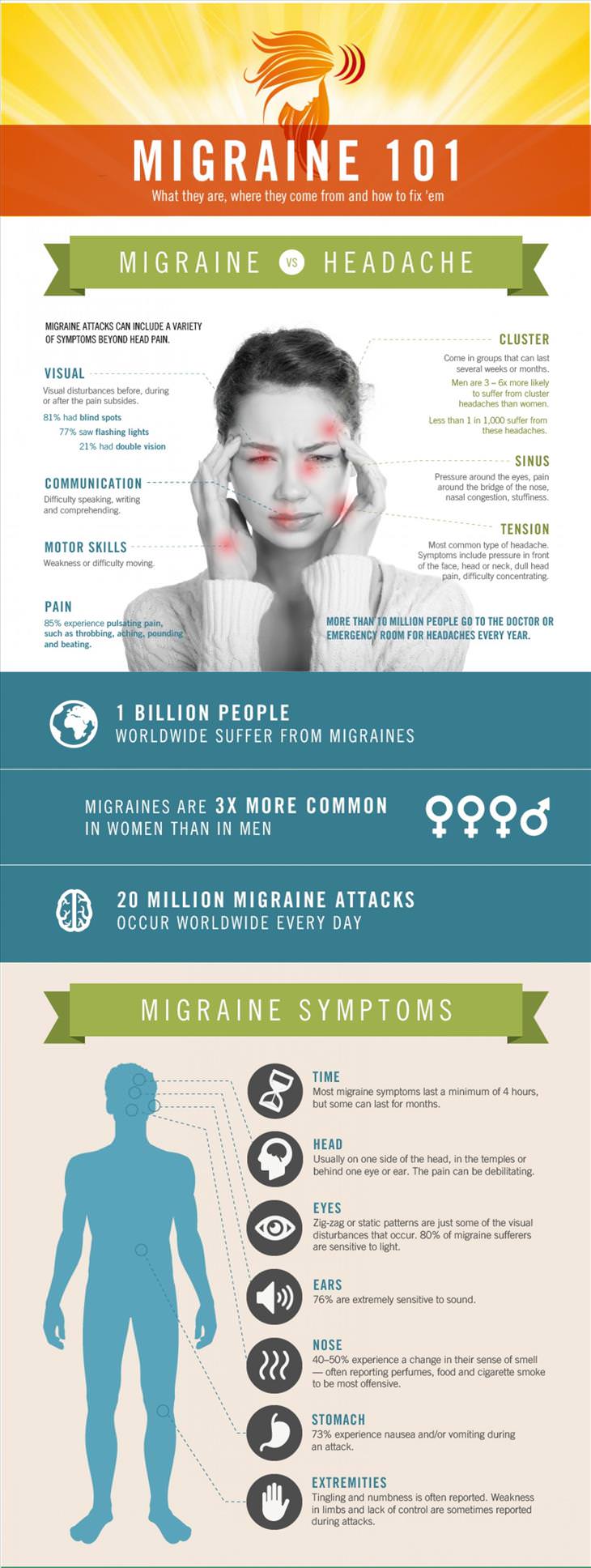
migraines

2. What Type of Headache Do You Have? 

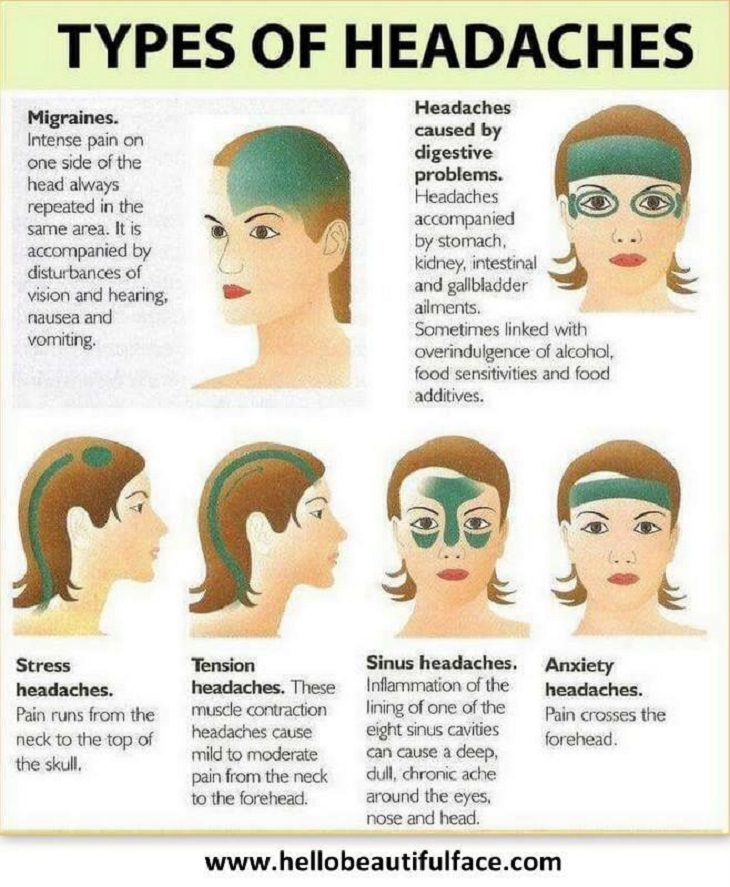
 The diagram below looks into the types of headaches sufferers may experience and what each one represents. A common headache trigger includes anxiety. In such a headache, the pain usually occurs across the forehead. While in stress headaches, pain runs from the top of the neck all the way up to the top of the skull. Which type of headache do you have? Refer to the chart below.
migraines3. What are the Triggers and the Causes of a Migraine? 

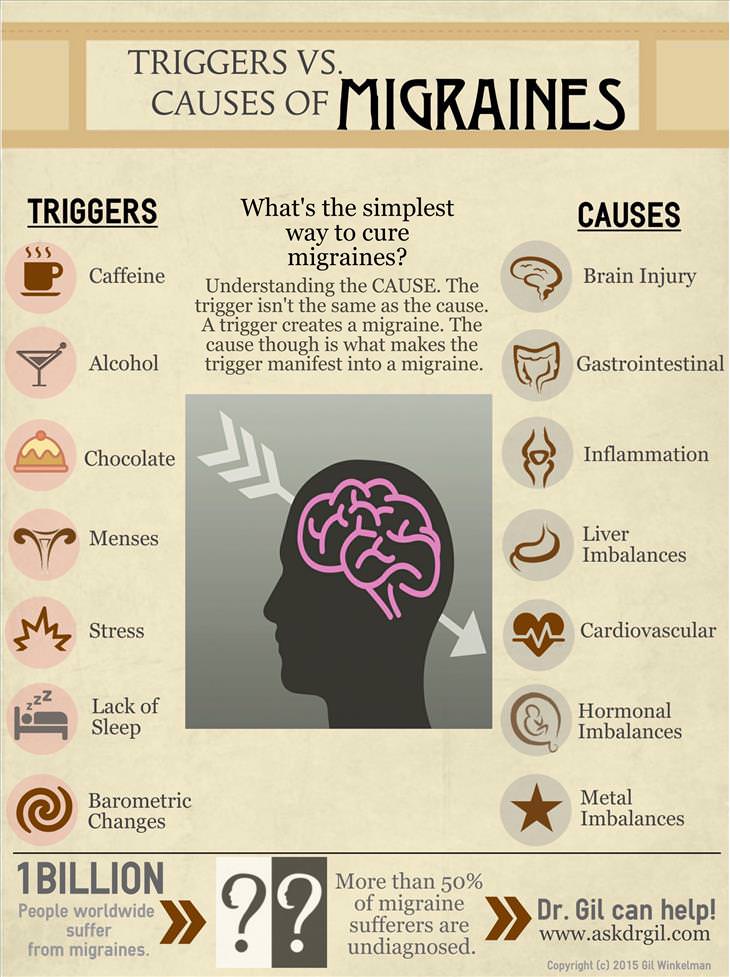
A number of factors may potentially trigger a migraine. These include factors like food, menstruation, alcohol, stress and lack of sleep. On the other hand, your migraines may be caused by an underlying issue. If you do suffer from migraines, consult with your doctor and determine whether it could be related to factors like a hormonal imbalance, cardiovascular problems, inflammation and more. Refer to the chart below for a better overview. 

migraines 

4. What are the Symptoms of a Migraine?  

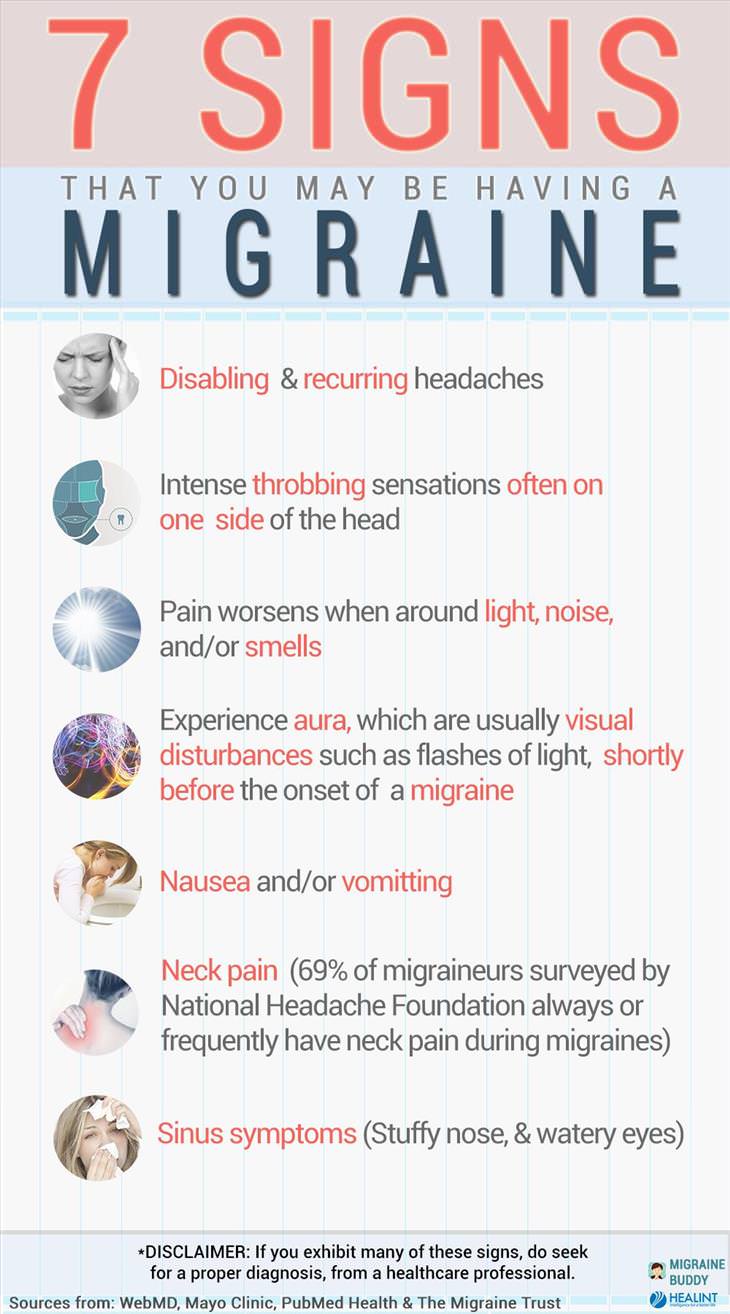
When you are about to experience a migraine, there are certain signs to be on the look out for. If you experience one of the following, take action immediately (read on to discover more), stopping your migraine in its tracks. On this note, if you exhibit many of these signs, it's important to seek a proper diagnosis from a healthcare professional.
migraines 

5. What Home Remedies May You Benefit From? 

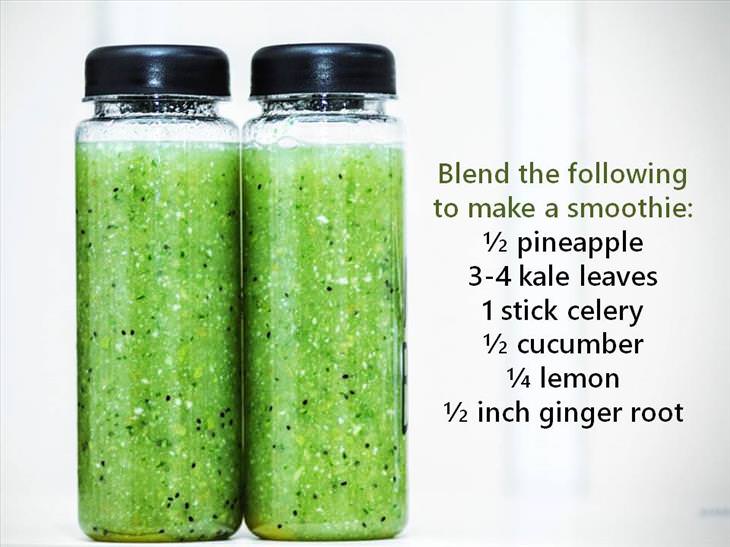
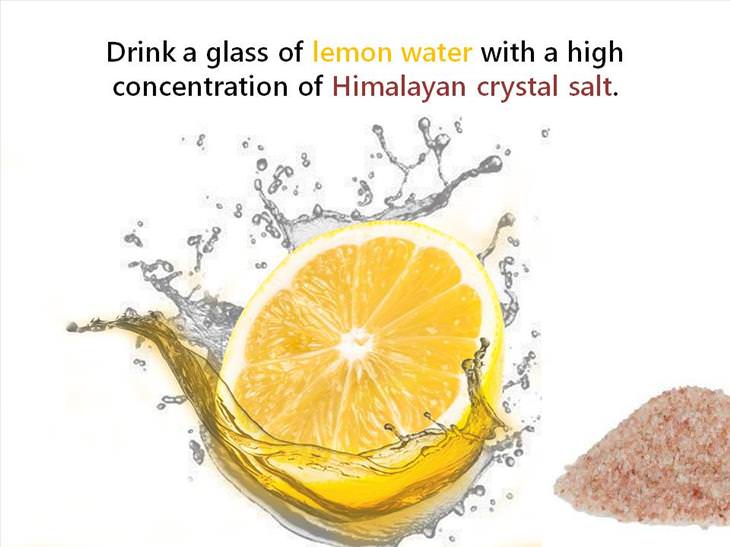
The two charts below look into two drinks that you can try to stop a migraine in its tracks. For a simple but effective remedy you could try a glass of lemon juice with Himalayan Salt. If this drink is not to your liking, try the green smoothie below, which has been hailed a "miracle migraine drink
migraines

migraines 6. What Food Should I Avoid? 

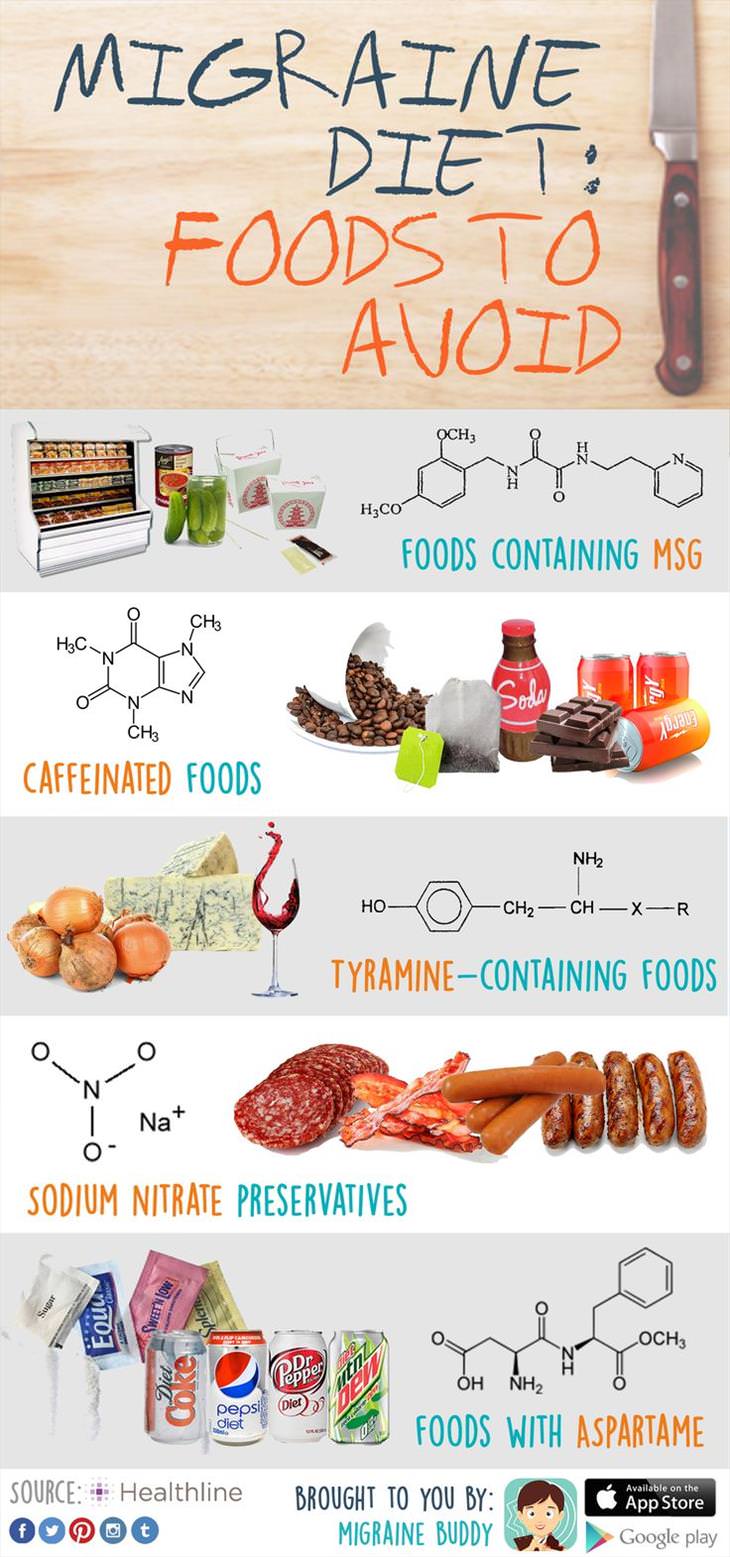
Food plays an important role, many of which may be a cause for your migraines. The chart below looks into 5 types of foods you should exclude. It's therefore important to seek out the nutritional information labels on each product in order to determine whether they contain the following:
migraines 

7. What Foods Should I Consume? 

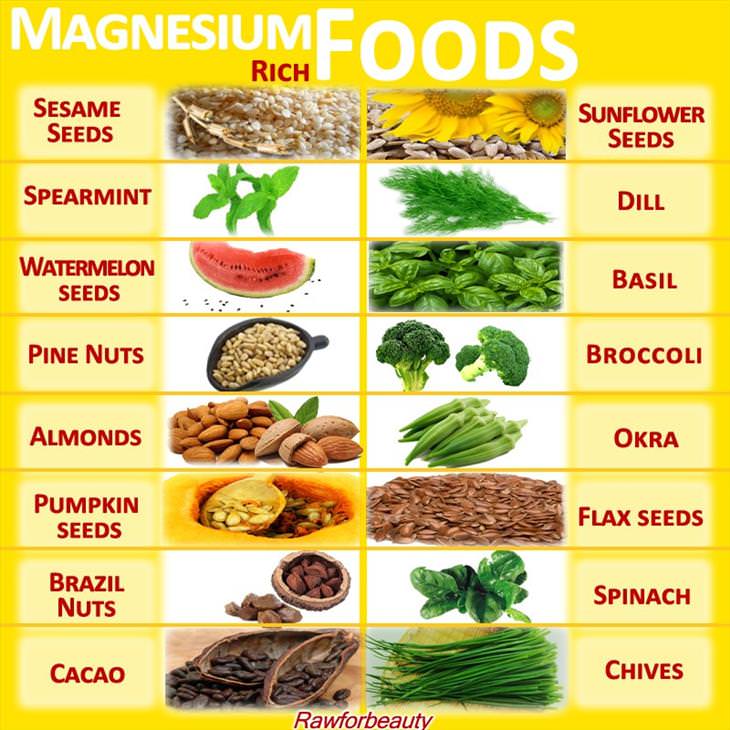
Research shows that people with migraines often have low levels of magnesium. In fact, magnesium is thought to affect changes in the blood vessels in the brain. Supplements are at times recommended, but for a more natural alternative, up your magnesium with the following list of foods:
migraines

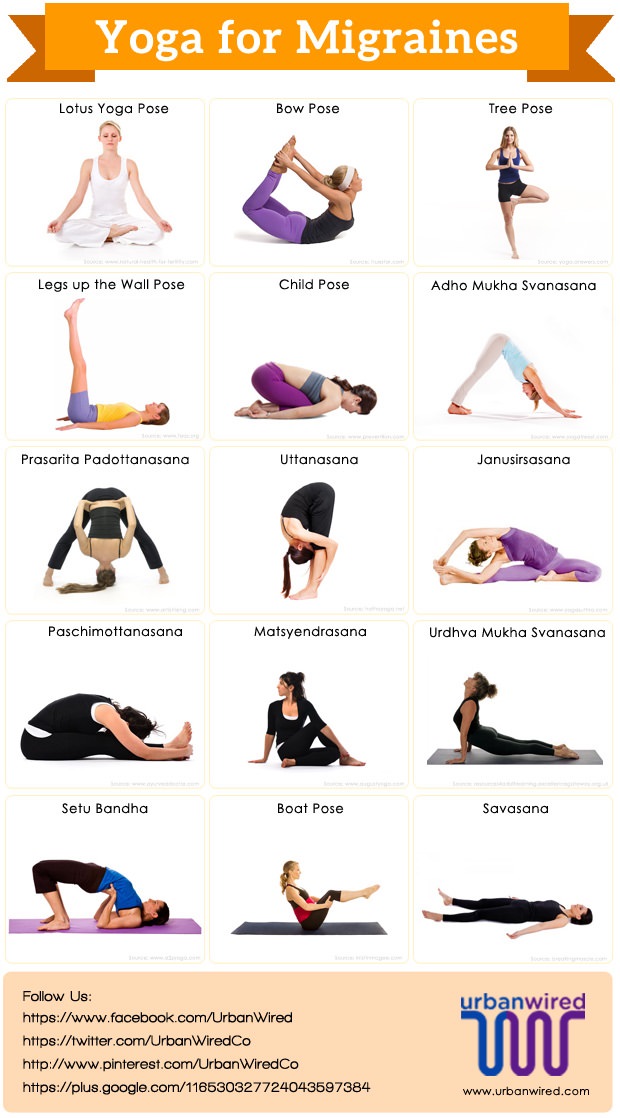
8. What Exercise Can I Do? 

Exercise forms an important part of a healthy lifestyle. Try to dedicate at least 20 minutes of the day to yoga. If it's your first time, do consult with a trained practitioner. Yoga is a great way to help those suffering from headaches. The following poses are most beneficial for migraine sufferers:
migraines


This is only for your information, kindly take the advice of your doctor for food, medicines, exercises and so on.   


Labels: , , , , , , , , , , , , , ,

Tuesday, July 21, 2026

Vitamin K foods that support stronger bones, better recovery and more

When thinking about a well-balanced diet and what to include in your daily meals, experts say that vitamin K foods should be high on your list. As Samantha Dieras, RN, DCN, director of ambulatory nutrition services at Mount Sinai Hospital, explains, vitamin K is a fat-soluble vitamin that works to strengthen bones, help with blood clots and support other functions to keep our bodies healthy.

If you’re not too familiar with the nutrient, the good news is that it’s pretty easy to find. There are two types of vitamin K: vitamin K1 and vitamin K2. Your main source of the nutrient will be vitamin K1, which can be found in green leafy vegetables. Vitamin K2 is found in animal-based and fermented foods. To break it down even further, the experts walk us through one of the most essential nutrients we need to stay healthy.

What does vitamin K do for our bodies? What are the benefits?

Lauren Manaker, registered dietitian nutritionist, says that vitamin K plays a crucial role in supporting your bone health and blood clotting. “[It] ensures that calcium goes to the right places, like your bones and teeth, instead of building up in your arteries or soft tissues,” she explains. “This dual action supports both bone and cardiovascular health.”

She goes on to say that vitamin K is the reason that small cuts don’t bleed excessively. And when it comes to our bones, the nutrient supports bone mineralisation and helps prevent the risk of fractures. It may also help prevent calcium build-up in your arteries to keep them healthy.

Are there any downsides to vitamin K?

Both Manaker and Dieras say that vitamin K is generally safe for most people and there are no known downsides. Dieras notes that the nutrient might interact negatively with certain medications, like antibiotics or blood thinners, so she recommends speaking with your doctor before consuming vitamin K in supplement form to make sure it doesn’t interfere with medicine you need.

What foods are rich in vitamin K?

Vitamin K foods are easy to find. The best ones to incorporate into your diet include:

Kale

Kale is rich in vitamin K. Manaker says that one cup of kale alone contains 1,062 micrograms (mcg) of the nutrient. So your favourite kale salad is more than enough to get your daily fix.

Spinach

Another popular leafy green that is rich in vitamin K is spinach, Manaker says: one cup contains 888 mcg of the nutrient.

Brussels sprouts

If you love Brussels sprouts, you’re in luck. According to the US Department of Agriculture (USDA), one cup of cooked or raw Brussels sprouts contains 155.8 mcg of Vitamin K.

Broccoli

Broccoli comes with loads of benefits, such as being a good source of fibre and protein. As for its vitamin K content, Manaker says one cup can contain 220 mcg of the nutrient.

Edamame

Edamame makes for a great snack —it has more protein than eggs—as well as being a great source of vitamin K. According to the USDA, one cup of edamame contains 37.1 mcg of the nutrient.

Carrot juice

Edamame makes for a great snack—it has more protein than eggs!—as well as being a great source of vitamin K. According to the USDA, one cup of edamame contains 37.1 mcg of the nutrient.

Soy beans

Manaker says that soybeans are the highest source of vitamin K2. For about 3.5 ounces of the food, you can find over 1,000 mcg of the nutrient.

Prunes

A favourite of Manaker’s, prunes make for a versatile food that can work in so many recipes or even just as a healthy snack. She says that one cup contains 60 mcg of vitamin K.

Kiwi

If you’re looking for something that’s a bit sweeter, try kiwis, Manaker suggests. One cup of sliced kiwi contains about  73 mcg of vitamin K.

Avocado

Manaker also points to avocados as being a good source of vitamin K. Studies show that one serving (which is the equivalent of 1/5 of the fruit) contains 14 mcg of the nutrient.

Blueberries

Another popular fruit you can turn to for your vitamin K fix, Manaker says, is blueberries. One cup of blueberries contains about 47 mcg of the nutrient.

Grapes

Grapes, which have antioxidant and antiageing skin benefits, are also considered a good source of vitamin K. Manaker says that one cup of grapes contains about 22 mcg of the nutrient.

Chicken breast

With chicken breast, you get your fix of protein and vitamin K. Manaker says that 3 ounces of the meat contains 13 mcg of vitamin K2.

Cheese

Many types of cheese are a good source of vitamin K. The NIH says that one serving or half an ounce of cheddar cheese contains 4 mcg of the nutrient, while 1.5 ounces of mozzarella contains about 2 mcg.

Soybean oil

If you’re looking for oils to cook and mix your food with that also contain vitamin K, soybean oil is your new go-to. Manaker says that one tablespoon of the oil contains 25 mcg of the nutrient.

Olive oil

Packed with nutrients and health benefits, olive oil is one of the best cooking oils out there and is a good source of vitamin K. Manaker says one tablespoon of olive oil contains 8 mcg of the nutrient.

Hard-boiled eggs

The benefits of eggs are many and their vitamin K content is just another thing to add to that extensive list. According to the USDA, one large egg contains 0.15 mcg of the nutrient.

How much vitamin K does one person need to be considered healthy?

According to the NIH, the recommended daily intake of vitamin K is 120 mg a day for men and 90 mcg a day for women. Because the nutrient can be found in various different vegetables, fruits, meats and other foods, Manaker says that you can easily meet this through a balanced diet.

How does one enhance their absorption of vitamin K?

Both experts agree that the best way to consume vitamin K is through whole foods in a well-balanced diet. Manaker recommends a versatile food like prunes that is packed with other nutrients and can be eaten or mixed into sauces. “They have a unique combination of not only vitamin K but also boron, potassium and antioxidants,” she says. “[They] can be added to many recipes to enhance flavour and texture thanks to their natural sweetness.”

Dieras says you can also take a vitamin K supplement. It’s oftentimes combined with vitamin D, which she says is beneficial for bone health.


How can you tell if you are vitamin K-deficient?

Both Manaker and Dieras say that a vitamin K deficiency is rare, but it can happen. In that rare occurrence, Dieras says it is usually caused by medications that might interfere with the nutrient or those who have malabsorption disorders and may struggle to absorb the vitamin K they’re consuming.

Things to look out for that may point to a vitamin K deficiency, Manaker says, are easy bruising, excessive bleeding from cuts, gums or nose, blood in your stool or urine, and weak bones or fractures. “If you notice these signs, consult a healthcare provider,” she says.

This is only for your information, kindly take the advice of your doctor for food, medicines, exercises and so on.   


Labels: , , , , , , , , , , , , , , , ,