Friday, August 28, 2026

These Handy Charts Will Help Stop a Migraine in Its Tracks

 A migraine can be quite unbearable. During a migraine, the blood vessels around your brain expand and begin to irritate the tissue and nerves around them causing the pain. So, if you, or someone you know, suffers from migraines and headaches, be sure to check out these warning signs, tips and remedies to help you avoid a migraine.

1. The Difference Between a Migraine and a Headache 

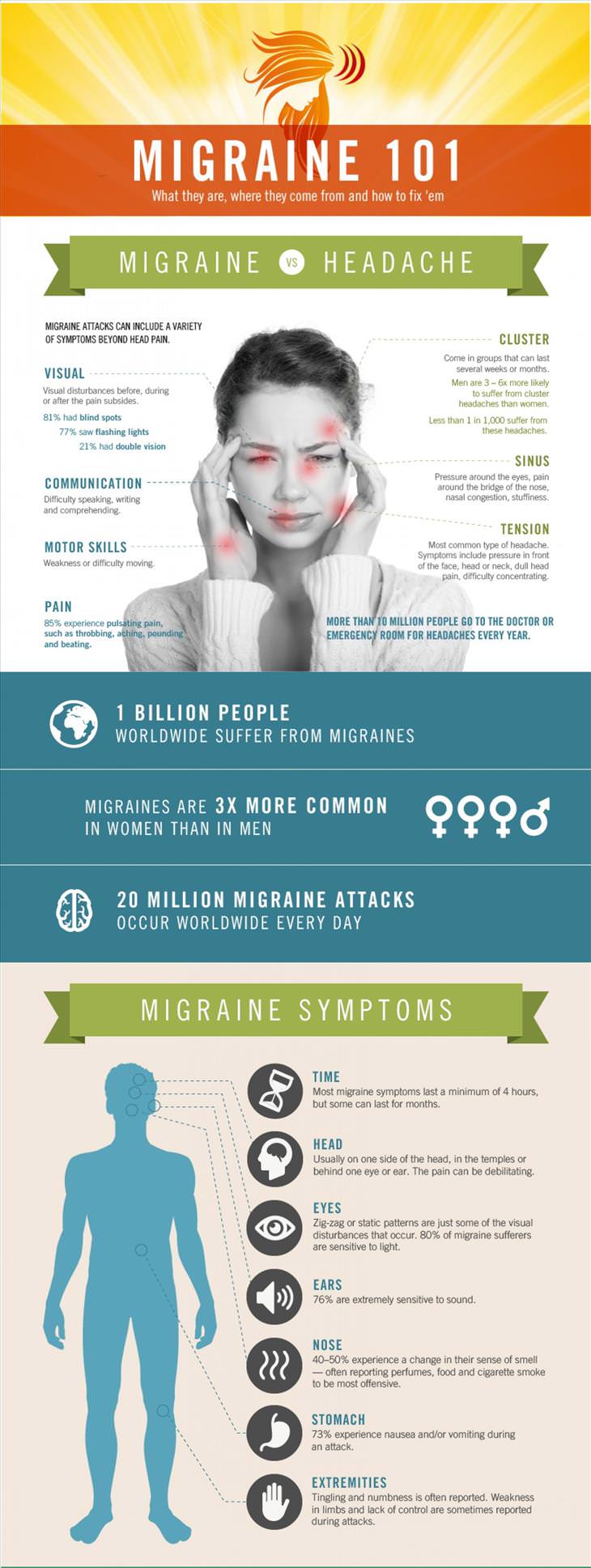
The exact cause of a migraine is unknown. Researchers believe that it's a neurological problem, however a number of factors can trigger pain, some of which include tension or stress, hormonal or environmental changes, long term exposure to the sun, a lack of sleep, the consumption of alcohol and certain foods as well as skipped meals and poor diet. The chart below gives a clear overview on migraines, as well as three common types of migraines and headaches (as indicated on the right side of the chart). The image below goes on to explain possible migraine symptoms too.
migraines

2. What Type of Headache Do You Have? 

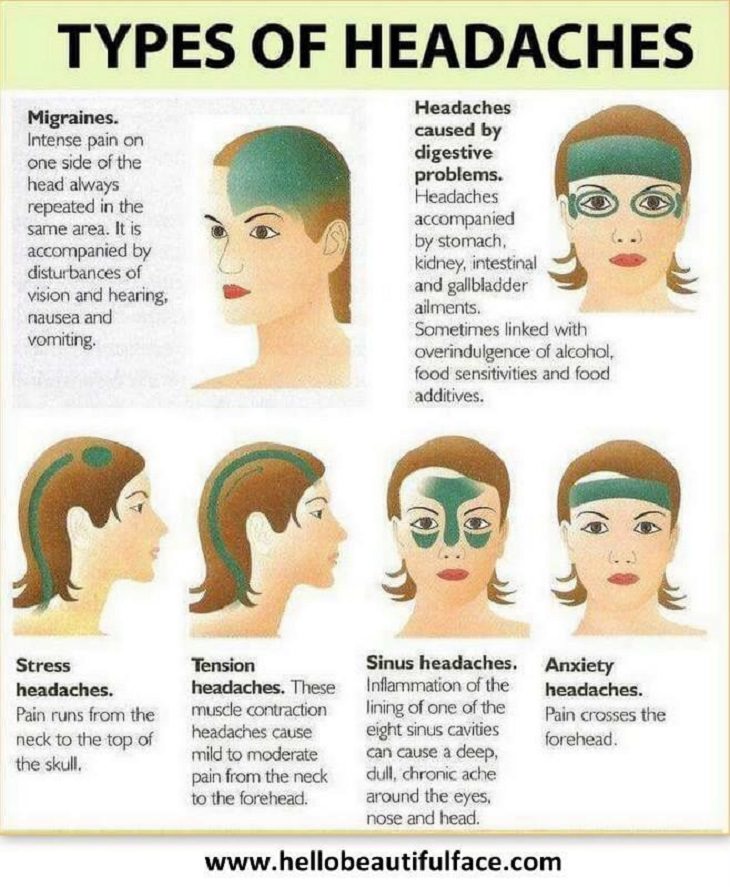
 The diagram below looks into the types of headaches sufferers may experience and what each one represents. A common headache trigger includes anxiety. In such a headache, the pain usually occurs across the forehead. While in stress headaches, pain runs from the top of the neck all the way up to the top of the skull. Which type of headache do you have? Refer to the chart below.
migraines3. What are the Triggers and the Causes of a Migraine? 

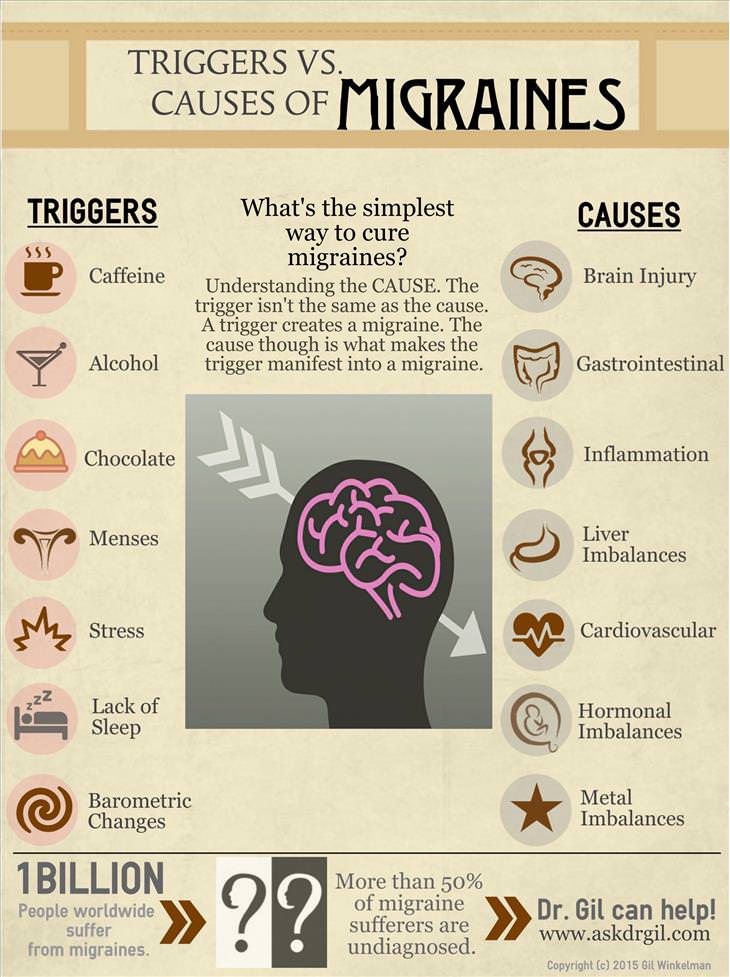
A number of factors may potentially trigger a migraine. These include factors like food, menstruation, alcohol, stress and lack of sleep. On the other hand, your migraines may be caused by an underlying issue. If you do suffer from migraines, consult with your doctor and determine whether it could be related to factors like a hormonal imbalance, cardiovascular problems, inflammation and more. Refer to the chart below for a better overview. 

migraines 

4. What are the Symptoms of a Migraine?  

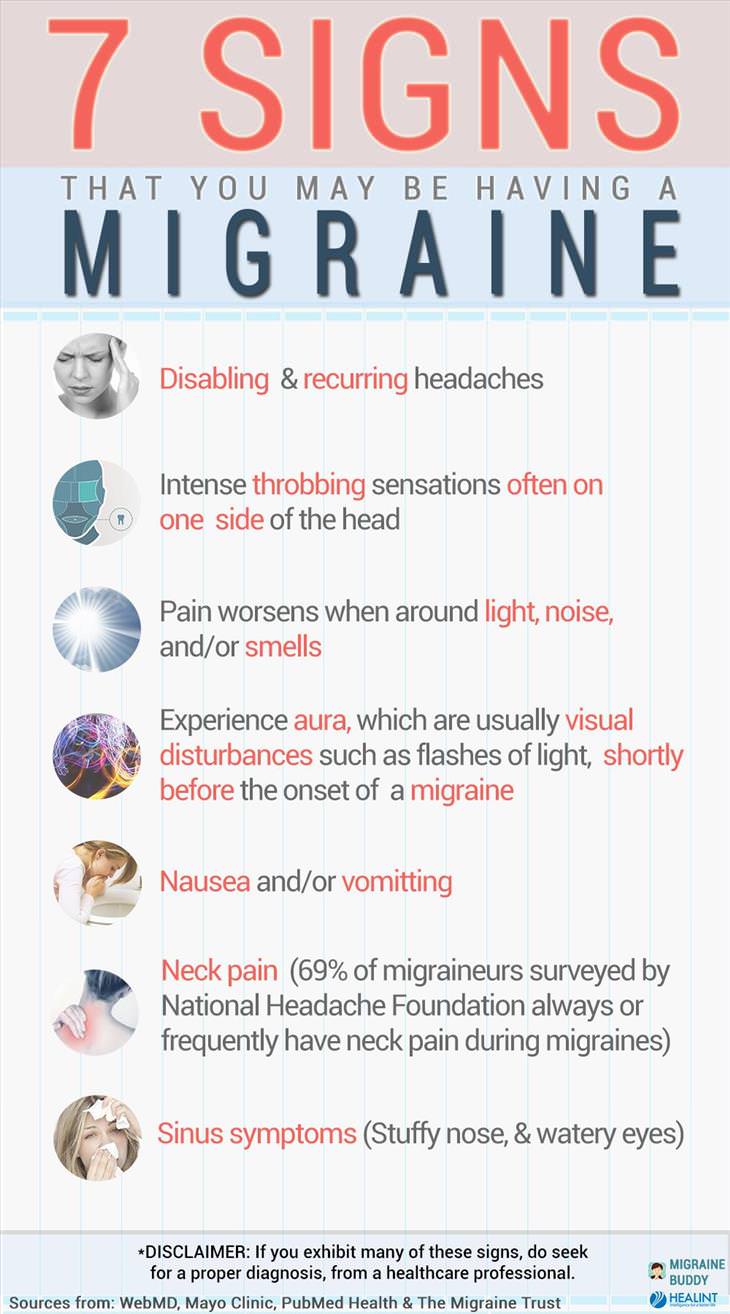
When you are about to experience a migraine, there are certain signs to be on the look out for. If you experience one of the following, take action immediately (read on to discover more), stopping your migraine in its tracks. On this note, if you exhibit many of these signs, it's important to seek a proper diagnosis from a healthcare professional.
migraines 

5. What Home Remedies May You Benefit From? 

The two charts below look into two drinks that you can try to stop a migraine in its tracks. For a simple but effective remedy you could try a glass of lemon juice with Himalayan Salt. If this drink is not to your liking, try the green smoothie below, which has been hailed a "miracle migraine drink
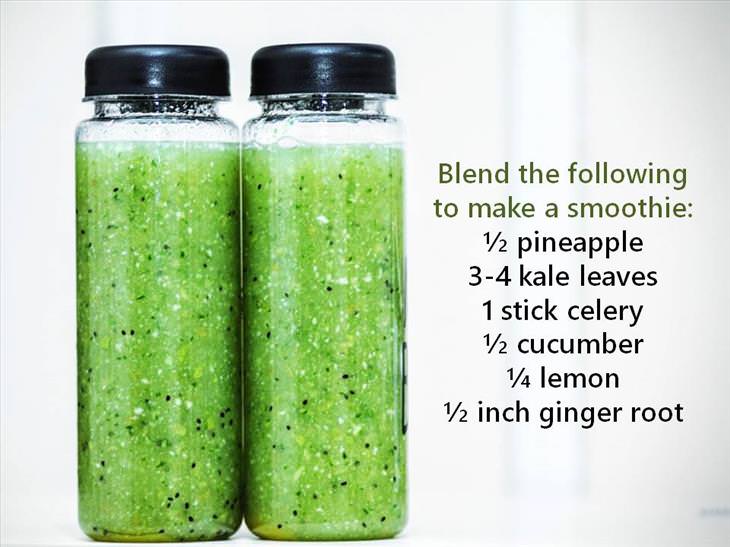

migraines

migraines 6. What Food Should I Avoid? 

Food plays an important role, many of which may be a cause for your migraines. The chart below looks into 5 types of foods you should exclude. It's therefore important to seek out the nutritional information labels on each product in order to determine whether they contain the following:
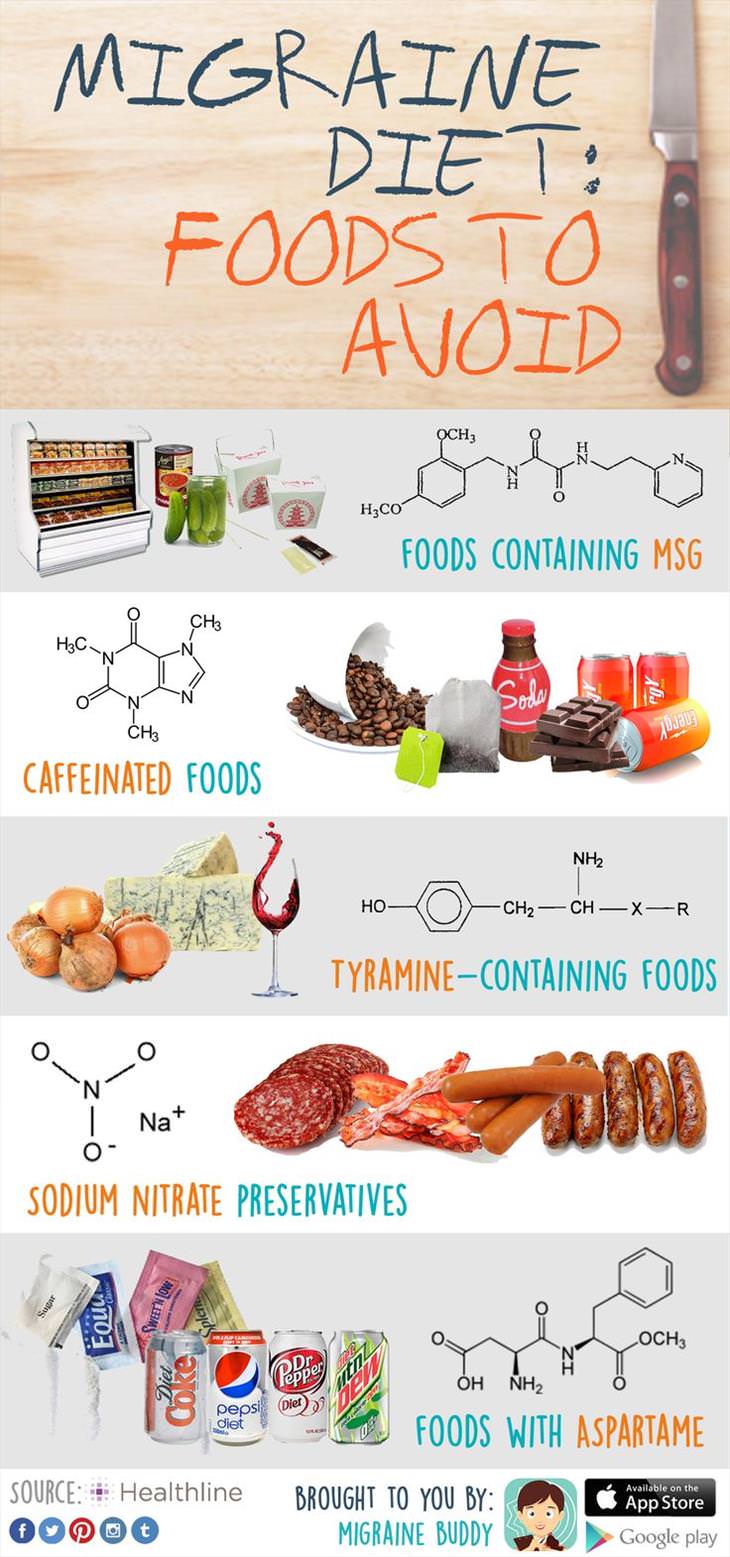
migraines 

7. What Foods Should I Consume? 

Research shows that people with migraines often have low levels of magnesium. In fact, magnesium is thought to affect changes in the blood vessels in the brain. Supplements are at times recommended, but for a more natural alternative, up your magnesium with the following list of foods:
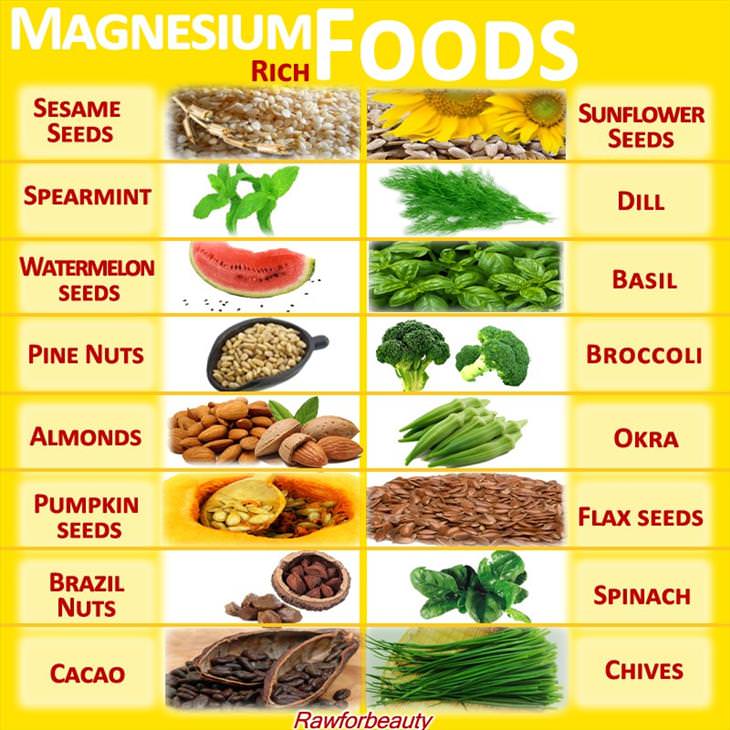
migraines

8. What Exercise Can I Do? 

Exercise forms an important part of a healthy lifestyle. Try to dedicate at least 20 minutes of the day to yoga. If it's your first time, do consult with a trained practitioner. Yoga is a great way to help those suffering from headaches. The following poses are most beneficial for migraine sufferers:

migraines


This is only for your information, kindly take the advice of your doctor for food, medicines, exercises and so on.   


Labels: , , , , , , , , , , , , , ,

Monday, July 27, 2026

How to Stop Feeling Continuously Hungry When on a Diet

Feeling hungry all the time is one of the most common complaints from people trying to lose a few pounds. It makes a certain amount of sense. Eating in a calorie deficit means giving your body less energy than it is used to receiving, so it seems only natural that your stomach would start sending complaints upstairs.

Here is the good news: constant hunger does not have to be the price of weight loss. Dietitians point out that a few strategic changes to what you eat, and how you put a meal together, can leave you feeling far more satisfied without abandoning your goals. The most sustainable approaches to weight loss, they say, focus on building a manageable daily deficit while making fullness easier to achieve, rather than relying on sheer willpower to push through a growling stomach day after day. 

Below are the adjustments nutrition experts recommend most often. 

Aim for a moderate deficit, not a drastic one

It is understandable to assume that eating far less will get you results far faster. In practice, cutting calories too aggressively often backfires. It can leave you so hungry that sticking with the plan becomes nearly impossible. 

Dietitians explain that the body naturally resists severe restriction when the calories coming in are not enough to support basic functions such as breathing, circulation, and temperature regulation. When intake drops too low, the body responds by turning up hunger signals and turning down the signals that tell you that you have had enough. In other words, extreme dieting makes you hungrier by design.

That is why most experts recommend a gentler pace. Losing roughly one to two pounds per week is generally considered a reasonable target for most people. A moderate deficit helps you stay energized, feel more satisfied after meals, and keep healthy habits going for months rather than days. 

This matters even more after 50. Very low calorie intakes make it harder to get enough protein, calcium, vitamin B12, and other nutrients that become increasingly important with age, and they can accelerate the loss of muscle mass that already tends to happen over time.  

Fill your plate with foods that add volume 

If you are hungry between meals, the answer may have less to do with eating less and more to do with what is on the plate in the first place.


Meals built around whole, minimally processed foods that are high in fiber and water are far easier to sustain, because these foods take up real space in the stomach while contributing relatively few calories. Your stomach has stretch receptors that help signal fullness, and bulky foods trigger them. 

Good volume foods include: 

Non-starchy vegetables such as broccoli, cucumbers, zucchini, cauliflower, and leafy greens 

High water fruits such as watermelon, melon, berries, oranges, and grapefruit 

Beans and lentils 

Broth based soups 

Air popped popcorn

A useful trick is to start lunch or dinner with a bowl of vegetable soup or a large salad. By the time you reach the main course, you are already partway to full.

Include a source of protein at every meal
 

Protein is the single most effective nutrient for keeping hunger in check. It slows digestion, so food leaves the stomach more gradually, and it increases the hormones that signal fullness to the brain. 

Spreading protein throughout the day, rather than saving most of it for dinner, tends to work best. It curbs hunger, reduces the pull toward afternoon snacking, and helps preserve muscle while you are losing weight. That last point deserves emphasis for older adults, since muscle is what keeps you steady on your feet, strong on the stairs, and independent in your own home. 

Reliable protein sources include: 

Eggs 

Greek yogurt and cottage cheese 

 Fish, including canned tuna and salmon 

Chicken and turkey breast 

Lean beef 

Tofu and edamame 

Beans and lentils

Small changes go a long way. Swapping regular yogurt for Greek yogurt at breakfast, stirring beans into a salad, or adding a hard boiled egg to an afternoon snack can change how the next few hours feel. 

Build balanced meals with fiber and healthy fats 

 Protein gets most of the attention, but it works best with company. Meals that combine protein, fiber, and healthy fats are considered the most effective structure for reducing hunger after eating and stretching satisfaction further into the day. 

Fiber adds bulk and slows digestion. Healthy fats add flavor, help you absorb certain vitamins, and contribute to the sense that a meal was genuinely satisfying rather than merely finished.

A well balanced plate might look like grilled salmon alongside quinoa and roasted vegetables, finished with a drizzle of olive oil. Compare that to a meal built on refined grains or something sweet, and the difference in how long you stay comfortable is usually obvious within an hour or two. 

Thinking of every meal as a combination of those three elements is a simple mental checklist that requires no counting, no app, and no special products. 

Don't be afraid of carbohydrates 

Many people instinctively cut carbohydrates when they want to lose weight. Reducing highly processed carbs such as pastries, white bread, and sugary drinks can certainly help. Cutting carbohydrates drastically, however, is not necessary for everyone and can leave some people feeling unsatisfied after meals. 

Dietitians warn that severe carbohydrate restriction has been linked to stronger hunger, intense cravings, episodes of overeating, and a persistent urge to snack. It is a difficult pattern to sustain.

It also throws out a great deal of good nutrition along the way. Fruits, vegetables, legumes, and whole grains are all carbohydrate foods, and they supply the fiber, vitamins, and minerals that support fullness and general health. 

The more useful approach is to focus on quality rather than elimination. Choose fiber rich carbohydrates and pair them with protein and healthy fats, and you can feel satisfied while still moving toward your goal. 

Give fullness a chance to catch up 

The signals that tell your brain you have eaten enough take time to arrive. If you finish a meal and still feel hungry, wait 15 to 20 minutes before going back for more. Clear the table, take a short walk, or pour a glass of water in the meantime.

If real hunger is still there after that pause, eat something. Reach first for the foods that add volume without adding many calories, such as vegetables, fruit, or a cup of broth based soup. Often, simply having a little more of what you just ate is enough to settle the matter. 

When it is time to eat a little more 

 Hunger is information, not a character flaw. There are signs that a deficit has become too aggressive and needs adjusting upward: 

You are preoccupied with food throughout the day 

You feel persistently tired, cold, or lightheaded 

Your sleep has become poor or restless 

You are irritable in a way that is not typical for you 

You find yourself swinging between strict restriction and overeating 

Your strength or balance seems to be slipping 

Any of these is a reasonable prompt to add food back rather than push harder. Slower weight loss that you can actually live with beats faster weight loss that collapses in three weeks.


This is only for your information, kindly take the advice of your doctor for food, medicines, exercises and so on.   


Labels: , , , , , , , , , , , , ,