Friday, August 28, 2026

These Handy Charts Will Help Stop a Migraine in Its Tracks

 A migraine can be quite unbearable. During a migraine, the blood vessels around your brain expand and begin to irritate the tissue and nerves around them causing the pain. So, if you, or someone you know, suffers from migraines and headaches, be sure to check out these warning signs, tips and remedies to help you avoid a migraine.

1. The Difference Between a Migraine and a Headache 

The exact cause of a migraine is unknown. Researchers believe that it's a neurological problem, however a number of factors can trigger pain, some of which include tension or stress, hormonal or environmental changes, long term exposure to the sun, a lack of sleep, the consumption of alcohol and certain foods as well as skipped meals and poor diet. The chart below gives a clear overview on migraines, as well as three common types of migraines and headaches (as indicated on the right side of the chart). The image below goes on to explain possible migraine symptoms too.
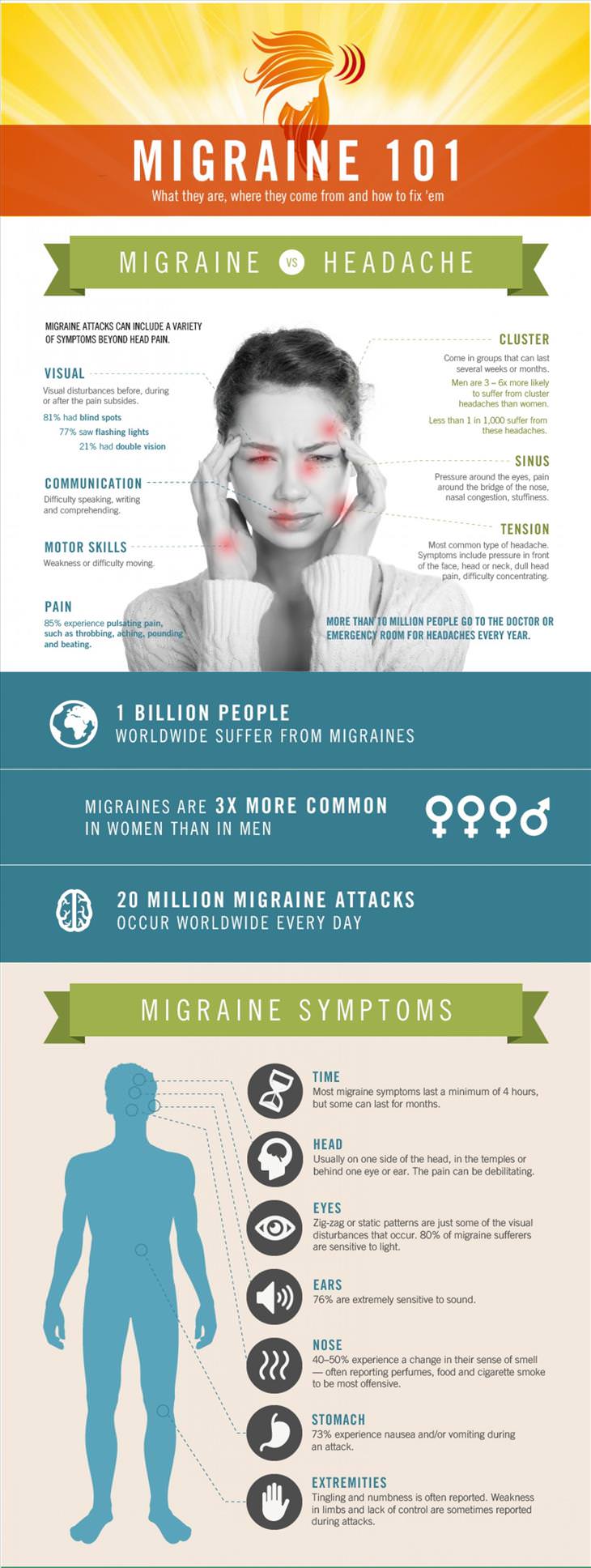
migraines

2. What Type of Headache Do You Have? 

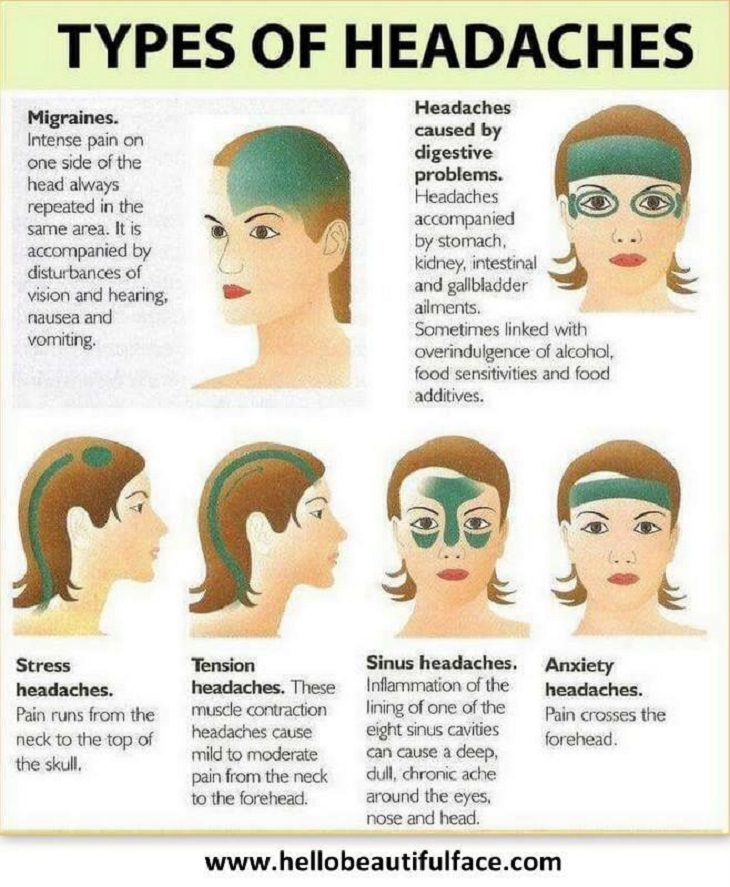
 The diagram below looks into the types of headaches sufferers may experience and what each one represents. A common headache trigger includes anxiety. In such a headache, the pain usually occurs across the forehead. While in stress headaches, pain runs from the top of the neck all the way up to the top of the skull. Which type of headache do you have? Refer to the chart below.
migraines3. What are the Triggers and the Causes of a Migraine? 

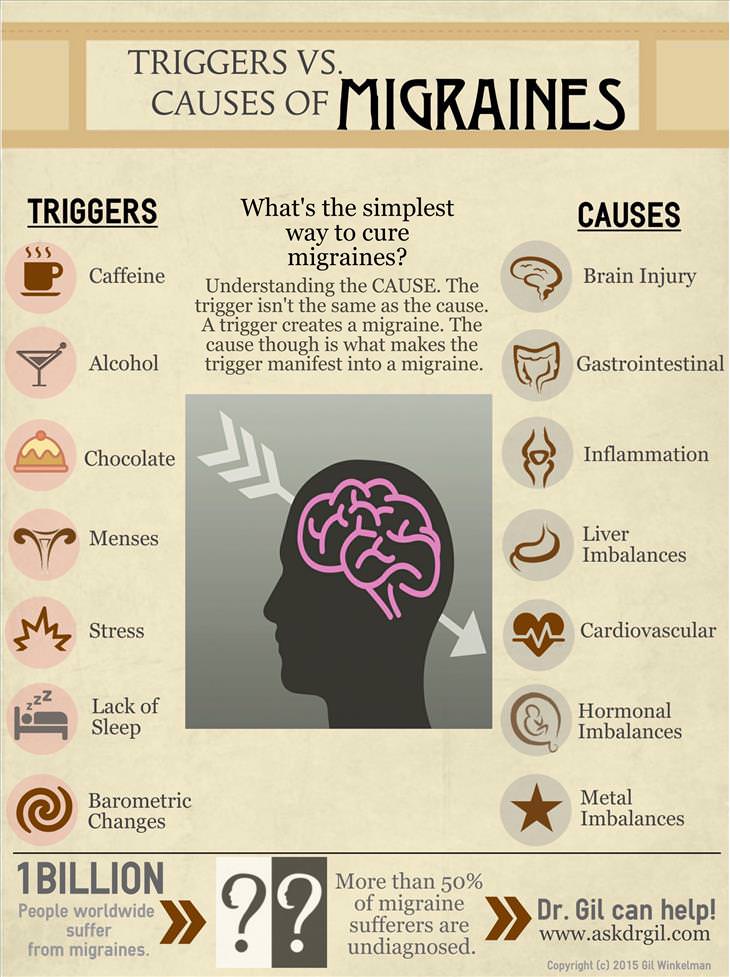
A number of factors may potentially trigger a migraine. These include factors like food, menstruation, alcohol, stress and lack of sleep. On the other hand, your migraines may be caused by an underlying issue. If you do suffer from migraines, consult with your doctor and determine whether it could be related to factors like a hormonal imbalance, cardiovascular problems, inflammation and more. Refer to the chart below for a better overview. 

migraines 

4. What are the Symptoms of a Migraine?  

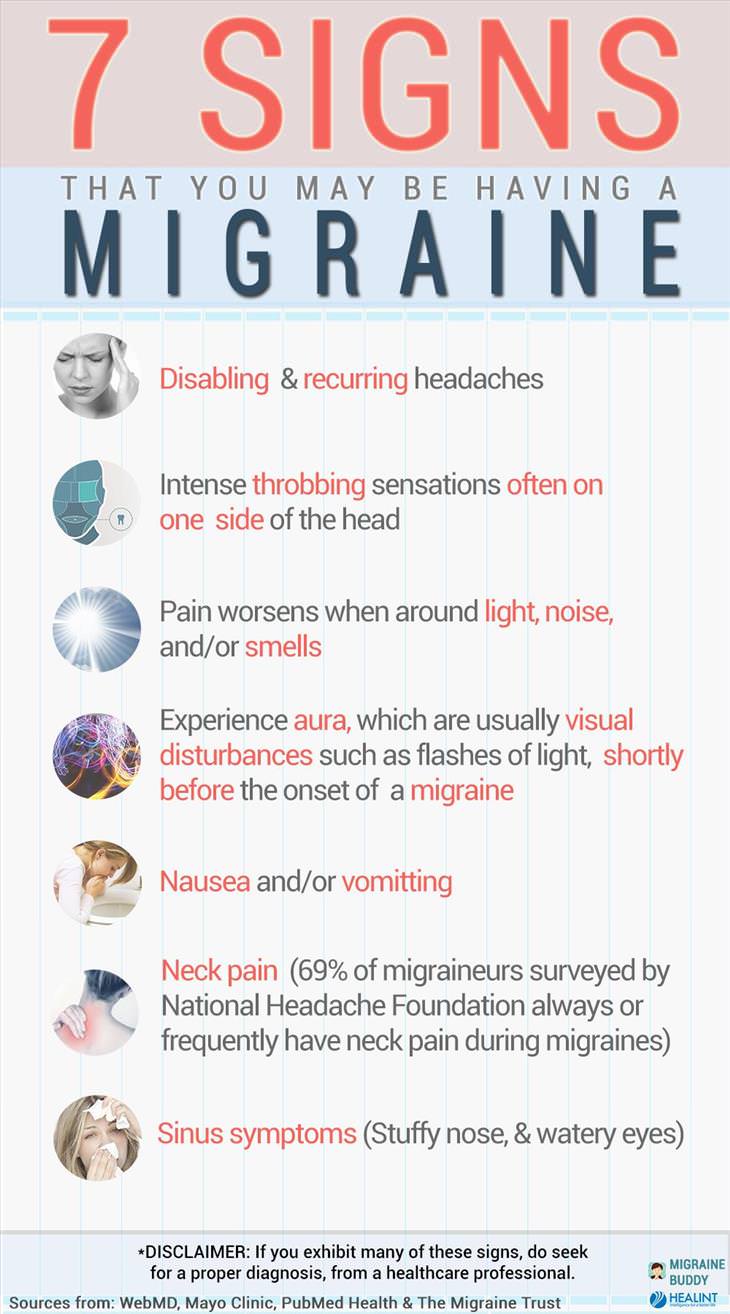
When you are about to experience a migraine, there are certain signs to be on the look out for. If you experience one of the following, take action immediately (read on to discover more), stopping your migraine in its tracks. On this note, if you exhibit many of these signs, it's important to seek a proper diagnosis from a healthcare professional.
migraines 

5. What Home Remedies May You Benefit From? 

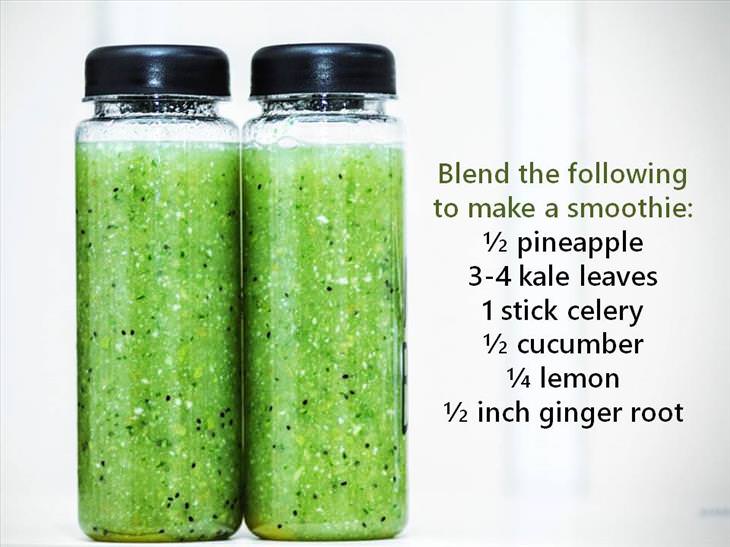
The two charts below look into two drinks that you can try to stop a migraine in its tracks. For a simple but effective remedy you could try a glass of lemon juice with Himalayan Salt. If this drink is not to your liking, try the green smoothie below, which has been hailed a "miracle migraine drink

migraines

migraines 6. What Food Should I Avoid? 

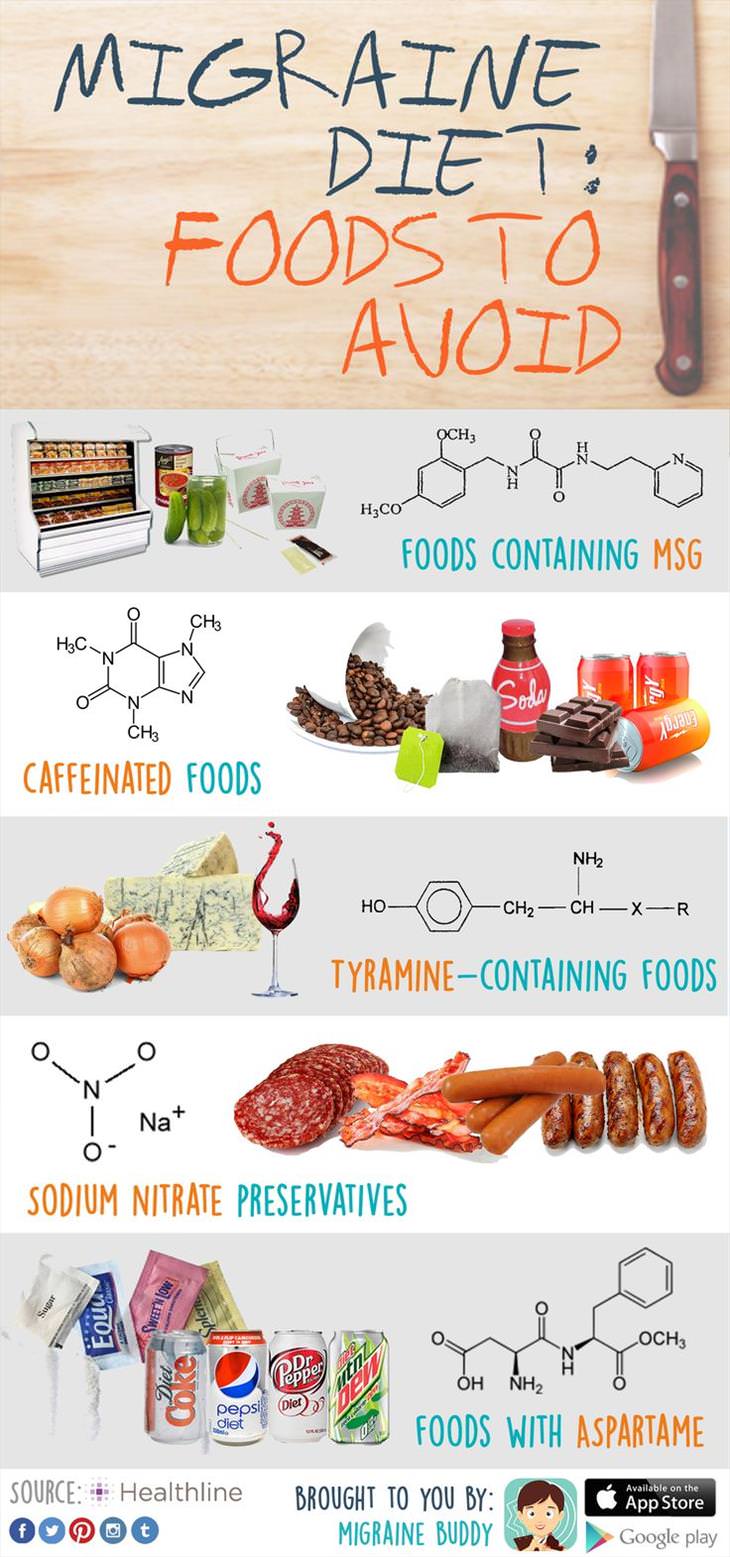
Food plays an important role, many of which may be a cause for your migraines. The chart below looks into 5 types of foods you should exclude. It's therefore important to seek out the nutritional information labels on each product in order to determine whether they contain the following:
migraines 

7. What Foods Should I Consume? 

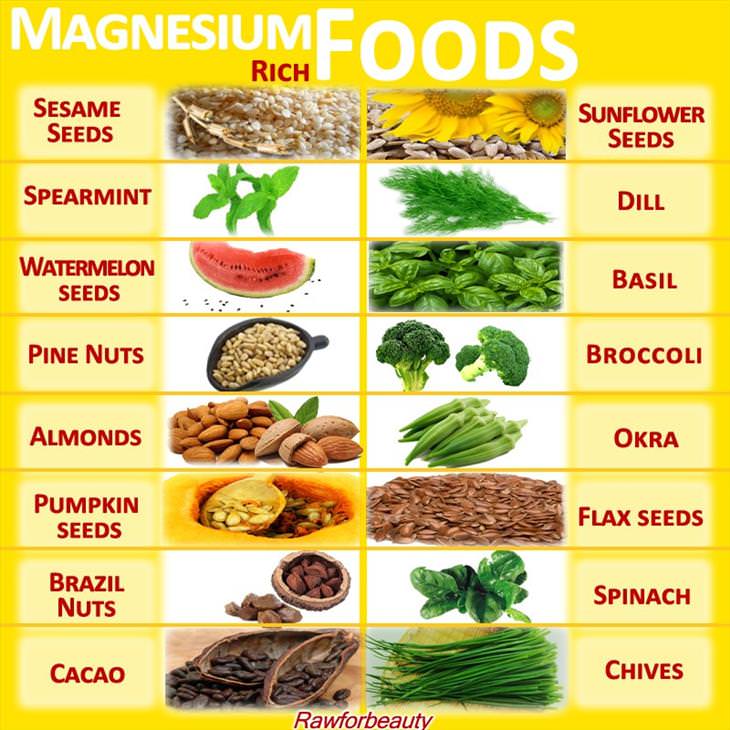
Research shows that people with migraines often have low levels of magnesium. In fact, magnesium is thought to affect changes in the blood vessels in the brain. Supplements are at times recommended, but for a more natural alternative, up your magnesium with the following list of foods:
migraines

8. What Exercise Can I Do? 

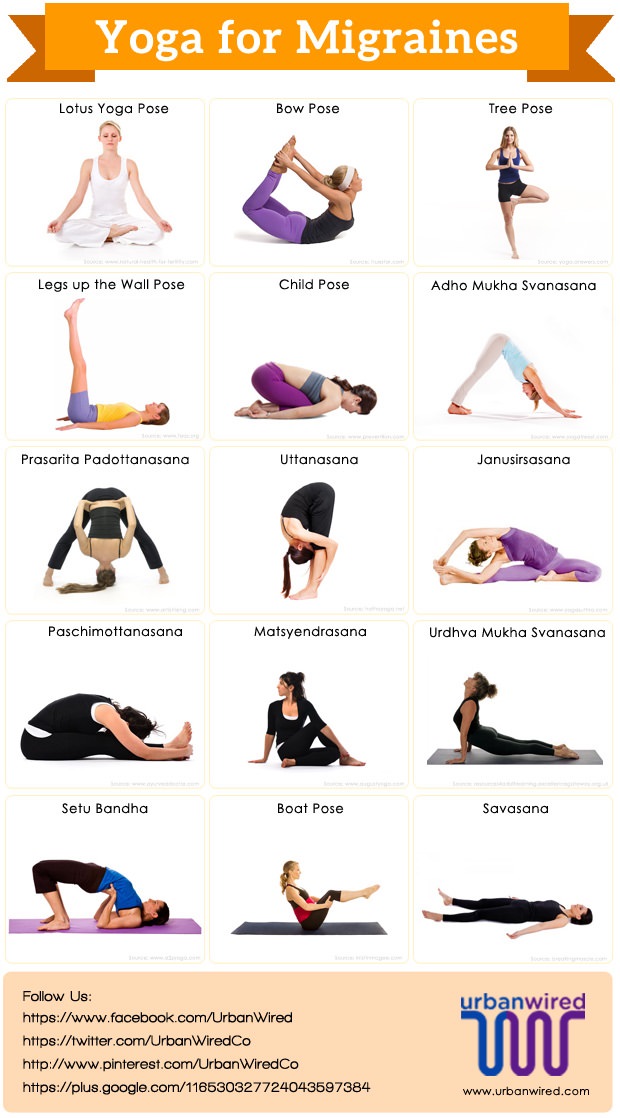
Exercise forms an important part of a healthy lifestyle. Try to dedicate at least 20 minutes of the day to yoga. If it's your first time, do consult with a trained practitioner. Yoga is a great way to help those suffering from headaches. The following poses are most beneficial for migraine sufferers:
migraines


This is only for your information, kindly take the advice of your doctor for food, medicines, exercises and so on.   


Labels: , , , , , , , , , , , , , ,

Monday, January 25, 2016

Some Headache Triggers

THIS IS ONLY FOR INFORMATION, ALWAYS CONSULT YOUR PHYSICIAN BEFORE HAVING ANY PARTICULAR FOOD/ MEDICATION/EXERCISE/OTHER REMEDIES.

FOR INFO ABOUT KNEE REPLACEMENT, YOU CAN VIEW MY BLOG
HTTP://KNEE REPLACEMENT-STICK CLUB.BLOGSPOT.COM/

FOR CROCHET DESIGNS- http://My Crochet Creations.blogspot.com/


 1. Obesity
A recent study revealed that people with mild obesity, which means a body mass index (BMI) of 30, were 35% more likely to get headaches than those with a lower BMI. In fact, those who have a BMI of 40, and are quite overweight, had their chances increased up to 80%. Why exactly this happens is yet to be determined.

2. Pressure at work

Excessive work pressure can cause stress; and anything that causes your stress levels to rise can make you prone to tension headaches and migraines. Stress and headaches are interrelated. When you feel stressed out, the nerves in your brain that relay pain become much more sensitive. This, as a consequence causes that nagging headache.

3.Cheese and wine
Aged cheese including varieties such as cheddar, Swiss, parmesan or blue cheese contains a substance called tyramine. This substance is a headache trigger for many people. The more aged the cheese, the higher the chances of getting a headache after eating it.
The same holds true for red wine. Tyramine, flavonoids and other substances that are present in red wine (and other alcoholic drinks) may contribute to your headaches. While the relation between the two is not very clear, the changes in the levels of serotonin (which is a chemical in the brain responsible for maintaining mood balance) may give rise to headaches after alcohol consumption.

4. Coffee
Caffeine in moderation can actually cure your headaches, and is a part of several headache medications. But too much of caffeine can be the reason behind that painful headache. This happens when the medicinal effect of caffeine wears off, triggering a worse headache than before.
Apart from that caffeine withdrawal too can cause headaches. Since caffeine is responsible for narrowing the blood vessels, which surround your brain, when you stop consuming caffeine these blood vessels expand again, which causes pain.


5. Your hair band or hair style
How you style your hair can cause a headache. Tying your hair too tightly can strain the tissue in your scalp, which causes you to experience frequent headaches. Whether you braid your hair, make a ponytail, or wear a tight hat, all of them can trigger a headache. Usually, letting your hair down can sort out this problem.

6. Powerful aroma/ perfume
A powerful smell, even if it’s pleasing, can be the reason behind headaches in many people. Though why this happens is not very clear yet, the reason may be that strong smells can cause disturbances in your nervous system, which as a result can lead to a headache. Smell of perfumes, paints and certain types of flowers are the most common headache triggers in this category.

7. The weather
Weather changes, like a heat wave or a cold snap for example, can increase the chances of headache in some people. Very sunny, hot days with high levels of humidity, rain, strong winds, and changes in the barometric pressure levels are other common causes of headaches. Such weather changes trigger electrical and chemical changes in the brain, which irritate the nerves and result in a headache.

8. Poor posture
A poor posture can put unnecessary pressure on your head and neck muscles, which, as a consequence, can cause headaches. Usually, this kind of headache originates in the base of the skull, and its effect can be felt on the face, especially in the forehead area. Hunching your shoulders and cradling the phone between your ear and shoulders are some of the examples of poor posture that can lead to headaches.

Labels: , , , , , , , , , , , ,

Sunday, October 13, 2013

Foods To Avoid For Migraine

Foods that have been pickled, fermented, or otherwise marinated sometimes contain monosodium glutamate, also known as MSG. MSG is a flavour enhancer that has been shown to trigger migraines. The Food and Drug Administration (FDA) maintains that MSG is safe, but it remains controversial.

MSG is commonly added to Asian foods, particularly Chinese food, as a flavour enhancer. Other foods that may contain MSG: canned soup, frozen foods, processed foods, seasonings, and canned vegetables. Because of the controversy surrounding MSG, food manufacturers list it on the label.

Chocolate contains caffeine, as do sodas, tea, coffee, and energy drinks. In small doses, the caffeine in these foods and drinks can increase alertness. Plus, caffeine can actually help the body absorb pain-relief medication more quickly when migraines do occur. But high doses of it (like the levels found in some energy drinks in particular) can cause irritability, insomnia, anxiety, and migraines. Additionally, long-term uses of caffeinated products can result in a chemical tolerance in your body. If you abruptly stop consuming caffeine, you may experience withdrawal symptoms that trigger a migraine.

Tyramine, a monoamine found naturally in many foods, has been identified as a migraine trigger. Aged cheeses, such as blue cheese, Parmesan, and cheddar, contain tyramine, as do dried and cured sausages and smoked fish.

Use caution at the deli counter if your migraines are caused by meat. Many brands of hot dog, bacon, salami, sausage, luncheon meat, and pepperoni contain tyramine. These foods typically also contain the preservative sodium nitrate, which may be a trigger and set off a migraine.

Onions- They may make you cry when you cut them, and if you’re a migraine sufferer, you may cry again when you eat them. That’s because onions contain the migraine trigger tyramine.

Many diet sodas, snack foods, and low-calorie treats contain the artificial sugar aspartame (also known as NutraSweet or Equal). This sugar substitute has been linked to headaches and migraines, especially in people who consume it regularly over a long period of time.

Red wine, in particular, may be linked to an increase in migraines, but beer and white wine can cause the severe headaches, too. That’s because both beer and wine contain tyramine. Also, alcohol increases blood flow to the brain, which can trigger a migraine or intensify the effects of an existing migraine.

Fasting or skipping meals can trigger dips in blood sugar that may set off a migraine. If you’re prone to migraines, eat regular meals, and maintain a balance of fruits, vegetables, whole grains, and lean meat so your body isn’t left hungry before your next mealtime.

ps- this is only for information, always consult you physician before having any particular food/ medication/exercise/other remedies.
ps- those interested in recipes are free to view my blog-

http://gseasyrecipes.blogspot.com/


for info about knee replacement, you can view my blog-


http://Knee replacement-stick club.blogspot.com/


for crochet designs


http://My Crochet Creations.blogspot.com

Labels: , , , , , , , , , , , , , , ,