Wednesday, June 25, 2025

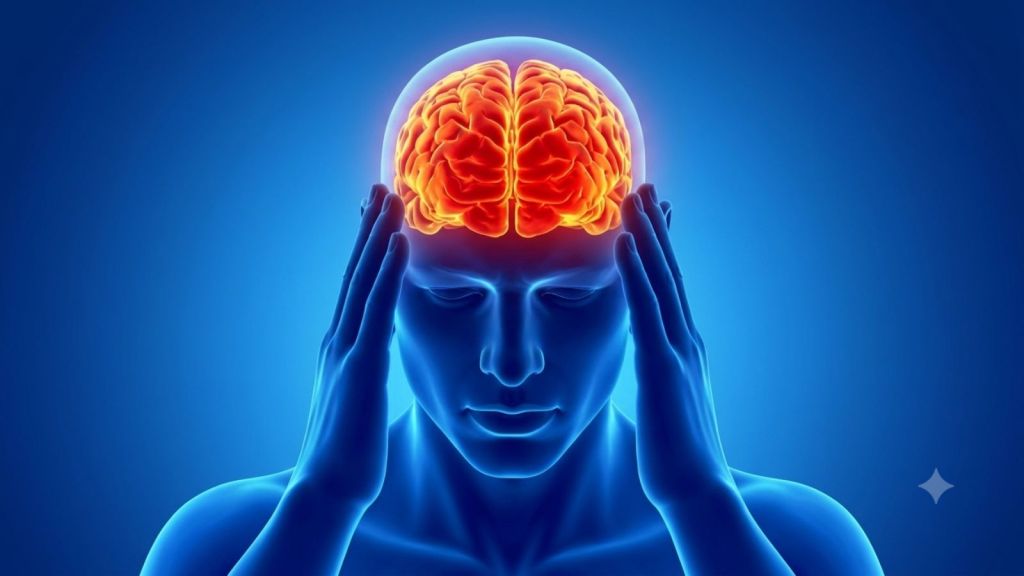
How to Avoid Stress, According to Experts

Stress is an unfortunate fact of modern life and it can have long-term repercussions for our health. Even medical experts are not immune to stress, and their own experiences plus their health expertise leaves them best placed to advise us on how to deal with the problem. From doctors and psychologists, to health coaches and nutritionists, we have collected together medical professionals’ opinions on the best ways to manage stress levels. Their diverse backgrounds provide a variety of opinions, so you should be able to find a method that works for you! 
 
1: Take Time For Yourself 
Holistic health expert and vitality coach Jen Wittman recommends making time to reconnect with yourself. She puts aside four hours a week to write in her journal, read, and breathe deeply. She values this time and views it as her weekly 'reset' button. 
 
Nurse practitioner and co-founder of Women to Women Marcelle Pick suggests using this time to free yourself from all your activities and responsibilities, and consider your life. Some might enjoy attending a formal religious service while others can sit quietly in a peaceful place. Just ensure that you are not focused on a task and can fully relax. She refers to this as time as an “inside job”. 
 
Doctor David Jockers, a corrective care chiropractor, nutritionist, and exercise physiologist spends his alone time out in nature. Being in nature, whether the local park, beach or the mountains can help you feel more relaxed. If you take off your shoes and feel your feet against the Earth, it can help you heal. Similarly, he advocates finding a creative outlet to strengthen your spirit and captivate your heart. 
 
2: Declutter
Design & organization expert Dawn Falcone believes clutter of either your physical space or mental processes can add to your stress levels and detract from your ability to relax and breathe. She advises that you take some time to de-clutter, but don't try and do it all in one day, just start with a drawer or shelf. Falcone explains that if something has stopped making you feel good, it’s time to let it go. She also suggests getting rid of anything that hasn’t been used for the last 6 months. And as for mental clutter she recommends that you cross off any non-priority events on your calendar and delegate tasks where possible, while not being afraid to say 'no' to invitations. 
 
3: Take Supplements 
Many of the experts suggested taking supplements to help your body fight stress on a physiological level. Medical doctor, naturopathic doctor, herbalist, and nutritionist Carolyn Dean endorses taking magnesium, as food doesn’t always provide you with enough of this mineral. Magnesium helps your body make energy, digest food, detoxify heavy metals, relax muscles and nerves, and aids you in getting a good night of sleep. 
 
Digestive health expert and author of the Ultimate Candida Diet program Lisa Richard recommends a dose of good quality probiotics because recent studies have shown that it lowers your physiological response to stress. Naturopathic Doctor Kelly Austin recommends an injection combo of vitamin B12 and B5 as both are known to improve energy levels, mood, memory, focus and overall adrenal health. They also can help relieve nerve pain, burnout and anxiety. 
 
4: Turn to Others
Sue Johnson, psychologist, researcher and founder of Emotionally Focused Therapy advises not to go through stress and uncertainty alone. A loved one’s comfort and touch can encourage the nervous system to calm down. In her opinion confiding in someone you trust can turn-off fear and pain as communicating helps you make sense of your emotions and fears and enables you to receive support. She adds that evidence shows that simply holding someone’s hand can turn off the brain’s alarm response to stress. 
 
Awarding-winning author of 'How to be Sick' Toni Bernhard advocates a technique called Active Listening, where the person listening to you will reiterate how you’re feeling so that you feel heard. She explains that this technique makes you feel deeply cared for and alleviates stress. 
 
5: Proactive Stress Combat - Diet, Sleep and Exercise 
Many professionals encourage a proactive attitude to fighting stress. The ones mentioned repeatedly are diet, sleep, and exercise. Personal trainer and founder of 12 Minute Athlete Krista Stryker finds she de-stresses best with intense workouts. She maintains that the physical exhaustion enables you to clear your head of a day’s worries.

Diane Sanfilippo, certified holistic nutritionist and holistic lifestyle coach advocates avoiding toxic people or situations and strongly recommends prioritizing sleep and not overtraining. She explains that your body is better able to cope when you don’t purposefully expose it to stress-inducing people (or situations) and give it time to rest and restore. To balance intense workouts she embraces more gentle practices such as meditation, walking and yoga, as they lower cortisol levels. 
 
Functional diagnostic nutritionist, corporate holistic health educator, and personal trainer Keri Brooks adds that sex also does this and shouldn’t be ignored as a tool for helping calm stress. Brooks also suggests eating real food and avoiding foods that slow down your adrenal function, and lead to poor sleep and increased irritability such as sugar, fake fats, processed goods, and caffeine. Skipping meals and overeating, she warns, can affect your blood sugar levels and burn your adrenal levels. Like Sanfilippo, she also emphasizes the importance of sleep and recommends having a consistent routine for 'winding down'. 
 
 6: Distraction - Make the unpleasant pleasant 
 Some events and activities are unavoidably unpleasant, taxing and stressful, such as being stuck in traffic or doing the housework. Pharmacist and author of On the Topic of Hashimoto’s Thyroiditis Izabella Wentz recommends turning these stress inducing activities into something more enjoyable. She suggests listening to podcasts or talking to someone on the phone to keep the mind engaged and distracted from worry can reduce your stress levels. It also gives you a chance to connect with a friend or learn about a topic of interest. 
 
7: Pamper yourself with a massage
Founder of Replenish PDX and celebrated functional nutritionist Andrea Nakayama says you can address your adrenal health and reduce your stress with a gentle self-massage with essential oils. Make your hands into fists and rub the area of your back near your kidneys, just above your waist on the rear of your body. She explains that these moments of pampering promotes relaxation and strengthens an overtaxed system. 
 
 
8: Positive body language  
Janine Driver, NY Times best-selling author and president of the Body Language Institute, recommends three body movements to give your body a boost of confidence and drive away any unnecessary stress. 
 
Firstly, before meetings she recommends staying away from smartphones and tablets. Using these devices changes how you position your posture and this affects your demeanor. When you shrink yourself to see a screen this movement undermines your confidence levels and increases stress levels. You will feel more composed and assertive if you avoid the electronic devices prior to a potentially stressful event. 
 
Secondly, she recommends the use of 'power poses'. These are expansive body postures such as posing like Superman with hands on your hips, your hips out and your chest exaggerated. This raises testosterone but lowers cortisol levels, leading to a greater sense of well-being and increased confidence, both healthy ways to alleviate stress.

Thirdly, she suggests clapping and rubbing your hands together. This action sends a message to the brain that success is coming and gets it excited. This trick helps calm nerves and lower anxiety levels.

9: Laughter  
Stressful situations and high running emotions can make you argue with partners, co-workers, and friends, and the idea of simply letting go seems impossible in these heated moments. Instead of lashing out and arguing, corporate coaches, authors, and meditation experts Ed and Deb Shapiro recommend laughing. When you look for the funny side of things this reminds you to not take yourself too seriously and puts your ego in check. They explain that looking on the lighter side of life can help you refocus, remain objective and stay mindful. 
 
10: Chocolate
How to Avoid and Reduce Stress

Doctor Jen Landa, hormone expert and author of The Sex Drive Solution for Women endorses eating chocolate. She elaborates that cocoa is one of the stronger sources of antioxidants, which protect people from unnoticed stressors such as pollutants and pesticides. Cocoa also contains high amounts of magnesium which, as mentioned in #3, has a calming influence. Landa explains that cocoa contains the same chemicals that your body produces when it falls in love, and these can reduce elevated stress levels. 
 
She does caution that the results are best seen when we eat chocolate with 70%-100% cocoa content and low amounts of added sugar so that you won’t send your blood sugar levels spiraling, or gain too much weight.


11: Perspective  
Another concept experts recommend for fighting stress are habits which keep your sense of perspective in check. Dr. Alan Christianson, an author of two books on thyroid disease, makes it an evening ritual to recall three positive things about his day and to think of three positive aspects for the next day. 
 
Naturopathic doctor, and author of MAXIMized Health Andrea Maxim shares the best advice she received about stress: if you can see that you won’t be stressing about whatever’s presently stressing you out in a year’s time, it’s not worth stressing about it now.

Author, speaker, and founder of Flatiron Functional Medicine Doctor Jill Carnahan encourages you to have “an attitude of gratitude”. She recommends keeping a gratitude journal, which can be looked upon in times of stress or anxiety. The practice of looking for the positive gives your mind a boost and can help produce endorphins. This can lower stress levels and encourage other healthy emotions like joy, contentment, and hope. 12. Self-compassion Kinesiologist and creator of the www.healmyadrenalfatigue.com E-course, Kerry Belviso, recommends positive self-talk as a tool that can go a long way in times when you feel overwhelmed and stressed. Negative voices and thoughts can make you feel more disempowered and depleted. When you spend time judging and criticizing yourself, you are less resourceful. Instead, give yourself a break and think of advice you would give a close friend if they were in your situation. Supporting yourself and giving yourself compassion is a practice for relieving stress that many people forget to embrace. 
 
13. Breathing 
It sounds much too simple, but the way you breathe can help fight stress and affect your state of mind. Christa Orecchio, a clinical nutritionist, holistic health counselor, and founder of The Whole Journey explains that slow, deep breathing can help alkalize the body and activate the parasympathetic nervous system. This allows the body to recuperate and regenerate. She warns that as people age, they tend to breathe shorter and shallower breaths, more from the chest. Deanine Picciano, a doctor of oriental medicine, and acupuncture physician specializing in women & children’s health, recommends belly breathing, as this can lower cortisol levels. It lets more oxygen enter your lungs, allowing you to stay focused and centered. 
 
When you’re tense, you’re more likely to tighten your diaphragm muscles. Release and loosen these to achieve full, optimal breathing. She recommends that you start slowly in the lower belly, and then move upward towards the heart. Your breath should fill the bottom of your belly first and move up to the chest. This technique can counter the physical effects of stress. What's more, these exercises can be done anywhere, at any time.


This is only for your information, kindly take the advice of your doctor for medicines, exercises and so on.   


Labels: , , , , , , , , , ,

Monday, March 10, 2025

Foods to Eat and Foods to Avoid for Acid Reflux

 May be an image of text     


This is only for your information, kindly take the advice of your doctor for medicines, exercises and so on.   


Labels: , , , , , , , , , , , , , ,

Thursday, March 06, 2025

What are Emulsifiers? Where it is used and its effects on the body.

Emulsifiers are food additives that help mix ingredients that don't normally mix, like oil and water. They are used in many processed foods, including baked goods, ice cream, salad dressings, and chocolate.

What are emulsifiers used for?
  • Prevent separation: Emulsifiers keep oil and water from separating in products like salad dressings and mayonnaise. 
What are some examples of emulsifiers? 
  • Lecithin
    A natural emulsifier that's found in egg yolks and chocolate. 
  • Create smooth texture: Emulsifiers help create a smooth and cohesive texture in foods like chocolate and ice cream. 
  • Extend shelf life: Emulsifiers can help preserve the freshness of foods.  
  •  Hydrocolloids - A  natural emulsifier made from plants, animals, and aquatic sources.
      
    Xanthan gum- An emulsifier that can come from microbial sources 
     
    Mustard- An emulsifier that helps bind oil and vinegar in salad dressings. 
     
    Egg yolks - An emulsifier that helps bind ingredients in sauces like hollandaise and salad cream
  • Emulsifiers can affect health in a number of ways, including gut inflammation, metabolic disorders, and obesity. However, the Food and Drug Administration (FDA) generally considers emulsifiers to be safe.

    Health effects 
     
    Gut inflammation: Emulsifiers can disrupt the gut microbiome, which can lead to inflammation and diseases like inflammatory bowel disease (IBD). 
     
    Metabolic disorders: Emulsifiers may contribute to metabolic disorders like type 2 diabetes, cardiovascular disease, and liver diseases. 
     
    Obesity: Emulsifiers may contribute to obesity and metabolic syndrome. 
     
     Cancer risks: Some studies have suggested a link between emulsifiers and cancer risks. 
     
     Contact dermatitis: Emulsifiers may cause contact dermatitis (eczema)


    NOTE- It is best ti avoid as far as possible processed foods which contain emulsifiers for your health-sake.


    This is only for your information, kindly take the advice of your doctor for medicines, exercises and so on.   

    Labels: , , , , , , , , ,

    Tuesday, December 12, 2023

    The Effect of Chocolate on Your Brain

     Chocolate candy bars, brownies, chocolate milk, truffles, after-dinner mints, chocolate chip cookies - if it contains chocolate, we love it! Whether it's hot or cold, liquid or solid, it seems that the world just can't get enough chocolate!

    Where Do Chocolate Cravings Come From?

    The Effect of Chocolate on Your Brain

    Undoubtedly, many people can relate to a time when they experienced an almost uncontrollable craving for something sweet and chocolaty. We even have a word for people who frequently experience this - a chocoholic. Due to this being such a widespread phenomenon, scientists have decided to analyze the contents of chocolate and find out just why it seems to make us so happy. They discovered that chocolate contains around 380 distinct chemicals, which is why it's so hard to pin down which combination makes chocolate so magical. That's why further study was required to pin down the connection between the chemicals contained within chocolate and the functioning of the human nervous system. 
     
    The Relationship Between Chocolate & the Nervous System
     
    One researcher at the University of Michigan, Adam Drewnowski decided to discover whether consuming chocolate causes opioids to be produced in the human body. Opioids, named after opium, are chemicals that are known to instill a person with a sense of euphoria. The results of his experiments show that chocolate does indeed cause the brain to naturally produce opioids, and if the brain's opioid receptors become blocked, then the chance of binging on chocolate naturally decreases. 
     
     Emmanuelle diTomaso and Daniele Piomelli, former researchers at the Neurosciences Institute in San Diego looked into chocolate's chemical components and found that it contains at least three substances that "could act as cannabinoid mimics either directly (by activating cannabinoid receptors) or indirectly (by increasing anandamide levels)." A cannabinoid is something that has a similar effect to cannabis, also known as marijuana. In fact, the high that results from smoking or ingesting marijuana is mainly due to a cannabinoid called tetrahydrocannabinol (THC) temporarily binding to THC receptors in the human brain. Curiously, these researchers found that chocolate contains a chemical called anandamide, which binds to the same THC receptors as cannabis, and may result in a similar effect to a marijuana high. However, this chemical is far more common in dark chocolate than milk chocolate since it contains a much greater amount of cacao.
    The Effect of Chocolate on Your Brain
    The reason why chocolate doesn't normally get you as high as marijuana does (and the reason behind why it's legal practically everywhere) is explained by Christian Felder from the National Institute of Mental Health. When compared to the THC in marijuana, anandamide and other cannabinoids in chocolate produce a much weaker effect and stick around in the body for an even shorter time. In fact, Felder estimates that it would take around 25 pounds of chocolate for a 130-pound man to receive a marijuana-like effect. But even though eating chocolate usually doesn't get people to experience a high, it still seems like it contains enough brain-stimulating chemicals to make us feel a little happy and get a little addicted. 
     
    Apart from all of this, chocolate also contains a chemical that's closely related to amphetamines, known as phenylethylamine. Much like amphetamines, phenylethylamine causes blood sugar and blood pressure levels to rise, often resulting in feelings of satisfaction and alertness, and that's exactly why it's often been nicknamed the 'love drug.' While there's still a lot of research that needs to be done on many of the other substances found within chocolate, there's one thing that we can all agree on - life is sweeter with a box of chocolates!


    This is only for your information, kindly take the advice of your doctor for medicines, exercises and so on.   

    https://gscrochetdesigns.blogspot.com. one can see my crochet creations  
    https://gseasyrecipes.blogspot.com. feel free to view for easy, simple and healthy recipes    
    https://kneereplacement-stickclub.blogspot.com. for info on knee replacement
    https://cancersupportindia.blogspot.com  for infor on cancer and health related topics
    https://GSiyers home remedies.blogspot.com   is the latest addition to my blogs. I'm going to add posts there, do give me your valuable feed back on my blogs. Thanks a lot, take care, be healthy and be happy.

    Labels: , , ,

    Sunday, May 08, 2022

    These 13 Foods Taste Much Better When Frozen!

    1. Avocados
    avocado frozen
    The most delicious popsicles don't have to be sugary sweet, in fact, avocados make an amazingly savory alternative. What better mid-afternoon healthy snack can there be than a few frozen slices of avocado with a dash of salt and chili pepper? I can't think of one. 
     
    2. Chocolate
    frozen, food,
    Chocolate is not merely a very popular snack, it's also healthy too. Plus, the sensation of cold chocolate melting sensuously in my warm mouth is something I like to savor each and every day. When they are this cold you can really take your time, no longer wolfing down a whole pack without even appreciating the wondrousness of the chocolate.  
     
    3. Bananas
    frozen, food,
    Frozen bananas can be mashed up to make the simplest of ice-creams or milkshakes. For some reason freezing them removes that odd aftertaste that puts some people off the fruit entirely. The texture is also different when frozen, rather like a fruity popsicle. 
     
    4. Peas
    frozen, food,
    Peas are one vegetable that are probably in your freezer anyway, but if you've never had a bite of a few without defrosting them first, you're missing out on the crunchiest and healthiest little snack your money can buy.

    5. Grapes
    frozen, food,
    These frozen grapes are way better than any candy you can buy but quite similar in terms of the delicious sweetness.  
     
    6. Peanut butter cups
    Whether you make your own, or have always been an admirer of a certain popular brand, peanut butter cups make great frozen treats. The chocolate and peanut butter combine meltingly in your mouth to make an incredible taste sensation that is sure to get you buzzing with energy and enjoyment. 
     
    7. Strawberries

    Strawberries really benefit from being frozen, because, while their flavor remains, the extra crunchiness makes for an even more enjoyable experience. This is one you've got to try. Plus, it's great that you can keep them in the freezer instead of watching them quickly disintegrate in the fridge.  
     
    frozen, food,8. Birthday cake
    frozen, food,
    It's hard to believe, but some people really don't like cakes, as they seem too dry to enjoy. Well, if the cake is frozen, this objection vanishes immediately. If you haven't had frozen cake before, you are really missing a great trick. 
     
    9. Stone fruits
    frozen, food,
    Why do we even bother buying ice pops when we have all these great fruits at our disposable? So, whether you've managed to get your hands on some bargain, in-season peaches, pears, or whatever, pop them in the freezer for a succulent dream. As they melt, the fruits gently fill your mouth with a sweetness and juiciness that is impossible to resist.  
     
    10. Pecans
    frozen, food,
    The extra crunch you get from frozen pecans takes them a step above regular nuts, for some reason they also seem to taste even better too.  
     
    11. Blueberries
    frozen, food,
    Blueberries are well known as delightful frozen treats. Have you tried their amazing chilled consistency yet? You'll be blown away by how refreshing they are.  
     
    12. Mangoes
    frozen, food,
    You can make some insanely delicious mango ice-cubes when you slice up the large fruit appropriately and store in the freezer. 
     
    13. Coffee beans
    frozen, food,
    Coffee beans are renowned for their ability to really give you that great pick-me-up feeling. But, instead of having that drink, have you ever tried eating a few frozen beans? They are just like a crunchy iced-coffee! What a great idea this is!

    This is only for your information, kindly take the advice of your doctor for medicines, exercises and so on.   

    https://gscrochetdesigns.blogspot.com. one can see my crochet creations  
    https://gseasyrecipes.blogspot.com. feel free to view for easy, simple and healthy recipes    
    https://kneereplacement-stickclub.blogspot.com. for info on knee replacement


    Labels: , , , , , , , , , , ,