Friday, August 28, 2026

These Handy Charts Will Help Stop a Migraine in Its Tracks

 A migraine can be quite unbearable. During a migraine, the blood vessels around your brain expand and begin to irritate the tissue and nerves around them causing the pain. So, if you, or someone you know, suffers from migraines and headaches, be sure to check out these warning signs, tips and remedies to help you avoid a migraine.

1. The Difference Between a Migraine and a Headache 

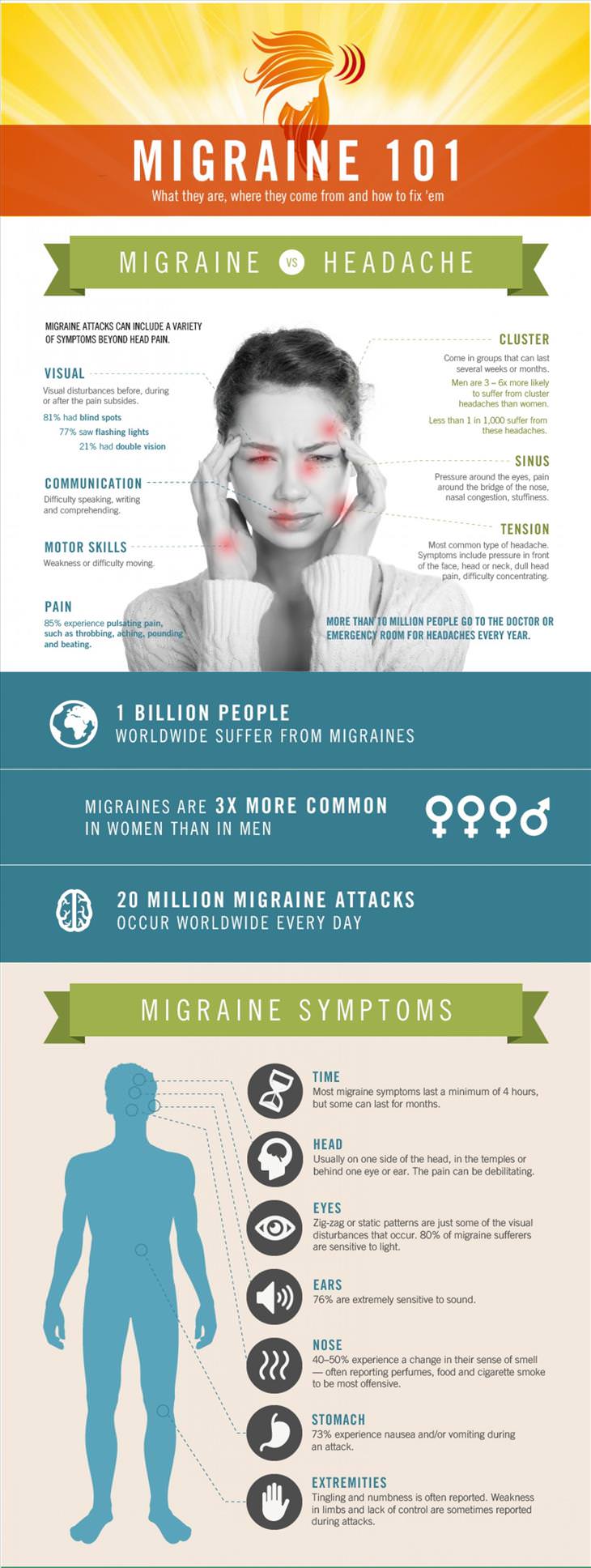
The exact cause of a migraine is unknown. Researchers believe that it's a neurological problem, however a number of factors can trigger pain, some of which include tension or stress, hormonal or environmental changes, long term exposure to the sun, a lack of sleep, the consumption of alcohol and certain foods as well as skipped meals and poor diet. The chart below gives a clear overview on migraines, as well as three common types of migraines and headaches (as indicated on the right side of the chart). The image below goes on to explain possible migraine symptoms too.
migraines

2. What Type of Headache Do You Have? 

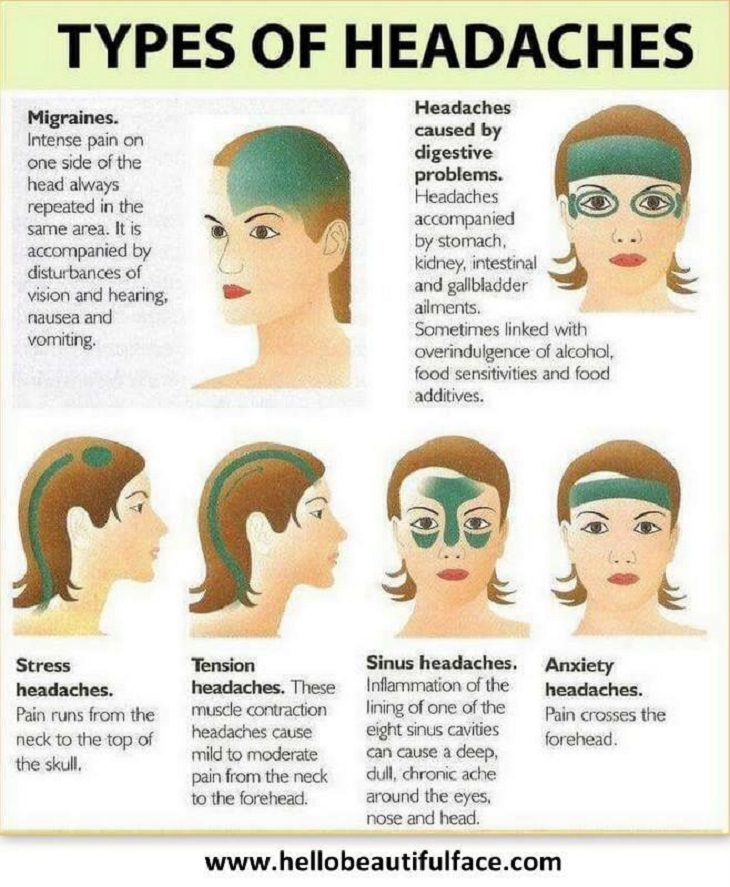
 The diagram below looks into the types of headaches sufferers may experience and what each one represents. A common headache trigger includes anxiety. In such a headache, the pain usually occurs across the forehead. While in stress headaches, pain runs from the top of the neck all the way up to the top of the skull. Which type of headache do you have? Refer to the chart below.
migraines3. What are the Triggers and the Causes of a Migraine? 

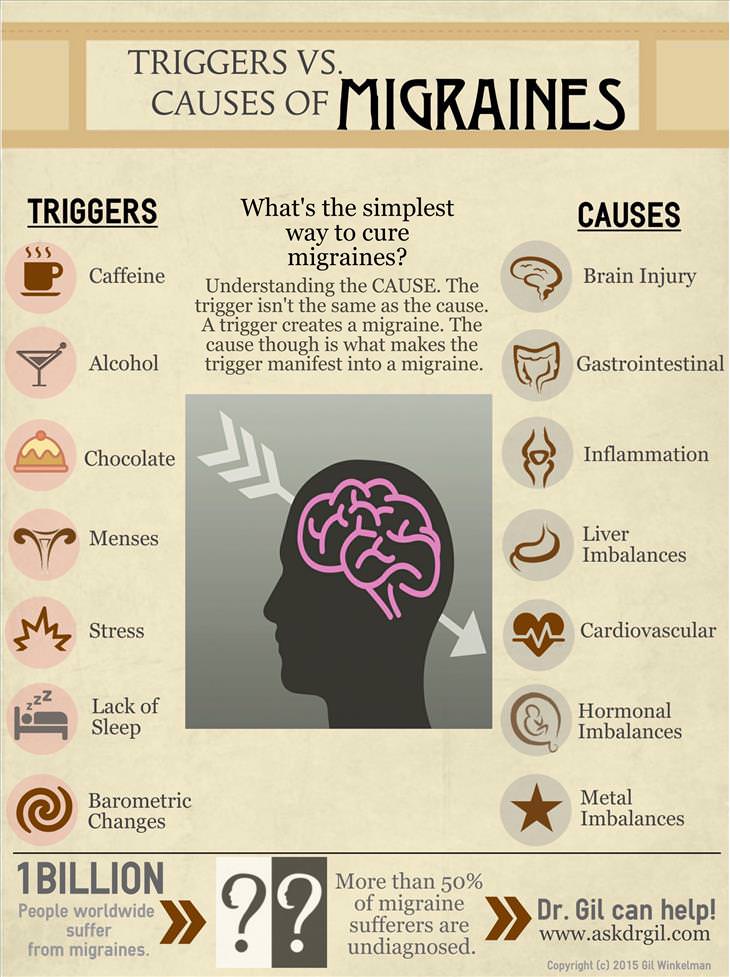
A number of factors may potentially trigger a migraine. These include factors like food, menstruation, alcohol, stress and lack of sleep. On the other hand, your migraines may be caused by an underlying issue. If you do suffer from migraines, consult with your doctor and determine whether it could be related to factors like a hormonal imbalance, cardiovascular problems, inflammation and more. Refer to the chart below for a better overview. 

migraines 

4. What are the Symptoms of a Migraine?  

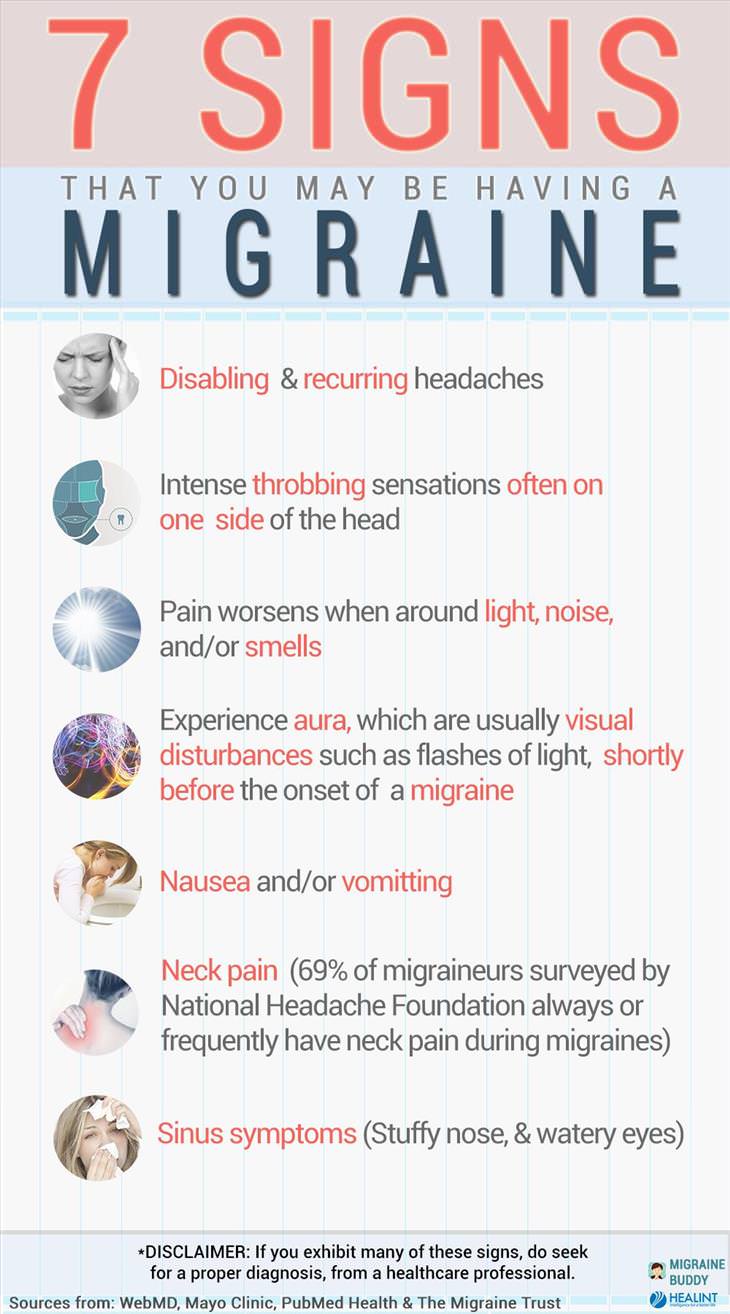
When you are about to experience a migraine, there are certain signs to be on the look out for. If you experience one of the following, take action immediately (read on to discover more), stopping your migraine in its tracks. On this note, if you exhibit many of these signs, it's important to seek a proper diagnosis from a healthcare professional.
migraines 

5. What Home Remedies May You Benefit From? 

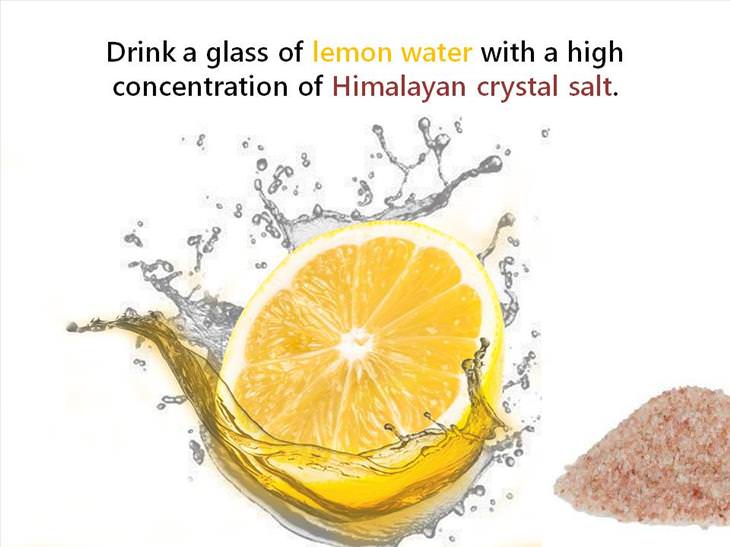
The two charts below look into two drinks that you can try to stop a migraine in its tracks. For a simple but effective remedy you could try a glass of lemon juice with Himalayan Salt. If this drink is not to your liking, try the green smoothie below, which has been hailed a "miracle migraine drink

migraines

migraines 6. What Food Should I Avoid? 

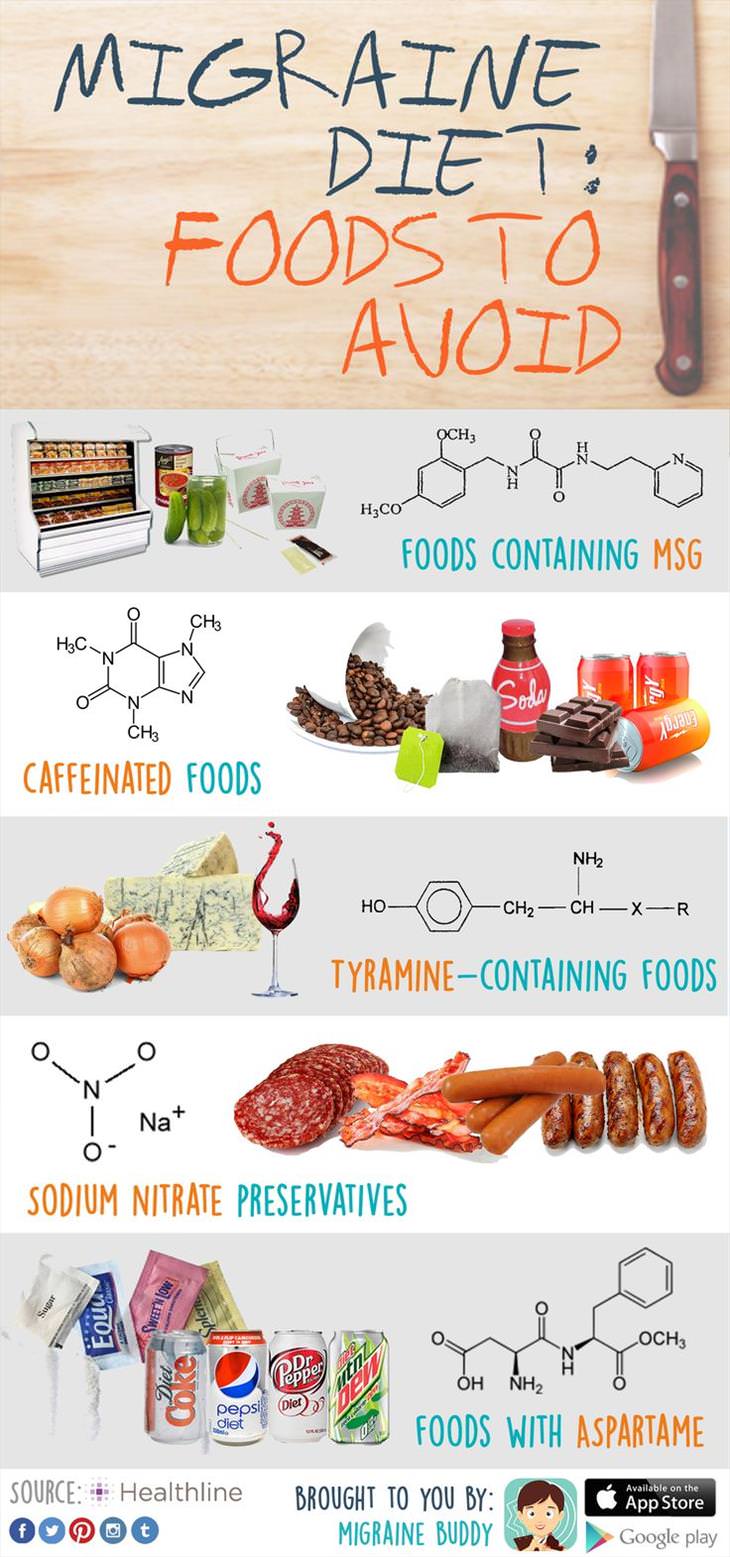
Food plays an important role, many of which may be a cause for your migraines. The chart below looks into 5 types of foods you should exclude. It's therefore important to seek out the nutritional information labels on each product in order to determine whether they contain the following:
migraines 

7. What Foods Should I Consume? 

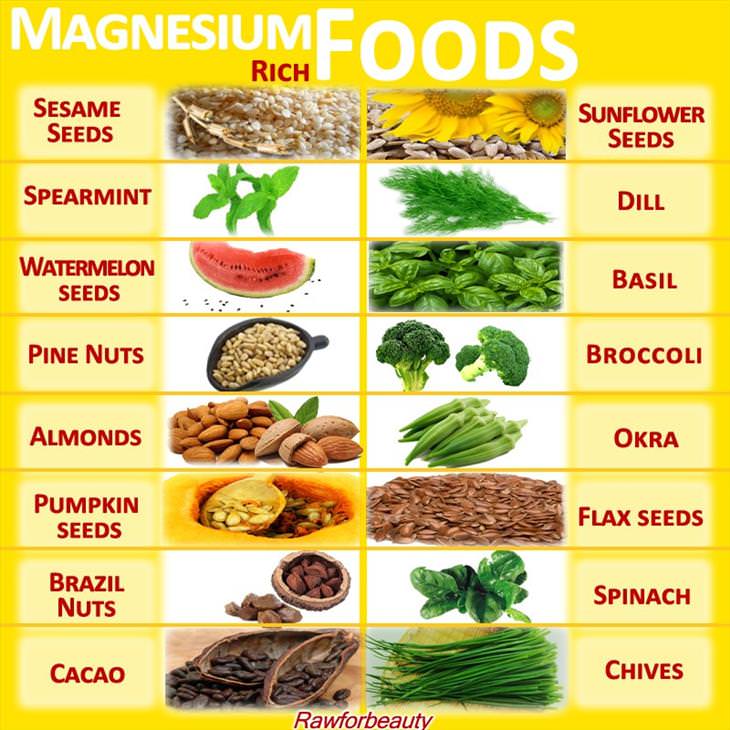
Research shows that people with migraines often have low levels of magnesium. In fact, magnesium is thought to affect changes in the blood vessels in the brain. Supplements are at times recommended, but for a more natural alternative, up your magnesium with the following list of foods:
migraines

8. What Exercise Can I Do? 

Exercise forms an important part of a healthy lifestyle. Try to dedicate at least 20 minutes of the day to yoga. If it's your first time, do consult with a trained practitioner. Yoga is a great way to help those suffering from headaches. The following poses are most beneficial for migraine sufferers:

migraines


This is only for your information, kindly take the advice of your doctor for food, medicines, exercises and so on.   


Labels: , , , , , , , , , , , , , ,

Friday, December 05, 2025

Health Benefits Of Chives

If there is a spice plant that we particularly love, not because its taste is strong like onion or garlic, for example, but precisely because it is delicate and pleasant in the mouth – it is chives. This wonderful spice plant, whose full name is garlic chives (and botanically, it actually has no connection to the wild chive plant), is used to prepare a variety of dishes, such as salads and omelets, as a topping for potatoes or often added to white cheeses. What you may not have known about it is that it is a plant with numerous health benefits, and there are historical records from the Roman Empire period indicating its use for medicinal purposes. To help you understand more about the health benefits that chives hold, we have prepared a list of the 10 most prominent ones – read it, and you will undoubtedly want to consume more of it to support your body.
 Health benefits of chives: Garlic chive flower  Health benefits of chives: Chopped chive leaves on a slice of bread spread with cheese


1. Helps Protect the Heart  
 
The compound allicin, which chives are rich in, is responsible for making this spice plant highly beneficial for your heart. Allicin is known as a substance that helps the body lower blood pressure levels, as it releases nitric oxide into the bloodstream, making blood vessels less rigid, allowing smoother and better blood flow, and reducing the buildup of plaque that clogs veins and causes blood clots. Additionally, allicin helps increase levels of HDL cholesterol, the "good" cholesterol, and reduces levels of LDL cholesterol, the "bad" cholesterol – another property that undoubtedly works in favor of the heart, as supported by a study published in 2012. Furthermore, the vitamin C in chives improves the elasticity of blood capillaries and enhances the body’s iron absorption, while the folic acid in the plant prevents the narrowing of blood vessels.

2. Strengthens Bone Health  
 
Chives contain a significant amount of vitamin K – a component that makes a substantial contribution to the health and strength of the body’s bones. This vitamin helps maintain the integrity and density of bones and supports the regulation of body cells that prevent mineral loss from bones. Additionally, vitamin K promotes the production of a protein called osteocalcin, which is significant for maintaining bone mineral density. Above all, it’s worth knowing that adequate consumption of vitamin K, for example, by incorporating chives into various foods and dishes, can reduce calcium excretion through urine, which is one of the common causes of bone depletion.

3. Eases the Digestion Process 
 
One of the most beneficial properties of chives lies in their ability to help the body eliminate a variety of harmful bacteria, fungi, and yeasts that reside in the intestines and digestive tract, which can significantly harm the body and the digestion process. Among other things, the antibacterial properties of chives can help eliminate no less than 30 strains of Salmonella, a notorious bacterium that can cause severe intestinal distress. Chives contain an excellent combination of dietary fiber along with components such as B vitamins (B3, B5, B1), phosphoric acid, and zinc – all known to ease the digestive system and accelerate its function. This phytochemical mixture can also alleviate stomach pain, so it is recommended to eat chives when you experience such discomfort. 
 
 
4. Contributes to Strengthening and Supporting the Immune System  
  
Not only can your digestion process improve and be supported by consuming chives – but your entire immune system, which keeps your body strong, can benefit as well. In addition to everything we’ve mentioned so far, it should be noted that chives contain a moderate amount of selenium, a mineral important for strengthening the immune system. Immune cells lacking selenium may struggle to produce proteins and transport calcium. Furthermore, the vitamin C in chives supports the immune system, helping to enhance the production of white blood cells and collagen, a vital component for the regeneration of arteries, tissues, and muscles.


5. Beneficial for Pregnant Women 
 
Another essential component found in chives, which is of utmost importance for pregnant women, is folic acid – crucial for ensuring the fetus’s well-being and proper development. This acid prevents the formation of defects in the neural tube of the fetus and generally aids in brain development, cell division, and DNA synthesis. Therefore, it is recommended for women who are even just trying to conceive to consume high doses of it – primarily through dietary supplements, but also by eating foods rich in it, such as chives. 
 
6. May Support Skin Health  
 
Chives can benefit not only the body’s internal systems and organs but also our external appearance – specifically our skin and hair, which we care for just as much. Chives are an excellent source of beta-carotene, an antioxidant that stimulates skin vitality and helps it glow; the vitamin C in chives, which we’ve already discussed in the context of the immune system, also has antioxidant properties that help combat skin aging and reduce the appearance of wrinkles, stretch marks, and acne.


7. Preserves Vision Ability  
 
Not only carrots or various colorful vegetables can help you maintain eye health and high vision capabilities – the greenish chives also have this ability, a benefit worth utilizing. This advantage is linked to the compounds lutein and zeaxanthin found in chives, which help reduce oxidative stress on the eye, strengthen overall vision, and prevent the development of cataracts. Another component in chives is quercetin, which studies have found helps preserve vision in those suffering from macular degeneration.

8. Helps Cleanse the Body of Toxins 
 
Chives have a mild diuretic effect, which, combined with their other virtues – such as the antioxidant activity they promote and the antibacterial properties we’ve already detailed – greatly aids in cleansing and purifying the body of harmful substances. By increasing urination, chives help the body eliminate the accumulation of toxins, salts, and even fats – and when this happens, the body’s systems and organs can function more smoothly, ensuring that toxic and dangerous substances are properly expelled from the body.

9. Improves Sleep Quality and Mood 
 
In addition to all the components, nutrients, and vitamins we’ve already mentioned that chives are blessed with, you can also find choline in them – a small compound that serves as a precursor to several other important compounds in many living organisms’ cells. It is also a vital component for us humans, helping to promote good and proper sleep. It is well known that good sleep is an important factor in our quality of life and can help regulate our mood – so chives can certainly be credited with an advantage in supporting mental well-being. Furthermore, the folic acid we’ve already told you is present in chives is known to promote the production of dopamine and serotonin in the body – two significant hormones responsible for elevating mood and fostering a sense of well-being.

10. Contributes to the Body’s Ability to Fight Cancer 
 
According to a study published in 2008 in the professional journal for biological, biotechnological, and biochemical sciences, chives contain a chemical compound called Diallyl trisulfide, which may have the potential to help the body fight cancer. Another study conducted at Nihon University in Japan and published in the Asian-Pacific Journal of Cancer Prevention found that the risk of developing cancer may be lower among people who regularly consume foods from the garlic plant family, which includes chives, and which contain an exceptionally high concentration of the aforementioned anti-cancer compound. Another study worth mentioning in this context was published in 2015 in the journal for cancer prevention research, highlighting the importance of sulfur compounds found in chives and other garlic-related vegetables and their distinct ability to reduce the biological activity of carcinogenic factors in the body.


This is only for your information, kindly take the advice of your doctor for medicines, exercises and so on.   


Labels: , , , , , , , , ,