Friday, August 28, 2026

These Handy Charts Will Help Stop a Migraine in Its Tracks

 A migraine can be quite unbearable. During a migraine, the blood vessels around your brain expand and begin to irritate the tissue and nerves around them causing the pain. So, if you, or someone you know, suffers from migraines and headaches, be sure to check out these warning signs, tips and remedies to help you avoid a migraine.

1. The Difference Between a Migraine and a Headache 

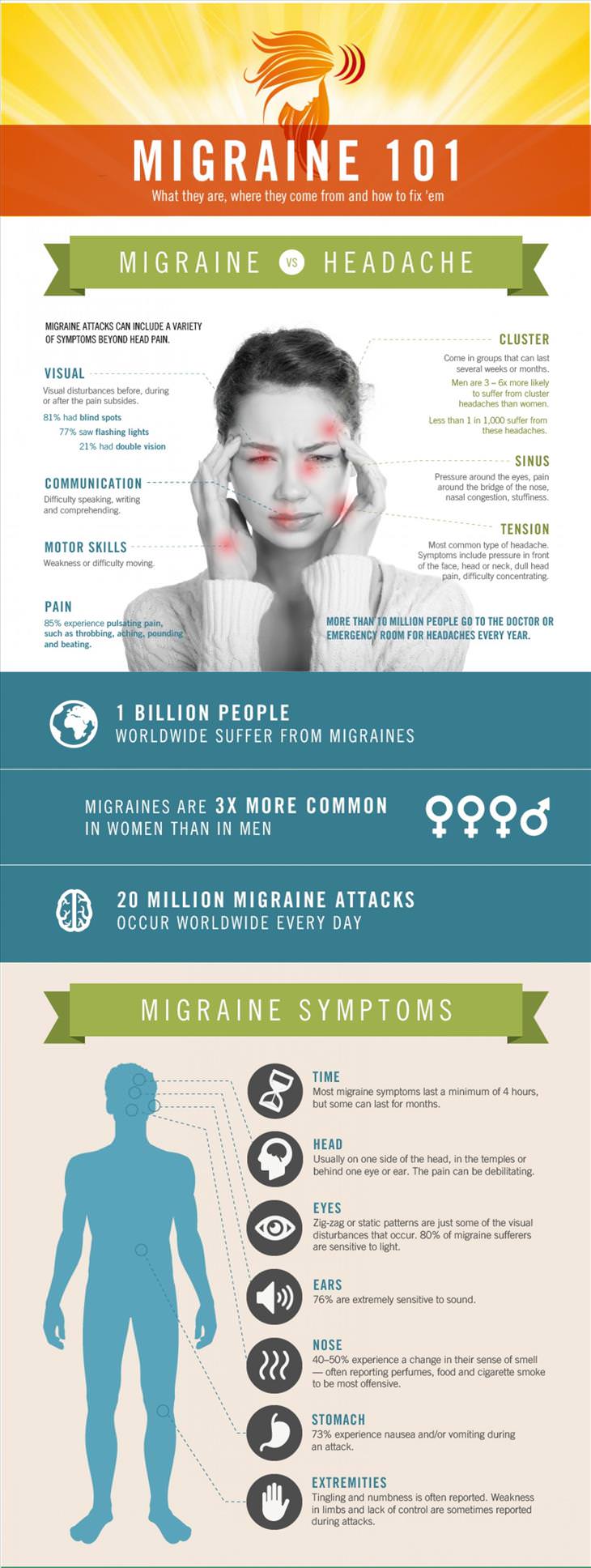
The exact cause of a migraine is unknown. Researchers believe that it's a neurological problem, however a number of factors can trigger pain, some of which include tension or stress, hormonal or environmental changes, long term exposure to the sun, a lack of sleep, the consumption of alcohol and certain foods as well as skipped meals and poor diet. The chart below gives a clear overview on migraines, as well as three common types of migraines and headaches (as indicated on the right side of the chart). The image below goes on to explain possible migraine symptoms too.
migraines

2. What Type of Headache Do You Have? 

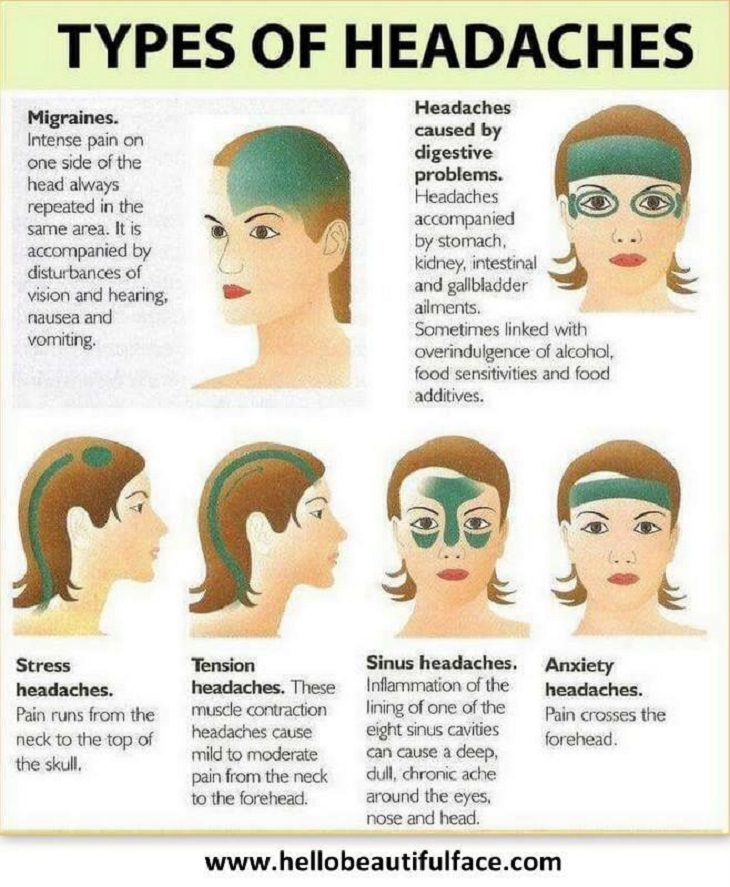
 The diagram below looks into the types of headaches sufferers may experience and what each one represents. A common headache trigger includes anxiety. In such a headache, the pain usually occurs across the forehead. While in stress headaches, pain runs from the top of the neck all the way up to the top of the skull. Which type of headache do you have? Refer to the chart below.
migraines3. What are the Triggers and the Causes of a Migraine? 

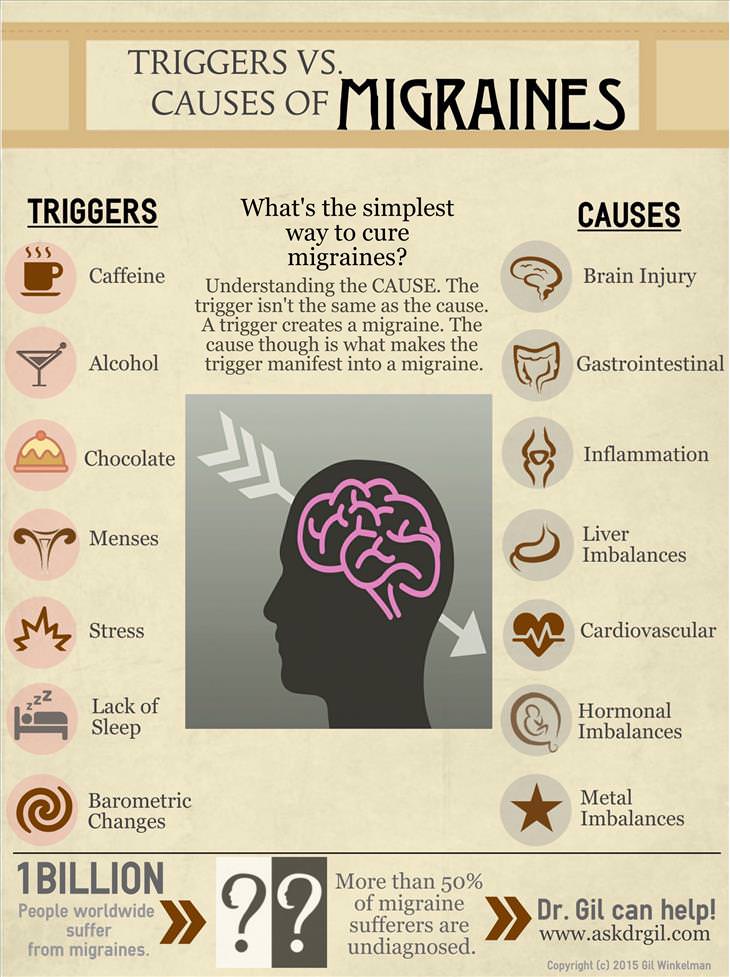
A number of factors may potentially trigger a migraine. These include factors like food, menstruation, alcohol, stress and lack of sleep. On the other hand, your migraines may be caused by an underlying issue. If you do suffer from migraines, consult with your doctor and determine whether it could be related to factors like a hormonal imbalance, cardiovascular problems, inflammation and more. Refer to the chart below for a better overview. 

migraines 

4. What are the Symptoms of a Migraine?  

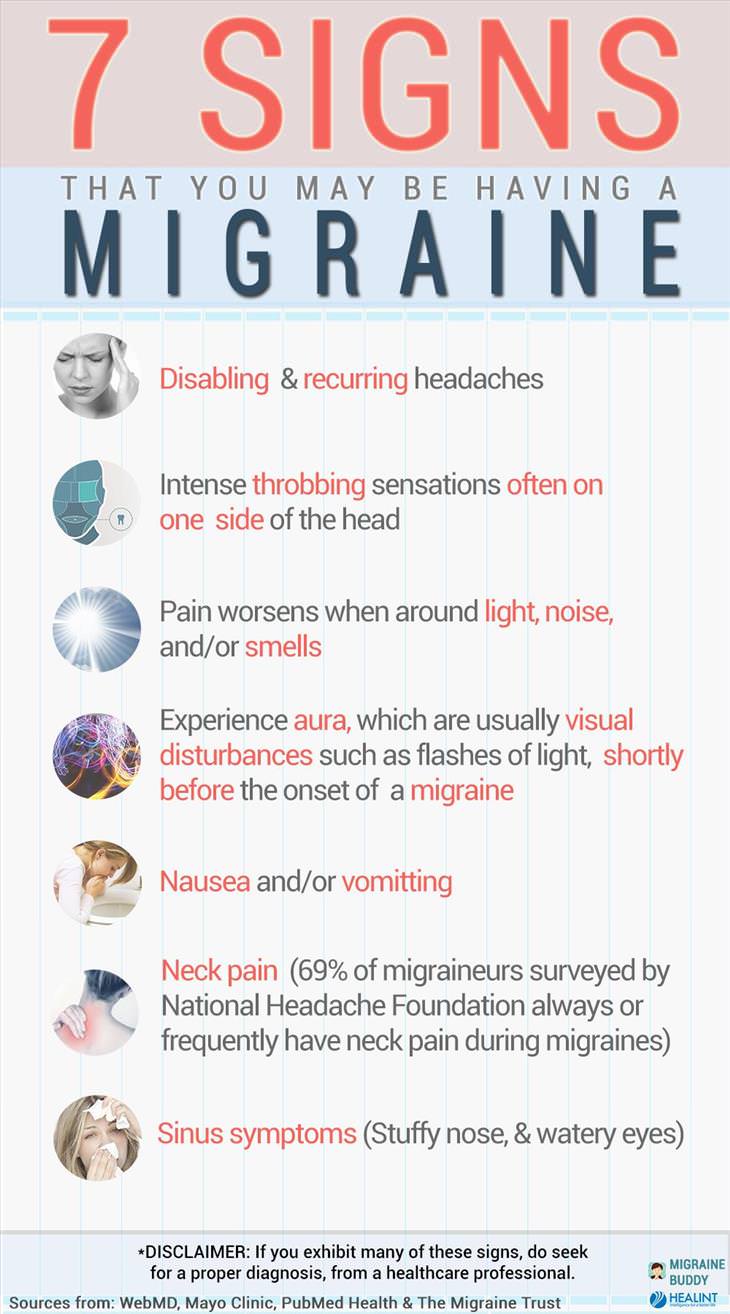
When you are about to experience a migraine, there are certain signs to be on the look out for. If you experience one of the following, take action immediately (read on to discover more), stopping your migraine in its tracks. On this note, if you exhibit many of these signs, it's important to seek a proper diagnosis from a healthcare professional.
migraines 

5. What Home Remedies May You Benefit From? 

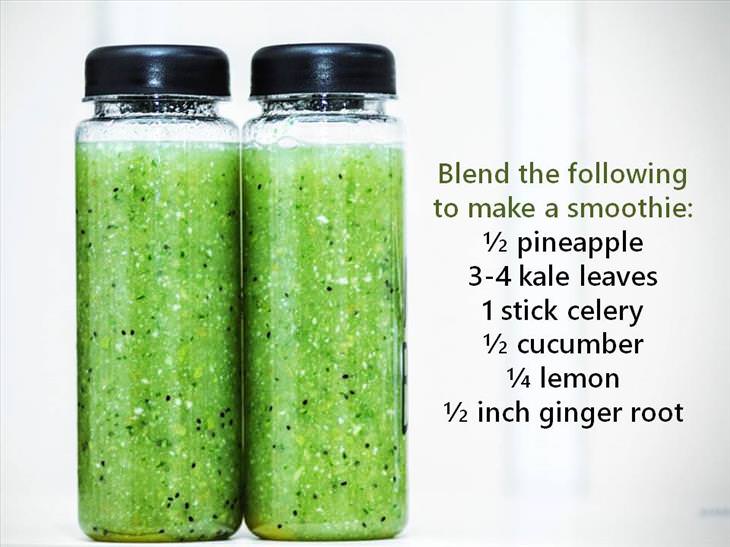
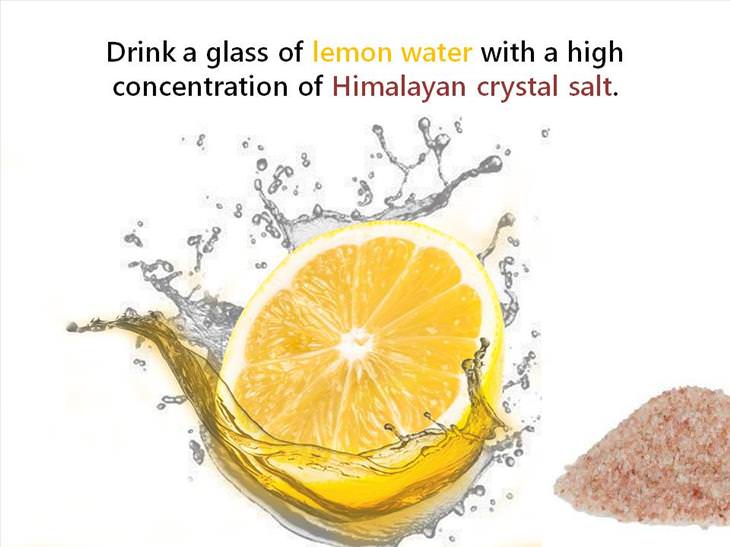
The two charts below look into two drinks that you can try to stop a migraine in its tracks. For a simple but effective remedy you could try a glass of lemon juice with Himalayan Salt. If this drink is not to your liking, try the green smoothie below, which has been hailed a "miracle migraine drink
migraines

migraines 6. What Food Should I Avoid? 

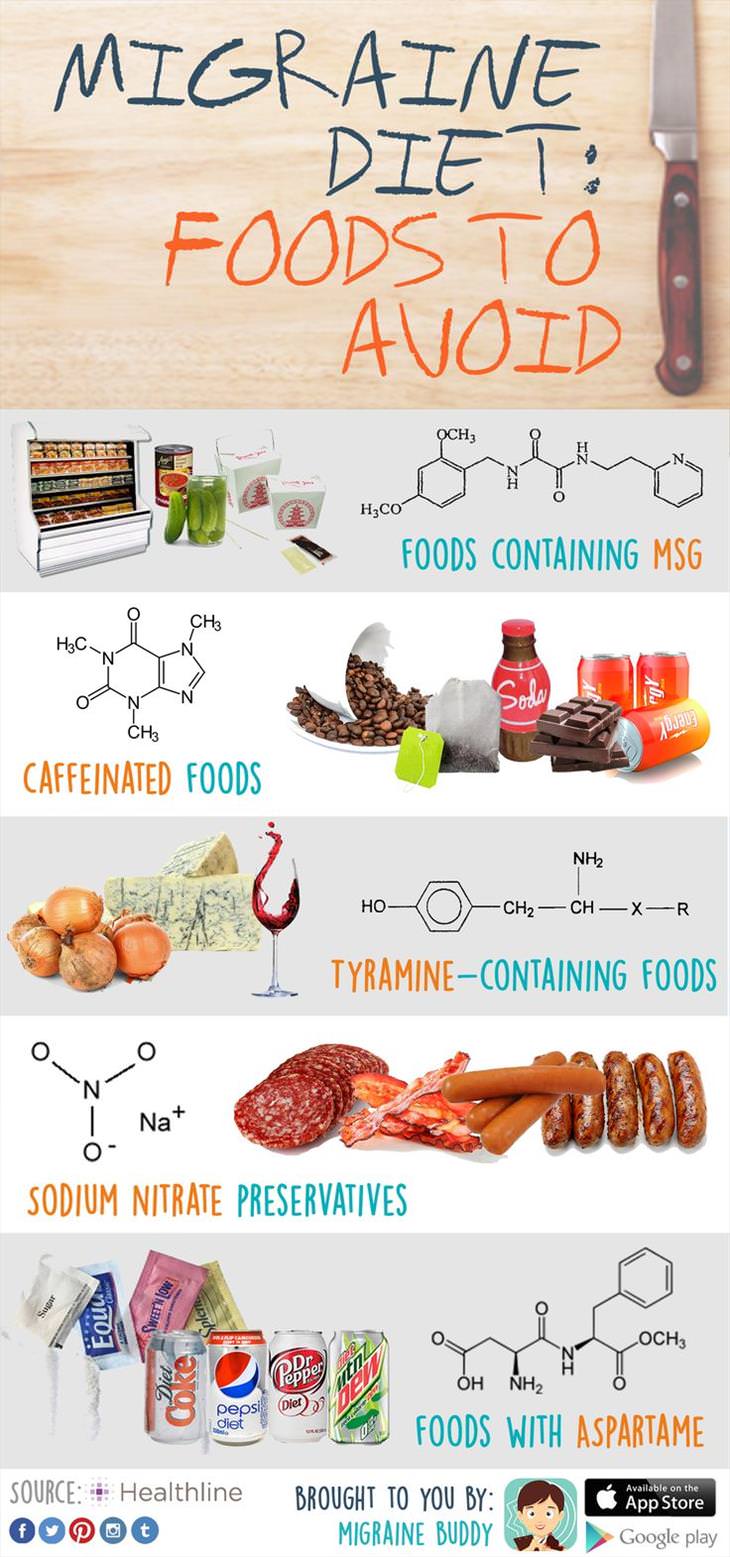
Food plays an important role, many of which may be a cause for your migraines. The chart below looks into 5 types of foods you should exclude. It's therefore important to seek out the nutritional information labels on each product in order to determine whether they contain the following:
migraines 

7. What Foods Should I Consume? 

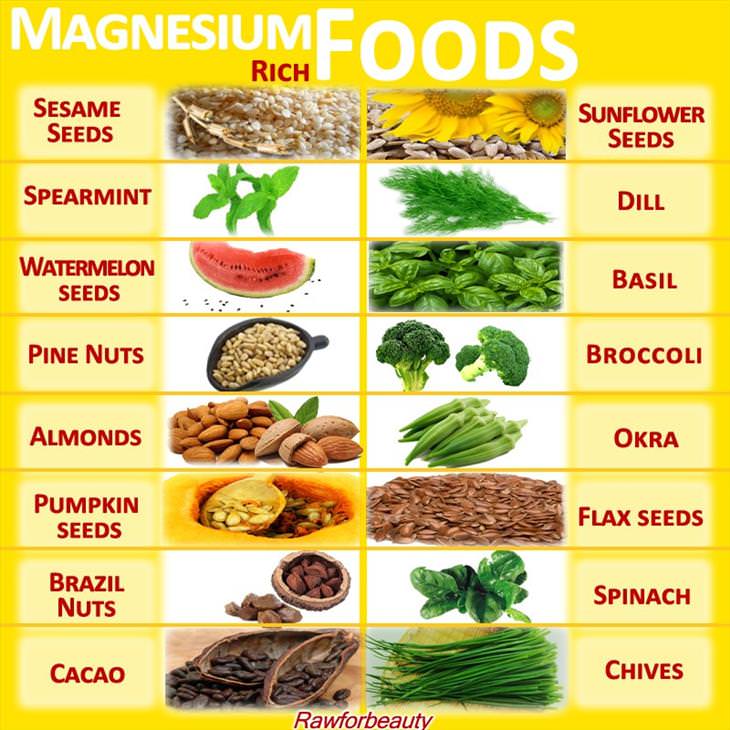
Research shows that people with migraines often have low levels of magnesium. In fact, magnesium is thought to affect changes in the blood vessels in the brain. Supplements are at times recommended, but for a more natural alternative, up your magnesium with the following list of foods:
migraines

8. What Exercise Can I Do? 

Exercise forms an important part of a healthy lifestyle. Try to dedicate at least 20 minutes of the day to yoga. If it's your first time, do consult with a trained practitioner. Yoga is a great way to help those suffering from headaches. The following poses are most beneficial for migraine sufferers:

migraines


This is only for your information, kindly take the advice of your doctor for food, medicines, exercises and so on.   


Labels: , , , , , , , , , , , , , ,

Tuesday, July 28, 2026

18 Smart Ways of Getting Rid of Warts

Warts are the result of viral infections caused by the Human Papillomavirus (HPV). Today we are aware of about 100 different types of warts in various forms that attack different areas of the body. Although warts usually result in discomfort and aren’t very aesthetic, there are cases where HPV can cause cancer. A wart can disappear untreated after a while, but may also remain on the body for years and even reappear after treatment. Either way, none of us want warts and before running to the dermatologist you should know the ways you can treat them at home. 

1. Salicylic acid 

This is a substance that can be found in pharmacies as solutions that can be applied to the wart or as sponges that are soaked in the solution. The advantage of salicylic acid is that it works well, but the disadvantage is that it requires daily treatment and can take several months before its effects kick in. To improve the effectiveness of the solution, it is recommended to scratch the wart with a fingernail before applying. In any case, consult a pharmacist or a dermatologist before use. 

2. Insulating tape 

This strong tape can help treat warts with the same efficiency as salicylic acid, just wrap a piece of insulating tape around the wart and replace it every day, don’t wrap it too tightly to keep the blood flowing to the area. This might sound strange, but it works.

3. Garlic  

A number of studies have suggested rubbing a clove of garlic on the wart every night and even wrapping it with garlic. It seems that the anti-inflammatory and anti-viral substances in garlic help fight the skin infection. Also, eating garlic regularly helps boost the immune system. 

4. Freezing and puncturing 

Place ice on the wart and meanwhile, sterilize a needle with disinfectant or boiling water. Once the wart is frozen, puncture it several times in several directions and points. Be sure to penetrate all skin layers. This action will help to signal to your body that there is an infection and thus allowing the immune system to locate and destroy the wart. The treatment is useful in the case of several warts, as the immune system will know to identify them all and eliminate them.

5. Baking soda and castor oil 

Mix baking soda with castor oil until you get an ointment. Apply the salve to the wart, bandage it and leave overnight. The acid in the castor oil fights the wart and helps the skin heal. Remove the bandage in the morning and repeat the procedure for several days until the wart disappears. 

6. Hot water 

Soaking foot warts in hot water can help the healing process. The hot water softens the wart and can kill the virus. Make sure it isn’t hot enough to burn you. It is recommended to use seawater or add sea salt or Epsom salt to regular water.

7. Vitamin C  

Crush a tablet of vitamin C into powder, and mix with water until you create a paste. Put it on the wart and wrap it in a bandage. Repeat until completely healed.

8. Vitamin E 

The same action can be performed with vitamin E. Pop a vitamin E capsule and apply the oil to the wart. Wrap in leucoplast (tan-colored zinc oxide tape for securing dressings) and remove at night to allow the area to breathe. Repeat 3 times a day. 

9. Citrus Peel 

Cut a little piece of lemon or lime peel, if you do not have them at home you can also use orange peels. The piece should be slightly larger than the wart. Soak the peel in vinegar and place the white part of the skin to the wart holding it on with a bandage. Replace the peel every day and after about a week, the wart should disappear completely.

10. Basil 

Crush fresh basil leaves and apply the juice directly on the wart. Repeat every day for a week. The anti-viral agents in the basil leaves will help kill the virus. 

11. Toothpaste 

Apply toothpaste to the wart and wrap it in a bandage. Keep it on for an entire day and repeat until the wart disappears. The ingredients in toothpaste dehydrate the skin, preventing the wart from growing, and in fact "suffocate" the virus. 

12. Tea tree oil  

The beneficial components of tea tree leaves are known to be useful for solving a number of health problems, including warts. The oil is a concentrated extract of tea tree’s components, and applying it on a wart causes them to directly attack the virus. Soak the wart in the tea tree oil and cover in a bandage. Continue treatment for about three weeks. 

13. Carrots and olive oil 

Grate as much carrot as possible and add olive oil. The beneficial ingredients in both carrots and olive oil will help eliminate the virus and get rid of the wart. Apply the solution to the wart and let it sit for half an hour. Repeat treatment twice a day for two to three weeks. 

14. Figs 

Prepare a fig mask by squeezing fresh figs. Apply the juice to the wart and leave it for half an hour. Repeat every day for two to three weeks. Not only will the figs hasten the disappearance of the wart, they will also make your skin super soft.

15. Pineapple juice
 

Soak your feet in pineapple juice. The tropical fruit contains a soluble enzyme that will help get rid of the wart. Rinse your feet thoroughly after treatment and repeat at least twice a week. 

16. Banana peel 

Banana is a fruit rich in potassium and so is its peel. Potassium may speed up the healing process of many types of warts in various parts of the body. Rub the wart using the inside of a banana peel daily. 

17. Dandelion flower 

Pulling the head of a dandelion of its stem produces a white milky liquid which happens to get rid of warts. Apply this liquid to the wart and wrap it in a bandage. Repeat treatment 3-4 times a day. 

18. Apple vinegar

Dip a cotton ball in apple vinegar and place it on the wart keeping it put with a Band-Aid. Change the Band-Aid and cotton ball every night and after about a week the wart will begin to peel off. If there is anything left on your skin you can use a pumice stone or something similar to help scrape it off.


This is only for your information, kindly take the advice of your doctor for food, medicines, exercises and so on.   


Labels: , , , , , , , , , , , , , ,