Thursday, October 15, 2026

These Foods Are Essential for a Healthy Gut System

You've probably heard of probiotics—those live microorganisms present in cultured dairy products and other fermented foods. Whether it's the yogurt you consume for breakfast, the kefir smoothie for a midday snack, or a kimchi rice bowl for dinner, probiotics are prevalent in many popular foods. But have you ever explored the world of prebiotics? What exactly are prebiotics, and what's behind the surge of interest in them in the nutrition world?

What are Prebiotics?
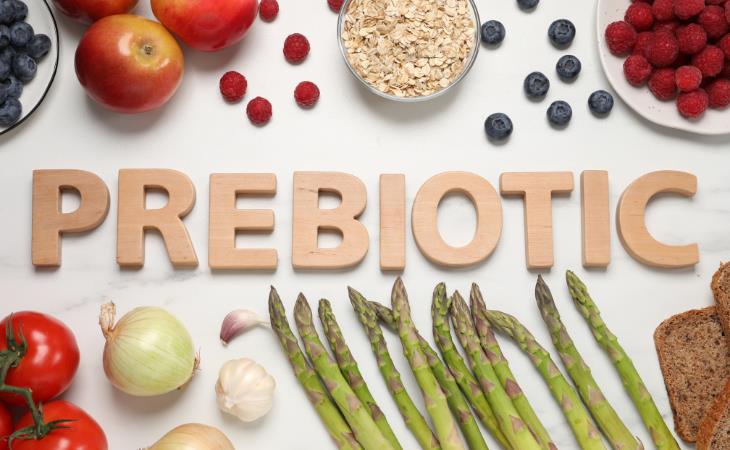
 
Prebiotic
Prebiotics are indigestible plant fibers that promote the growth of beneficial bacteria in your gut. Unlike probiotics, which are beneficial bacteria, prebiotics feed the good bacteria in the lower digestive tract. Do note that not all dietary fibers qualify as prebiotics. Well-established prebiotics include inulin, fructo-oligosaccharides (FOS), and galacto-oligosaccharides (GOS).

Including more prebiotic-rich foods in your diet can benefit your digestive system, your nervous system, your immune system, and your cardiovascular system. This dietary adjustment may help in: 

Stabilizing blood sugar levels 

Managing a healthy weight 

Lowering blood lipid levels 

Promoting optimal intestinal motility 

Nourishing beneficial gut bacteria 

Here are the best prebiotic foods recommended by registered dietitians for better gut health. 

1. Dandelion Greens
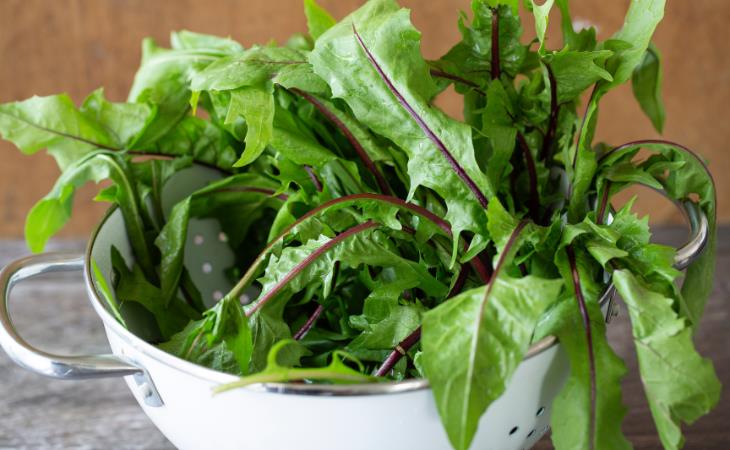
 
Dandelion greens

Dandelion greens, which are high in inulin (a soluble dietary fiber that stimulates healthy gut bacteria like Bifidobacteria), have 3.5 grams of fiber per 100-gram serving and are beneficial to a healthy diet. Apart from their fiber content, these greens are high in antioxidants, which are essential for protecting cells and lowering the risk of severe diseases such as cancer, cardiovascular disease, and Alzheimer's. Embrace the nutritional benefits by including dandelion greens in your favorite recipes, such as salads, green juices, and smoothies. 

2. Barley
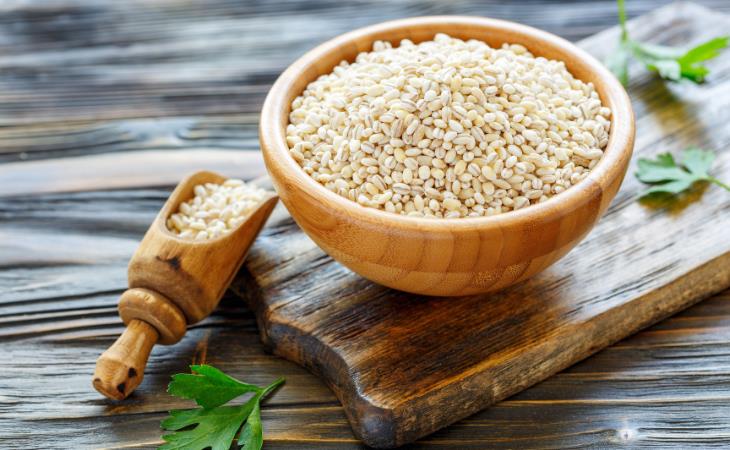
Barley

Barley, an often overlooked grain in many kitchens, has a high nutritional value with significant amounts of fiber and protein. A half-cup serving of cooked pearled barley, or around 79 grams, has 3 grams of fiber.

Recent research reaffirms prior studies on the prebiotic potential of cereal grains. Barley, in particular, stands out for its high levels of beta-glucan, a compound not only known for its prebiotic qualities but also valued as a functional food ingredient due to its ability to thicken, stabilize, and emulsify foods. Adding barley to stir-fries, soups, or side dishes shows promise for prebiotic benefits. 

3. Mushrooms
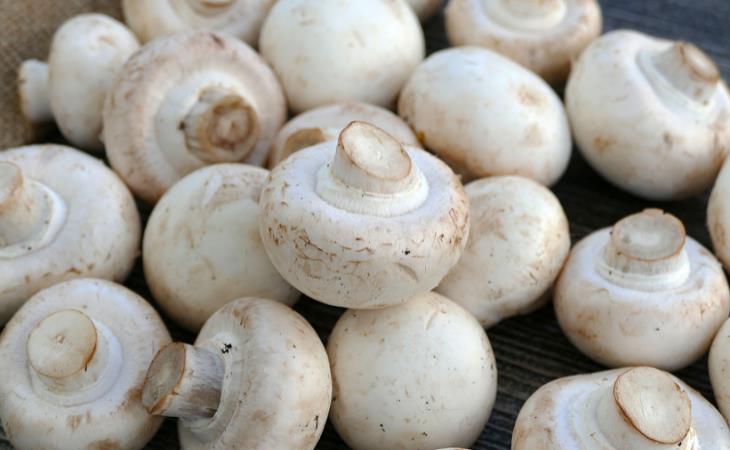
Mushrooms
Almost all edible mushrooms are rich in carbohydrates such as chitin, beta- and alpha-glucans, as well as other compounds that function as prebiotics. Furthermore, mushrooms contain essential amino acids and minerals, including calcium, potassium, magnesium, iron, and zinc, which contribute to energy production and immune system enhancement. 

Consider using portobello mushrooms or embellishing a simple stir fry with chopped mushrooms. These culinary alternatives are a simple way to get more nutritious fungus into your daily diet. 

4. Jerusalem Artichokes
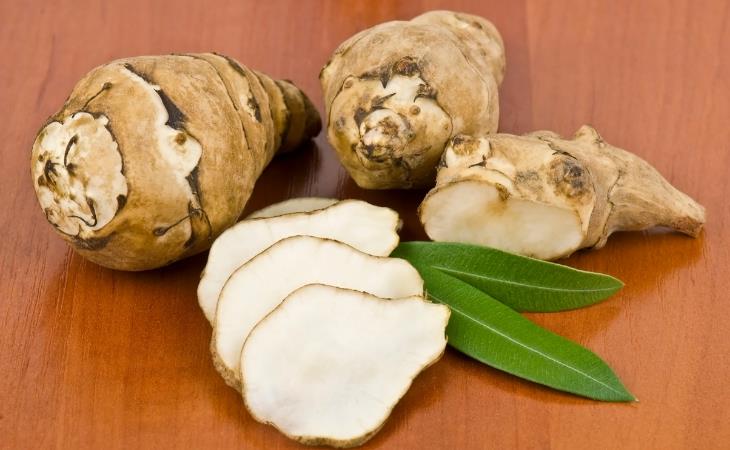
 
Jerusalem Artichokes

Often referred to as "sunchokes," Jerusalem artichokes are tuberous root vegetables derived from a unique sunflower species native to Central North America. Laden with prebiotic compounds like inulin and oligofructose, along with essential minerals such as potassium, these tubers promote balanced gut health. Jerusalem artichokes contain specific prebiotics that stimulate beneficial bacteria that can improve the absorption of crucial minerals like calcium and magnesium. They can be eaten raw or cooked. 

5. Bananas

Bananas are rich in vitamins, minerals, and fiber, and they also contain small amounts of inulin. A study published in Anaerobe in 2011 found that the prebiotic properties found in whole bananas may support the growth of beneficial gut microbes through regular consumption.


6. Garlic

Garlic is one of the most popular prebiotic foods on the market. Although a single garlic clove (around 3 grams) provides only about 0.1 grams of fiber, its functional components make it a valuable prebiotic source. Garlic saccharides obtained from garlic polysaccharides were found to have prebiotic properties under controlled conditions, according to a study published in Current Research in Food Science in 2022. 

Fructans are needed for the growth of microorganisms that promote health, such as Bifidobacterium, Lactobacillus, and Faecalibacterium prausnitzii. F. prausnitzii, a key probiotic in a healthy gut microbiome, has been shown to be absent in a variety of intestinal conditions, such as inflammatory bowel disease. This highlights the importance of fructans in maintaining a healthy gut environment.

7, Chicory root Chicory Root
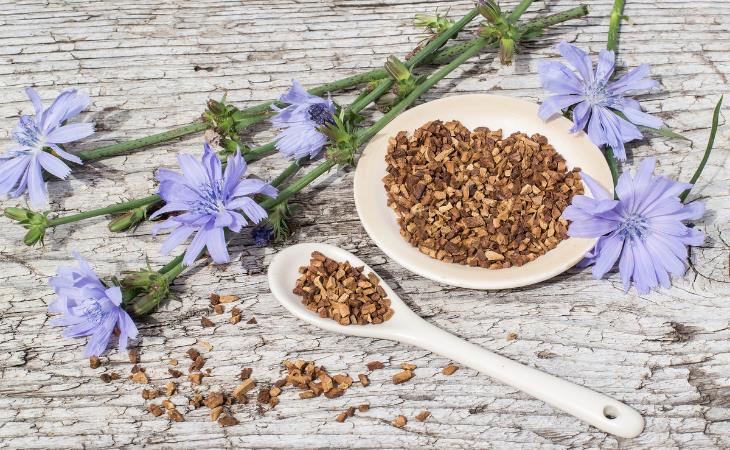
 A member of the daisy and sunflower family, chicory is a woody, perennial plant known for its bright blue flowers. Its root, cultivated for its rich inulin content, is commonly baked, ground, and used as a coffee substitute or fiber supplement. In addition to inulin, chicory root is a source of important minerals like potassium, calcium, magnesium, selenium, and zinc. 

Fresh chicory roots are bitter, but you can adjust to their taste by drinking chicory root coffee or using it in baked goods or protein shakes.

8. Legumes
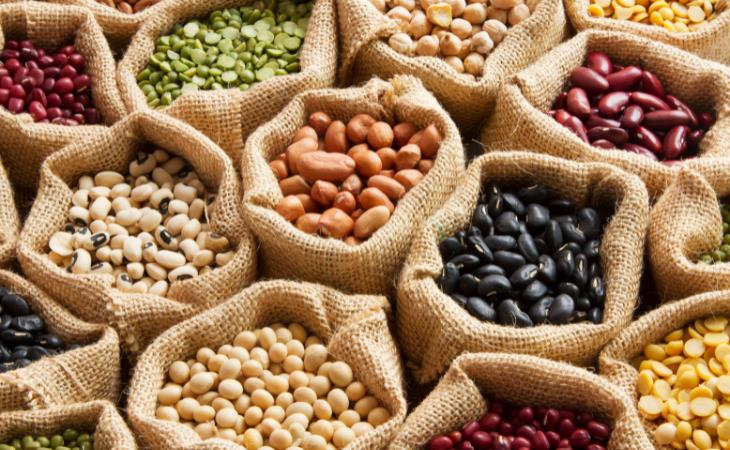
Legumes

Chickpeas, black beans, edamame, lentils, and their leguminous counterparts are prominent sources of prebiotics, specifically galacto-oligosaccharides. Having intestinal gas following bean consumption is simply a sign that our gut flora are fermenting the prebiotic fiber, providing key health benefits along the way, such as the growth of beneficial bacteria like Bifidobacteria. Bifidobacterium supports immunological function, creates B vitamins, protects us from invading pathogens, and makes butyrate, a short-chain fatty acid with anti-inflammatory qualities and serves as intestinal fuel.


This is only for your information, kindly take the advice of your doctor for food, medicines, exercises and so on.   


Labels: , , , , , , , , ,

Monday, October 05, 2026

The Tasty Stew That Helps Dr. Jonathan Rasouli Maintain His Memory

Most of us encounter the word "dementia" somewhere between our 30s and 40s. At first, we worry about our parents and older relatives, and only then do we slowly begin to truly understand how important it is to protect our brain. This is crucial to preserving our memories, our ability to think clearly, and our connection to the world over time. The good news is that recent studies show that what we eat may directly impact the risk of cognitive decline in old age and even delay the development of diseases like Alzheimer’s and dementia in general. This is where Dr. Jonathan Rasouli comes in—a neurosurgeon who isn’t afraid to step into the kitchen and cook with a medical book in one hand and a wooden spoon in the other. Dr. Rasouli has a dish he prepares for himself every week that might look like just another homemade stew with vegetables and lentils, but there’s a good chance it’s the smartest meal you’ll put in your pot and stomach soon.

Dementia and Alzheimer’s - What Do We Know and What Can We Do to Protect Ourselves? 

It’s important to note that while these are two terms we hear more and more about as the years go by, they don’t describe exactly the same thing. "Dementia" is a general term that describes a decline in cognitive function: memory problems, difficulty with orientation, poor judgment, and changes in behavior or language. It’s not a single disease but a medical condition that can stem from various causes. Alzheimer’s, on the other hand, is the most common cause of dementia because it’s a neurodegenerative disease that progressively and irreversibly damages the brain. All Alzheimer’s is dementia, but not all dementia is Alzheimer’s. 

In other types of dementia, such as vascular dementia (caused by strokes or impaired blood flow to the brain), it’s sometimes possible to prevent further deterioration by carefully managing blood pressure, diabetes, and cholesterol levels. It’s also important not to neglect the mental and social aspects—people who continue to challenge themselves mentally (e.g., through reading, learning, solving crosswords, etc.), maintain social connections, and participate in activities often retain higher cognitive function over time. 

In the case of Alzheimer’s, the damage begins in the brain areas responsible for memory and gradually spreads to other functions. The exact causes of the disease are still not fully clear, but there is evidence linking Alzheimer’s to genetic, inflammatory, and environmental factors. To reduce the risk of developing the disease, it’s recommended to maintain a healthy diet (such as the Mediterranean diet or the MIND diet), engage in regular physical activity, protect heart and vascular health, avoid smoking, and ensure adequate sleep. The earlier you start, the better your chances of delaying the process, and now we’ll show you a tasty and simple way to do so.

From the Operating Room to the Kitchen: Dr. Rasouli’s Recipe

Dr. Jonathan Rasouli is not exactly what people imagine when they think of a surgeon. He is indeed a senior spine neurosurgeon at Northwell Health in New York, but the wisdom he applies in the operating room isn’t reserved solely for scientific papers—he cooks with it. In recent years, Dr. Rasouli has been explaining to others how much impact diet has on memory and how delicious and healthy it is to use it to protect the brain. Rasouli believes that diet is not only a therapeutic tool but also a means of prevention—especially when it comes to brain health. According to him, there are plenty of things we can’t control when it comes to dementia or Alzheimer’s, but there are also things we can, and the food we eat is one of them. After years of medical research and plenty of kitchen experiments, he developed a simple recipe that he eats every week. A warm lentil stew with spinach, garlic, and turmeric—easy to prepare, nutritious, delicious, and above all, brain-boosting.

Dr. Rasouli’s Recipe – A Heartwarming, Brain-Boosting Lentil Stew

Dr. Rasouli didn’t reinvent the wheel. His stew is based on the principles of the Mediterranean diet and the MIND diet mentioned earlier. Studies have shown that adhering to a menu tailored to these methods may reduce the risk of Alzheimer’s by up to 53%. “It’s not magic—it’s simply understanding what your body needs and giving it that regularly,” says the doctor. “I make the following dish at the end of the week, and it lasts almost the entire week,” he shares. “It’s convenient, healthy, and gives me peace of mind—both in body and mind.” 

Ingredients:  

1 cup dried red lentils (a source of fiber and plant-based protein) 

1 small onion, chopped (a source of B vitamins, vitamin C, and minerals) 

2 cloves garlic, minced 

2 cups chopped spinach (a source of folic acid and vitamin K) 

1 tbsp extra virgin olive oil (a source of omega-9 and polyphenols) 

1 tsp turmeric (a powerful antioxidant) 

1 tsp coriander (optional) 

 3 cups vegetable broth 

 Salt, black pepper, and cumin to taste

Preparation:
 

1. Heat the oil in a medium-large pot, add the onion, and sautĂ© until translucent. 

2. Add the garlic and spices—sautĂ© for a minute until the pot releases a fragrant aroma. 

3. Add the lentils and broth or water with vegetable stock powder, bring to a boil, and simmer for 20 minutes. 

4. Add the spinach and cook for an additional 5–7 minutes. 

5. Serve hot—as a light dish or a full meal alongside quinoa or brown rice.

In Summary 

 If there’s one thing we’ve learned from Dr. Rasouli, it’s that you don’t need a medical degree to start protecting your brain—just good intentions and one simple pot. This dish won’t permanently or completely protect your brain from dementia or Alzheimer’s, but it reminds us that big changes start with small steps: the right seasoning, smart dietary choices, and care for our health. So, before you head out shopping next time, it might be worth adding some spinach, lentils, and turmeric to your cart and cooking for yourself and your loved ones something that could become a small, nourishing tradition for good memory, in body and soul.

This is only for your information, kindly take the advice of your doctor for food, medicines, exercises and so on.   


Labels: , , , , , , , , , , ,