Thursday, October 15, 2026

These Foods Are Essential for a Healthy Gut System

You've probably heard of probiotics—those live microorganisms present in cultured dairy products and other fermented foods. Whether it's the yogurt you consume for breakfast, the kefir smoothie for a midday snack, or a kimchi rice bowl for dinner, probiotics are prevalent in many popular foods. But have you ever explored the world of prebiotics? What exactly are prebiotics, and what's behind the surge of interest in them in the nutrition world?

What are Prebiotics?
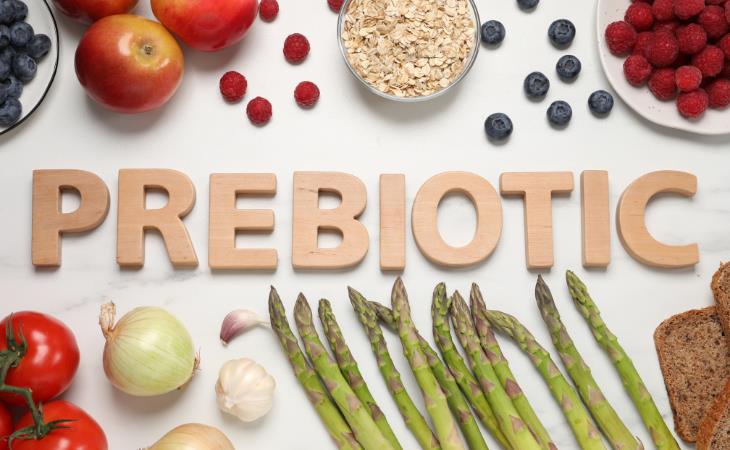
 
Prebiotic
Prebiotics are indigestible plant fibers that promote the growth of beneficial bacteria in your gut. Unlike probiotics, which are beneficial bacteria, prebiotics feed the good bacteria in the lower digestive tract. Do note that not all dietary fibers qualify as prebiotics. Well-established prebiotics include inulin, fructo-oligosaccharides (FOS), and galacto-oligosaccharides (GOS).

Including more prebiotic-rich foods in your diet can benefit your digestive system, your nervous system, your immune system, and your cardiovascular system. This dietary adjustment may help in: 

Stabilizing blood sugar levels 

Managing a healthy weight 

Lowering blood lipid levels 

Promoting optimal intestinal motility 

Nourishing beneficial gut bacteria 

Here are the best prebiotic foods recommended by registered dietitians for better gut health. 

1. Dandelion Greens
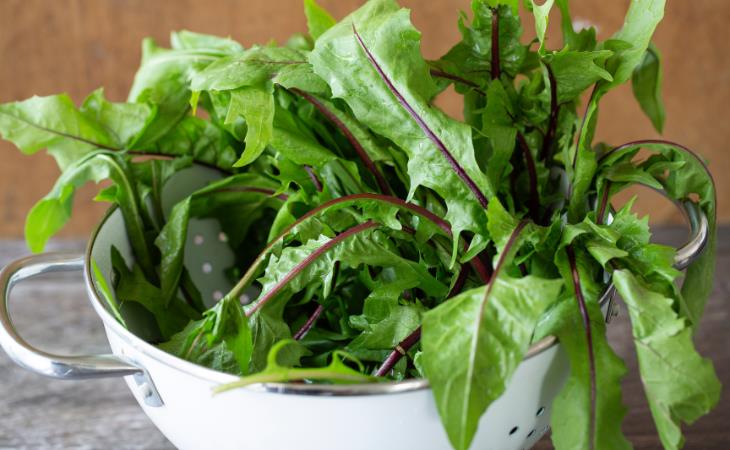
 
Dandelion greens

Dandelion greens, which are high in inulin (a soluble dietary fiber that stimulates healthy gut bacteria like Bifidobacteria), have 3.5 grams of fiber per 100-gram serving and are beneficial to a healthy diet. Apart from their fiber content, these greens are high in antioxidants, which are essential for protecting cells and lowering the risk of severe diseases such as cancer, cardiovascular disease, and Alzheimer's. Embrace the nutritional benefits by including dandelion greens in your favorite recipes, such as salads, green juices, and smoothies. 

2. Barley
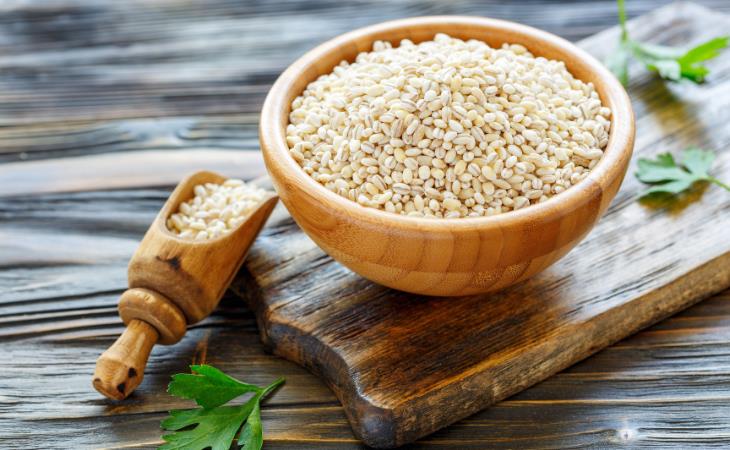
Barley

Barley, an often overlooked grain in many kitchens, has a high nutritional value with significant amounts of fiber and protein. A half-cup serving of cooked pearled barley, or around 79 grams, has 3 grams of fiber.

Recent research reaffirms prior studies on the prebiotic potential of cereal grains. Barley, in particular, stands out for its high levels of beta-glucan, a compound not only known for its prebiotic qualities but also valued as a functional food ingredient due to its ability to thicken, stabilize, and emulsify foods. Adding barley to stir-fries, soups, or side dishes shows promise for prebiotic benefits. 

3. Mushrooms
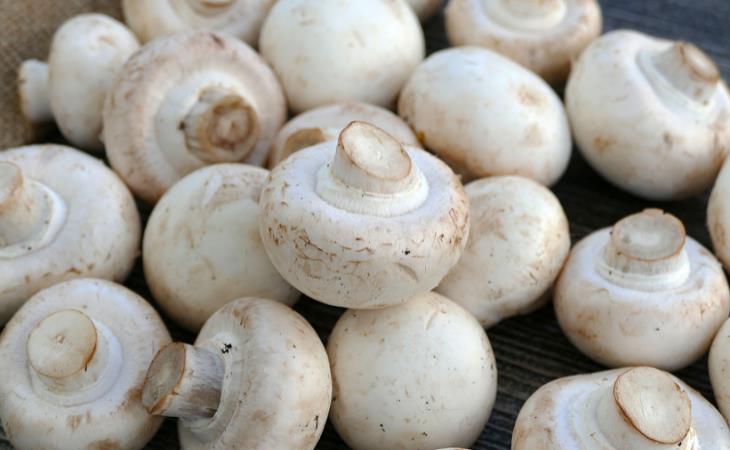
Mushrooms
Almost all edible mushrooms are rich in carbohydrates such as chitin, beta- and alpha-glucans, as well as other compounds that function as prebiotics. Furthermore, mushrooms contain essential amino acids and minerals, including calcium, potassium, magnesium, iron, and zinc, which contribute to energy production and immune system enhancement. 

Consider using portobello mushrooms or embellishing a simple stir fry with chopped mushrooms. These culinary alternatives are a simple way to get more nutritious fungus into your daily diet. 

4. Jerusalem Artichokes
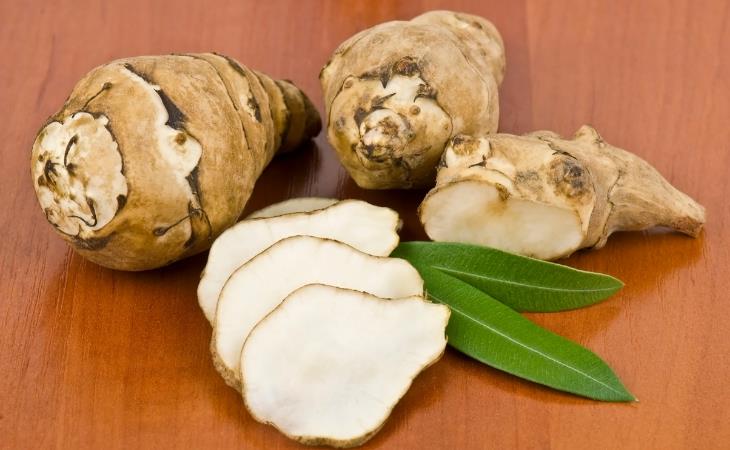
 
Jerusalem Artichokes

Often referred to as "sunchokes," Jerusalem artichokes are tuberous root vegetables derived from a unique sunflower species native to Central North America. Laden with prebiotic compounds like inulin and oligofructose, along with essential minerals such as potassium, these tubers promote balanced gut health. Jerusalem artichokes contain specific prebiotics that stimulate beneficial bacteria that can improve the absorption of crucial minerals like calcium and magnesium. They can be eaten raw or cooked. 

5. Bananas

Bananas are rich in vitamins, minerals, and fiber, and they also contain small amounts of inulin. A study published in Anaerobe in 2011 found that the prebiotic properties found in whole bananas may support the growth of beneficial gut microbes through regular consumption.


6. Garlic

Garlic is one of the most popular prebiotic foods on the market. Although a single garlic clove (around 3 grams) provides only about 0.1 grams of fiber, its functional components make it a valuable prebiotic source. Garlic saccharides obtained from garlic polysaccharides were found to have prebiotic properties under controlled conditions, according to a study published in Current Research in Food Science in 2022. 

Fructans are needed for the growth of microorganisms that promote health, such as Bifidobacterium, Lactobacillus, and Faecalibacterium prausnitzii. F. prausnitzii, a key probiotic in a healthy gut microbiome, has been shown to be absent in a variety of intestinal conditions, such as inflammatory bowel disease. This highlights the importance of fructans in maintaining a healthy gut environment.

7, Chicory root Chicory Root
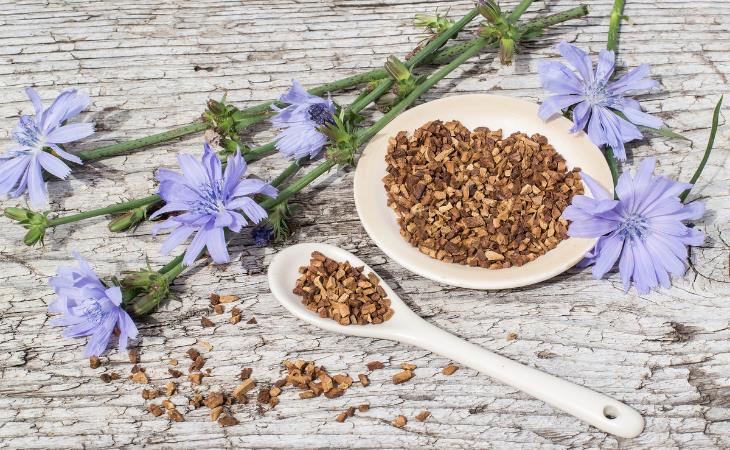
 A member of the daisy and sunflower family, chicory is a woody, perennial plant known for its bright blue flowers. Its root, cultivated for its rich inulin content, is commonly baked, ground, and used as a coffee substitute or fiber supplement. In addition to inulin, chicory root is a source of important minerals like potassium, calcium, magnesium, selenium, and zinc. 

Fresh chicory roots are bitter, but you can adjust to their taste by drinking chicory root coffee or using it in baked goods or protein shakes.

8. Legumes
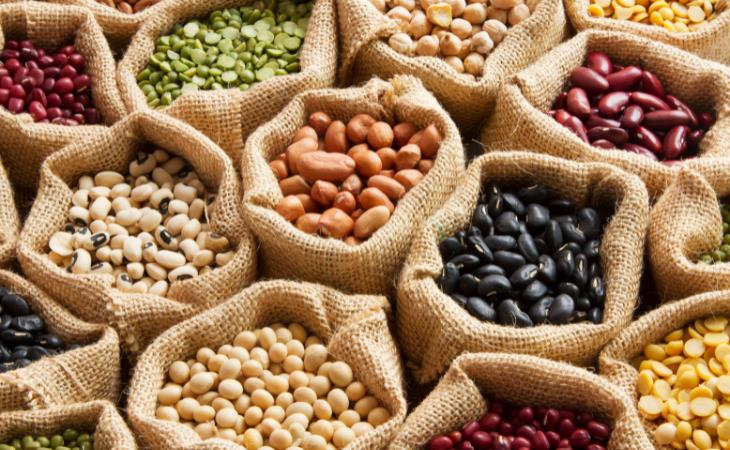
Legumes

Chickpeas, black beans, edamame, lentils, and their leguminous counterparts are prominent sources of prebiotics, specifically galacto-oligosaccharides. Having intestinal gas following bean consumption is simply a sign that our gut flora are fermenting the prebiotic fiber, providing key health benefits along the way, such as the growth of beneficial bacteria like Bifidobacteria. Bifidobacterium supports immunological function, creates B vitamins, protects us from invading pathogens, and makes butyrate, a short-chain fatty acid with anti-inflammatory qualities and serves as intestinal fuel.


This is only for your information, kindly take the advice of your doctor for food, medicines, exercises and so on.   


Labels: , , , , , , , , ,

Tuesday, November 11, 2025

Doctor shares 4 healthy habits to add to your routine that support natural healing

Mild aches and pains are a regular part of daily life, but some natural remedies can provide gentle relief. Dr Sood shares 4 such habits to add to your routine.

Natural  healing doesn’t always require complicated treatments - sometimes, it starts with simple, everyday habits. From easing pain and improving digestion to promoting better sleep, a few natural remedies can go a long way in supporting your body’s own recovery process.

Dr Kunal Sood, an anesthesiologist and interventional pain medicine physician, has shared four simple yet powerful habits to include in your daily routine - all of which can help support the body’s natural healing process. In an Instagram video posted on November 10, the physician explains how incorporating natural remedies such as turmeric, ginger, and peppermint oil into your routine can help alleviate a range of common health issues. 

Turmeric for inflammation

Dr Sood states that turmeric contains a powerful active compound called curcumin which has been proven to lower inflammatory markers and oxidative stress. He explains, “Studies in arthritis show improved pain and function, sometimes comparable to NSAIDs. It works by blocking NF-κB and reducing cytokines, though most benefits come from higher-dose extracts with better absorption.”

Ginger for digestion

The physician highlights that ginger is packed with potent compounds that promote smoother digestion, relax intestinal muscles, and support a healthy gut balance. He elaborates, “Ginger promotes smoother stomach movement and reduces bloating, gas, and . Its compounds, gingerols and shogaols, relax intestinal muscles and may improve gut balance. Regular use in meals or teas supports comfort without major side effects.”

Peppermint oil for headaches

Mild headaches can be eased naturally with the use of peppermint oil. According to the physician, “Topical peppermint oil can ease tension-type headaches by cooling the skin and changing local blood flow. One trial found it outperformed placebo.” He suggests applying diluted peppermint oil to the temples for mild, soothing relief - though he cautions that it should never replace prescribed migraine medication.

This is only for your information, kindly take the advice of your doctor for medicines, exercises and so on.   


Labels: , , , , ,

Saturday, November 02, 2024

Harnessing the Power of Millets and Plant-Based Diets to Manage Stress

In today’s fast-paced world, stress is a constant companion, with its effects often going unnoticed until they manifest as health problems. Managing stress requires understanding its biological roots and adopting dietary changes that can reduce its harmful impact. Millets, along with plant-based diets, offer promising solutions for managing stress at a molecular level, as highlighted by experts.

Understanding the Molecular Mechanisms of Stress

Stress triggers the release of cortisol, a hormone that plays a crucial role in the body’s “fight-or-flight" response. While short bursts of cortisol can help us react to immediate threats, chronically elevated levels, often the result of long-term stress, lead to adverse effects. These include anxiety, poor sleep, weakened immunity, and even cognitive decline. According to Megha Pavan, one natural remedy for regulating cortisol levels is magnesium, an essential mineral found in abundance in millets. “Magnesium stabilizes our nervous system and promotes relaxation by reducing muscle tension, which in turn lowers stress levels," she explains. Studies have linked low magnesium levels to heightened stress and tension, emphasizing the importance of this mineral for mental balance. Millets, with their high magnesium content, act as natural allies in stress management by supporting the body’s cortisol balance.

Serotonin and the Gut-Brain Connection

Another fascinating way millets support stress management is through their impact on the gut-brain axis. The gut and brain are closely connected via the vagus nerve, forming a communication system that influences mental health. As Megha Pavan notes, “90 percent of serotonin, a major mood-regulating neurotransmitter, is actually produced in the gut, not the brain." This means that a healthy gut environment is essential for serotonin synthesis, which promotes a sense of well-being and helps combat stress. Millets play a key role here, as they are rich in dietary fiber and prebiotics, which nourish beneficial gut bacteria. A thriving gut microbiome boosts serotonin production, which can help improve mood, reduce anxiety, and sharpen cognitive clarity. Furthermore, millets are low on the glycemic index (GI), meaning they allow for a gradual release of glucose into the bloodstream, preventing the energy spikes and crashes that can exacerbate stress. By stabilizing blood sugar levels, millets help regulate mood swings, fostering a sense of calm.

Nutrition, Stress, and Energy: The Role of Diet in Mental Wellness

Sridhar Laxman, an executive coach and founder of Lucid Minds Coaching, emphasizes the importance of diet in managing stress. Stress activates the body’s fight-or-flight response, causing hormone production that speeds up heart rate and breathing. Food quality has a direct impact on mood, and irregular eating patterns or low-quality food choices can lead to increased stress, he explains. “Due to demanding schedules and tight deadlines, people often compromise on the quality of their diet," says Laxman. This cycle of skipping meals, eating poorly, or overindulging disrupts the body’s natural functioning, leading to fluctuations in energy levels and escalating stress.

To counteract these effects, Laxman recommends choosing whole grains like millets and prioritizing nutritionally dense foods. “Eating wholesome grains and avoiding processed junk foods leads to mental clarity and steady energy levels, which can help individuals remain calm and grounded," he advises. Meeting hunger pangs is not enough; fueling the body with nutrient-rich food is key to sustained health and well-being. Such conscious dietary choices provide the physical and mental energy needed to combat stress effectively.

Conclusion

The benefits of millets and plant-based diets for stress management are clear. With their magnesium content, role in supporting serotonin production, and ability to regulate blood sugar levels, millets offer powerful natural tools for coping with stress. Paired with a balanced and mindful diet, as recommended by Sridhar Laxman, these foods can help reduce stress, boost mental clarity, and improve overall well-being. As stress remains a pervasive issue, understanding how diet influences our mental and physical health is crucial for creating a more balanced and resilient lifestyle.


This is only for your information, kindly take the advice of your doctor for medicines, exercises and so on.   

https://gscrochetdesigns.blogspot.com. one can see my crochet creations  
https://gseasyrecipes.blogspot.com. feel free to view for easy, simple and healthy recipes    
https://kneereplacement-stickclub.blogspot.com. for info on knee replacement
https://cancersupportindia.blogspot.com  for infor on cancer and health related topics
https://GSiyers home remedies.blogspot.com   is the latest addition to my blogs. I'm going to add posts there, do give me your valuable feed back on my blogs. Thanks a lot, take care, be healthy and be happy.


Labels: , , , , , ,