These 15 Foods Keep Your Hair Strong, Healthy, & Luscious
It can happen to anyone – you wake up in the morning to find that your pillow is covered in hair. It falls into your food while you’re making it, it clogs your drain, your comb looks like a plush toy, and scratching your head makes it even worse. The reality is that at some point in our lives, we're likely to start experiencing some degree of hair loss, and this can be for reasons ranging from malnutrition and vitamin deficiencies, to genetic factors.
With that in mind, it’s important to remember that it's your diet that has the biggest impact on your hair’s strength. Here are 15 foods that will help strengthen your hair and combat hair loss from the root up. If you’re already experiencing hair loss, add these foods to your diet immediately.
1. Spinach
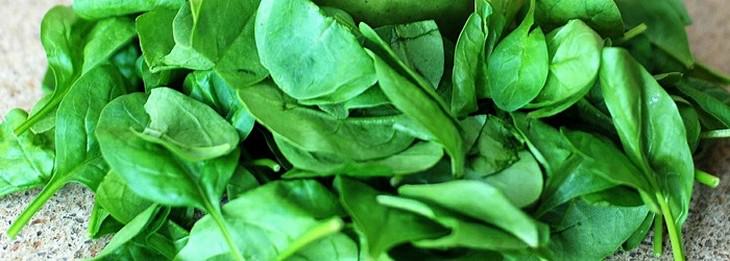
In many cases, especially when it comes to women, a vitamin deficiency
of some kind is usually to blame for hair loss, and that's why it's
important to ensure that you have a nutritious diet. A blood test can
let you know if you’re suffering from low levels of iron, proteins,
vitamin D, or others.
The aforementioned deficiencies are particularly well-known hair loss
causes, but preventing them from arising is as easy as eating spinach.
The vegetable is an excellent source of iron, and is also packed full of
Omega-3 fatty acids, magnesium, potassium, and calcium. All of these
are fantastic for preventing hair loss.
2. Greek Yogurt
Have you ever noticed that every Greek statue has a healthy head of hair? It may be an artistic choice, but it may also be associated with the protein-rich yogurt that Greeks have been making and consuming since 500 BC. Greek yogurt is also rich in vitamin B5 (Pantothenic acid), a nutrient that improves blood flow throughout the body, as well as the scalp, which is vital for a healthy head of hair.
3. Salmon
The human body is capable of amazing things, such as converting sunlight
into vitamin D, which strengthens the bones. One thing our body cannot
do is produce Omega-3 fatty acids – powerful anti-inflammatories that
combat hair loss. One of the best sources of Omega-3 is certain types of
fish, such as mackerel, sardines, and salmon.
In addition, Omega-3 helps stave off other illnesses, and keeps your hair nice and healthy. One cause of hair loss in women is insulin resistance, and salmon is one of the only foods that aids the processing of insulin in the body.
4. Cinnamon
Not only does it smell and taste good, cinnamon improves blood flow
throughout the body, including the scalp, thus aiding in the delivery of
much-needed oxygen to the roots. Sprinkle some of this miraculous spice
on your toast or add it to your coffee in the morning and keep your
hair healthy.
5. Oats
Oats are rich in iron, zinc, fiber, Omega-3, and unsaturated fats. All of these are beneficial to your hair, making it lush, shiny, and healthy. Oats are highly recommended for breakfast, and you can combine them with cinnamon to double the benefits.
6. Guava
Vitamin C makes hair more durable and less fragile. In a study held in
the U.S., researchers tested the effects of a supplement containing
vitamin C on women with thin hair. They discovered that the supplement
helped to accelerate hair growth in these women. While most of us
consider citrus fruits to be the best sources of vitamin C, a single
guava contains an amount of vitamin C that's four to five times higher
of that in any citrus fruit. This makes it the fruit of choice for
people who suffer from hair loss.
7. Eggs
Eggs are packed with vitamin B7 (biotin), which boosts hair growth and
strengthens your nails. Vitamin B7 deficiency can lead to excessive hair
loss, so make sure to include eggs in your diet if you value your hair.
Other sources of biotin are almonds, avocado, and salmon. Eggs also
help with weight loss, and are essential for anyone who’s on a diet
(which can lead to hair loss due to a lack of necessary nutrients).
8. Lentils
Lentils are filled with proteins, iron, zinc, and biotin, as well as
copious amounts of folic acid. Your body needs folic acid to maintain
the health of your red blood cells. The red blood cells are couriers of
oxygen in the body, which is also needed to maintain healthy skin and
scalp. For men, folic acid is also necessary to maintain a high sperm
count.
9. Liver
As previously mentioned, iron deficiency can lead to hair-loss and is more common in women. While spinach is a great source of iron, just like soy and lentils, liver is even more beneficial to the maintenance and health of your hair. Iron-rich organs such as liver provide our body with healthy amounts of this mineral, so consider including it in your weekly diet.
10. Lean Meat
Have you noticed that if you don’t consume enough protein, your muscles
become weaker and smaller? The same is true for your hair. If you do not
have enough protein in your diet, your hair goes “on strike”. Shed hair
is replaced at a slower rate, thus leading to accelerated hair loss. To
get good proteins from meat, go for leaner options, such as chicken.
It's also a good idea to eat meat that you've cooked yourself, rather
than opting for a pre-cooked option.
11. Barley
Barley is an excellent source of vitamin E - an antioxidant that absorbs
harmful UV rays. Vitamin E also helps repair sun damage to the scalp,
which may cause hair-loss and thinning. In an eight-month-long study, it
was found that people who used a vitamin E supplement enjoyed a 34%
increase in hair growth.
12. Nuts and Seeds
In several studies into male pattern baldness, a correlation was found
between a lack of tocotrienols and beta-sitosterols, and hair thinning.
Beta-sitosterols are abundant in pistachios, as well as in walnuts and
other fatty nuts. In addition, fatty nuts contain elastin, which gives
hair elasticity, and prevents it from breaking.
13. Bok Choy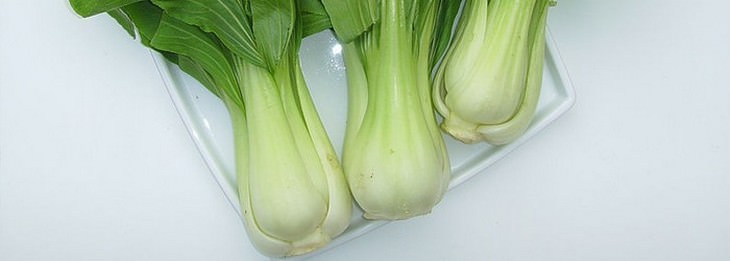
Physicians often look at the state of a patient’s hair to determine how
much ferritin and iron is in their blood. In many cases, dermatologists
will advise their patients to add the iron-rich bok choy to their diet.
14. Orange fruits and vegetables
Beta-carotene protects the skin from excessive dryness and your hair from thinning, by causing your scalp to produce more sebum, which is necessary in keeping the hairs healthy and shiny. Generally any orange-colored vegetable is a good source of beta-carotene. Carrots, pumpkins, mangoes and muskmelons all contain beta-carotene, and are recommended for people with weak and thinning hair.
15. Shiitake Mushrooms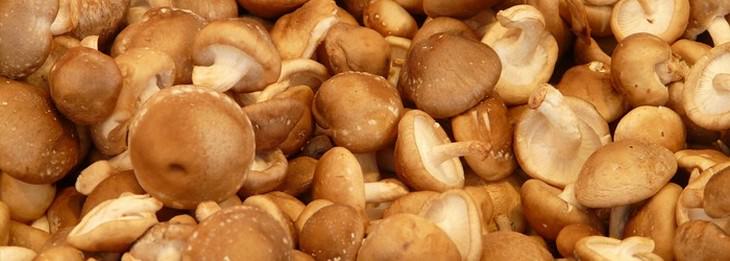
Whether your hair is thinning or not, gray hair can make it look thinner. Copper is necessary for maintaining your natural hair color, even if you’re not ginger. In 2012, a study found that people who consumed lower levels of copper turned gray earlier in their lives. The best solution is to consume the copper-rich shiitake mushrooms.
Please note that if you’ve started a diet and you’re suddenly suffering
from hair loss, or if you’re at an age where hair-loss is natural, you
can add these foods to your diet and keep your full head of hair.