Friday, August 28, 2026

These Handy Charts Will Help Stop a Migraine in Its Tracks

 A migraine can be quite unbearable. During a migraine, the blood vessels around your brain expand and begin to irritate the tissue and nerves around them causing the pain. So, if you, or someone you know, suffers from migraines and headaches, be sure to check out these warning signs, tips and remedies to help you avoid a migraine.

1. The Difference Between a Migraine and a Headache 

The exact cause of a migraine is unknown. Researchers believe that it's a neurological problem, however a number of factors can trigger pain, some of which include tension or stress, hormonal or environmental changes, long term exposure to the sun, a lack of sleep, the consumption of alcohol and certain foods as well as skipped meals and poor diet. The chart below gives a clear overview on migraines, as well as three common types of migraines and headaches (as indicated on the right side of the chart). The image below goes on to explain possible migraine symptoms too.

migraines

2. What Type of Headache Do You Have? 

 The diagram below looks into the types of headaches sufferers may experience and what each one represents. A common headache trigger includes anxiety. In such a headache, the pain usually occurs across the forehead. While in stress headaches, pain runs from the top of the neck all the way up to the top of the skull. Which type of headache do you have? Refer to the chart below.

migraines3. What are the Triggers and the Causes of a Migraine? 

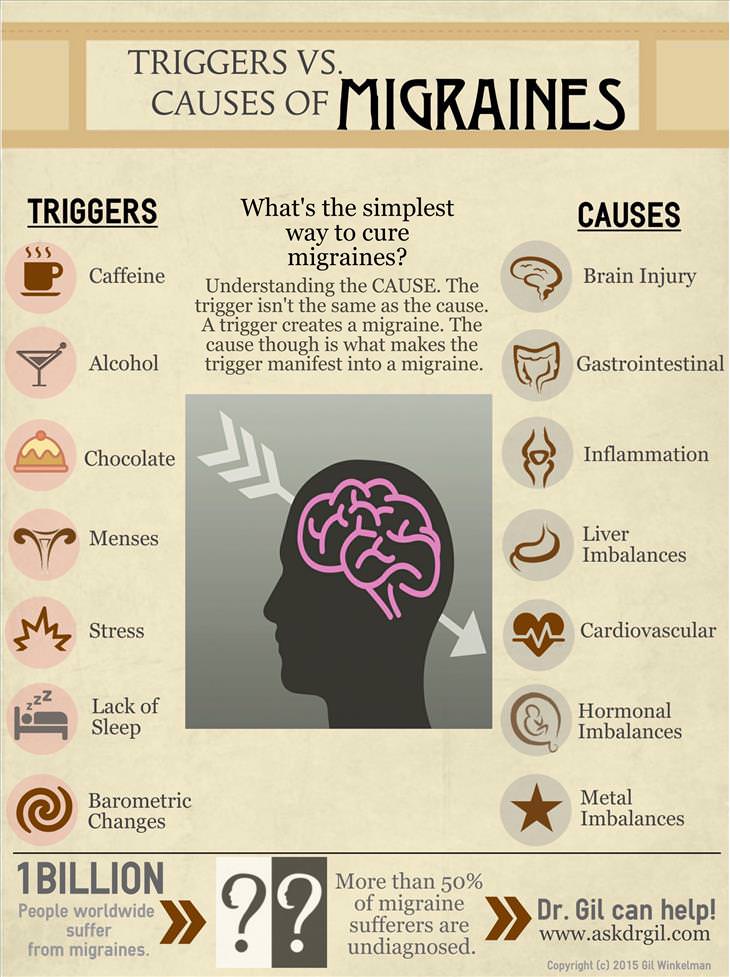
A number of factors may potentially trigger a migraine. These include factors like food, menstruation, alcohol, stress and lack of sleep. On the other hand, your migraines may be caused by an underlying issue. If you do suffer from migraines, consult with your doctor and determine whether it could be related to factors like a hormonal imbalance, cardiovascular problems, inflammation and more. Refer to the chart below for a better overview. 

migraines 

4. What are the Symptoms of a Migraine?  

When you are about to experience a migraine, there are certain signs to be on the look out for. If you experience one of the following, take action immediately (read on to discover more), stopping your migraine in its tracks. On this note, if you exhibit many of these signs, it's important to seek a proper diagnosis from a healthcare professional.

migraines 

5. What Home Remedies May You Benefit From? 

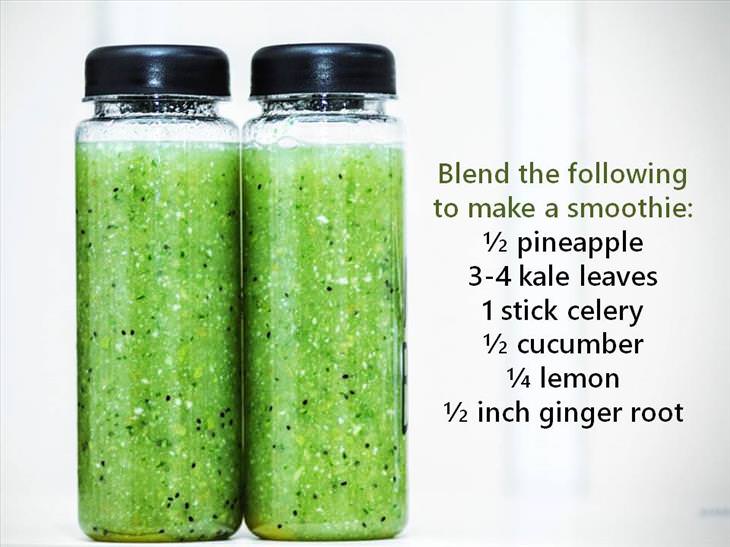
The two charts below look into two drinks that you can try to stop a migraine in its tracks. For a simple but effective remedy you could try a glass of lemon juice with Himalayan Salt. If this drink is not to your liking, try the green smoothie below, which has been hailed a "miracle migraine drink

migraines

migraines 6. What Food Should I Avoid? 

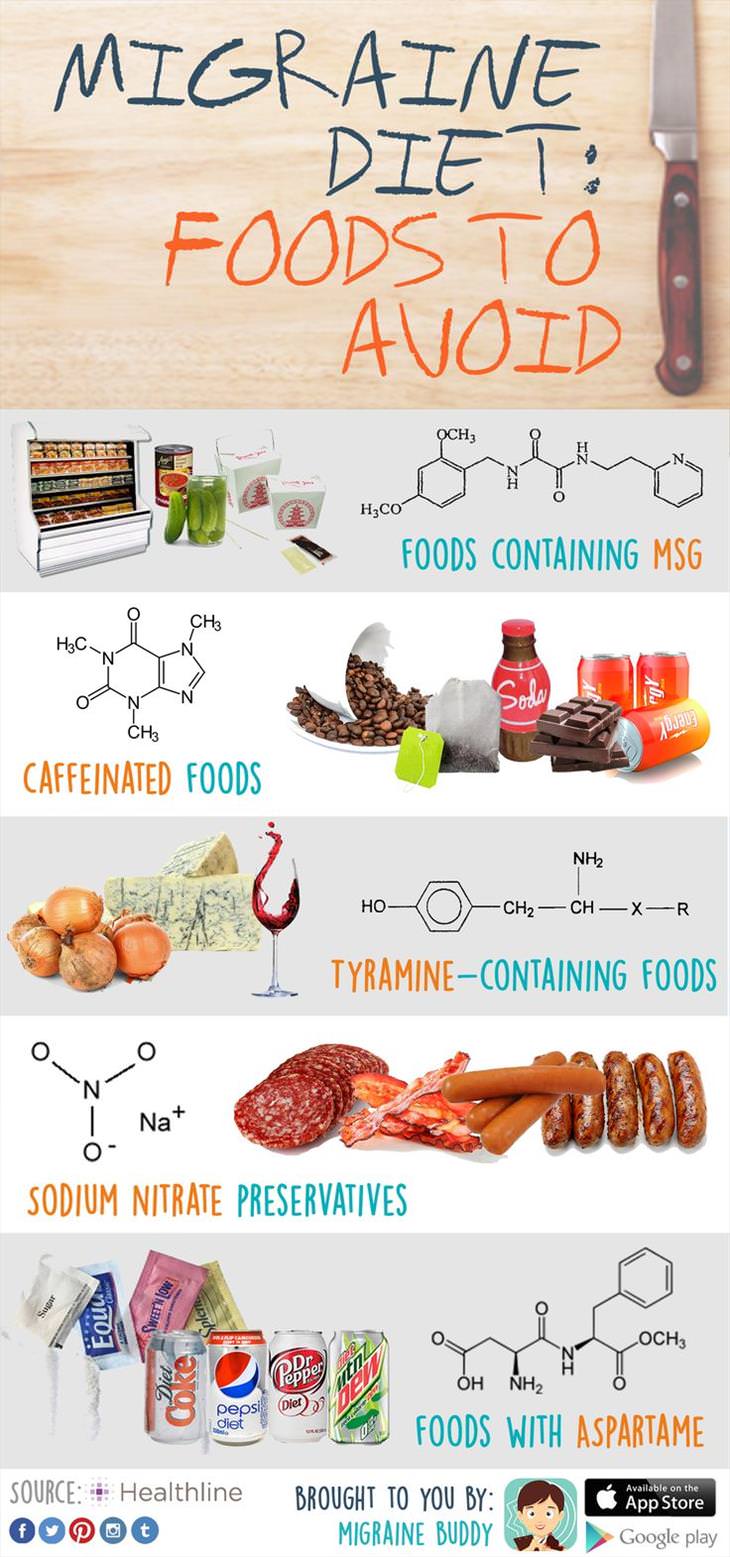
Food plays an important role, many of which may be a cause for your migraines. The chart below looks into 5 types of foods you should exclude. It's therefore important to seek out the nutritional information labels on each product in order to determine whether they contain the following:
migraines 

7. What Foods Should I Consume? 

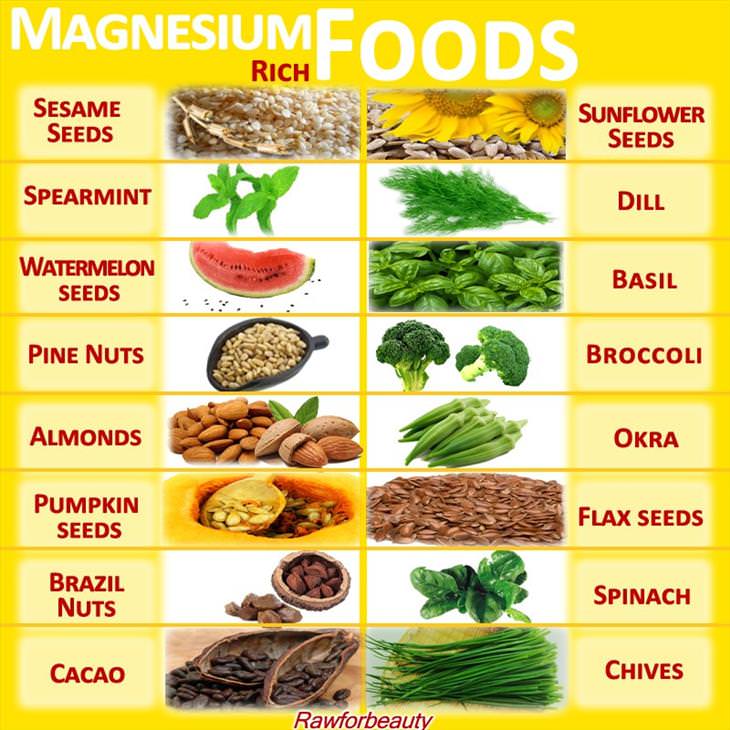
Research shows that people with migraines often have low levels of magnesium. In fact, magnesium is thought to affect changes in the blood vessels in the brain. Supplements are at times recommended, but for a more natural alternative, up your magnesium with the following list of foods:
migraines

8. What Exercise Can I Do? 

Exercise forms an important part of a healthy lifestyle. Try to dedicate at least 20 minutes of the day to yoga. If it's your first time, do consult with a trained practitioner. Yoga is a great way to help those suffering from headaches. The following poses are most beneficial for migraine sufferers:

migraines


This is only for your information, kindly take the advice of your doctor for food, medicines, exercises and so on.   


Labels: , , , , , , , , , , , , , ,

Thursday, October 02, 2025

7 high-protein seeds nutritionists recommend for energy, gut health and more

Recognising that you need more protein is one thing, but knowing how to incorporate more protein-rich foods into your diet is another, particularly when it comes to plant-based protein.

So, beyond the simple (and often expensive) ‘eat more chicken’ advice people online seem so keen to tout, how can we add more protein to our meals in a diverse and manageable way? Well, that's easy: seeds, says Elizabeth Sanchez, RD MSc, a registered dietitian specialising in digestive health and plant-based diets.

Best high-protein seeds

Seeds are great for your health in many ways, but high-protein seeds make particularly good additions to your diet, says Sanchez.  

‘Protein-rich seeds help support you in achieving your protein requirements, which is essential for muscle maintenance and hormone balance,’ she adds. ‘Protein also helps to keep you fuller for longer, and seeds are a great snack or nutrition booster in meals without adding much extra volume.

 According to Sanchez, some of the highest protein seeds include:

  1. Hemp seeds: Containing 32g of protein per 100g, hemp seeds are also rich in omega-3 fatty acids, which are essential for health and reducing inflammation.
  2. Pumpkin seeds: With 30g of protein per 100g, pumpkin seeds are a great source of magnesium, zinc and iron.
  3. Sunflower seeds: Containing 24g of protein per 100g, sunflower seeds also provide vitamin E.
  4. Flaxseeds (also known as linseeds): As well as boasting 18g of protein per 100g, flaxseeds are high in soluble fibre and lignans – which help reduce your risk of heart disease – and are a source of omega-3s.
  5. Sesame seeds: With 18g of protein per 100g, sesame seeds also contain calcium and other beneficial minerals.
  6. Poppy seeds: Containing 18g of protein per 100g, poppy seeds are also rich in minerals and fibre.
  7. Chia seeds: With 17g of protein per 100g, chia seeds also contain omega-3 fatty acids and have the added benefit of being particularly high in soluble fibre.

As well as being rich plant proteins, then, Sanchez highlights that these seeds also provide healthy fats, fibre, vitamins and minerals – true nutritional all-rounders.

How many seeds should you have a day?

As with everything, though, moderation applies here and it’s unwise to go from no seeds to loads of seeds really quickly. So, what’s the magic number? ‘As a general guide, 1-2 tbsp per day (around 20-30g) is a good amount to add some protein, fibre and healthy fats,’ says Sanchez. ‘More can be used for a healthy way to gain weight.’

What are the best high-protein seed combinations?

It's helpful to have a mixture of seeds to make sure you're getting a broader nutrient profile,’ says Sanchez, with ‘a simple blend of hemp, pumpkin, sunflower and flax’ covering most nutritional bases.

 However, Sanchez adds that if you’re looking to increase intake of certain minerals, targeting specific seeds can be effective. ‘For example, pumpkin and hemp seeds for magnesium and poppy and sesame seeds for calcium.’

‘Additionally, if you follow a plant-based diet or you don't eat oily fish, including hemp, chia or flax seeds every day is useful for omega-3 fatty acids,’ she adds. ‘And, if you're managing your gut health, adding flax seeds high in soluble fibre can really help to improve certain gut issues.’

How to add high-protein seeds to your diet

 Now, it’s all well and good knowing which seeds to add to your diet, but what about

Luckily for us, Sanchez has some easy tips:

  • Breakfast: Sprinkle flax or hemp seeds over porridge, yoghurt, overnight oats or smoothie bowls. Adding to yoghurt or oats will provide an extra protein boost.
  • Lunch: Add sunflower or pumpkin seeds to salads, wraps or soups. Mix with beans or lentils for a meal containing all the essential amino acids.
  • Snacks: Try seed butters (like tahini or sunflower seed butter) on oatcakes or apple slices, or mix with hummus to use in sandwiches or with crudites.
  • Dinner: Use sesame seeds in stir-fries, or top roasted veg with a hemp-pumpkin seed mix.
  • Baking: Mix seeds into home-made bread, crackers, or energy bars.

‘Combining seeds with legumes like lentils, beans and chickpeas, or dairy/soy products helps to provide a complete amino acid profile,’ adds Sanchez.


This is only for your information, kindly take the advice of your doctor for medicines, exercises and so on.   


Labels: , , , , , , , , , , , , , , , ,