Friday, November 28, 2025

Apollo doctor busts superfood myths; reveals Indian foods that offer better fat balance than avocados and more protein than quinoa
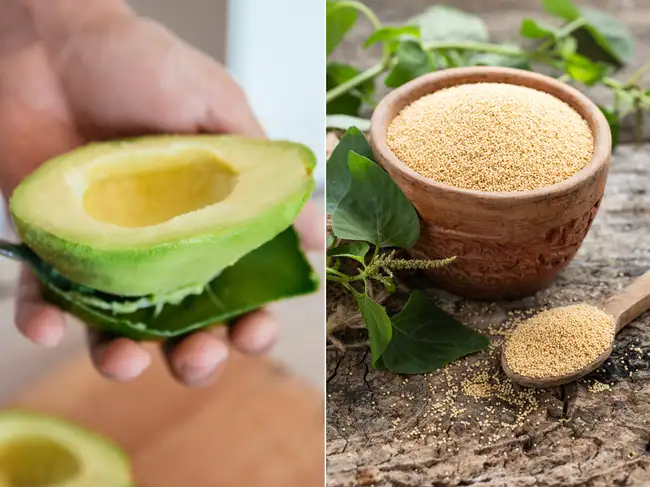
 Avocado and quinoa 

A video post by Delhi-based Surgical Gastroenterology Specialist Dr Anshuman Kaushal, known on Instagram as @theangry_doc, is stirring conversation about the booming super-food trend and why it may be more hype than health. In a post shared through his Instagram, the Indraprastha Apollo Hospital expert argues that food fads like chia seeds, quinoa, apple cider vinegar and avocados are driven largely by marketing, not science.

Super-foods: A Trend Built on Advertising, Not Anatomy

Dr Kaushal says the idea that one exotic ingredient can transform metabolism is misleading, noting that the American Dietetic Association has clarified that there is no scientific definition of a superfood. Human physiology, he emphasizes, relies on networks of nutrients working together, including fibers, micronutrients, amino acids, fats, gut bacteria and enzymes.

Breaking down common myths, he states that chia seeds do not burn belly fat beyond the benefits of regular fiber, and that no randomized clinical trial has shown apple cider vinegar producing meaningful fat loss. Referring to research highlighted in his post, he adds that fat loss results from calorie deficit and muscle mass, not shortcuts.

Avocado Worship Challenged: Indian Alternatives Offer Better Balance

The post challenges the widespread belief that avocado is the superior heart healthy food. While it contains monounsaturated fats, he highlights that everyday Indian foods such as mustard oil, sesame, groundnuts, almonds and walnuts offer an equal or better MUFA PUFA profile, along with vitamin E and omega 3 precursors. He points out that no clinical trial shows avocados outperforming native oils and nuts in reducing cholesterol, calling the craze “ marketing induced elitism”.

He also debunks the idea that quinoa is a protein powerhouse, noting that one would need to consume 700 to 800 grams of it to match the protein content available in paneer or chicken, making it an impractical option.

The Real Indian Superfoods Already in the Kitchen

Instead of imported solutions, Dr Kaushal highlights nutrient dense Indian staples including dahi for natural probiotics, moringa and millets for metabolic improvement, banana for fluid balance, nuts and seeds for lowering LDL cholesterol, and lentils for better gut fermentation. Mustard oil, he adds, offers a stable fatty acid profile and strong monounsaturated fat content.

Quoting the Harvard School of Public Health, Dr Kaushal reminds viewers that overall dietary patterns determine health outcomes more than any individual food.

A Call for Simplicity Over Hype

The message is clear: foods requiring aggressive marketing may not be truly beneficial. Traditional everyday foods, consumed intelligently, may offer better and more sustainable health advantages.

Dr Kaushal is a leading Minimal Access and Surgical Gastroenterology Specialist at Indraprastha Apollo Hospitals with over 24 years of clinical experience, known for expertise in bariatric and laparoscopic procedures.

The post ends on a pointed note, suggesting that if a food were genuinely miraculous, generations before modern advertising would have already celebrated it. 


This is only for your information, kindly take the advice of your doctor for medicines, exercises and so on.   

A video post by Delhi-based Surgical Gastroenterology Specialist Dr Anshuman Kaushal, known on Instagram as @theangry_doc, is stirring conversation about the booming superfood trend and why it may be more hype than health. In a post shared through his Instagram, the Indraprastha Apollo Hospital expert argues that food fads like chia seeds, quinoa, apple cider vinegar and avocados are driven largely by marketing, not science.


Labels: , , , , , , , , , ,

Thursday, October 02, 2025

7 high-protein seeds nutritionists recommend for energy, gut health and more

Recognising that you need more protein is one thing, but knowing how to incorporate more protein-rich foods into your diet is another, particularly when it comes to plant-based protein.

So, beyond the simple (and often expensive) ‘eat more chicken’ advice people online seem so keen to tout, how can we add more protein to our meals in a diverse and manageable way? Well, that's easy: seeds, says Elizabeth Sanchez, RD MSc, a registered dietitian specialising in digestive health and plant-based diets.

Best high-protein seeds

Seeds are great for your health in many ways, but high-protein seeds make particularly good additions to your diet, says Sanchez.  

‘Protein-rich seeds help support you in achieving your protein requirements, which is essential for muscle maintenance and hormone balance,’ she adds. ‘Protein also helps to keep you fuller for longer, and seeds are a great snack or nutrition booster in meals without adding much extra volume.

 According to Sanchez, some of the highest protein seeds include:

  1. Hemp seeds: Containing 32g of protein per 100g, hemp seeds are also rich in omega-3 fatty acids, which are essential for health and reducing inflammation.
  2. Pumpkin seeds: With 30g of protein per 100g, pumpkin seeds are a great source of magnesium, zinc and iron.
  3. Sunflower seeds: Containing 24g of protein per 100g, sunflower seeds also provide vitamin E.
  4. Flaxseeds (also known as linseeds): As well as boasting 18g of protein per 100g, flaxseeds are high in soluble fibre and lignans – which help reduce your risk of heart disease – and are a source of omega-3s.
  5. Sesame seeds: With 18g of protein per 100g, sesame seeds also contain calcium and other beneficial minerals.
  6. Poppy seeds: Containing 18g of protein per 100g, poppy seeds are also rich in minerals and fibre.
  7. Chia seeds: With 17g of protein per 100g, chia seeds also contain omega-3 fatty acids and have the added benefit of being particularly high in soluble fibre.

As well as being rich plant proteins, then, Sanchez highlights that these seeds also provide healthy fats, fibre, vitamins and minerals – true nutritional all-rounders.

How many seeds should you have a day?

As with everything, though, moderation applies here and it’s unwise to go from no seeds to loads of seeds really quickly. So, what’s the magic number? ‘As a general guide, 1-2 tbsp per day (around 20-30g) is a good amount to add some protein, fibre and healthy fats,’ says Sanchez. ‘More can be used for a healthy way to gain weight.’

What are the best high-protein seed combinations?

It's helpful to have a mixture of seeds to make sure you're getting a broader nutrient profile,’ says Sanchez, with ‘a simple blend of hemp, pumpkin, sunflower and flax’ covering most nutritional bases.

 However, Sanchez adds that if you’re looking to increase intake of certain minerals, targeting specific seeds can be effective. ‘For example, pumpkin and hemp seeds for magnesium and poppy and sesame seeds for calcium.’

‘Additionally, if you follow a plant-based diet or you don't eat oily fish, including hemp, chia or flax seeds every day is useful for omega-3 fatty acids,’ she adds. ‘And, if you're managing your gut health, adding flax seeds high in soluble fibre can really help to improve certain gut issues.’

How to add high-protein seeds to your diet

 Now, it’s all well and good knowing which seeds to add to your diet, but what about

Luckily for us, Sanchez has some easy tips:

  • Breakfast: Sprinkle flax or hemp seeds over porridge, yoghurt, overnight oats or smoothie bowls. Adding to yoghurt or oats will provide an extra protein boost.
  • Lunch: Add sunflower or pumpkin seeds to salads, wraps or soups. Mix with beans or lentils for a meal containing all the essential amino acids.
  • Snacks: Try seed butters (like tahini or sunflower seed butter) on oatcakes or apple slices, or mix with hummus to use in sandwiches or with crudites.
  • Dinner: Use sesame seeds in stir-fries, or top roasted veg with a hemp-pumpkin seed mix.
  • Baking: Mix seeds into home-made bread, crackers, or energy bars.

‘Combining seeds with legumes like lentils, beans and chickpeas, or dairy/soy products helps to provide a complete amino acid profile,’ adds Sanchez.


This is only for your information, kindly take the advice of your doctor for medicines, exercises and so on.   


Labels: , , , , , , , , , , , , , , , ,

Thursday, June 12, 2025

From flax seeds to pumpkin seeds: Types of conditions that they can cure

What are the types of conditions that seeds can sure?


Seeds have quietly played a powerful role in traditional remedies and everyday health routines for centuries. From Ayurveda to modern nutrition, these tiny wonders have always packed a punch. Each seed comes with its own set of benefits, some help soothe chronic conditions, others protect the body at a cellular level. While not magic bullets, they do support healing and prevention naturally and gently.

Here are 10 types of seeds and the health conditions they are commonly associated with.

 Flax seeds

 Flax seeds

These seeds are rich in alpha-linolenic acid (ALA), a plant-based omega-3 fatty acid. The ALA has anti-inflammatory properties, especially useful in managing conditions like arthritis and inflammatory bowel disease (IBD). The lignans in flaxseeds also help by modulating the body’s inflammatory response.

Ground flax works better than whole because it’s easier to digest and absorb.

Chia seeds

Chia seeds 

Chia seeds absorb water and swell up, forming a gel-like consistency. This bulk-forming property makes stool softer and easier to pass. They’re also packed with soluble fiber, which promotes gut health and healthy bacterial growth.

Soaked chia overnight works more effectively than dry chia in aiding digestion.


Pumpkin seeds

Pumpkin seeds 

Loaded with zinc, magnesium, and vitamin E, pumpkin seeds play a vital role in immune function. Zinc, especially, is essential for white blood cell activity. Inadequate zinc has been linked to weakened immunity, and pumpkin seeds offer a tasty way to top up this mineral.

A handful of roasted pumpkin seeds during seasonal changes can help maintain overall wellness.


Sunflower seeds

 Sunflower seeds

Sunflower seeds are high in vitamin E—a potent antioxidant. Antioxidants neutralize free radicals, which are unstable molecules that damage healthy cells and may lead to diseases like cancer, Alzheimer’s, or early aging.

Regular but moderate intake may help in long-term cellular protection.


Sesame seeds

 Sesame seeds

Black sesame seeds, in particular, contain decent amounts of iron. While they aren't a complete cure for anemia, they can certainly complement iron-rich diets. They also contain copper, which helps in iron absorption.

In many cultures, sesame laddoos are given to postpartum mothers to help restore iron levels naturally.


Black Nigella seeds (Kalonji)

Early laboratory studies show that thymoquinone, an active compound in black seeds, has anti-cancer properties. It may slow tumor growth or protect healthy cells from damage. But human studies are still in early stages, and it is not a substitute for medical treatment.

Used in traditional medicine for centuries, often praised for overall vitality.


Hemp seeds

Hemp seeds 

Rich in arginine, an amino acid that produces nitric oxide, a compound that relaxes blood vessels and lowers blood pressure. They also provide omega-3s and gamma-linolenic acid (GLA), which have been linked to reduced inflammation in the cardiovascular system.

Hemp seeds are one of the few plant sources to contain complete protein.


Poppy seeds

They offer calcium, phosphorus, and magnesium, essential minerals for bone strength and density. While often used in sweets or baking, poppy seeds can support bone health when included regularly in moderate amounts.

Khus khus (poppy seeds) milk before bed has long been used in traditional households for calming nerves and strengthening bones.


Quinoa seeds

 Quinoa seeds

Technically a seed (though used like a grain), quinoa is a complete protein, containing all nine essential amino acids—rare in plant-based sources. This makes it ideal for supporting muscle repair and growth, especially in vegetarian diets.

Also rich in magnesium and B-vitamins
, supporting post-exercise recovery.


Fenugreek seeds

 Fenugreek seeds

Fenugreek contains soluble fiber and 4-hydroxyisoleucine, a compound that helps improve insulin function. It slows carbohydrate digestion and absorption, leading to steadier blood sugar levels.

Fenugreek water, soaked overnight and consumed in the morning, is a time-tested remedy in Indian households.


Sprinkle on foods

 Sprinkle on foods

You can incorporate seeds by sprinkling them on toast, or making laddoos with desiccated coconut.


Don't over do

While seeds are good for your health, ensure to consume them in moderation.


This is only for your information, kindly take the advice of your doctor for medicines, exercises and so on.   

Labels: , , , , , , , , , , , , , ,