Wednesday, April 16, 2025

Health Benefits of Chives

If there is a spice plant that we particularly love, not because its taste is strong like onion or garlic, for example, but precisely because it is delicate and pleasant in the mouth – it is chives. This wonderful spice plant, whose full name is garlic chives (and botanically, it actually has no connection to the wild chive plant), is used to prepare a variety of dishes, such as salads and omelets, as a topping for potatoes or often added to white cheeses. What you may not have known about it is that it is a plant with numerous health benefits, and there are historical records from the Roman Empire period indicating its use for medicinal purposes. To help you understand more about the health benefits that chives hold, we have prepared a list of the 10 most prominent ones – read it, and you will undoubtedly want to consume more of it to support your body.
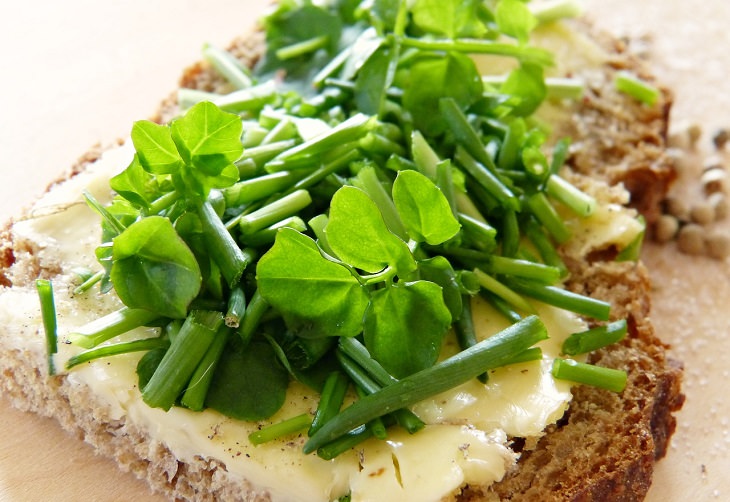
Health benefits of chives: Chopped chive leaves on a slice of bread spread with cheese

1. Helps Protect the Heart  
The compound allicin, which chives are rich in, is responsible for making this spice plant highly beneficial for your heart. Allicin is known as a substance that helps the body lower blood pressure levels, as it releases nitric oxide into the bloodstream, making blood vessels less rigid, allowing smoother and better blood flow, and reducing the buildup of plaque that clogs veins and causes blood clots. Additionally, allicin helps increase levels of HDL cholesterol, the "good" cholesterol, and reduces levels of LDL cholesterol, the "bad" cholesterol – another property that undoubtedly works in favor of the heart, as supported by a study published in 2012. Furthermore, the vitamin C in chives improves the elasticity of blood capillaries and enhances the body’s iron absorption, while the folic acid in the plant prevents the narrowing of blood vessels. 
 
2. Strengthens Bone 
Health Chives contain a significant amount of vitamin K – a component that makes a substantial contribution to the health and strength of the body’s bones. This vitamin helps maintain the integrity and density of bones and supports the regulation of body cells that prevent mineral loss from bones. Additionally, vitamin K promotes the production of a protein called osteocalcin, which is significant for maintaining bone mineral density. Above all, it’s worth knowing that adequate consumption of vitamin K, for example, by incorporating chives into various foods and dishes, can reduce calcium excretion through urine, which is one of the common causes of bone depletion.

3. Eases the Digestion Process 
One of the most beneficial properties of chives lies in their ability to help the body eliminate a variety of harmful bacteria, fungi, and yeasts that reside in the intestines and digestive tract, which can significantly harm the body and the digestion process. Among other things, the antibacterial properties of chives can help eliminate no less than 30 strains of Salmonella, a notorious bacterium that can cause severe intestinal distress. Chives contain an excellent combination of dietary fiber along with components such as B vitamins (B3, B5, B1), phosphoric acid, and zinc – all known to ease the digestive system and accelerate its function. This phytochemical mixture can also alleviate stomach pain, so it is recommended to eat chives when you experience such discomfort. 
 
4. Contributes to Strengthening and Supporting the Immune System 
Not only can your digestion process improve and be supported by consuming chives – but your entire immune system, which keeps your body strong, can benefit as well. In addition to everything we’ve mentioned so far, it should be noted that chives contain a moderate amount of selenium, a mineral important for strengthening the immune system. Immune cells lacking selenium may struggle to produce proteins and transport calcium. Furthermore, the vitamin C in chives supports the immune system, helping to enhance the production of white blood cells and collagen, a vital component for the regeneration of arteries, tissues, and muscles.

5. Beneficial for Pregnant Women 
Another essential component found in chives, which is of utmost importance for pregnant women, is folic acid – crucial for ensuring the fetus’s well-being and proper development. This acid prevents the formation of defects in the neural tube of the fetus and generally aids in brain development, cell division, and DNA synthesis. Therefore, it is recommended for women who are even just trying to conceive to consume high doses of it – primarily through dietary supplements, but also by eating foods rich in it, such as chives. 
 
6. May Support Skin Health  
Chives can benefit not only the body’s internal systems and organs but also our external appearance – specifically our skin and hair, which we care for just as much. Chives are an excellent source of beta-carotene, an antioxidant that stimulates skin vitality and helps it glow; the vitamin C in chives, which we’ve already discussed in the context of the immune system, also has antioxidant properties that help combat skin aging and reduce the appearance of wrinkles, stretch marks, and acne.
  don't have bulbs at the end like green onion ! Thinner stalks
 
7. Preserves Vision Ability 
Not only carrots or various colorful vegetables can help you maintain eye health and high vision capabilities – the greenish chives also have this ability, a benefit worth utilizing. This advantage is linked to the compounds lutein and zeaxanthin found in chives, which help reduce oxidative stress on the eye, strengthen overall vision, and prevent the development of cataracts. Another component in chives is quercetin, which studies have found helps preserve vision in those suffering from macular degeneration. 
 
8. Helps Cleanse the Body of Toxins  
Chives have a mild diuretic effect, which, combined with their other virtues – such as the antioxidant activity they promote and the antibacterial properties we’ve already detailed – greatly aids in cleansing and purifying the body of harmful substances. By increasing urination, chives help the body eliminate the accumulation of toxins, salts, and even fats – and when this happens, the body’s systems and organs can function more smoothly, ensuring that toxic and dangerous substances are properly expelled from the body.

9. Improves Sleep Quality and Mood 
In addition to all the components, nutrients, and vitamins we’ve already mentioned that chives are blessed with, you can also find choline in them – a small compound that serves as a precursor to several other important compounds in many living organisms’ cells. It is also a vital component for us humans, helping to promote good and proper sleep. It is well known that good sleep is an important factor in our quality of life and can help regulate our mood – so chives can certainly be credited with an advantage in supporting mental well-being. Furthermore, the folic acid we’ve already told you is present in chives is known to promote the production of dopamine and serotonin in the body – two significant hormones responsible for elevating mood and fostering a sense of well-being. 
 
10. Contributes to the Body’s Ability to Fight Cancer 
According to a study published in 2008 in the professional journal for biological, biotechnological, and biochemical sciences, chives contain a chemical compound called Diallyl trisulfide, which may have the potential to help the body fight cancer. Another study conducted at Nihon University in Japan and published in the Asian-Pacific Journal of Cancer Prevention found that the risk of developing cancer may be lower among people who regularly consume foods from the garlic plant family, which includes chives, and which contain an exceptionally high concentration of the aforementioned anti-cancer compound. Another study worth mentioning in this context was published in 2015 in the journal for cancer prevention research, highlighting the importance of sulfur compounds found in chives and other garlic-related vegetables and their distinct ability to reduce the biological activity of carcinogenic factors in the body.


This is only for your information, kindly take the advice of your doctor for medicines, exercises and so on.   


Labels: , , , , , , , , , , , ,

Thursday, October 10, 2024

Can a Mother’s Mental Health Impact a Baby in the Womb?

Growing research indicates a pregnant woman’s stress level and overall mental well-being can affect fetal and child development, yet access to prenatal mental health care remains inadequate.

Lying on the hospital bed with two elastic belts wrapped around my pregnant belly, I was doing my best to focus on the intake nurse’s questions: Have you had any recent thoughts of harming yourself? Are you sleeping? Do you feel safe at home with your partner?

About 24 hours had passed since I’d last felt any nudges or kicks in my 28-week pregnant stomach, and I was panicked. My husband and I went to the hospital, where I was set up for a non-stress test to monitor our baby’s heart rate and movement. I was so focused on my baby that I hadn’t anticipated a line of questioning about my current emotional state.

Mental health was not a regular, or expected, part of prenatal care until recently. Pregnancy once was believed to protect women from depression and other mental illnesses. As recently as 2010, a committee reviewing revisions to the Diagnostic and Statistical Manual of Mental Disorders, psychiatry’s Bible, regarding postpartum depression found, as observers noted, a lack of “persuasive evidence to indicate that postpartum depression is distinct from other existing depressive disorders.” Today, health professionals understand that the hormonal, emotional, financial and social changes associated with pregnancy and birth carry their own unique risks and treatment needs; the term “perinatal depression,” referring to a period that encompasses both pregnancy and the weeks and months following birth, is becoming more common as a way to acknowledge that these symptoms can also arise prenatally, not just postpartum.

What researchers are discovering is that mental health concerns like stress, anxiety and depression are, as one 2024 review paper noted, “the most common complications of pregnancy.” Around one in five women experience perinatal depression globally. Among a study of 11 wealthy nations, the United States has the highest maternal mortality rate. Nearly one-quarter of pregnancy-related deaths are caused by mental health conditions, even though 80 percent of these losses are preventable, according to the Policy Center for Maternal Mental Health.

The pregnant individual isn’t the only person who’s impacted, though: Doctors have long known that a mother’s well-being is strongly correlated to her baby’s. That’s why physicians recommend prenatal vitamins, regular exercise and the avoidance of certain foods to pregnant individuals, for example. But recent studies demonstrate that a mother’s mental wellness is also a meaningful harbinger of her children’s future physical, mental and behavioral health. Serious delivery issues such as preeclampsia, preterm birth and small birth size are all more likely to occur in women with mental illness. Significant maternal stress—whether it rises to the level of a diagnosable illness or not—impairs fetal brain development and can lead to long-term cognitive, behavioral and learning problems in offspring.

“Depression or stress or anxiety, this unpleasant, negative state in pregnancy, whatever we choose to call it, has negative effects on the fetus and on the brain and perhaps on the whole epigenetic milieu of the fetus,” says Katherine Wisner, associate chief of perinatal mental health at the Developing Brain Institute, a research facility connected to Children’s National Hospital in Washington, D.C. that’s focused on brain development in utero and in newborns.


Labels: , , ,

Thursday, May 16, 2024

Why pregnant women need to add omega-3 in their diet

 Omega-3 are essential fatty acids that serve as the building blocks for the developing fetal brain and retina during pregnancy. The most active form of omega-3 fatty acid is docosahexaenoic acid (DHA) and eicosapentaenoic acid (EPA), both of which are primarily derived from seafood and algae. Studies suggest that most women, across the globe do not consume adequate quantities of fish to meet their DHA requirement, owing to their concerns linked with mercury toxicity and contamination of seafood. 

A study published in the journal Public Health Nutrition in February this year titled, Demographic and health characteristics associated with fish and n-3 fatty acid supplement intake during pregnancy: results from pregnancy cohorts in the ECHO programme, explored the diet of 10,800 pregnant women to see how much omega-3 fatty acids they consumed, every week, either by including seafood in their diet or taking supplements. The results showed that overall, 24.6 percent participants reported consuming fish never or less than once per month, 40.1 percent consumed less than once a week. Only 13.2 percent reported consuming fish more than twice per week. The intake of omega-3 supplement use was uncommon, even among those who did not consume fish. The decrease in intake of fish was mainly attributed to federal advisories about mercury in fish since 2001. 

How do omega-3 fatty acids impact the foetus? 
A baby’s brain is made of 60% fat with DHA contributing to the maximum composition, making it crucial to focus on this essential nutrient during pregnancy. The fetal brain growth is known to accelerate during the second half of pregnancy, with the majority of the foundational cognitive development happening in the third trimester. Research also states that omega-3 acids are found to influence the duration of the gestational period & prenatal depression.

What's the best way for a pregnant woman to incorporate omega 3 into her diet?
Omega-3 requirements during pregnancy can simply be met by focusing on three servings of high-quality fatty fish a week, or supplementation is recommended second trimester onwards. It is important to note that those on a plant-based diet must focus on both DHA and ALA (Alpha-linolenic acid) sources of supplement rather than opting for an only ALA supplement. Note: ALA is a plant-based source and the third acid that along with DHA & EHA make omega-3. ALA is often the preferred source of omega 3 supplementation for those on a plant-based diet.

Maternal DHA levels during pregnancy are known to positively impact the baby’s memory, language comprehension, reduce the chances of neurological disorders, protect the baby’s brain from oxidation damage and increase the child’s IQ levels. Additionally, it serves as benefiting the mother by helping build her reserves of omega-3 for breastfeeding, reduce the risk of developing gestational hypertension and prevent the development of postpartum depression.


This is only for your information, kindly take the advice of your doctor for medicines, exercises and so on.   

https://gscrochetdesigns.blogspot.com. one can see my crochet creations  
https://gseasyrecipes.blogspot.com. feel free to view for easy, simple and healthy recipes    
https://kneereplacement-stickclub.blogspot.com. for info on knee replacement
https://cancersupportindia.blogspot.com  for infor on cancer and health related topics
https://GSiyers home remedies.blogspot.com   is the latest addition to my blogs. I'm going to add posts there, do give me your valuable feed back on my blogs. Thanks a lot, take care, be healthy and be happy.


Labels: , , , , ,

Wednesday, January 31, 2024

Are You at Risk of a Dangerous, or Deadly, Blood Clot?

Blood clots do have a purpose. When you cut yourself, your blood cells are supposed to clump together, stopping your blood from gushing out. But sometimes, clots form in places they shouldn't and if they occur where blood needs to keep flowing, it can cause problems. Clots that block blood to your brain cause strokes, and ones that stop your heart's blood flow cause heart attacks. A clot that forms in your leg causes deep vein thrombosis (DVT), which can travel to your lungs. Known as a pulmonary embolism (PE), it can be very serious, even fatal.


Dangerous blood clots are common. Statistics show that 100,000 people die from DVT and PE every year in the U.S. That's more than breast cancer and motor vehicle collisions combined. Although anyone can get a blood clot in the wrong place, there are some people who are especially vulnerable - particularly those who fall into one or more of the categories below:


1. People who are overweight 
People who are obese are at a higher risk of blood clots that form in a vein and travel through your blood (VTE). How far off you are from a healthy weight can make a difference in your chances of developing a clot too. For instance, someone who is a little overweight has a little bit of an added risk, but the risk becomes higher as you become severely obese. In addition, the more weight you carry on your frame, the harder it is to get around and sitting still for long periods of time puts you in the blood clot danger zone. 
 
 
2. Smokers
Smoking harms your health for a host of reasons and one of those is a raised risk of blood clots. Most people think that smoking just affects the lungs, but it actually affects your blood vessels too. Smoking damages the lining of your blood vessels, making blood more likely to stick together. Smoking is also a cause of heart disease and peripheral artery disease and is one of the biggest drivers behind heart attack and stroke as well as an increased risk of VTEs. 
 
 
3. Pregnant women  
Having a baby can complicate your clotting process. One reason for this is the added hormones - particularly estrogen - that float around in your bloodstream. In addition, as the baby gets larger and larger it can actually push on the blood vessels in the abdomen and the pelvis and block the flow directly causing clots.  
 
 
4. Estrogen takers
Being on a birth control pill can increase your chances of developing a blood clot. Symptoms include a swollen leg, shortness of breath or chest pain, and most tend to ignore the signs. But women who are taking oral contraceptives, or are on hormone replacement therapy should check for clots.


5. People with infections or inflammatory diseases 
Are you dealing with a serious illness or infection? If yes you should be alert to the symptoms of abnormal clots. Some types of cancer, such as brain, ovary, pancreas, colon, stomach, lung and kidney can put people at risk of DVT or PET. The clots may show up before cancer, and this means they might turn out to be a warning sign. Other conditions make you more likely to get clots, such as diabetes, HIV, or inflammatory bowel diseases like Crohn's or colitis. If you get injured, your body may clot in internal spots where it shouldn't. 


6. People who are still for long periods
There are all sorts of reasons you might not move for multiple hours. Hospital stays are a common reason. In fact, about half of DVTs and PEs occur in patients who are currently in the hospital or who have recently been in the hospital. Most of these patients have been lying in a hospital bed for days or even weeks after their bodies have gone through some sort of trauma like surgery or sickness. At this time in your life, your risk goes up dramatically. Sitting in a car, bus or on a plane for four hours or more is another situation that can increase your risk of a clot, especially if you're not drinking enough water. 
 
 
7. Descendants of people with blood clotting problems  
Know anyone in your family who has dealt with abnormal blood clots? The first step is to learn more about these experiences. If an injury or illness is to blame, the cause could be genetic. Certain inherited disorders can make your blood thicker, causing it to clot. Take a few tests and find out if you've inherited one of them. 
 
 
8. People who’ve had blood clots before
Do you have a history of clots? It's likely that you'll get them again. One-third of people who get a DVT/PE will have another in around 10 years. This is because the blood clots form around the valves of a vein, which can damage them. In some situations, this can also lead to multiple clots over time. More often than not, this can be more of a chronic disease, rather than an acute episode.


This is only for your information, kindly take the advice of your doctor for medicines, exercises and so on.   

https://gscrochetdesigns.blogspot.com. one can see my crochet creations  
https://gseasyrecipes.blogspot.com. feel free to view for easy, simple and healthy recipes    
https://kneereplacement-stickclub.blogspot.com. for info on knee replacement
https://cancersupportindia.blogspot.com  for infor on cancer and health related topics
https://GSiyers home remedies.blogspot.com   is the latest addition to my blogs. I'm going to add posts there, do give me your valuable feed back on my blogs. Thanks a lot, take care, be healthy and be happy.

Labels: , , , , , , ,

Monday, May 23, 2022

15 Health Benefits of Broccoli

As a kid, I used to hate broccoli. Whenever my mother would cook it, I would make up all sorts of elaborate fibs hoping she wouldn't make me eat it (although they never worked). But when I became an adult, I grew to love this green vegetable and enjoy it in a variety of dishes. I've since discovered that broccoli is not just healthy, it's 'super' healthy - and I wanted to share the good news with you today.
broccoli health benefits
Interesting Broccoli Facts: Broccoli was first cultivated in Italy back in the 6th-century B.C.E., and its name comes from the Italian broccoli meaning “the flowering crest of a cabbage”. The broccoli is a member of the cabbage family, along with the radish, turnip, mustard, and more. It was introduced to the United States by Italian immigrants in the 1920s and wasn’t wildly known until then. 77% of the world's broccoli is produced in China and India. The part of the broccoli we eat is the flower and the stem.

Health Benefits of Broccoli: 
 
1. It protects your skin from aging 
Broccoli is rich in antioxidants, such as Vitamin C, which reduces and prevents the damages caused by free radicals, such as pigmentation and wrinkling. In addition, the health content of Vitamins B and E aids in giving your skin a healthy glow. 
 
2. It protects you from UV radiation 
Using broccoli extract instead of sunscreen has been shown to provide a better level of protection than sunscreen. While sunscreen absorbs UV radiation, preventing it from reaching your skin, broccoli extract gets absorbed into your skin, defending it from the inside-out. It was also shown that its effects can last up to three days while sunscreen is only good for several hours at most. 
 
3. It’s good for pregnant women  
During pregnancy, women need to consume large amounts of folate, and broccoli has it in abundance. Folate helps prevent neurological and spinal defects in the fetus. 
 
4. It helps control diabetes  
Broccoli contains chromium, which is effective in regulating insulin levels and thus keeping diabetes symptoms at bay. 
 
5. It can prevent anemia  
Rich in iron and folic acid, broccoli is one of the best foods for preventing and treating anemia, as well as improving your levels of hemoglobin. broccoli health benefits

6. It regulates blood pressure 
The high levels of calcium, potassium, omega-3, and magnesium help improve blood flow in the circulatory system, and even reduce LDL levels (“bad cholesterol”). 
 
7. It boosts your immunity 
Your immune system needs nutrients such as trace minerals, zinc, and beta-carotene – all of which are quite common in broccoli. 
 
8. It’s also good for your bones 
The zinc, magnesium, and calcium, along with Vitamin K and phosphorus help prevent bone-related ailments and strengthens the bones. 
 
9. It promotes eye health 
Broccoli contains antioxidants such as lutein and carotenoid, which help in deterring cataracts and macular degeneration. It also contains Vitamin A, which is known to aid in improving vision in low-light conditions, as well as discerning colors.

10. It’s great for weight-loss  
Broccoli is low in calories, making it ideal for dieting.

11. It is also an effective detoxifier 
Your body needs to be able to get rid of waste and contaminants, and that’s where broccoli comes into play: containing rare nutrients like glucobrassicin, glucoraphanin, and gluconasturtiin, all of which are effective in eliminating toxins. 
 
12. It makes your hair shine The erucic acids in broccoli give your hair a lovely, natural shine. 
 
13. It takes care of your heart 
All of the amazing nutrients we’ve discussed help prevent damage to your blood vessels, reducing the risk of a stroke or heart attack.

14. It fights cancer  
The glucoraphanin in broccoli can be converted in the body into a cancer-fighting chemical called sulforaphane, and the indole-3 carbinol helps reduce the risk of breast, cervical and prostate cancer. 
 
15. It even helps your hair grow  
Vitamins A and C aid in moisturizing your scalp, while the calcium in the broccoli helps strengthen your hair follicles.

This is only for your information, kindly take the advice of your doctor for medicines, exercises and so on.   

https://gscrochetdesigns.blogspot.com. one can see my crochet creations  
https://gseasyrecipes.blogspot.com. feel free to view for easy, simple and healthy recipes    
https://kneereplacement-stickclub.blogspot.com. for info on knee replacement


Labels: , , , , , , , , , , , ,