Friday, August 08, 2025

If You've Got a Diminished Libido, You Need to Read

Are you feeling a distinct lack of libido? If you are, you could have a vitamin B deficiency, which could also be affecting your energy in general. You can get the vitamin B you need from foods such as poultry, beef, eggs, and green leafy vegetables. With that being said, a lack of libido can be down to deficiencies in other areas. Here are 9 ways to make your libido soar: 
 
1. Vitamin B

Add more poultry, beef, eggs and green leafy vegetables to your diet if you happen to have a vitamin B deficiency. You could have a vitamin B deficiency in your body if you have fatigue, anemia or a weakened immune system.

2. Antioxidants
 
Antioxidants, which can be found in large concentrations in nuts (in the form of vitamins A and E), can help boost energy, blood circulation, and cell growth. Many healthy foods like fruits, vegetables, and grains also include high concentrations of antioxidants. 
 
3. Zinc 
  
This mineral is highly present in a food that’s often associated with sex, namely oysters. This aphrodisiac will definitely give you your spark once again. Nuts, seeds, legumes, dairy products and fortified foods are also rich in zinc.

4. Selenium

Yet another mineral that’s important for libido is selenium. It’s found naturally in nuts, beef, tuna, and grains. Just make sure that you don’t eat too much of it, because it could affect your heart, kidneys, and liver if you do.

5. L-arginine  sex-drive
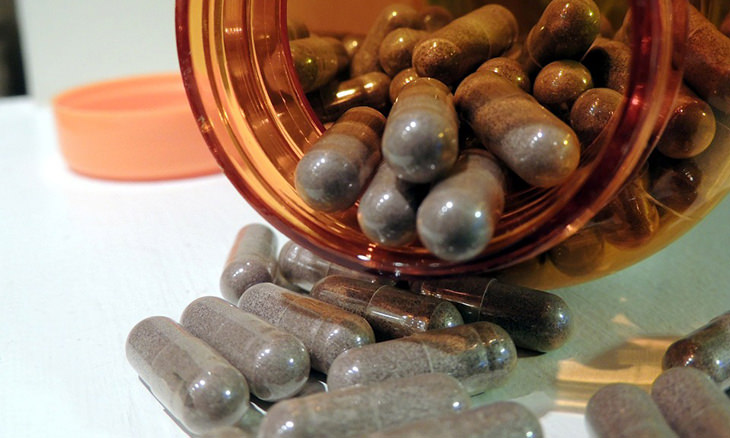
 
 L-arginine supplements are supposed to increase the blood flow to the vaginal area in women, but studies in this regard are still in their infancy. 
 
6. Omega-3 fatty acids 
This compound is found in abundance in oily fish such as salmon, walnuts, chia and flax seeds. It improves blood circulation and symptoms of depression. Being in a good state of mind and having healthy blood flow are both important components of sexual health, so be sure that you get plenty of omega-3. 
 
7. Be mindful of special supplements 
Contrary to popular belief, there are no magic pills to boost your libido. The best ways to have a healthy libido are to eat healthily, exercise, meditate, stretch, relax, laugh, and play. 
 
8. Eat some apple pie spices! 
The spices that make apple pie so delicious, such as nutmeg and cinnamon, will have a great effect on your libido. The smell of cinnamon will put you in the mood, and eating nutmeg has been found to improve sexual performance in mice.


9. Ginseng sex-drive

 
 The Chinese have used ginseng as a libido-enhancer for centuries, and some studies have found that it can even help with erectile dysfunction.

This is only for your information, kindly take the advice of your doctor for medicines, exercises and so on.   


Labels: , , , , , , , ,

Tuesday, April 15, 2025

Popular Arthritis Food Myths You Should Stop Believing

Arthritis affects millions worldwide, causing pain, stiffness, and swelling in joints. While there's no cure, managing symptoms is important for improving quality of life. Diet plays an essential role in this management, but the internet is flooded with conflicting information on what to eat and what to avoid.

When it comes to arthritis, food myths are everywhere, from gin-soaked raisins to apple cider vinegar. For those dealing with daily joint pain, the idea that a few specific foods can ease discomfort or even cure arthritis is undeniably appealing. But as with any health condition, it’s essential to understand what actually works. Here, we take a closer look at what science says about some of the most commonly discussed foods and their impact on arthritis. 
 
Myth 1: Gin-soaked raisins can relieve joint pain
 
Arthritis Food Myths

Many believe that gin-soaked raisins are an arthritis remedy. The idea is that sulfur, used to preserve raisins, has anti-inflammatory properties that reduce joint pain, while the juniper berries in gin might bring relief as well. While sulfur compounds like methylsulfonylmethane (MSM) have been tested for joint health, no scientific studies confirm that gin-soaked raisins relieve arthritis symptoms.

The Takeaway: There’s no evidence that gin-soaked raisins reduce arthritis pain. If you enjoy them as a treat, feel free, but don’t rely on them for pain relief. 
 
 
Myth 2: Apple cider vinegar eases joint pain
 
Arthritis Food Myths
Apple cider vinegar is hailed as a natural remedy for all kinds of ailments, including arthritis. Some argue that the small amount of beta-carotene in it could fight inflammation, while others believe it helps by breaking up acid crystals in the joints. However, arthritis is not caused by acid crystals—only gout involves uric acid, and vinegar has no impact on this form of arthritis. 
 
The Takeaway: Apple cider vinegar is excellent in recipes, but it doesn’t impact arthritis symptoms or pain. 
 
 
Myth 3: Dairy products aggravate arthritis symptoms
Dairy products, particularly milk, cheese, and yogurt, often come under fire as inflammation triggers for arthritis. However, scientific studies have found that dairy can actually be beneficial for people with arthritis. In fact, one study found that milk reduced uric acid levels, which can protect against gout. While some may experience lactose intolerance, most people with arthritis can safely enjoy dairy.

The Takeaway: Unless you have a specific allergy, dairy can be part of a healthy diet for those with arthritis and doesn’t worsen joint pain.
 
 
 Myth 4: Nightshade vegetables aggravate arthritis
 
Arthritis Food Myths
Tomatoes, potatoes, eggplants, and peppers are part of the nightshade family and contain a compound called solanine, which some say can exacerbate arthritis pain. However, no credible research supports this claim. In fact, nightshades are high in vitamins and antioxidants, which may help reduce inflammation rather than cause it. 
 
The Takeaway: Nightshade vegetables are packed with beneficial nutrients and do not worsen arthritis pain. 


Myth 5: A low-acid diet lessens arthritis pain
 
Arthritis Food Myths

There’s a common belief that eating acidic foods can disrupt your body’s pH levels and make arthritis symptoms worse. But research shows that the body’s pH is tightly regulated and not significantly affected by diet. Once food reaches the stomach, it is met with stomach acid, which neutralizes any dietary impact on blood pH. 
 
The Takeaway: An acid-alkaline diet doesn’t influence arthritis symptoms, as your body naturally maintains its pH levels regardless of food choices. 
 
 
Myth 6: Raw food diets relieve arthritis symptoms
Some people with arthritis turn to a raw food diet, which includes uncooked fruits, vegetables, and nuts. One study in the late 1990s suggested that a raw vegan diet, supplemented with certain probiotics, brought relief for some arthritis symptoms. However, it didn’t show any measurable long-term benefit. Additionally, this diet is restrictive and often leads to nutrient deficiencies.

The Takeaway: Adding more fruits and vegetables to your diet is helpful, but a fully raw food diet isn’t necessary for arthritis relief.


Myth 7: Increased red wine consumption alleviates arthritis symptoms
The antioxidant resveratrol in red wine has anti-inflammatory properties, but there’s little evidence to suggest that drinking red wine specifically relieves arthritis pain. While resveratrol supplements may help suppress certain inflammatory markers, overconsuming alcohol can worsen inflammation and interfere with arthritis medications. 
 
The Takeaway: Enjoy red wine in moderation if you like, but don’t rely on it to ease arthritis symptoms. 
 
 
Myth 8: Coffee consumption causes gout
Coffee has often been linked to gout flare-ups, though research tells a different story. Large studies, such as the Nurses' Health Study, have shown that regular coffee consumption may reduce gout risk. Some research suggests coffee might even lower uric acid levels, which is good news for gout sufferers.  
 
The Takeaway: Drinking coffee doesn’t increase your risk of gout and may even reduce it. 
 
 
Myth 9: Gelatin strengthens joints due to its collagen content
Gelatin, derived from collagen, has been marketed as a remedy for joint health, but the science doesn’t back up its claims. While collagen is essential for joint health, the digestive process breaks down gelatin into amino acids that are distributed throughout the body, not just to the joints.

The Takeaway: Gelatin won’t directly benefit your joints, but it can be enjoyed as part of a balanced diet. 
 
 
Myth 10: Citrus fruits can worsen arthritis
There’s a misconception that citrus fruits can worsen arthritis. However, vitamin C, found abundantly in citrus fruits, is crucial for collagen formation, which supports healthy joints. Research has also shown that vitamin C may reduce the risk of osteoarthritis (OA) and potentially prevent future knee pain. 
 
The Takeaway: Citrus fruits are beneficial, and their vitamin C content supports joint health. 
 
 
Foods That Support Arthritis Relief 
While myths about certain foods causing or curing arthritis abound, there are several dietary choices supported by research to help manage arthritis symptoms. Adding anti-inflammatory and nutrient-rich foods into your daily routine can help promote overall health and joint comfort. 
 
 
Omega-3 fatty acids
Arthritis Food Myths

Salmon, tuna, and mackerel are high in omega-3s, which have shown strong evidence in reducing inflammation and stiffness in arthritis sufferers. Omega-3s are also found in plant-based sources, like chia seeds and walnuts. Including these foods in your diet a few times a week may reduce joint pain and allow for a lower medication dose. 
 
Omega-3 fatty acids are among the most researched and effective anti-inflammatory foods for arthritis. 
 
Fiber-rich foods
Foods high in fiber, such as whole grains, fruits, and vegetables, can lower C-reactive protein (CRP) levels, an inflammation marker associated with arthritis. A diet rich in fiber helps improve overall health and can support arthritis management. 
 
Include fiber-rich foods in every meal to aid inflammation management. 
 
Green tea for antioxidants
Green tea contains antioxidants that may protect joints by reducing inflammation. Early research shows that antioxidants like EGCG, present in green tea, could help slow cartilage damage in arthritis. Enjoy green tea regularly, but be mindful of added sweeteners.

Green tea is a simple addition to your diet that may have protective benefits for joint health. 
 
 
Beans for protein and minerals
 
Arthritis Food Myths
Beans are affordable, rich in fiber, and contain folic acid, magnesium, iron, and zinc, all beneficial for arthritis. They also offer plant-based protein that helps with muscle strength, supporting arthritic joints. 
 
Beans are a low-cost, nutrient-dense food that can support joint health and muscle strength. 
 
A balanced diet is key to managing arthritis
Rather than relying on isolated food myths or “miracle” cures, experts recommend following a balanced diet to manage arthritis symptoms. Prioritize fresh, unprocessed foods, with a focus on anti-inflammatory choices like fish, fiber, fruits, and vegetables. Remember, there’s no one-size-fits-all solution, but through balanced nutrition, many can find relief and support for joint health


This is only for your information, kindly take the advice of your doctor for medicines, exercises and so on.   

Labels: , , , , ,

Wednesday, November 13, 2024

Cholesterol Control: Supplements That Could Help

Maintaining a healthy cholesterol level is a balancing act that's crucial for our well-being. Our bodies require cholesterol for vital functions, but when the balance tips—with "bad" LDL cholesterol levels spiking high and "good" HDL cholesterol plummeting low—the risks to our health multiply. These imbalances can lead to severe consequences, such as heart attacks, strokes, and organ damage. 
 
Managing cholesterol typically involves changes to diet and exercise routines or medications like statins. However, recent research suggests that certain supplements may also help lower LDL and boost HDL levels. It's important, however, to consult with a healthcare provider before incorporating any new supplement into your regimen to avoid unwanted interactions with other medicines and ensure they're a beneficial addition to your health strategy. 
 
Alongside a balanced lifestyle, these supplements could offer a natural way to maintain healthier cholesterol levels and protect your heart. 
 
1. Niacin (Vitamin B3)
Niacin, also called vitamin B3, is vital for energy production in the body and is often recognized for its positive impact on heart health. Research shows that niacin helps reduce LDL cholesterol while boosting HDL levels, promoting a healthier balance. Additionally, niacin works to lower triglycerides—another harmful fat in the bloodstream—by inhibiting a key enzyme responsible for cholesterol production in the liver.

However, at high doses, niacin can trigger side effects such as skin flushing and digestive discomfort. It is typically recommended for those who can't tolerate statins, making it a useful but cautious option for managing cholesterol. 
 
 
2. Phytosterols
 
Phytosterols are naturally occurring compounds found in plant foods that have been associated with cholesterol reduction. Available as supplements, phytosterols can lower LDL levels by 12 milligrams per deciliter, especially when consumed in doses of 1–3 grams daily. Health experts suggest they work by blocking the absorption of cholesterol in the intestines. 
 
While generally safe, phytosterols may cause mild side effects like diarrhea or fatty stools. For people with certain conditions like sitosterolemia, high levels of phytosterols might increase the risk of heart disease, so checking with a doctor before use is recommended. 
 
 
3. Red Yeast Rice
Supplements That May Help You Cut Bad Cholesterol

Red yeast rice is a traditional Chinese remedy that contains monacolin K, an active compound that functions similarly to statins by inhibiting cholesterol production. Studies have shown that consuming red yeast rice can reduce LDL cholesterol by 15–25% in just a few weeks.

While it’s a natural alternative to statins, red yeast rice should be taken with caution. The FDA restricts the sale of supplements with high levels of monacolin due to potential side effects, including muscle pain and kidney issues. It’s important to consult with a healthcare provider to avoid interactions with other medications.
 
 
4. Omega-3 Fatty Acids
Omega-3 fatty acids, found in fish oil and plant-based supplements, are effective in lowering triglycerides—one of the main fats linked to heart disease. Experts suggest that omega-3s can also help reduce inflammation and improve overall cardiovascular health. Though mainly found in fatty fish like salmon, supplements offer an easy alternative for those who don't consume enough omega-3-rich foods. 
 
However, people on blood-thinning medications should be cautious, as omega-3s can increase bleeding risk. It’s always best to consult with a doctor to determine the right dosage and avoid complications. 
 
 
5. Flax-seed
Supplements That May Help You Cut Bad Cholesterol
Flax-seeds is a powerful supplement for reducing LDL cholesterol, particularly in people with existing cardiovascular concerns. Studies show that incorporating flaxseed into the diet or using supplements can lower LDL by up to 25%. Flaxseed also offers additional benefits, like promoting digestive health. It can be consumed in various forms, including oil, ground seeds, or capsules. 
 
However, flaxseed supplements may interact with certain medications, so consulting a doctor before use is essential. Additionally, those who are pregnant should avoid flaxseed due to its potential hormonal effects. The best results are generally seen when flaxseed is combined with statin therapy, making it a complementary approach to cholesterol management. 
 
 
6. Soluble Fiber
 Supplements That May Help You Cut Bad Cholesterol
 
 Evidence suggests that soluble fiber can lower cholesterol levels. It can be found in foods such as oats, fruits, and legumes, and it can also be obtained in supplement form. Soluble fiber binds to cholesterol in the small intestine, preventing its absorption into the bloodstream. This process allows the body to eliminate cholesterol naturally, promoting better heart health. 
 
Psyllium husk, a type of soluble fiber, is particularly effective. It forms a gel-like substance that moves through the digestive system, trapping cholesterol and bile acids. For those looking to improve cholesterol levels, adding soluble fiber can be a simple yet powerful dietary change.  
 
7. Beta-Glucans
Beta-glucans are naturally occurring fibers found in various plants, notably oats and mushrooms. They have shown promise in reducing both total and LDL cholesterol levels. Recent research suggests that beta-glucans may be more effective than traditional cholesterol-lowering medications, such as statins, as they work to rebalance cholesterol levels rather than simply blocking its production. This makes them a promising natural alternative for managing cholesterol. 
 
Health practitioners often advocate for incorporating fiber-rich foods into one’s diet to harness the cholesterol-lowering benefits of these compounds.


8. Berberine
Supplements That May Help You Cut Bad Cholesterol

Berberine is a plant-based supplement that merits consideration for improving cholesterol levels. Studies indicate it can effectively lower bad LDL cholesterol and overall cholesterol levels by enhancing the body’s cholesterol metabolism and enzyme activity. Experts caution, however, that this supplement may lead to gastrointestinal side effects like diarrhea, constipation, or nausea. 
 
Though a natural option, berberine should not be used by pregnant or breastfeeding women, and a doctor's guidance is necessary before adding it to your regimen, especially if you're taking other medications.


This is only for your information, kindly take the advice of your doctor for medicines, exercises and so on.   

https://gscrochetdesigns.blogspot.com. one can see my crochet creations  
https://gseasyrecipes.blogspot.com. feel free to view for easy, simple and healthy recipes    
https://kneereplacement-stickclub.blogspot.com. for info on knee replacement
https://cancersupportindia.blogspot.com  for infor on cancer and health related topics
https://GSiyers home remedies.blogspot.com   is the latest addition to my blogs. I'm going to add posts there, do give me your valuable feed back on my blogs. Thanks a lot, take care, be healthy and be happy.

Labels: , , , , , , , , ,

Thursday, May 16, 2024

Why pregnant women need to add omega-3 in their diet

 Omega-3 are essential fatty acids that serve as the building blocks for the developing fetal brain and retina during pregnancy. The most active form of omega-3 fatty acid is docosahexaenoic acid (DHA) and eicosapentaenoic acid (EPA), both of which are primarily derived from seafood and algae. Studies suggest that most women, across the globe do not consume adequate quantities of fish to meet their DHA requirement, owing to their concerns linked with mercury toxicity and contamination of seafood. 

A study published in the journal Public Health Nutrition in February this year titled, Demographic and health characteristics associated with fish and n-3 fatty acid supplement intake during pregnancy: results from pregnancy cohorts in the ECHO programme, explored the diet of 10,800 pregnant women to see how much omega-3 fatty acids they consumed, every week, either by including seafood in their diet or taking supplements. The results showed that overall, 24.6 percent participants reported consuming fish never or less than once per month, 40.1 percent consumed less than once a week. Only 13.2 percent reported consuming fish more than twice per week. The intake of omega-3 supplement use was uncommon, even among those who did not consume fish. The decrease in intake of fish was mainly attributed to federal advisories about mercury in fish since 2001. 

How do omega-3 fatty acids impact the foetus? 
A baby’s brain is made of 60% fat with DHA contributing to the maximum composition, making it crucial to focus on this essential nutrient during pregnancy. The fetal brain growth is known to accelerate during the second half of pregnancy, with the majority of the foundational cognitive development happening in the third trimester. Research also states that omega-3 acids are found to influence the duration of the gestational period & prenatal depression.

What's the best way for a pregnant woman to incorporate omega 3 into her diet?
Omega-3 requirements during pregnancy can simply be met by focusing on three servings of high-quality fatty fish a week, or supplementation is recommended second trimester onwards. It is important to note that those on a plant-based diet must focus on both DHA and ALA (Alpha-linolenic acid) sources of supplement rather than opting for an only ALA supplement. Note: ALA is a plant-based source and the third acid that along with DHA & EHA make omega-3. ALA is often the preferred source of omega 3 supplementation for those on a plant-based diet.

Maternal DHA levels during pregnancy are known to positively impact the baby’s memory, language comprehension, reduce the chances of neurological disorders, protect the baby’s brain from oxidation damage and increase the child’s IQ levels. Additionally, it serves as benefiting the mother by helping build her reserves of omega-3 for breastfeeding, reduce the risk of developing gestational hypertension and prevent the development of postpartum depression.


This is only for your information, kindly take the advice of your doctor for medicines, exercises and so on.   

https://gscrochetdesigns.blogspot.com. one can see my crochet creations  
https://gseasyrecipes.blogspot.com. feel free to view for easy, simple and healthy recipes    
https://kneereplacement-stickclub.blogspot.com. for info on knee replacement
https://cancersupportindia.blogspot.com  for infor on cancer and health related topics
https://GSiyers home remedies.blogspot.com   is the latest addition to my blogs. I'm going to add posts there, do give me your valuable feed back on my blogs. Thanks a lot, take care, be healthy and be happy.


Labels: , , , , ,

Monday, May 23, 2022

Kick Start Your Libido With These 9 Methods

Are you feeling a distinct lack of libido? If you are, you could have a vitamin B deficiency, which could also be affecting your energy in general. You can get the vitamin B you need from foods such as poultry, beef, eggs, and green leafy vegetables. With that being said, a lack of libido can be down to deficiencies in other areas. Here are 9 ways to make your libido soar:

1. Vitamin B
sex-drive
Add more poultry, beef, eggs and green leafy vegetables to your diet if you happen to have a vitamin B deficiency. You could have a vitamin B deficiency in your body if you have fatigue, anemia or a weakened immune system. 
 
2. Antioxidants 
sex-drive
Antioxidants, which can be found in large concentrations in nuts (in the form of vitamins A and E), can help boost energy, blood circulation, and cell growth. Many healthy foods like fruits, vegetables, and grains also include high concentrations of antioxidants.  
 
3. Zinc
sex-drive
This mineral is highly present in a food that’s often associated with sex, namely oysters. This aphrodisiac will definitely give you your spark once again.

4. Selenium
sex-drive
Yet another mineral that’s important for libido is selenium. It’s found naturally in nuts, beef, tuna, and grains. Just make sure that you don’t eat too much of it, because it could affect your heart, kidneys, and liver if you do. 
 
5. L-arginine
L-arginine supplements are supposed to increase the blood flow to the vaginal area in women, but studies in this regard are still in their infancy. 
 
6. Omega-3 fatty acids
sex-drive
This compound is found in abundance in oily fish such as salmon. It improves blood circulation and symptoms of depression. Being in a good state of mind and having healthy blood flow are both important components of sexual health, so be sure that you get plenty of omega-3. 
 
7. Be mindful of special supplements
sex-drive
Contrary to popular belief, there are no magic pills to boost your libido. The best ways to have a healthy libido are to eat healthily, exercise, meditate, stretch, relax, laugh, and play.  
 
8. Eat some apple pie spices!
sex-drive
The spices that make apple pie so delicious, such as nutmeg and cinnamon, will have a great effect on your libido. The smell of cinnamon will put you in the mood, and eating nutmeg has been found to improve sexual performance in mice.  
 
9. Ginseng
sex-drive
The Chinese have used ginseng as a libido-enhancer for centuries, and some studies have found that it can even help with erectile dysfunction.


This is only for your information, kindly take the advice of your doctor for medicines, exercises and so on.   

https://gscrochetdesigns.blogspot.com. one can see my crochet creations  
https://gseasyrecipes.blogspot.com. feel free to view for easy, simple and healthy recipes    
https://kneereplacement-stickclub.blogspot.com. for info on knee replacement


Labels: , , , , , , , , ,