The Benefits of Functional Nutrition
Functional foods have been extensively researched over the years
regarding their contribution to health and nutrition, and they continue
to lead the field of natural medicine research. Studies have repeatedly
shown that a diet rich in functional foods is the best for protecting
the body against chronic diseases, such as heart disease, cancer,
osteoporosis, diabetes, and stroke. But what exactly is considered
functional food, and how can you incorporate more of it into your diet?
That's exactly what we will explain to you today, including the many
health benefits of maintaining a diet that includes as much functional
food as possible.
What is Functional Food?
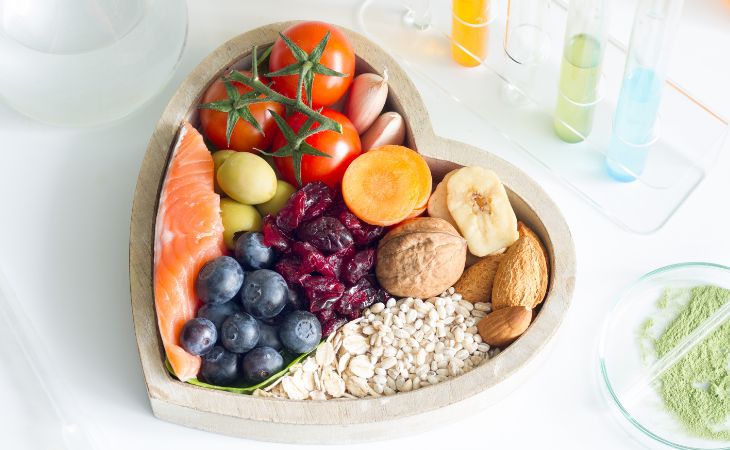
While there is no absolute definition for this category of food, the
general definition suggests that most functional foods provide health
benefits beyond "basic nutrients." That is, they supply micronutrients
and macronutrients, such as vitamins, minerals, carbohydrates, fats, and
proteins. Functional foods provide these essential components along
with compounds not found in other foods, such as omega-3 fatty acids,
dietary fiber, probiotics, and antioxidants.
There are such foods that are even intentionally produced with enhanced
nutritional value in mind. These can include vegetables, fruits, herbs,
or spices, but not exclusively. Even fatty fish, such as salmon, or
organ meats, such as liver, can be considered functional foods.
Is Fortified Food Considered Functional Food?
As we understand from the general definition, functional foods are those that provide more than basic nutrients. So, can fortified food be considered functional food? Since there is no precise definition of this term, there is also no legislation specifying what counts as functional food and what does not. The "fortified food" label often serves as a way for food manufacturers to increase profits rather than a genuine claim about the health level of the product they offer. If it is attached to processed food, it does not necessarily mean it is a functional food product. In fact, functional food does not need to be fortified with anything because it inherently contains what is required to be considered healthy.
The Health Benefits of Functional Food
Every food item has its own health benefits, but functional food provides some unique ones that are hard to find in general sources:
Antioxidants (such as carotenoids, flavonoids, lycopene, anthocyanins, and polyphenols) that fight free radicals.
Ability to reduce inflammation.
Helps prevent diseases, such as cardiovascular problems, neurological issues, cancer, and even depression.
Supports the health and function of the digestive system, thereby improving the function of the immune system.
Provides probiotics and prebiotics to the body.
Reduces the number of pathogens and harmful bacteria in the body.
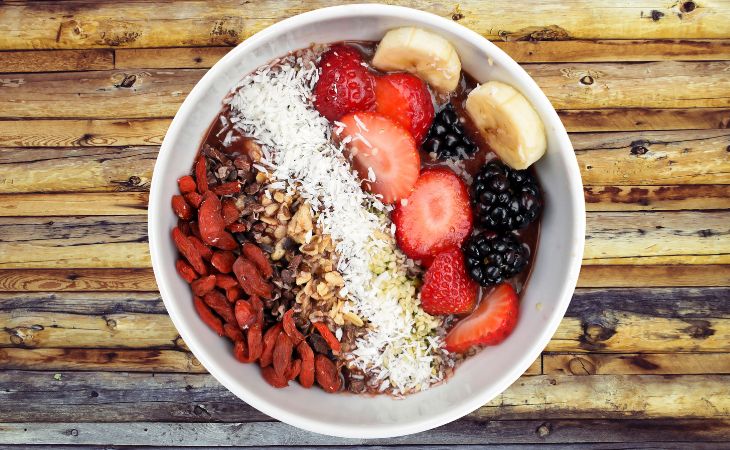
How does functional food achieve all this? The truth is that each food
item has a slightly different way of helping the body, depending on the
compounds it contains. However, in general, here are some of the ways
functional food can help the body avoid diseases:
Prevents the negative effects of stress by providing vitamin B, magnesium, and omega-3 fatty acids.
Protects the brain from oxidative damage, contributing to cognitive and mental health.
Balances cholesterol and blood pressure levels.
Aids in the absorption of nutrients from the food we eat.
Helps build strong bone mass, for example, by reducing blood acidity levels, which causes calcium to leach from bones.
Regulates blood sugar levels thanks to fiber and anti-inflammatory compounds.
Helps maintain weight and prevent obesity, which leads to diseases.
Which Functional Foods Are the Most Recommended?
To start consuming more functional food, you need some examples. We
recommend starting with some from the following list and making sure to
incorporate them as much as possible into your diet.
Foods with High Antioxidant Levels
These include a wide range of brightly colored fruits and vegetables,
such as leafy greens, berries of all kinds, oranges, papayas, peppers,
sweet potatoes, carrots, and cruciferous vegetables, like broccoli or
Brussels sprouts. These are the best sources of antioxidants, which
actually give these foods their vibrant colors and protect the body’s
cells from oxidative damage.
Herbaceous Green Foods
Various herbs, including sea vegetables like spirulina, are packed with phytonutrients, vitamins, and minerals, some of which are hard to find in other plant-based foods.
Foods High in Fiber
Fiber is crucial for digestion and gut health, and it also helps regulate appetite. Fiber can be found in vegetables, fresh fruits, legumes, whole grains, seeds, and nuts.
Probiotic Foods
These include fermented and cultured foods, such as yogurt, kefir, sauerkraut, and more. Probiotics play key roles in the body, such as protecting the intestinal walls, aiding nutrient absorption, preventing digestive issues, and fighting infections.
Prebiotic Foods
Prebiotics are the food for probiotics. They include carbohydrates and fibers that "resist" digestion but feed the good bacteria in our bodies. Some examples of prebiotic foods are leeks, onions, garlic, bananas, potatoes, asparagus, artichokes, beans, and oats. Generally, consuming raw vegetables is one of the best ways to introduce prebiotics into your body.
Omega-3 Fatty Acids
Omega-3s help reduce the risk of heart disease, depression, joint pain, and more, in addition to being essential for maintaining brain and cognitive function. The best way to add more omega-3 fatty acids to your diet is by consuming fatty fish, such as salmon, sardines, and mackerel, as well as walnuts, chia seeds, and flaxseeds.
Seeds and Nuts
Although mentioned in previous sections, they deserve special attention
as they are considered one of the best ways to add healthy fats and
fiber to your diet simultaneously, protecting the heart, brain, and
digestive system at the same time. They are also relatively filling
compared to other snacks, and you can choose from a wide variety of
tasty options, such as almonds, cashews, and walnuts. You can also add
chia seeds, flaxseeds, or hemp seeds to salads.
Bone Broth
Bone broth contains a high amount of amino acids like glycine, arginine,
and proline, as well as vitamins, minerals, collagen, electrolytes, and
even antioxidants.
How to Regularly Incorporate More Functional Foods?
Now that you are familiar with the recommended foods and what they can do for you, all that remains is to incorporate them into your regular diet. Here are some tips to help you do this effectively:
1. Base Your Diet on Plant-Based Foods
To obtain enough fiber, antioxidants, and other nutrients that benefit your body, you need to ensure you consume more plants than meat and animal products. The key word here is balance, as you also need to consume enough protein and healthy fats, but generally, it’s better for your plate to contain more plant-based foods.
2. Choose the Right Fats
Try to minimize the use of foods with trans fats, such as processed vegetable oils (soybean, canola, or sunflower oil), and opt for foods with healthy fats, like coconut oil, olive oil, or avocado.
3. Choose High-Quality Animal Products
If you consume a lot of meat, eggs, fish, and cheese, ensure you purchase the highest quality and most natural products available, which will have a higher content of nutrients and far fewer hormones and additives your body does not need.
4. Don’t Fill Up on Unhealthy Foods
One advantage of adding more functional food to your diet is that it
will replace other foods you might have been consuming that don’t
benefit you. Snacks like nuts, for example, can help you consume fewer
sweets or salty snacks that aren’t healthy for you, thereby reducing
your intake of sugar and sodium while increasing nutrients. Check the
labels of the products you consume and avoid those where ingredients
like fructose, dextrose, or anything paired with "syrup" are listed at
the top.