Friday, July 17, 2026

This Underrated Fruit is Nature’s Answer to Pain Relief

In an exciting breakthrough, researchers from several Brazilian universities have uncovered the remarkable pain-relieving and anti-inflammatory properties of sugar apple tree leaves. Known as "fruta-do-conde" or "pinha" in Brazil, the sugar apple, or custard apple, has long been appreciated for its sweet fruit. Now, its leaves are taking center stage in the search for safer alternatives to conventional pain management options.  Sugar apple
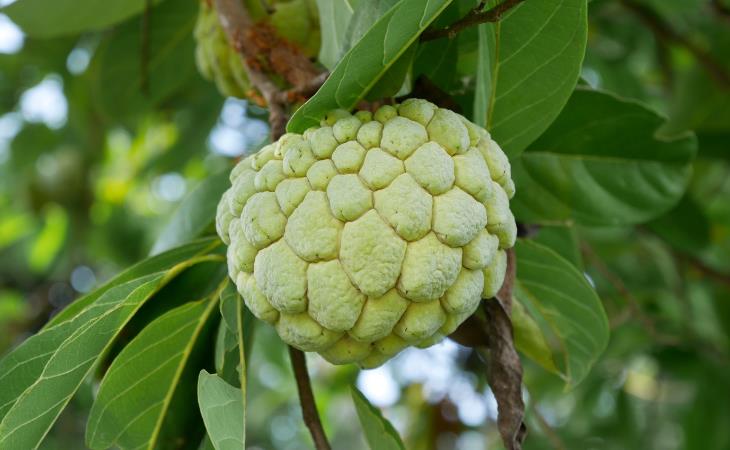
A Natural Remedy
Traditional medicine has often turned to plants for healing, and the sugar apple tree (Annona squamosa) is no exception. Its leaves have been used in folk remedies to treat pain and inflammation for centuries. However, this new research sheds scientific light on why the leaves may be so effective, in bringing ancient wisdom into modern medicine.

The study, published in Pharmaceuticals, was a collaborative effort by teams from the Federal University of Grande Dourados, Federal University of Mato Grosso do Sul, State University of Campinas (UNICAMP), and São Paulo State University. Their findings could mark the beginning of a new chapter in pain management. 

How Researchers Studied Sugar Apple Leaves

 
Sugar apple

Pain relief has traditionally depended on two main types of medication: opioids and nonsteroidal anti-inflammatory drugs (NSAIDs). While both are effective, they come with notable drawbacks. Opioids carry a high risk of addiction, while long-term NSAID use can lead to serious side effects like ulcers and heart problems. This has fueled the urgent need to explore safer, plant-based alternatives. 

The research team took a systematic approach. They created a methanolic extract (EMAS) from dried sugar apple leaves and isolated a compound called palmatine. These substances were then tested in a series of experiments to evaluate their pain-relieving and anti-inflammatory properties. 

The results were compelling. When tested against pleurisy, a condition involving lung lining inflammation, EMAS reduced inflammatory cell migration by up to 81%, while palmatine achieved a reduction of up to 75%. These findings highlight the potential of sugar apple leaves in managing inflammation effectively. 

Targeting Joint Pain and Inflammation
One of the study’s most intriguing aspects was its focus on joint inflammation. In experiments where mice were given zymosan to induce joint swelling, both EMAS and palmatine reduced pain sensitivity, swelling, and the accumulation of inflammatory cells. Remarkably, the effects of palmatine were comparable to those of prednisolone, a standard anti-inflammatory drug.

The formalin test, a widely used method to study pain responses, revealed another promising aspect. Palmatine specifically alleviated inflammatory pain, making it a potential candidate for treating chronic conditions such as arthritis.

A Safer Profile for Long-Term Use 

According to the researchers, palmatine may inhibit pathways associated with tumor necrosis factor, which plays a role in inflammation and pain. Marcos José Salvador, a professor at UNICAMP and a co-author of the study, noted that palmatine’s anti-hyperalgesic properties could contribute to the plant’s anti-arthritic potential. This adds another layer of understanding to why sugar apple leaves might be effective in pain management.

One of the biggest challenges with current medications like glucocorticoids is their potential to cause severe side effects over time, including adrenal insufficiency and insulin resistance. Encouragingly, neither EMAS nor palmatine showed toxic effects on white blood cells during laboratory tests. This suggests that sugar apple leaf extracts could offer a safer alternative for long-term use, though further studies are needed to confirm these findings.

The Road Ahead 

While the results are promising, the researchers stress that it is too early to position sugar apple leaf extracts as a replacement for conventional drugs. More studies are necessary to explore their effects in different formulations and better understand their pharmacokinetics—how the body absorbs, distributes, metabolizes, and excretes these compounds.

Other benefits of Sugar apple
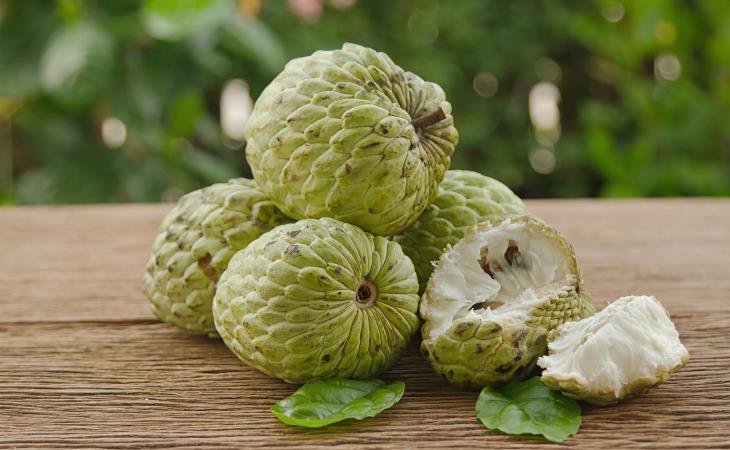
 Sugar apple

Sugar apples are a powerhouse of nutrients. Incorporating them into your diet can improve your health in countless ways while satisfying your sweet tooth naturally. Here are some other great health benefits of this amazing fruit. 

1. They Are a Nutritional Powerhouse 

Sugar apples are loaded with essential vitamins, important minerals, and fiber that are good for digestion, plus a ton of energy to keep you going. They contain minerals such as iron, manganese, and magnesium, and have a good amount of calcium, potassium, and phosphorus, too. When we talk about vitamins, sugar apples are a useful source of A, B1, B2, B3, B5, B6, and B9. They even have a bit more vitamin C than you'd find in grapefruit. Plus, they're full of beneficial phytochemicals and antioxidants.

2. Promotes Healthy Skin  

Sugar apples are packed with antioxidants that protect skin cells from damage caused by free radicals. These compounds can contribute to a smoother complexion, reduce visible signs of aging, and minimize the appearance of wrinkles. Additionally, the vitamin A in sugar apples aids collagen production, which enhances skin elasticity and strength. Including this fruit in your diet can leave your skin feeling firmer and more vibrant.

3. Strengthens the Immune System
 

Vitamin C, found in abundance in sugar apples, is key to a robust immune system. This nutrient supports white blood cells, helping your body fend off infections more effectively. Historically, sugar apples have been used in Yucatan to treat chills and fever and are even included in Amazonian cough remedies. Including sugar apples in your meals may provide your immune system with the boost it needs.

4. Supports Heart Health  

The potassium in sugar apples helps regulate sodium levels in the bloodstream, which can lower blood pressure and support cardiovascular health. Magnesium, another important mineral in this fruit, aids in relaxing the heart muscles and reducing tension. Together, these nutrients reduce the risk of heart attacks and promote a healthier circulatory system.

5. Contains Anti-Cancer Properties 

 Preliminary research suggests that sugar apples have compounds with anti-cancer potential. Certain chemicals in the fruit may slow the growth of tumor cells, lowering the risk of cancer development. In some regions of India, crushed sugar apples are mixed with salt and applied to tumors as part of traditional practices. 

How to Eat Sugar Apples
Eating sugar apples is simple and enjoyable. Once the fruit has ripened, break open its tough skin to reveal soft, segmented flesh. Remove the seeds as you enjoy the creamy texture and sweet flavor. For a chilled treat, refrigerate the fruit for a few hours before scooping out the flesh with a spoon. 

Other Serving Suggestions: 

Add the flesh to your breakfast cereal along with shredded coconut or nuts for added flavor. 

 Blend it with frozen yogurt for a naturally sweet dessert. 

Use it in milkshakes by blending the pulp with milk, or extracting the juice for a refreshing drink.

Tips for Selecting and Storing Sugar Apples
 

When choosing sugar apples, inspect the skin between the knobs for signs of ripeness. For green varieties, look for a slight yellowing between the ridges. Red sugar apples should have a hint of pink in these areas. Avoid fruits with visible bruises or scars.  

Once purchased, allow sugar apples to soften at room temperature. After ripening, store them in the fridge, where they’ll stay fresh for two to four days.


This is only for your information, kindly take the advice of your doctor for food, medicines, exercises and so on.   


Labels: , , , , , , , , , , , , , ,

Monday, September 15, 2025

This Underrated Fruit is Nature’s Answer to Pain Relief

In an exciting breakthrough, researchers from several Brazilian universities have uncovered the remarkable pain-relieving and anti-inflammatory properties of sugar apple tree leaves. Known as "fruta-do-conde" or "pinha" in Brazil, the sugar apple, or custard apple, has long been appreciated for its sweet fruit. Now, its leaves are taking center stage in the search for safer alternatives to conventional pain management options. 

A Natural Remedy 
Sugar apple 
Traditional medicine has often turned to plants for healing, and the sugar apple tree (Annona squamosa) is no exception. Its leaves have been used in folk remedies to treat pain and inflammation for centuries. However, this new research sheds scientific light on why the leaves may be so effective, in bringing ancient wisdom into modern medicine.

The study, published in Pharmaceuticals, was a collaborative effort by teams from the Federal University of Grande Dourados, Federal University of Mato Grosso do Sul, State University of Campinas (UNICAMP), and São Paulo State University. Their findings could mark the beginning of a new chapter in pain management. 
 
How Researchers Studied Sugar Apple Leaves
 
Sugar apple
Pain relief has traditionally depended on two main types of medication: opioids and nonsteroidal anti-inflammatory drugs (NSAIDs). While both are effective, they come with notable drawbacks. Opioids carry a high risk of addiction, while long-term NSAID use can lead to serious side effects like ulcers and heart problems. This has fueled the urgent need to explore safer, plant-based alternatives. 
 
The research team took a systematic approach. They created a methanolic extract (EMAS) from dried sugar apple leaves and isolated a compound called palmatine. These substances were then tested in a series of experiments to evaluate their pain-relieving and anti-inflammatory properties. The results were compelling. 
 
When tested against pleurisy, a condition involving lung lining inflammation, EMAS reduced inflammatory cell migration by up to 81%, while palmatine achieved a reduction of up to 75%. These findings highlight the potential of sugar apple leaves in managing inflammation effectively. 
 
Targeting Joint Pain and Inflammation
One of the study’s most intriguing aspects was its focus on joint inflammation. In experiments where mice were given zymosan to induce joint swelling, both EMAS and palmatine reduced pain sensitivity, swelling, and the accumulation of inflammatory cells. Remarkably, the effects of palmatine were comparable to those of prednisolone, a standard anti-inflammatory drug.

The formalin test, a widely used method to study pain responses, revealed another promising aspect. Palmatine specifically alleviated inflammatory pain, making it a potential candidate for treating chronic conditions such as arthritis. 
 
According to the researchers, palmatine may inhibit pathways associated with tumor necrosis factor, which plays a role in inflammation and pain. Marcos José Salvador, a professor at UNICAMP and a co-author of the study, noted that palmatine’s anti-hyperalgesic properties could contribute to the plant’s anti-arthritic potential. This adds another layer of understanding to why sugar apple leaves might be effective in pain management.

One of the biggest challenges with current medications like glucocorticoids is their potential to cause severe side effects over time, including adrenal insufficiency and insulin resistance. Encouragingly, neither EMAS nor palmatine showed toxic effects on white blood cells during laboratory tests. This suggests that sugar apple leaf extracts could offer a safer alternative for long-term use, though further studies are needed to confirm these findings. 
 
The Road Ahead 
 
While the results are promising, the researchers stress that it is too early to position sugar apple leaf extracts as a replacement for conventional drugs. More studies are necessary to explore their effects in different formulations and better understand their pharmacokinetics—how the body absorbs, distributes, metabolizes, and excretes these compounds.

Other Benefits if Sugar Apple
Sugar apples are a powerhouse of nutrients. Incorporating them into your diet can improve your health in countless ways while satisfying your sweet tooth naturally. Here are some other great health benefits of this amazing fruit. 
 
1. They Are a Nutritional Powerhouse 
Sugar apples are loaded with essential vitamins, important minerals, and fiber that are good for digestion, plus a ton of energy to keep you going. They contain minerals such as iron, manganese, and magnesium, and have a good amount of calcium, potassium, and phosphorus, too. When we talk about vitamins, sugar apples are a useful source of A, B1, B2, B3, B5, B6, and B9. They even have a bit more vitamin C than you'd find in grapefruit. Plus, they're full of beneficial phytochemicals and antioxidants.

2. Promotes Healthy Skin 
Sugar apples are packed with antioxidants that protect skin cells from damage caused by free radicals. These compounds can contribute to a smoother complexion, reduce visible signs of aging, and minimize the appearance of wrinkles. Additionally, the vitamin A in sugar apples aids collagen production, which enhances skin elasticity and strength. Including this fruit in your diet can leave your skin feeling firmer and more vibrant.

3. Strengthens the Immune System  
Vitamin C, found in abundance in sugar apples, is key to a robust immune system. This nutrient supports white blood cells, helping your body fend off infections more effectively. Historically, sugar apples have been used in Yucatan to treat chills and fever and are even included in Amazonian cough remedies. Including sugar apples in your meals may provide your immune system with the boost it needs. 
 
4. Supports Heart Health 
The potassium in sugar apples helps regulate sodium levels in the bloodstream, which can lower blood pressure and support cardiovascular health. Magnesium, another important mineral in this fruit, aids in relaxing the heart muscles and reducing tension. Together, these nutrients reduce the risk of heart attacks and promote a healthier circulatory system.

5. Contains Anti-Cancer Properties 
Preliminary research suggests that sugar apples have compounds with anti-cancer potential. Certain chemicals in the fruit may slow the growth of tumor cells, lowering the risk of cancer development. In some regions of India, crushed sugar apples are mixed with salt and applied to tumors as part of traditional practices. 

How to Eat Sugar Apples
Eating sugar apples is simple and enjoyable. Once the fruit has ripened, break open its tough skin to reveal soft, segmented flesh. Remove the seeds as you enjoy the creamy texture and sweet flavor. For a chilled treat, refrigerate the fruit for a few hours before scooping out the flesh with a spoon. 
 
Other Serving Suggestions: 
Add the flesh to your breakfast cereal along with shredded coconut or nuts for added flavor. 
 
Blend it with frozen yogurt for a naturally sweet dessert. 
 
Use it in milkshakes by blending the pulp with milk, or extracting the juice for a refreshing drink.

Tips for Selecting and Storing Sugar Apples 
When choosing sugar apples, inspect the skin between the knobs for signs of ripeness. For green varieties, look for a slight yellowing between the ridges. Red sugar apples should have a hint of pink in these areas. Avoid fruits with visible bruises or scars. 
 
Once purchased, allow sugar apples to soften at room temperature. After ripening, store them in the fridge, where they’ll stay fresh for two to four days.


This is only for your information, kindly take the advice of your doctor for medicines, exercises and so on.   

https://gscrochetdesigns.blogspot.com. one can see my crochet creations  
https://gseasyrecipes.blogspot.com. feel free to view for easy, simple and healthy recipes    
https://kneereplacement-stickclub.blogspot.com. for info on knee replacement
https://GSiyers home remedies.blogspot.com   is the latest addition to my blogs


Labels: , , , , , , , , , , , , , ,

Tuesday, August 05, 2025

Good Sources of Vitamin B

It is important to have a sufficient intake of B complex vitamins each day. If fresh food sources are not adequate, fortified foods and supplements can be suitable dietary additions. The different B vitamins have different food sources.

Vitamin B1- thiamin

The recommended daily allowance (RDA) of vitamin B1 (thiamin) is 1.2 mg for men and 1.1 mg for women. Rich sources of thiamin include meat, nuts, and legumes. Beans offer between 0.18 and 0.32 mg of thiamin per serving. Nuts and seeds are also high in thiamin, with the most popular nuts providing between 0.12 and 0.26 mg of per serving and sunflower seeds providing 0.54 mg per serving.. Fruits and vegetables are often high in thiamin. In addition, many grain and cereal products are enriched with thiamin.

Image Copyright: InterVecto / Shutterstock 

Vitamin B2- riboflavin

Vitamin B2 (riboflavin) is involved in the conversion of ingested food into energy. The RDA for riboflavin is 1.3 mg for men aged 19 to 50 years old, and 1.1 mg for women aged 19 to 50 years old.  It is present in many foods, but particularly plentiful in eggs, organ meats, lean meats, and milk. Riboflavin can also be found in green vegetables and fortified grains and cereals. Beef liver has 2.9 mg of riboflavin per serving, an egg has 0.2 mg and a cup of spinach has 0.1 mg of riboflavin.

 Image Copyright: InterVecto / Shutterstock 


Vitamin B3- niacin

Vitamin B3 (niacin) is not stored in the body, so it is important to consume foods rich in niacin each day. Niacin supports the digestive system, skin, and nervous function. The RDA of niacin is 16 mg per day for males over the age of 14 years, and 14 mg per day for non-pregnant, non-lactating females over 14 years. Foods high in niacin include mushrooms, dairy products, meat and fish.

 Image Copyright: InterVecto / Shutterstock 


Vitamin B5- pantothenic acid

The adequate intake of Vitamin B5 (pantothenic acid) is 5 mg per day for people over 14 years of age. It is essential for many metabolic functions. It is found in a broad range of foods, including meats, potatoes, oats, tomatoes, organ meats, egg yolk, avocado, broccoli, mushrooms and whole grains. Food processing reduces the quantity of vitamin B5 in foods.

Image Copyright: InterVecto / Shutterstock 

 Vitamin B6 - pyridoxine

Vitamin B6 (pyridoxine) is required for using energy stored in the liver and muscles and is necessary for haemoglobin synthesis. The RDA of pyridoxine is 1.3 mg per day for adults between 19 and 50 years of age. The best sources of vitamin B6 are meats and fish. Pyridoxine is present in a variety of foods. For example, potatoes have 0.37 - 0.6 mg of pyridoxine. Bananas have 0.43 mg. Beef liver has 0.76 to 0.78 mg of pyridoxine per serving. Dairy foods contain very little pyridoxine.

Image Copyright: InterVecto / Shutterstock 

Vitamin B7- Biotin

Vitamin B7 (biotin) is an important cofactor required for cellular metabolism. In combination with pantothenic acid, it is necessary for making fatty acids. Biotin is found in meats, eggs, dairy products, nuts, and legumes. Adequate intake for adults is 30 mcg per day.

 Image Copyright: InterVecto / Shutterstock 

Vitamin B9- folate

The RDA for vitamin B9 (folate) is 400 mcg per day for adults. Folate is water-soluble and cannot be stored in the body therefore, a daily intake of folate is important. Folate is found in a wide variety of meats, vegetables, legumes, and fruit. Organ meats such as chicken or beef liver are particularly rich in folate - chicken liver has 420 to 518 mcg of folate per serving. Yeast extract spreads like vegemite and marmite are also rich in folate, at 371 mcg per serving. Legumes can be very good sources of folate - a ¾ cup serving of beans has 271 mcg of folate per serving. Vegetables, particularly leafy greens, can provide a good amount of folate - spinach has 121 to 139 mcg per serving, and turnip or collard greens have 68 to 93 mcg.

 Image Copyright: InterVecto / Shutterstock 


Vitamin B12- cobalamine

B12 (cobalamine) is required to synthesize DNA and for healthy blood cells and nerve function. It is only available in animal-based foods and fortified foods - this means that strict vegetarians must be particularly diligent with regards to their vitamin B12 intake. The RDA for vitamin B12 is 2.4 mcg per day for adults. A serving of ground beef delivers 2.4 to 2.7 mcg of cobalamine per day, meeting the average adult’s daily requirement. Milk has 1.2 to 1.4 mcg per serving and 2 large eggs have 1.5 to 1.6 mcg of vitamin B12. Some food sources have much larger quantities of vitamin B12 - beef or lamb liver has 52.9 to 64.3 mcg of B12 per serving and clams offer an impressive 74.2 grams per 2.5 ounce serving. For vegetarians, many meat and dairy alternatives, such as soy beverages, are fortified with vitamin B12.


This is only for your information, kindly take the advice of your doctor for medicines, exercises and so on.   


Labels: , , , , , , , ,