Tuesday, August 05, 2025

Good Sources of Vitamin B

It is important to have a sufficient intake of B complex vitamins each day. If fresh food sources are not adequate, fortified foods and supplements can be suitable dietary additions. The different B vitamins have different food sources.

Vitamin B1- thiamin

The recommended daily allowance (RDA) of vitamin B1 (thiamin) is 1.2 mg for men and 1.1 mg for women. Rich sources of thiamin include meat, nuts, and legumes. Beans offer between 0.18 and 0.32 mg of thiamin per serving. Nuts and seeds are also high in thiamin, with the most popular nuts providing between 0.12 and 0.26 mg of per serving and sunflower seeds providing 0.54 mg per serving.. Fruits and vegetables are often high in thiamin. In addition, many grain and cereal products are enriched with thiamin.
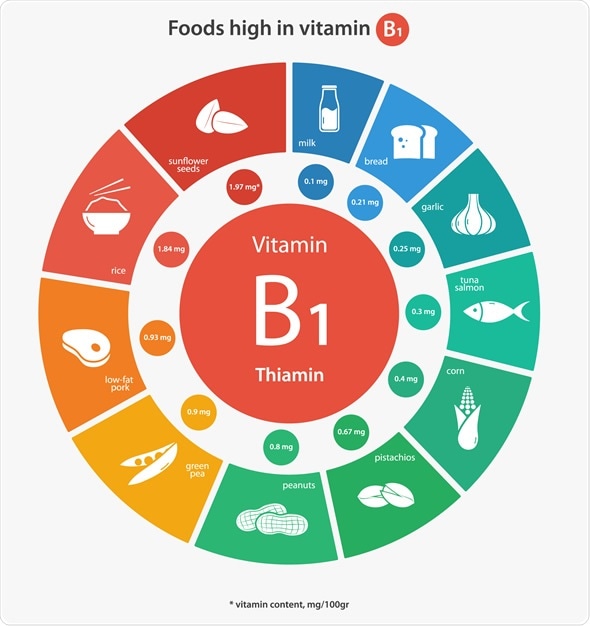
Image Copyright: InterVecto / Shutterstock 

Vitamin B2- riboflavin

Vitamin B2 (riboflavin) is involved in the conversion of ingested food into energy. The RDA for riboflavin is 1.3 mg for men aged 19 to 50 years old, and 1.1 mg for women aged 19 to 50 years old.  It is present in many foods, but particularly plentiful in eggs, organ meats, lean meats, and milk. Riboflavin can also be found in green vegetables and fortified grains and cereals. Beef liver has 2.9 mg of riboflavin per serving, an egg has 0.2 mg and a cup of spinach has 0.1 mg of riboflavin.
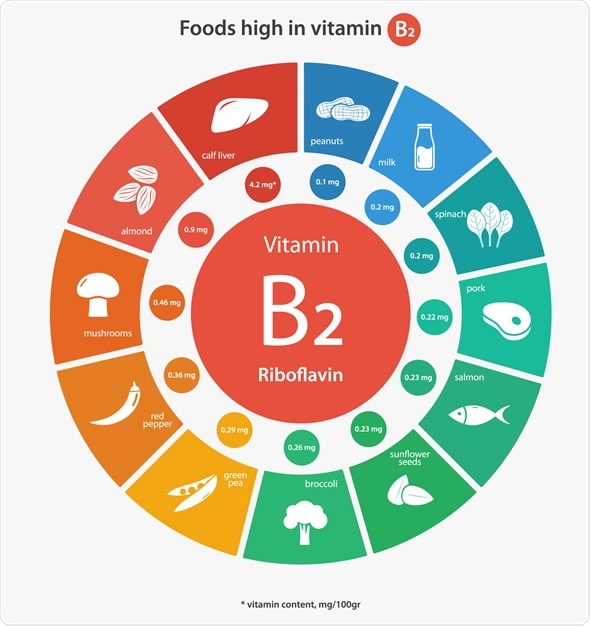
 Image Copyright: InterVecto / Shutterstock 


Vitamin B3- niacin

Vitamin B3 (niacin) is not stored in the body, so it is important to consume foods rich in niacin each day. Niacin supports the digestive system, skin, and nervous function. The RDA of niacin is 16 mg per day for males over the age of 14 years, and 14 mg per day for non-pregnant, non-lactating females over 14 years. Foods high in niacin include mushrooms, dairy products, meat and fish.
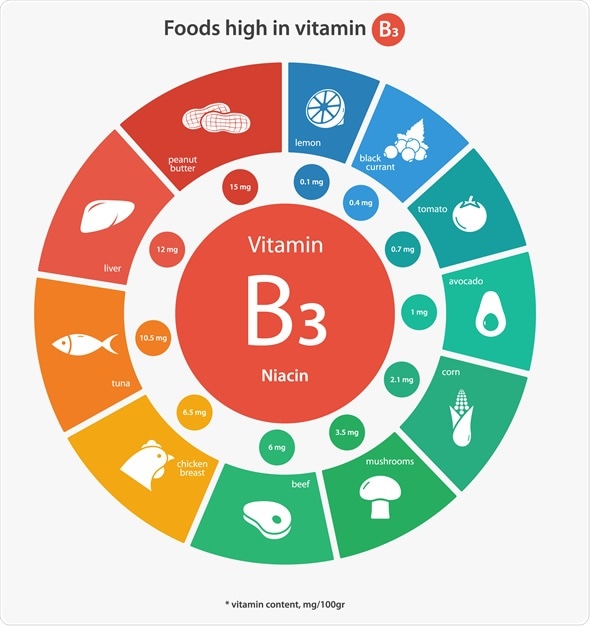
 Image Copyright: InterVecto / Shutterstock 


Vitamin B5- pantothenic acid

The adequate intake of Vitamin B5 (pantothenic acid) is 5 mg per day for people over 14 years of age. It is essential for many metabolic functions. It is found in a broad range of foods, including meats, potatoes, oats, tomatoes, organ meats, egg yolk, avocado, broccoli, mushrooms and whole grains. Food processing reduces the quantity of vitamin B5 in foods.
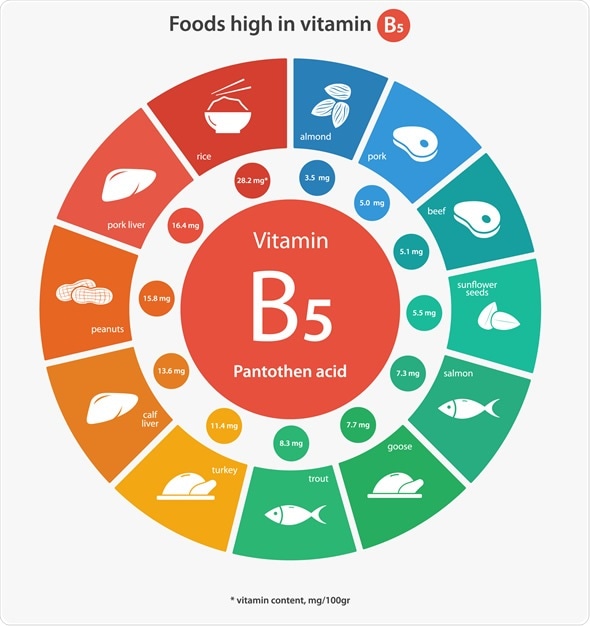
Image Copyright: InterVecto / Shutterstock 

 Vitamin B6 - pyridoxine

Vitamin B6 (pyridoxine) is required for using energy stored in the liver and muscles and is necessary for haemoglobin synthesis. The RDA of pyridoxine is 1.3 mg per day for adults between 19 and 50 years of age. The best sources of vitamin B6 are meats and fish. Pyridoxine is present in a variety of foods. For example, potatoes have 0.37 - 0.6 mg of pyridoxine. Bananas have 0.43 mg. Beef liver has 0.76 to 0.78 mg of pyridoxine per serving. Dairy foods contain very little pyridoxine.
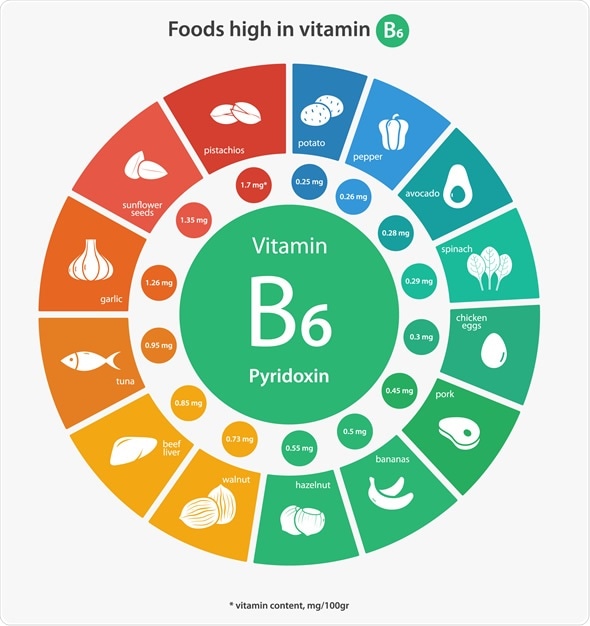
Image Copyright: InterVecto / Shutterstock 

Vitamin B7- Biotin

Vitamin B7 (biotin) is an important cofactor required for cellular metabolism. In combination with pantothenic acid, it is necessary for making fatty acids. Biotin is found in meats, eggs, dairy products, nuts, and legumes. Adequate intake for adults is 30 mcg per day.
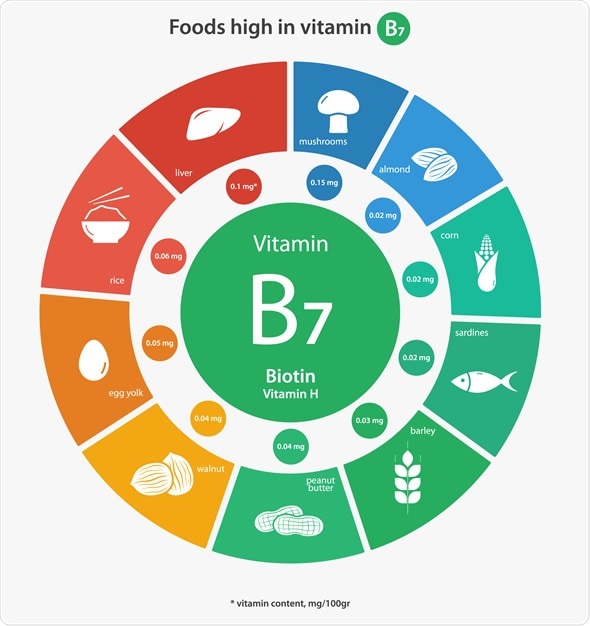
 Image Copyright: InterVecto / Shutterstock 

Vitamin B9- folate

The RDA for vitamin B9 (folate) is 400 mcg per day for adults. Folate is water-soluble and cannot be stored in the body therefore, a daily intake of folate is important. Folate is found in a wide variety of meats, vegetables, legumes, and fruit. Organ meats such as chicken or beef liver are particularly rich in folate - chicken liver has 420 to 518 mcg of folate per serving. Yeast extract spreads like vegemite and marmite are also rich in folate, at 371 mcg per serving. Legumes can be very good sources of folate - a ¾ cup serving of beans has 271 mcg of folate per serving. Vegetables, particularly leafy greens, can provide a good amount of folate - spinach has 121 to 139 mcg per serving, and turnip or collard greens have 68 to 93 mcg.
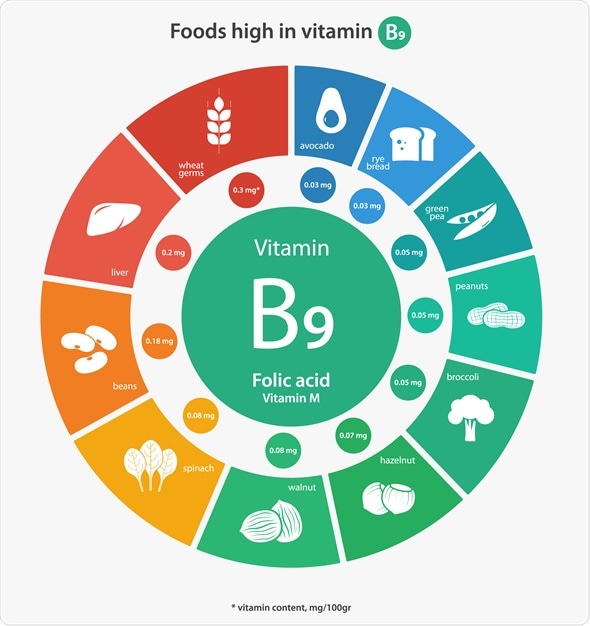
 Image Copyright: InterVecto / Shutterstock 


Vitamin B12- cobalamine

B12 (cobalamine) is required to synthesize DNA and for healthy blood cells and nerve function. It is only available in animal-based foods and fortified foods - this means that strict vegetarians must be particularly diligent with regards to their vitamin B12 intake. The RDA for vitamin B12 is 2.4 mcg per day for adults. A serving of ground beef delivers 2.4 to 2.7 mcg of cobalamine per day, meeting the average adult’s daily requirement. Milk has 1.2 to 1.4 mcg per serving and 2 large eggs have 1.5 to 1.6 mcg of vitamin B12. Some food sources have much larger quantities of vitamin B12 - beef or lamb liver has 52.9 to 64.3 mcg of B12 per serving and clams offer an impressive 74.2 grams per 2.5 ounce serving. For vegetarians, many meat and dairy alternatives, such as soy beverages, are fortified with vitamin B12.


This is only for your information, kindly take the advice of your doctor for medicines, exercises and so on.   


Labels: , , , , , , , ,

Saturday, November 16, 2019

These Nutrients Will Boost Your Brain Health

The brain is the most high-powered organ that we have and it requires the right amount and type of fuel to work properly. When we don’t give it the right fuel, it slows us down, decreases our focus, and makes us unhappy and demotivated.
If you want to maximize your brainpower to help increase your focus, think more clearly, and live a much happier and potentially longer life, then pay close attention as we’re about to give you the top nutrients that you need to maximize your brainpower and what foods to include in your diet in order to get them.
 
1. Omega-3
Enhance Your Mental Strength
Your brain is 60% fat, so if you want a healthy and optimally performing brain, you need to ensure that you’re giving your brain the right building blocks and fat is one of the most important. Fat has been vilified for decades, but in reality, high-quality fat is not only good for you, it’s essential for your brainpower and health.
Omega-3 is one of the most important fats to give your brain. In fact, not getting enough omega-3 in your diet can affect normal brain development and cognition. It has also been shown to be implicated in premature brain aging and cognitive decline.

2. Magnesium
Magnesium is essential for brain activity and has been known to calm the brain and the nervous system to the point that it has been called “Nature’s Natural Valium.” Magnesium is essential for hundreds of metabolic processes within the body and brain, yet it’s the second most common nutritional deficiency in the world.
Magnesium helps the brain by:
• Decreasing stress hormones
• Providing anti-inflammatory benefits
• Increasing neuroplasticity
• Helping to lift depression
• Reducing anxiety
• Relaxing the nervous system

Best sources: Spinach, almonds, avocado, black beans, and cashews.
3. Vitamin B1: Thiamine
Enhance Your Mental Strength
Many B vitamins are known to be beneficial for brain health and well-being. B1, also known as thiamine, is needed for a large number of metabolic processes in the body including the processes that manage your energy levels. Your brain uses a lot of energy throughout the day, so having low levels of thiamine can rob your brain of the vital energy that it requires.
Thiamine can help to boost your mood, energy, and alertness by providing the energy that your brain cells need to work effectively.
Low levels of thiamine have been associated with:
• Nerve inflammation
• Nerve damage
• Fatigue
• Confusion
• Irritability
• Loss of short-term memory

Best sources: Sunflower seeds, lentils, black beans, macadamia nuts, and seaweed.

4. Vitamin B6
Vitamin B6 helps to improve your mood, but it’s also needed to combat mental fatigue. B6 is a critical component when it comes to building the neurotransmitters serotonin and norepinephrine.
Serotonin helps to improve your mood while norepinephrine helps your brain to stay focused and alert.
Symptoms of B6 deficiency include:
• Loss of focus and concentration
• Fatigue
• Irritability
• Memory trouble
• 
Muscle pains

Best sources: Tuna, turkey breast, avocado, pistachios, and grass-fed beef.
5. Vitamin B9
Enhance Your Mental Strength
Vitamin B9, also known as folate, is especially important for normal brain development. It’s an important component in creating many neurotransmitters that the brain uses to communicate and regulate our immune system. Folate is also an antioxidant and studies have shown that it helps to preserve brain function and memory.
Low levels of folate can be very detrimental to the brain. A deficiency in folate has been shown to lead to increased degeneration in the cerebral cortex as well as cognitive impairment and decline.
Symptoms of low levels of folate include:
• Chronic fatigue
• A lowered immune system
• Increased irritability
• Anxiety
• Brain fog 

Best sources: Broccoli, beef liver, spinach, romaine lettuce, and asparagus.

6. Vitamin B12
Vitamin B12 is essential for many aspects of our health and well-being. This includes building strong bones, skin, hair, nails, immune system, and heart health. B12 is also extremely important for your brain and mental well-being.
It’s essential for many aspects of mental performance including being able to memorize and stay focused. It also plays an important role in producing serotonin and dopamine (a motivation and reward neurotransmitter).
Having low levels of B12 can have some serious side effects such as:
• Memory loss
• Brain fog
• Anxiety
• Depression
• Confusion
• Hallucinations

Best sources: Wild salmon, eggs, sardines, beef liver, and nutritional yeast.
7. Vitamin C
Enhance Your Mental Strength
Your brain consumes a lot of energy and oxygen when it’s doing its job and antioxidant such as vitamin C help to protect the brain from any wear and tear. Vitamin C is also needed to produce important neurotransmitters such as serotonin, dopamine, and norepinephrine. These neurotransmitters are important regulators of your mood, so without adequate vitamin C to produce them, your mood may suffer.
Best sources: Citrus fruits, broccoli, bell peppers, spinach, and watermelon.

8. Vitamin D
Vitamin D, known as the sunshine vitamin, is arguably one of the most important vitamins that many of us miss out on. It’s usually associated with bone and heart health, but it has been shown that it also plays a critical role in your brain performance. Several studies have proven that low levels of vitamin D can impair cognitive function and performance.
Fewer people are getting out in the sun leading to more cases of vitamin D deficiency than ever before. The best part about vitamin D is that you can get it for free. Just a couple of minutes of natural sunlight each day can make a huge difference to your vitamin D levels.
Best sources: Natural sunlight or buy a vitamin D supplement.
9. Vitamin E
Enhance Your Mental Strength
This is a very powerful antioxidant. Oxidative stress is a metabolic process that causes wear and tear to our cells. Antioxidants help to fight against this wear and tear to keep our cells youthful and working their best.
Vitamin E is an often overlooked vitamin for brain health. It prevents oxidative stress from damaging important components of our brain cells. DHA forms the outer membrane of our brain cells and vitamin E works to prevent oxidative stress from damaging it, ensuring that our brain cells stay healthy and productive.
Symptoms of a vitamin E deficiency include:
• Cognitive impairment
• Balance issues
• Muscle weakness
• Diarrhea

Best sources: Kale, Swiss chard, almonds, olives, and parsley.

10. Zinc
Zinc is very important for neuron growth and performance. The highest concentration of zinc in our body is located in our brain, particularly in the hippocampus, the area of the brain involved in regulating your limbic system, the region that regulates emotions. Neurons need zinc in order to communicate effectively with one another.
Low levels of zinc are associated with:
• A lowered immune system
• Attention and focusing issues
• Diarrhea
• Acne
• Rashes

Best sources: Grass-fed beef, spinach, mushrooms, cashews, and pumpkin seeds.

this is only for your information, kindly take the advice of your doctor for medicines, exercises and so on.     
https://gscrochetdesigns.blogspot.com. one can see my crochet creations  
https://gseasyrecipes.blogspot.com. feel free to view for easy, simple and healthy recipes    
https://kneereplacement-stickclub.blogspot.com. for info on knee replacement


Labels: , , , , , , , , , , , , , ,

Sunday, January 28, 2018

10 Mood-Boosting Nutrients

A diet that is lacking in key vitamins and nutrients could be to blame for bouts of bad moods. Below are some of the most important supplements for those dealing with the symptoms of anxiety, depression, stress, or other mood-sabotaging conditions:
 
1. Vitamin D
Depending on where you live in the world, vitamin D can be hard to come by. Three-quarters of many teens and adults living above the tropics, are deficient in this vitamin, most likely because their exposure to sunlight is limited – and the body can only make vitamin D when it is exposed to sunlight.
This nutrient is extremely important and plays a role in most bodily functions. Our brains contain a large number of vitamin D receptors, indicating that it plays a role in cognitive function. It’s recommended that everyone gets 20 minutes of sun exposure each day or 2,000 IU daily of vitamin D supplements.
Vitamin D can also be found in fatty fish, cheese, eggs, mushrooms, cereals, and soy milk.
2. Omega 3 fatty acids
Research supports the theory that omega-3 fatty acids play an important role in brain health, specifically when it comes down to improving symptoms of depression and cognitive functioning. One of the best ways to get more omega-3s in your diet is to eat fatty fish such as salmon, mackerel, and herring. If eating fish isn’t your thing, you can supplement with fish oil. You can also get omega-3s from nuts and seeds such as flax seeds, chia seed, walnuts, and almonds.
It’s recommended that we get at least 1,800 - 2,000 mg of two key kinds of omega 3s: DHA and EPA. If you’re taking omega-3 supplements, they should have at least 650 mg of DHA and 1200 mg of EPA.
3. Vitamin B6
This vitamin plays an important role in a wide array of bodily functions, both psychological and physical. It’s especially important for proper nerve functioning, which is one of the reasons that it’s often associated with neuropsychiatric disorders, including depression.
The birth control pill depletes B vitamins, especially B6, so supplementation is recommended for those who are on the pill. If you’re not on the pill, it’s recommended that you get around 25 mg of vitamin B6 each day. Seafood, lean meats, eggs, poultry, legumes, and soy products are great sources of this vitamin.
4. Vitamin B3
This vitamin is involved in the production of serotonin, a neurotransmitter that allows brain cells and other nervous system cells to communicate. Having too little serotonin has been linked to depression.
In other words, a deficiency in B3 can impair levels of serotonin and have a negative impact on your mood. Therefore, if you’re feeling depressed, it’s recommended to get a daily B3 dose of 20 mg, although you might need a higher dose if your depression is severe. This vitamin can be found in mushrooms, peanuts, poultry, fish, peas, potatoes, pasta, milk, and cheese.

5. Magnesium
Magnesium helps with muscle tension, relaxation, constipation, and also plays a key role in the production of brain hormones. Still, nearly half of American adults consume less than the required amount of magnesium.
Foods that are rich in magnesium include dried beans, nuts, dark leafy greens, and whole grains. However, you can also take a supplement of 320-450 mg each day.
6. Vitamin C
A lot of research has been done over the years that have found a link between vitamin C and mood, as well as cognitive functioning, especially in the elderly. These studies have shown a significant reduction in anxiety and depression when sufficient levels of vitamin C were taken, either in through diet or supplements. 
Since it’s a water-soluble vitamin and not stored by the body, it must be taken regularly to ensure that healthy levels are maintained. It’s recommended that we get a minimum of 100 mg per day and no more than 2,000 mg per day, since it can cause diarrhea.
Foods that are high in vitamin C include oranges, strawberries, Brussels sprouts, bell peppers, kiwis, broccoli, tomatoes, and parsley.
7. Vitamin B12
This vitamin helps to boost mood, energy, and depression, which is why many people with mood disorders such as depression are often deficient in it.
An estimated 15% of American adults are vitamin B12 deficient. To keep your vitamin B12 levels adequate enough, add sardines, beef liver, lamb, eggs, mackerel, feta cheese, and cottage cheese to your diet. If you’re a vegetarian or a vegan, you can get it in supplement form.
8. Folate
This vital nutrient, which goes by the name of folic acid or vitamin B9, helps the body to create new cells. This is why it’s extremely important for pregnant women to get their fair share of it. In fact, pregnant women experiencing a vitamin B9 deficiency are at risk of having a baby with neural tube defects such as anencephaly and spina bifida. Additionally, a deficiency in this nutrient can cause depression.
With your doctor’s permission, aim for around 400 mcg per day of folic acid. It can be found in leafy green vegetables, breads, citrus fruits, beans, rice, pastas, and cereal.
9. Iron
The biggest signs of iron deficiency are low energy, mood changes, and chronic fatigue. If these symptoms sound familiar to you, you might be one of the almost 10% of women or 2% of men who suffer from a deficiency.
The recommended daily amount of iron is 18mg for women of childbearing years and 25 mg for pregnant women. However, if iron supplements aren’t your thing, you can get this nutrient from animal protein, lentils, liver, spinach, soy foods, milk, and cereal.
10. Chromium
Humans require a very small amount of this metallic element, though anywhere from 25-50% of American adults are mildly deficient in it. Chromium helps to balance our blood sugar levels which, in turn, stabilizes our mood.
If you’re consuming chromium in a supplement it’s recommended that you get 200 mcg per day. However, it can also be found in animal proteins and potatoes.

THIS IS ONLY FOR INFORMATION, ALWAYS CONSULT YOU PHYSICIAN BEFORE HAVING ANY PARTICULAR FOOD/ MEDICATION/EXERCISE/OTHER REMEDIES.    
PS- THOSE INTERESTED IN RECIPES ARE FREE TO VIEW MY BLOG-                      
HTTP:GSEASYRECIPES.BLOGSPOT.COM/
FOR INFO ABOUT KNEE REPLACEMENT, YOU CAN VIEW MY BLOG-                                                        
HTTP://KNEE REPLACEMENT-STICK CLUB.BLOGSPOT.COM/
FOR CROCHET DESIGNS

HTTP://MY CROCHET CREATIONS.BLOGSPOT.COM

Labels: , , , , , , , , , , , , , , , , , ,

Friday, December 09, 2016

Extremely Healthy Common Herbs & Spices

Chives
 Low in calories (100 grams of it contain only 30 calories), chives are rich in dietary fiber, with 100 grams containing 7% of your daily intake. Chives are also rich in antioxidants, such as allicin, which is shown to reduce cholesterol production and has anti-fungal, anti-bacterial and anti-viral properties. Allicin also helps reduce blood pressure and helps prevent strokes, coronary artery disease, and peripheral vascular diseases.

Chives also contain vitamin A and antioxidants, such as carotenes, zea-xanthin, and lutein, which together offer the human body protection from lung and oral cancer. Furthermore, chives are one of the best sources for vitamin K in nature, which helps limit neuronal damage in the brain and is essential for the treatment of Alzheimer’s.

Packed with minerals such as copper, iron, manganese, zinc and calcium, these leafy greens contain several vital vitamins such as B-6, B-5, B-3, B-2, and B-1 in healthy proportions.

Cilantro
 
Cilantro contains many antioxidants, essential oils, vitamins and dietary fibers that help reduce bad cholesterol (LDL) and raise good cholesterol (HDL). The leaves and seeds contain oils such as borneol, linalool, cineole, cymene, terpineol, dipentene, phellandrene, pinene, and terpinolene, and the stems are rich in polyphenolic flavonoids (such as quercetin, kaempferol, rhamnetin, and epigenin).

Cilantro is a good source of minerals like potassium, calcium, manganese, iron and magnesium, which help control heart rate and blood pressure. It is also rich in many vitamins like folic acid, B-2, B-3, vitamin A, beta-carotene and vitamin C (all are essential to your health). Some 100 grams of cilantro leaves provide you with 30% of the daily recommended levels of vitamin C (a powerful antioxidant).

Vitamin A is required for maintaining skin and mucous membrane health. It is also essential for vision, and like chives, cilantro is also rich in vitamin K.

Basil

Basil contains oils such as eugenol, citronellol, linalool, citral, limonene and terpineol, which have anti-inflammatory and anti-bacterial properties. Basil is very rich in beta-carotene, vitamin A, cryptoxanthin, lutein and zea-xanthin. These help protect against free radicals (that play a role in aging and various disease processes). Zea-xanthin was found to filter harmful UV rays and protect your eyes' retinas.

Basil contains a good amount of minerals like potassium, manganese, copper, and magnesium. All help to control heart rate and blood pressure. Basil leaves are an excellent source of iron - a component of hemoglobin inside your red blood cells.

Dill
Dill sprigs and seeds contain many essential oils (d-carvone, dillapiol, DHC, eugenol, limonene, terpinene and myristicin) and have been used as a local anesthetic and anti-septic. Dill was also found to reduce blood sugar levels in people with diabetes. Oil extracted from the seeds has anti-spasmodic, carminative, digestive, disinfectant and sedative properties, and is rich in B-9, B-2, B-3, vitamin A, beta-carotene and vitamin C.

Dill is a great source of minerals such as copper, potassium, calcium, manganese, iron, and magnesium. Copper is essential for many of the body's vital enzymes (like cytochrome c-oxidase and superoxide dismutase).

Zinc is an essential component in many enzymes that regulate the body's growth and development, sperm production, digestion and nucleic acid synthesis. Potassium is important for cell and body fluids that assist with controlling heart rate and blood pressure. Manganese is essential for the antioxidant enzyme, superoxide dismutase.

 
Thyme
Thyme has disease-preventing and health-promoting properties. It contains thymol, an essential oil, which has been found to have antiseptic and anti-fungal characteristics. Thyme contains flavonoid phenolic antioxidants, like zea-xanthin, lutein, pigenin, naringenin, luteolin, and thymonin.

Thyme leaves are one of the best sources of potassium, iron, calcium, manganese, magnesium, and selenium, and are a rich source of many important vitamins such as B-complex vitamins, beta-carotene, vitamin A, vitamin K, vitamin E, vitamin C and B-9.

Thyme provides about 27% of our recommended daily intake of vitamin-B-6 - a beneficial neurotransmitter for the brain, that helps with reducing stress. Fresh thyme is one of the richest in antioxidant among all herbs.

Turmeric
Turmeric has been in use since ancient times. Known for its anti-inflammatory, carminative and anti-microbial properties, it also contains essential oils such as termerone, curlone, curumene, cineole, and p-cymene. ​
Curcumin is the pigment that gives turmeric its orange color. Studies suggest that curcumin may have anti-tumor, anti-oxidant, anti-arthritic, anti-amyloid, anti-ischemic, and anti-inflammatory properties. Turmeric is rich in antioxidants and dietary fiber, which help control bad cholesterol levels.

Turmeric is a rich source of many vitamins such as B-6, choline, B-3, B-2 and more. B-6 is used in the treatment of CBS deficiency, anemia and even radiation sickness. B-3 helps prevent dermatitis, and B-2 helps the body convert carbohydrates into sugar, which in turn gives us energy.

Fresh turmeric root contains high levels of vitamin C, which helps the body develop immunity against infections and remove harmful free radicals. Turmeric also contains healthy amounts of minerals like calcium, iron, potassium, manganese, copper, zinc and magnesium.

Rosemary
Rosemary leaves contain certain phytochemicals that are known to have disease-preventing and health-promoting properties. The herb parts, (especially the flower tops) contain phenolic antioxidant rosmarinic acid, as well as numerous oils that are beneficial to human health, such as cineol, camphene, borneol, bornyl acetate, alpha-pinene, and more. These compounds are known to reduce irritations and inflammations, as well as for having anti-fungal, antihistaminic and antiseptic properties

Rosemary contains very good amounts of vitamin A, and is exceptionally rich in many B-complex groups of vitamins, such as B-9, B-5, B-6, and B-2. It also contains high levels of folates, which are important for DNA synthesis.

Fresh rosemary leaves are a good source of vitamin C, which is required for collagen synthesis in the body (collagen is required for maintaining the integrity of blood vessels, skin, organs, and bones). Regular consumption of foods rich in vitamin C protects the body from scurvy, boosts its immunity and helps clear it of free radicals.

Fresh or dried, rosemary is a rich source of minerals like potassium, calcium, iron, manganese, copper, and magnesium, and it is an excellent source of iron (a component of hemoglobin inside red blood cells, which determines the oxygen-carrying capacity of the blood).

Parsley
Parsley contains essential oils like myristicin, limonene, eugenol, and alpha-thujene, as well as flavonoids, including apiin, apigenin, crisoeriol, and luteolin. Many of these (particularly myristicin) have been shown to inhibit the formation of tumors in the lungs. ​
Myristicin also activates the enzyme glutathione-S-transferase, which helps attach the molecule glutathione to oxidized molecules that can be very harmful to the body. The oils in parsley qualify it as a "chemoprotective" food, meaning it can help neutralize particular types of carcinogens.

The flavonoids in parsley (especially luteolin) function as antioxidants, halting the damage that free radicals cause to the body. Additionally, extracts from parsley will help increase antioxidant capacity in the blood.

Parsley is an excellent source of vitamin A and vitamin C, and is helpful with preventing recurrent ear infections and colds.

Beta-carotene (another important antioxidant in parsley), is known to reduce risk of the development and progression of certain conditions, such as diabetes, atherosclerosis and colon cancer. It may also help with reducing asthma attacks and some forms of arthritis.


 this is only for your information, kindly take the advice of your doctor for medicines, exercises and so on.

https://gscrochetdesigns.blogspot.com. one can see my crochet creations
https://gseasyrecipes.blogspot.com. feel free to view for easy, simple and healthy recipes 
https://kneereplacement-stickclub.blogspot.com. for info on knee replacement

Labels: , , , , , , , , , , , , , , , , , , ,