Sunday, March 14, 2021

13 Delicious Detox Juice Recipes

What better way is there to detoxify your body than by downing a freshly-made juice? The juice recipes you'll find below take less than ten minutes to prepare, and will make enough juice for two whole glasses. The best part is that these juices couldn't be any simpler to make, since all you need to do is throw all of the ingredients into a juicer, and serve the drinks after they've been chilled. 
 
The best time for you to enjoy these juices is first thing in the morning on an empty stomach, since this is when your body is most efficient at absorbing minerals. If you need to store your juice for later, we'd recommend using a dark airtight container, since contact with oxygen may reduce the juice's nutritional value. 
 
Here are 13 fantastic detox juice recipes:
Beet-It-Up  
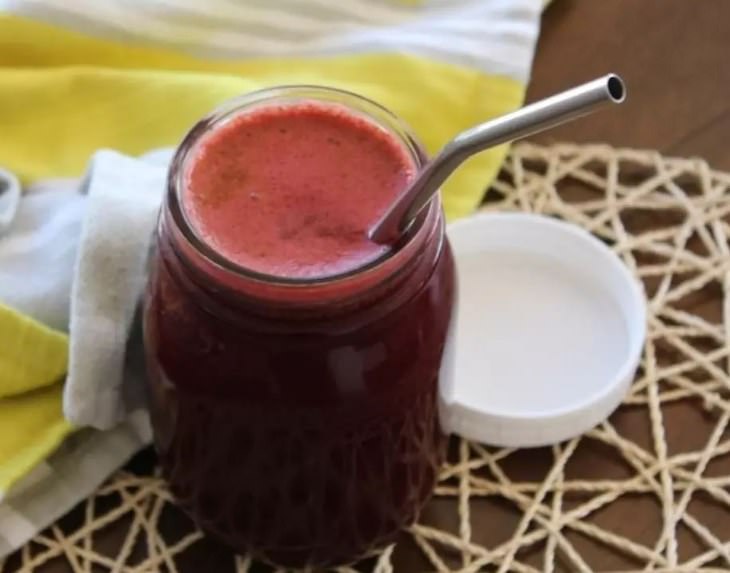
• 3 beets 
• 3 carrots 
• 1.5cm fresh ginger 
• 3 stalks celery 
 
Pear & Kale 
• 1 pear 
• 1 cup spinach 
• 2 stalks kale 
• ½ lime 
• 3 stalks celery 
• ½ cucumber

Ginger Zinger  
• 2 stalks celery 
• 1 green apple 
• 2 cups spinach 
• ½ cucumber 
• 1.5cm ginger 
• ½ cup parsley 
• ½ lemon 
 
Tropical Mint 
• 3 cups mint leaves 
• 1 cup pineapple 
• 2 stalks celery 
• ½ cucumber 
• 2 cups spinach 
• ½ lemon 
 
Carrot King
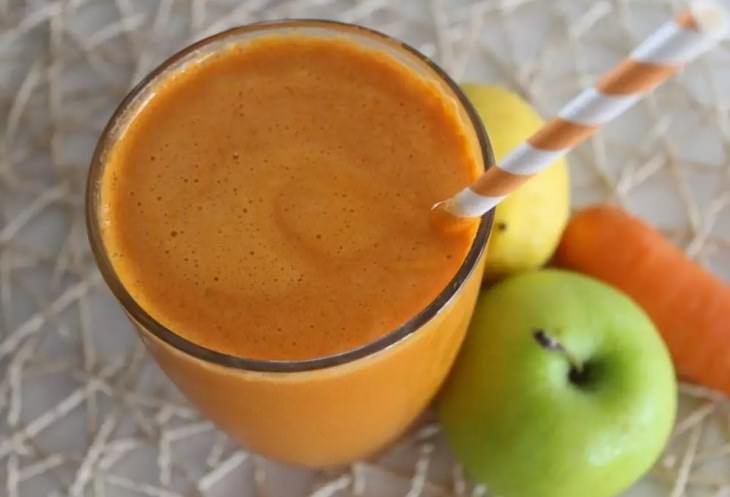
4 carrots 
• 1 green apple 
• ½ lemon 
• 1cm fresh ginger 
 
Sweet Beets 
• 1 beet 
• 3 stalks celery 
• 2 carrots 
• 1cm ginger 
• 1 green apple 
• ½ lemon 
 
Alkaline Kick 
• 1 cup Romaine lettuce 
• ½ cucumber 
• 2 stalks celery 
• 1 green apple 
• 1 cup broccoli 
• ½ lime 
 
 Green Treat 
• 1 kiwi fruit
• ½ lemon 
• 2 stalks celery 
• ½ cucumber 
 • ½ cup parsley 
 • ½ cup sprouts

Electric Green  
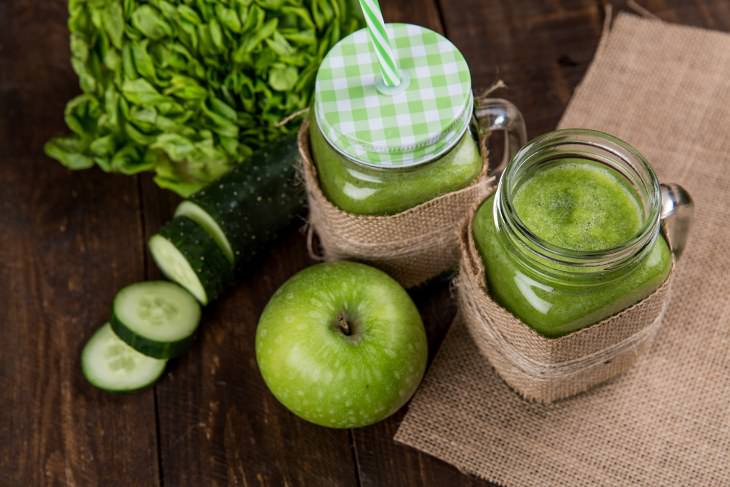
• 2 green apples 
• 1 cup spinach 
• 1 cucumber 
• 1 cup parsley 
 
Anti-Inflammatory Juice 
• 4 carrots 
• 1 orange 
• 2cm fresh turmeric 
• 1cm fresh ginger 
• ½ lemon 
• 3 stalks celery 
 
Super Detox Juice 
• 1 green apple 
• 2 beets 
• 1 cup spinach 
• 2cm fresh turmeric 
• ¾ cucumber 
• ½ lime 
 
Summer Delight 
• 1 cup pineapple 
• 2 carrots 
• 1cm ginger
• 2 stalks celery 
• ½ lemon 
 
Fresh Start
 • 1 green apple 
• 2 stalks celery 
• 1/2 cucumber 
• 1/2 lime 
• 1 cup kale 
• 1 cup cilantro 
 

This is only for your information, kindly take the advice of your doctor for medicines, exercises and so on.     

https://gscrochetdesigns.blogspot.com. one can see my crochet creations  
https://gseasyrecipes.blogspot.com. feel free to view for easy, simple and healthy recipes    
https://kneereplacement-stickclub.blogspot.com. for info on knee replacement


Labels: , , , , , , , , , , , , , , , , , , ,

Thursday, June 18, 2020

Dissolve Mucus With This Amazing Juice

Lemon Ginger Blast Juice Ingredients


  • 1 bunch Celery
  • 3 inches  Fresh Ginger
  • 3 inches Fresh Turmeric (when available)
  • 1 handful Fresh Mint
  • One Peeled Lemon
  • 1 bunch  Parsley (regular or Italian)
  • One bunch Cilantro
  • 1 Cucumber (large)
  • 2 Apples
  • 1/2-1 Habanero or Jalapeno (full pepper for more advanced)
  • 2 bunches Spinach
  • 3 cups Water

All you need to do is Juice & Enjoy. Be sure that you Drink one glass every morning. The final juiced amount should be cut with 1/3 water!

This is only for your information, kindly take the advice of your doctor for medicines, exercises and so on.     

https://gscrochetdesigns.blogspot.com. one can see my crochet creations  
https://gseasyrecipes.blogspot.com. feel free to view for easy, simple and healthy recipes    
https://kneereplacement-stickclub.blogspot.com. for info on knee replacement


Labels: , , , , , , , , , , , , ,

Tuesday, February 25, 2020

8 Extremely Healthy Common Herbs & Spices

We all like to add herbs to our food. They can improve the taste and give a dish that extra little something it was missing. In addition to these great advantages, did you know that most herbs and spices also have amazing health benefits?


Chives

 super healthy common herbs
Low in calories (100 grams of it contain only 30 calories), chives are rich in dietary fiber, with 100 grams containing 7% of your daily intake. Chives are also rich in antioxidants, such as allicin, which is shown to reduce cholesterol production and has anti-fungal, anti-bacterial and anti-viral properties. Allicin also helps reduce blood pressure and helps prevent strokes, coronary artery disease, and peripheral vascular diseases.

Chives also contain vitamin A and antioxidants, such as carotenes, zea-xanthin, and lutein, which together offer the human body protection from lung and oral cancer. Furthermore, chives are one of the best sources for vitamin K in nature, which helps limit neuronal damage in the brain and is essential for the treatment of Alzheimer’s.

Packed with minerals such as copper, iron, manganese, zinc and calcium, these leafy greens contain several vital vitamins such as B-6, B-5, B-3, B-2, and B-1 in healthy proportions.


Cilantro

 super healthy common herbs: cilantro
Cilantro contains many antioxidants, essential oils, vitamins and dietary fibers that help reduce bad cholesterol (LDL) and raise good cholesterol (HDL). The leaves and seeds contain oils such as borneol, linalool, cineole, cymene, terpineol, dipentene, phellandrene, pinene, and terpinolene, and the stems are rich in polyphenolic flavonoids (such as quercetin, kaempferol, rhamnetin, and epigenin).

Cilantro is a good source of minerals like potassium, calcium, manganese, iron and magnesium, which help control heart rate and blood pressure. It is also rich in many vitamins like folic acid, B-2, B-3, vitamin A, beta-carotene and vitamin C (all are essential to your health). Some 100 grams of cilantro leaves provide you with 30% of the daily recommended levels of vitamin C (a powerful antioxidant).

Vitamin A is required for maintaining skin and mucous membrane health. It is also essential for vision, and like chives, cilantro is also rich in vitamin K.


Basil

 super healthy common herbs: basil
Basil contains oils such as eugenol, citronellol, linalool, citral, limonene and terpineol, which have anti-inflammatory and anti-bacterial properties. Basil is very rich in beta-carotene, vitamin A, cryptoxanthin, lutein and zea-xanthin. These help protect against free radicals (that play a role in aging and various disease processes). Zea-xanthin was found to filter harmful UV rays and protect your eyes' retinas.

Basil contains a good amount of minerals like potassium, manganese, copper, and magnesium. All help to control heart rate and blood pressure. Basil leaves are an excellent source of iron - a component of hemoglobin inside your red blood cells.


Dill

 super healthy common herbs: dill
Dill sprigs and seeds contain many essential oils (d-carvone, dillapiol, DHC, eugenol, limonene, terpinene and myristicin) and have been used as a local anesthetic and anti-septic. Dill was also found to reduce blood sugar levels in people with diabetes. Oil extracted from the seeds has anti-spasmodic, carminative, digestive, disinfectant and sedative properties, and is rich in B-9, B-2, B-3, vitamin A, beta-carotene and vitamin C.

Dill is a great source of minerals such as copper, potassium, calcium, manganese, iron, and magnesium. Copper is essential for many of the body's vital enzymes (like cytochrome c-oxidase and superoxide dismutase).

Zinc is an essential component in many enzymes that regulate the body's growth and development, sperm production, digestion and nucleic acid synthesis. Potassium is important for cell and body fluids that assist with controlling heart rate and blood pressure. Manganese is essential for the antioxidant enzyme, superoxide dismutase.


Thyme
super healthy common herbs: thyme
Thyme has disease-preventing and health-promoting properties. It contains thymol, an essential oil, which has been found to have antiseptic and anti-fungal characteristics. Thyme contains flavonoid phenolic antioxidants, like zea-xanthin, lutein, pigenin, naringenin, luteolin, and thymonin.

Thyme leaves are one of the best sources of potassium, iron, calcium, manganese, magnesium, and selenium, and are a rich source of many important vitamins such as B-complex vitamins, beta-carotene, vitamin A, vitamin K, vitamin E, vitamin C and B-9.

Thyme provides about 27% of our recommended daily intake of vitamin-B-6 - a beneficial neurotransmitter for the brain, that helps with reducing stress. Fresh thyme is one of the richest in antioxidant among all herbs.


Turmeric
super healthy common herbs: dill turmeric
Turmeric has been in use since ancient times. Known for its anti-inflammatory, carminative and anti-microbial properties, it also contains essential oils such as termerone, curlone, curumene, cineole, and p-cymene.
​
Curcumin is the pigment that gives turmeric its orange color. Studies suggest that curcumin may have anti-tumor, anti-oxidant, anti-arthritic, anti-amyloid, anti-ischemic, and anti-inflammatory properties. Turmeric is rich in antioxidants and dietary fiber, which help control bad cholesterol levels.

Turmeric is a rich source of many vitamins such as B-6, choline, B-3, B-2 and more. B-6 is used in the treatment of CBS deficiency, anemia and even radiation sickness. B-3 helps prevent dermatitis, and B-2 helps the body convert carbohydrates into sugar, which in turn gives us energy.

Fresh turmeric root contains high levels of vitamin C, which helps the body develop immunity against infections and remove harmful free radicals. Turmeric also contains healthy amounts of minerals like calcium, iron, potassium, manganese, copper, zinc and magnesium.


Rosemary
super healthy common herbs: dill: rosemary
Rosemary leaves contain certain phytochemicals that are known to have disease-preventing and health-promoting properties. The herb parts, (especially the flower tops) contain phenolic antioxidant rosmarinic acid, as well as numerous oils that are beneficial to human health, such as cineol, camphene, borneol, bornyl acetate, alpha-pinene, and more. These compounds are known to reduce irritations and inflammations, as well as for having anti-fungal, antihistaminic and antiseptic properties

Rosemary contains very good amounts of vitamin A, and is exceptionally rich in many B-complex groups of vitamins, such as B-9, B-5, B-6, and B-2. It also contains high levels of folates, which are important for DNA synthesis.

Fresh rosemary leaves are a good source of vitamin C, which is required for collagen synthesis in the body (collagen is required for maintaining the integrity of blood vessels, skin, organs, and bones). Regular consumption of foods rich in vitamin C protects the body from scurvy, boosts its immunity and helps clear it of free radicals.

Fresh or dried, rosemary is a rich source of minerals like potassium, calcium, iron, manganese, copper, and magnesium, and it is an excellent source of iron (a component of hemoglobin inside red blood cells, which determines the oxygen-carrying capacity of the blood).


Parsley
super healthy common herbs: dill parsley
Parsley contains essential oils like myristicin, limonene, eugenol, and alpha-thujene, as well as flavonoids, including apiin, apigenin, crisoeriol, and luteolin. Many of these (particularly myristicin) have been shown to inhibit the formation of tumors in the lungs.
​
Myristicin also activates the enzyme glutathione-S-transferase, which helps attach the molecule glutathione to oxidized molecules that can be very harmful to the body. The oils in parsley qualify it as a "chemoprotective" food, meaning it can help neutralize particular types of carcinogens.

The flavonoids in parsley (especially luteolin) function as antioxidants, halting the damage that free radicals cause to the body. Additionally, extracts from parsley will help increase antioxidant capacity in the blood.

Parsley is an excellent source of vitamin A and vitamin C, and is helpful with preventing recurrent ear infections and colds.

Beta-carotene (another important antioxidant in parsley), is known to reduce risk of the development and progression of certain conditions, such as diabetes, atherosclerosis and colon cancer. It may also help with reducing asthma attacks and some forms of arthritis.


This is only for your information, kindly take the advice of your doctor for medicines, exercises and so on.     

https://gscrochetdesigns.blogspot.com. one can see my crochet creations  
https://gseasyrecipes.blogspot.com. feel free to view for easy, simple and healthy recipes    
https://kneereplacement-stickclub.blogspot.com. for info on knee replacement
 

Labels: , , , , , , , , , , , , , , , ,

Thursday, February 06, 2020

5 Ways to Boost Collagen

What is collagen?
Collagen is the most common protein found in the body. It’s present in tendons, fat, and ligaments, among other places. It helps the pieces of our bodies to fit together, and is crucial to the strength of our bone structure. When collagen levels are healthy, cells that contain collagen take on a strong and youthful appearance.

Elastin is another kind of protein in the body. Elastin is found in places in the body that contract, such as arteries and lungs. This is because of elastin’s outstanding characteristic: the ability to snap back into place and maintain its original shape. Elastin and collagen are both proteins found in skin. They work together to give skin its texture and shape. Skin with healthy levels of both collagen and elastin isn’t just more youthful; it’s stronger.

The interesting thing about collagen is that stimulating its growth causes a domino effect. The more collagen you have, the more your body is able to produce and maintain. Read on to find out ways that you can naturally support your body’s collagen production.


Aloe veraAloe vera gel has long been used for healing and soothing wounds. The reason it works to treat cuts and burns is because the aloe vera plant increases collagenTrusted Source production when applied topically or even taken orally. This cell-growth stimulating property can help boost collagen production in your skin. Aloe can be applied directly to the skin in pure form, or in the form of the many products on the market that contain it. At least one studyTrusted Source suggests that taking an aloe vera oral supplement will improve skin quality.


Foods rich in vitamin CVitamin C is critical for the synthesis of hyaluronic acid. Hyaluronic acid has been touted for speeding up recovery time and relieving painful joints. Without adequate levels of vitamin C, your body will not gain the full benefit of foods containing hyaluronic acid. One studyTrusted Source suggests that hyaluronic acid can help boost collagen production in the human body. Hyaluronic acid is naturally found in the body, but it decreases as we age. Eating foods rich in vitamin C and amino acids can increase the levels of hyaluronic acid and collagen in the body as both are important for skin. Foods such as oranges, red peppers, kale, Brussels sprouts, broccoli, and strawberries are all rich in vitamin C. Concentrated hyaluronic acid can be purchased at the drugstore.


Ginseng
The anti-aging effects of the Panax ginseng plant are well-documentedTrusted Source. Ginseng is absorbed into the skin without causing the adverse reactions that many chemical pharmaceuticals cause, and helps skin keep its original shape. It has also been found to promote the growth of collagen. Studies have shownTrusted Source ginseng’s ability to preserve skin against UVB ray damage from the sun. The antioxidants that are released into your bloodstream when you take a ginseng supplement or drink tea that contains ginseng can protect healthy cells and contribute to glowing skin.


Cilantro
Cilantro, also known as coriander leaf, is an herb commonly called for in recipes. It contains vitamin C, which has been linked to boosts in collagen production. Cilantro contains linolenic acid, which has been studiedTrusted Source as a powerful anti-aging factor for your skin. Linolenic acid contains antioxidants that fight the free radicals in your bloodstream, which break down healthy skin cells. Cilantro extract can be purchased and taken orally as a detoxifying agent.

Algae
Marine plant ingredients are becoming more and more popular as part of beauty routines. This is because most skin damage is caused by “oxidation” — the exposure of your skin to elements like pollution, which can damage cell growth. Algae is ableTrusted Source to prevent oxidation from zapping your skin of its elasticity and collagen. Algae is available in most health food stores in the form of oral supplements.


What not to do

If you’re trying to help your skin look younger and healthier, make sure you’re not burning your skin in the sun or in a tanning bed. Smoking can also age your skin prematurely. Getting time outside with the protection of sunscreen is one way to maintain a healthy glow.

Some collagen supplements do have side effects. The most common ones are calcium overproduction, allergic reactions, and joint pain. If you have allergic reactions to seafood or meat products, be very careful when taking any kind of collagen supplement.


Conclusion

Although a youthful appearance is highly valued, beauty isn’t just skin deep. Healthy skin is a good indicator of how the rest of your body is feeling. There’s no way to completely reverse the signs of aging. It’s much easier to protect your skin while it’s healthy than to attempt to repair it later in life. Boosting collagen naturally improves not only our appearance, but the rest of our health.

This is only for your information, kindly take the advice of your doctor for medicines, exercises and so on.     
https://gscrochetdesigns.blogspot.com. one can see my crochet creations  
https://gseasyrecipes.blogspot.com. feel free to view for easy, simple and healthy recipes    
https://kneereplacement-stickclub.blogspot.com. for info on knee replacement


source-healthline

Labels: , , , , , , , , , , , , , , , , , , ,