Friday, July 25, 2025

15 Foods to Eat If You Have High Blood Pressure

High blood pressure is a common problem in today’s societies, especially where people are living a fast life, eating fast food and are always on the go. High blood pressure can be prevented with regular exercising and healthy eating, but if you already have a little bit higher level, it’s important to pay attention to your every day habits and keep your health from declining. We have gathered 15 foods which you should eat if you already have high blood pressure or you just want to do something for your own health.

1. Yoghurt

 A box of yoghurt contains the suggested daily amount of calcium and also a lot of magnesium. It’s a good idea to start your day with a yoghurt, maybe eat some fruits with it.

2.  Spinach

Green leafy vegetables, for example spinach or ruccola has a high amount of kalium, which is essential for keeping the balance of blood pressure.  

3. Salmon

Salmon is rich in omega-3-fatty acids, which helps to normalize blood pressure and also has a role in controlling the normal heart rate. 

4. Honey 

Paying attention to your blood pressure is hard if you also have problems with your blood sugar. Try eating honey instead of sugar, but be careful, it’s better, but still sugary and leads to obesity if you eat too much. 

5. White beans

 15 Foods to Eat If You Have High Blood Pressure

A plate of white beans contains enough magnesium, calcium and kalium for a day for an adult person. You can eat them in a soup, as a side dish or in salads also.

6. Blueberries

15 Foods to Eat If You Have High Blood Pressure 

Almost every kind of berries are good for your blood pressure because of the flavonoids they contain. Flavonoids can reduce high blood pressure, so don’t be afraid to eat them as snacks also.  

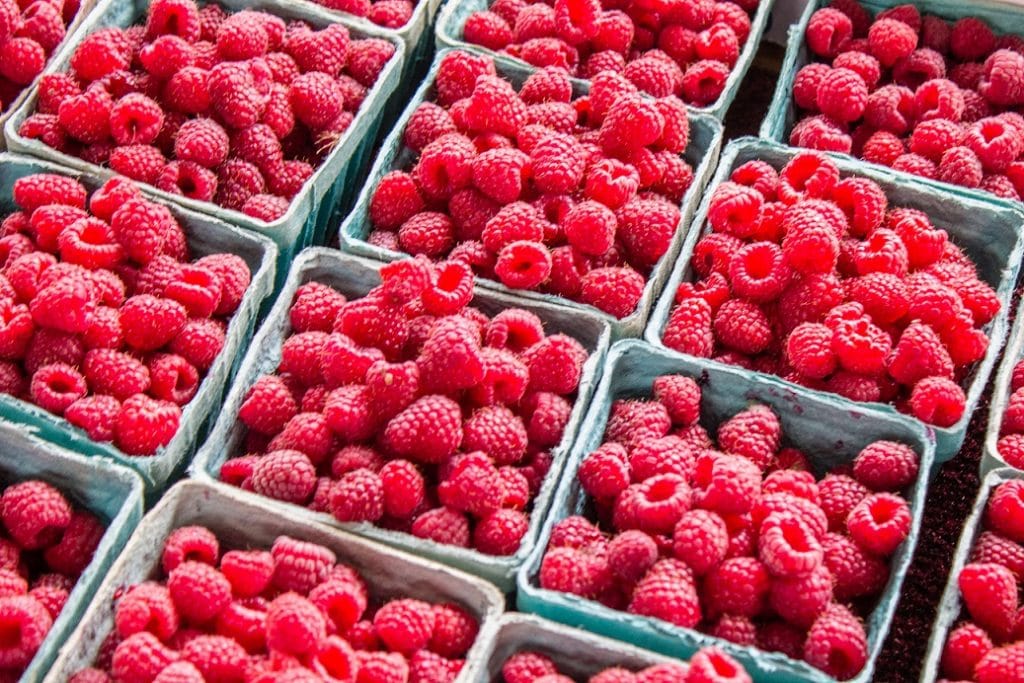
7. Raspberry
15 Foods to Eat If You Have High Blood Pressure 

Almost the same as blueberries but it’s also good for blood vessels because of the antioxidants it contains. Researchers have proved that eating red berries regularly can reduce high blood pressure.  

8. Potato

It might be surprising but potato is also good to reduce high blood pressure. We have discussed how important is the magnesium and kalium to keep a balanced blood pressure, and this vegetable happens to contain both.

9. Kale

15 Foods to Eat If You Have High Blood Pressure 

Kale, just like spinach and ruccola is a green leafy vegetable, therefore contains a lot of kalium, which is essential for our body to keep itself balanced. 

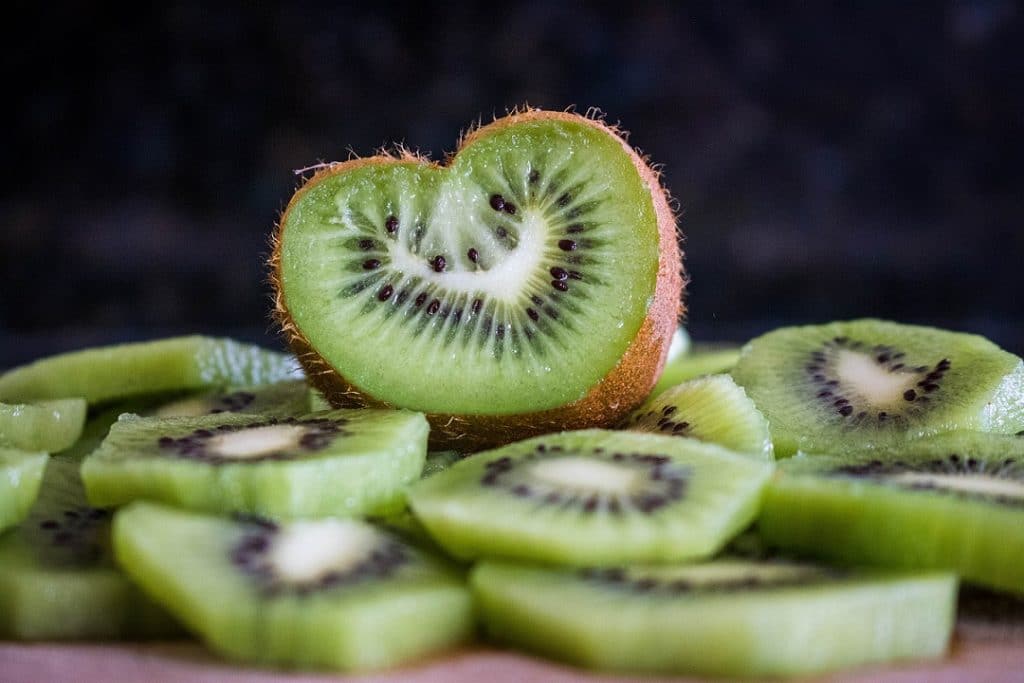
10. Kiwi
15 Foods to Eat If You Have High Blood Pressure 

Speaking about kalium, magnesium and calcium may became boring now but they are still the best things to eat if you want to keep your blood pressure in balance. 

11. Banana

Banana contains the biggest amount of kalium, therefore it’s really good to reduce high blood pressure. Perfect for a quick breakfast if you don’t have time to prepare complicated meals. 

12. Dark chocolate

You are sweet-toothed? No problem. Have you ever thought that dark chocolate is healthy? Of course, don’t eat too much because it will cause constipation, but it can reduce high blood pressure and it’s great against cardiovascular diseases. 

13. Beetroot

 Beetroot is quite divisive amongst everyone. You love it or you hate it. It contains nitrat which becomes nitrit and then nitrogen-oxid and it widens the blood vessels, therefore reduces blood pressure. Try eating it with some roasted meat, or as a side dish. 

14. Garlic

 Garlic is good for a lot of things, since it has antibacterial effect but it also contains allicin which can prevent high blood pressure. It doesn’t matter how you eat it; raw or prepared. Either way it’s healthy.

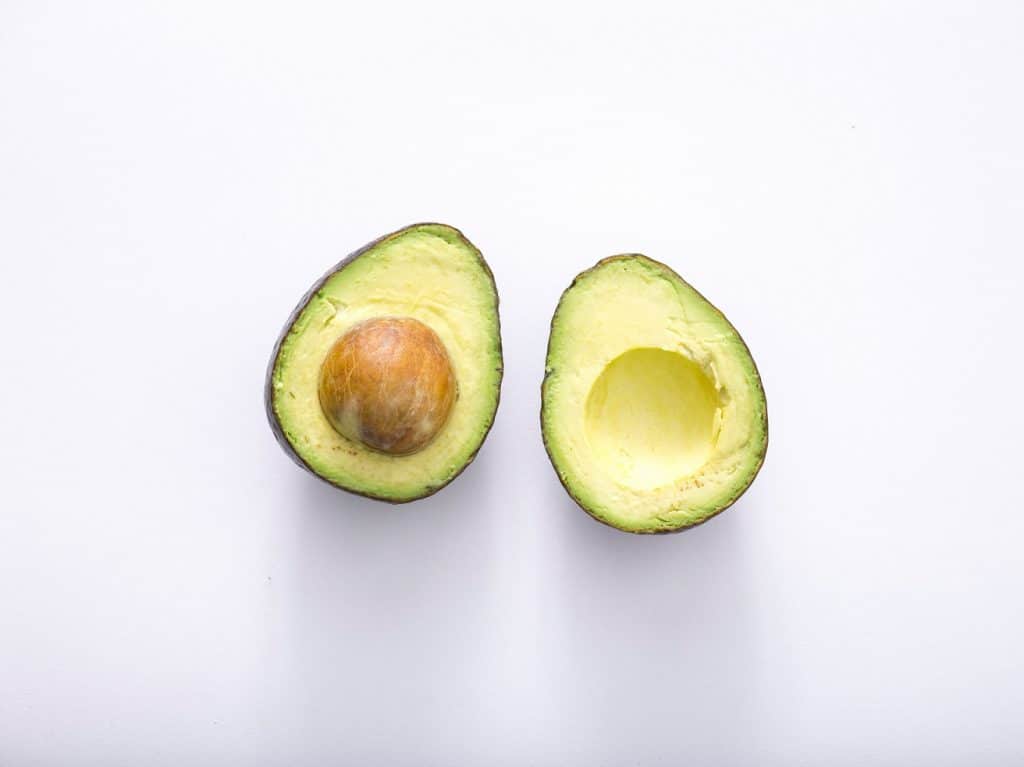
15. Avocado
 15 Foods to Eat If You Have High Blood Pressure

Avocado is the ultimate super-food nowadays, and not only because it’s popular. It contains a lot of good kind of fatty acids and a lot of vitamins also, and the best thing: magnesium, kalium and antioxidants. Perfect for your blood pressure. 


This is only for your information, kindly take the advice of your doctor for medicines, exercises and so on.   


Labels: , , , , , , , , , , , , ,

Sunday, May 18, 2025

What’s so great about beets?

Beets are rich in powerful antioxidants and nutrients that have been linked to a number of health benefits.

Here’s a look at the health benefits of beets, including the positive effects of beets for people with diabetes.

Beets may help lower blood sugar and insulin

Beets are rich in phytochemicals that have been shown to have a regulating effect on glucose and insulin in humans.

A 2014 study investigated the effects of beetroot juice on blood glucose levels after eating. The study found that drinking 225 milliliters of beetroot juice, or a little less than a 1/2 cup, resulted in a significant suppression of post-meal glucose levels.

However, it’s important to note that this study was done with participants who didn’t have diabetes. More research is needed that includes individuals with a diabetes diagnosis before definitive claims can be made.

Beets may lower the risk of chronic disease

According to the experts, foods that are high in antioxidants— such as beets — have been shown to be beneficial in preventing disease.

Antioxidants help prevent disease by fighting free radicals, which are unstable molecules in your body that can damage cells.

Cellular damage caused by free radicals is called oxidative stress. This damage has been linked to a number of serious diseases, including heart disease and cancer.

According to one study, beets can contain up to 1.7 millimoles of antioxidants per 3.5 ounces. This includes a group of antioxidants called betalains, which are responsible for their reddish color.

They also contain other compounds that suppress infammation, which has also been linked to serious medical conditions.

Beets may lower the risk of diabetes complications

Diabetes can cause damage to your small blood vessels (microvascular damage) and your larger blood vessels (macrovascular damage). This may lead to complications that can affect your eyes, heart, kidneys, and other parts of your body.

One study suggests that antioxidants, such as those found in beets, reduce oxidative stress and free radicals in the body. Fewer free radicals in the body mean a lower risk of diabetes complications, which can include:

  • retinopathy
  • kidney disease
  • neuropathy and diabetic foot disease
  • cardiovascular disease

Beets may help reduce insulin resistance

A metabolite is a substance that remains after your body metabolizes, or breaks down, food or other material. There’s some evidence that one of the metabolites found in high concentrations in beets — called a nitrate — may reduce insulin resistance.

The same metabolite is found in human blood levels, but it is lower in people with insulin resistance, prediabetes, and cardiovascular risk factors than in people who don’t have a diabetes diagnosis.

According to a small 2017 study, participants with obesity who consumed a mixture of beet juice and carbohydrates showed lower insulin resistance than participants without obesity. This suggests that individuals with obesity may benefit from eating beets and other nitrate-rich foods.

An earlier 2014 study found that healthy participants who consumed beet juice during a meal had lower insulin and glucose responses following the meal. However, a very small 2013 study had different results. 27 individuals with type 2 diabetes who drank beetroot juice daily showed no improvement in insulin resistance.

These studies involved a small number of participants, and more research is needed. It’s possible that reduced insulin resistance may be one of the benefits of eating beetroot, which could potentially benefit individuals with diabetes.

Beets may help lower blood pressure

High blood pressure is a common complication in people with diabetes. Research suggests that eating beets or drinking beetroot juice might lower your blood pressure.

A 2013 study found that participants with hypertension who drank one cup of beetroot juice every day experienced a significant drop in blood pressure.Some participants also experienced an improvement in the elasticity of their blood vessels.

Researchers in the study suggested that nitrates in beet juice were responsible for the effects. They work by expanding blood vessels and improving blood flow.

This study also found that drinking beetroot juice was associated with reduced systolic blood pressure levels.Systolic blood pressure measures the pressure in your blood vessels when your heart beats.

More recently, a 2017 study found that nitrates in beetroot juice reduced central blood pressure in some people with type 2 diabetes. Central blood pressure is the pressure in your aorta — the large artery that sends blood away from your heart.

There are no known risks to eating beetroot if you have diabetes. The American Diabetes Association  encourages everyone to add more of these non-starchy vegetables to their diet.

Unless you’re allergic to beetroot, the only risk that comes with eating beets is beeturia. Beeturia is a condition that causes urine or stools to appear pink or red. A small number of people experience beeturia after consuming beetroot.

While it can be alarming, beeturia isn’t usually harmful. It’s caused by one of the compounds in beets that gives the vegetable its color, and it usually clears up on its own.

Beets are incredibly versatile and can be used to add color, flavor, and crunch to a number of dishes and beverages. You can use beets in salads, stews, casseroles, and smoothies.

Don’t forget to use the greens, which are packed with nutrients and eaten the same way you would eat spinach or kale. According to a source, one beet contains about 7 grams of carbohydrates.

Adding beetroot to your diet

Here are some ways to include beets in your diet:

  • Cut slices or shave ribbons of raw beetroot and add to salads for extra color and crunch.
  • Steam them with other vegetables for a delicious and healthy side dish.
  • Roast beets in the oven. Then slice them up for a side dish, or add them to salads or omelets.
  • Juice beets and experiment by combining them with other vegetables and fruits, like apples and carrots.

Buy fresh beetroot with the greens intact. Look for beets that are firm, smooth, and bright red-purple in color.

With the greens intact, you can store beetroot in the fridge for three or four days. Without the greens, beets can last in the fridge for two to four weeks.

Beets are rich in antioxidants and nutrients that have proven health benefits for everyone.

Consuming beets appears to be especially beneficial for people living with diabetes. Beets can help lower the risk of complications that may arise from an un-managed condition, including nerve damage and eye damage.

Beets are also versatile, delicious, and easy to include in all kinds of recipes.

This is only for your information, kindly take the advice of your doctor for medicines, exercises and so on.   


Labels: , , , , ,

Monday, December 20, 2021

10 Super Nutritious Root Veggies to Try Besides Potatoes

We don’t need to tell you that vegetables are good for your health. But not all veggies have to be green and leafy to be nutritious. Root vegetables, for instance, are super healthy too and should be a part of everyone’s diet. These vegetables are edible plants that grow underground. This means that they store vitamins, minerals, and other nutrients for the plant and are, hence, highly nutritious.

Another great benefit of root vegetables is that they are in season almost all year, even when other offerings are not widely available. Furthermore, they tend to have a longer shelf life compared to other fresh produce, according to data from the U.S. Department of Agriculture (USDA).
 
Potatoes, onions, and carrots are, of course, some of the most common root vegetables. There are many other root vegetables with distinct health benefits you can add to your diet.  
 
1. Onions
Healthy Root Vegetables, Onions
Nutrition: Onions come in a variety of sizes, colors, and shapes. The common types are red, yellow, and white onions. These vegetables are high in fiber, vitamin C, and antioxidants while being low in calories. Research shows that eating onions can have a positive effect on several aspects of one's health. 
 
Benefits: For example, one study found that consuming 100 grams of raw onions daily helped reduce blood sugar levels in people with diabetes. Other studies have discovered that onions may possess powerful anti-cancer properties. A 2015 review showed that eating allium vegetables like onions can decrease the risk of cancers of the stomach and gastrointestinal tract. As per the authors of the study, there are compounds called organosulfurs in onions that suppress tumor growth.  
 
How to Eat: Onions are easy to add to your meals. Add them to salads, scrambled eggs, soups, or rice dishes to get their benefits.  
 
2. Carrots
Healthy Root Vegetables, . Carrots
Nutrition: Carrots are one of the most well-known root vegetables and are also incredibly nutritious. They contain plenty of fiber and micronutrients, including vitamin A in the form of the antioxidant beta-carotene.  
 
Benefits: Research indicates that eating carrots can lower cholesterol levels and improve antioxidant status in humans. Other studies also show that higher consumption of the antioxidant beta-carotene might lower the risk of breast, prostate, and stomach cancers. 
 
Furthermore, beta-carotene helps keep your eyes healthy and protects you from age-related degenerative eye diseases.  
 
How to Eat: Carrots can be easily eaten raw as a tasty nutritious snack. Alternatively, you can add sliced carrots to salads or smoothies.   
 
3. Beets
Healthy Root Vegetables, Beets
Nutrition: Beets are one of the healthiest root veggies. They are packed fiber, folate, vitamin C, potassium, and manganese, among other nutrients. They are also significantly high in nitrates - plant compounds that can help dilate blood vessels and help lower blood pressure. 
 
Benefits: According to studies, adding beets to your diet may help increase blood flow to your brain and boost exercise performance. Additionally, beets are rich in antioxidants like betalains, which reduce inflammation and help detoxify the body. 
 
How to Eat: Beets can be enjoyed raw or cooked. Add them to your salads during lunch or make beetroot juice in the morning to avail the full benefits of these great vegetables.
 
4. Sweet Potatoes
Healthy Root Vegetables, Sweet Potatoes
Nutrition: These delicious tubers are loaded with vitamin A, vitamin C, fiber, manganese, and beta-carotene. 
 
Benefits: A review of three studies showed that eating white sweet potatoes every day can improve blood sugar control in people with diabetes. Moreover, because of their vitamin A content, this vegetable can protect against vision loss, improve skin health, and also boost immune function. 
 
How to Eat: Sweet potatoes are incredibly versatile. They can be baked, boiled, or roasted, and also go well with side dishes like salads or sandwiches.

5. Jerusalem Artichokes
Healthy Root Vegetables,. Jerusalem Artichokes
Nutrition: Jerusalem artichokes are underrated root vegetables rich in iron, copper, magnesium, phosphorus, and potassium. They even provide vitamin C, a variety of B-vitamins, calcium, and a few other nutrients in small amounts. 
 
Benefits: Jerusalem artichokes are among the richest sources of prebiotic fiber. This fiber isn't digested by the body, but it can help the growth of good bacteria in the gut. While Jerusalem artichokes are high in natural sugars, these vegetables have a negligible effect on blood sugar levels. In fact, they have a lower glycemic index (GI) score than potatoes (from 53 to 111) and aren't fattening.  
 
How to Eat: Jerusalem artichokes have a slightly sweet earthy flavor and are light and crisp. Adding them to your salad will give them a delicious crunch. They can also be peeled, roasted, and mashed.

6. Turnips / salgam
Healthy Root Vegetables, Turnips
Nutrition: Turnips are delicious and are packed with fiber and vitamins K, A, C, E, B1, B3, B5, B6, B2, and folate, along with minerals like manganese, potassium, magnesium, iron, calcium, and copper.  
 
Benefits: A 100 gm serving of turnips contains 21 mg of vitamin C. Studies have shown that adding this vitamin to your diet can help boost your immunity and also reduce symptoms of respiratory infections like the common cold. 
 
Apart from that, these vegetables are also rich in glucosinolates - a group of bioactive plant compounds that can inhibit the development of hormone-sensitive cancers. Glucosinolates have also been shown to have liver-protecting effects.  
 
How to Eat: Turnips are easy to add to meals. Just slice them like apples to eat with dips or toss them into your salads.
 
7. Celeriac
Healthy Root Vegetables, . Celeriac
Nutrition: Celeriac, also called celery root, is a great source of vitamin K, according to the USDA. It also contains vitamins B6 and C, along with phosphorus. 
 
Benefits: Vitamin K is essential for blood clotting and bone health, and a single one-cup (156-gram) serving of celeriac provides about 80% of the daily recommended value of this vitamin. It is also rich in fiber, which encourages healthy gut bacteria and helps keep the digestive system functioning smoothly. 
 
How to Eat: Celeriac has a nutty taste and crunchy texture, which makes it work perfectly well in salads. You can also add it to stews, soups, or roasted veggie medleys. 
 
8. Radishes 
Healthy Root Vegetables,  Radishes
Nutrition: Radishes are low in calories and carbs but contain a decent dose of fiber and vitamin C. 
 
Benefits: Studies have shown that these vegetables have antifungal properties and can be effective against several types of fungal infections. There’s even evidence to suggest that the leaves of the radish plant can provide protection against stomach ulcers. Apart from this, they also contain natural nitrates that improve blood flow. 
 
How to Eat: Radishes come in colorful shades of red, pink and purple, and are great for adding a little nutritious crunch to your salads, sandwiches, or tacos. 
 
9. Garlic  Healthy Root Vegetables, . Garlic
Nutrition: This flavorful bulb vegetable boasts an impressive nutrient profile. Each serving of garlic contains manganese, vitamin B6, and vitamin C, along with calcium and selenium. 
 
Benefits: Studies have found that garlic can significantly lower blood pressure, along with levels of total cholesterol and triglycerides. There’s also sufficient research to suggest that garlic can boost immune function and help prevent infections like the common cold. 
 
How to Eat: The best thing about garlic is its versatility. It adds a lot of flavor to dishes like soups, sauces, side dishes, and dressings. Just give it a crush with the side of your knife and then mix it with extra virgin olive oil. It can also be eaten raw, but be aware that it has a strong, pungent smell.

10. Parsnips 
Healthy Root Vegetables, . Parsnips
Nutrition: Parsnips look like white carrots, but they are a member of the parsley family. They have a crunchier and fibrous texture and a sweet and mellow flavor. Parsnips are packed with vital nutrients, such as vitamin C, vitamin K, manganese, potassium, folate, zinc, copper, and magnesium.  
 
Benefits: Parsnips supply many antioxidants and are a great source of both soluble and insoluble fiber. According to some studies, increasing your fiber intake can help treat digestive conditions and intestinal ulcers. This root vegetable also has a high water content of about 79.5%, and studies show that water-rich foods can useful in decreasing one’s calorie intake and aiding weight loss.  
 
How to Eat: Parsnips can be eaten raw, but a tasty way to eat them is to roast them alongside a joint of meat. You can also mash parsnips and mix with lemon and herbs for a yummy, light meal. Another simple way to have them is by chopping and cooking them into stews and soups.

This is only for your information, kindly take the advice of your doctor for medicines, exercises and so on.   

https://gscrochetdesigns.blogspot.com. one can see my crochet creations  
https://gseasyrecipes.blogspot.com. feel free to view for easy, simple and healthy recipes    
https://kneereplacement-stickclub.blogspot.com. for info on knee replacement

Labels: , , , , , , , , , , , ,