Sunday, August 30, 2026

The Health Benefits of Sweet Potatoes

Sweet potatoes are available all over the world, and if you only eat these delicious root vegetables when they've been baked until they are virtually unrecognizable, then you are missing out on one of nature's greatest nutritional gifts. They are not only rich in a vast range of nutrients, but they are also one of the best natural ways to regulate your blood sugar levels, making them an exceptionally beneficial food for diabetics. It also helps that they are absolutely scrumptious, and their sweet flavor is completely unlike any other found in the vegetable world. Indeed, sweet potatoes are so versatile that they're sure to liven up a whole range of dishes, even desserts!
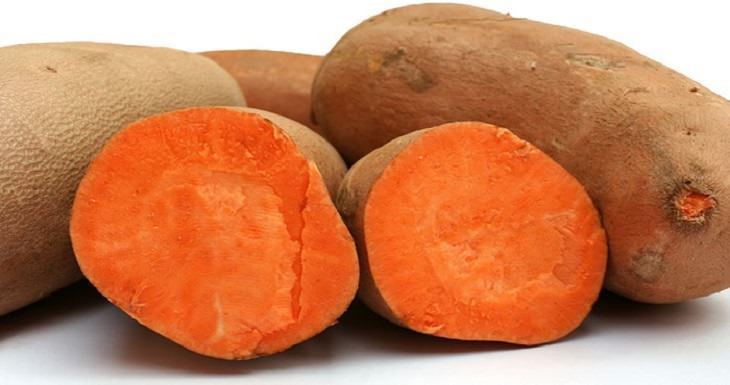
sweet potato health benefits
Selecting and Storing Sweet Potatoes 

There are different varieties of sweet potato, and many come in different colorings and hues. Here are some tips for selecting, storing and preparing the vegetable, so that you can benefit from as much goodness as possible. 

1. Choose the darker variety of sweet potato at the grocery store if possible, because they have the higher carotene content, essential for the production of vitamin A. Purple sweet potatoes, more commonly found in Asia, are also a great source of nutrients. Paler varieties are healthy, but don't offer quite the same number of benefits as darker types, and many people often confuse them with yams. 

2. Avoid wrinkly, soft sweet potatoes and take time to select ones with good, firm flesh. If there are signs of green discoloring, then leave them alone. 

3. Store sweet potatoes in a cool, dark and well ventilated place. Do not leave them in plastic bags, or keep them in the fridge. Consume within 7-10 days of purchase. 

4. Prepare sweet potatoes in the same way you would prepare normal white potatoes. However, bear in mind that the skin contains a large percentage of the nutrients, so try to leave it on if possible. You can make fantastic sweet potato fries by leaving the skin on, and chopping the vegetable into strips. 

5. You can steam, bake, boil or roast sweet potatoes, and still benefit from plenty of nutrients. But as with any vegetable preparation, try not to over-cook them. Specific 

Health Benefits of Sweet Potatoes 

Although they are soft, creamy and sweet enough to be used in some desserts, sweet potatoes offer a surprisingly huge range of nutritional benefits, many of which have specific health benefits. 

1. Great for Heart Health 

The high levels of vitamin B6 and potassium found in sweet potatoes provide excellent benefits for your heart. B6 vitamins break down homocysteine, a substance which can harden blood vessels and block arteries. Potassium, meanwhile, helps balance fluid and blood pressure levels, while providing your body's cells with electrolytes that help regulate your heart beat.

2. Great Source of Vitamin A 

Sweet potatoes contain a huge amount of beta-carotene, a carotenoid that gives certain vegetables their orange color. The body can turn carotenoids into vitamin A, which is linked to cancer prevention, the maintenance of good vision, and also provides a number of anti-ageing benefits. Indeed, one large sweet potato is capable of providing 100% of your recommended daily intake of vitamin A according to the U.S. Food and Drug Administration. 

 3.Great for Blood Sugar Levels 

Although they are sweet tasting, sweet potatoes are low on the glycemic index, which means they are a very good blood sugar regulator. Many starchy foods, including white potatoes, encourage blood sugar levels to spike and rise rapidly, but sweet potatoes release sugar into the bloodstream much more slowly. This makes them a great choice for diabetics, who can safely consume the carbohydrates without associated problems. 

4. Great for Skin Care 

Sweet potatoes can work to improve the appearance of your skin from both inside and outside your body. The high levels of vitamin C and E contained within sweet potatoes helps boost the body's defenses against the sun's harmful UV rays and encourages the production of collagen, which keeps the skin strong and supple. 

But it isn't only the consumption of sweet potatoes that can benefit your skin. If you boil them, don't throw away the water afterwards. Take a cup and use your fingers to gently apply the water to your face. This can help clean your pores, remove impurities from the skin and even reduce dark circles around your eyes.

5. Great for Digestion 

Sweet potatoes are a great source of dietary fiber, while still being low in calorie content. Fiber promotes a healthy digestive tract, helping your body pass toxins and waste products out quickly and efficiently, while guarding against constipation and bloatedness. 

6. Great for Emphysema 

Prevention Emphysema is a condition that gradually damages the air sacs in the lungs, leaving sufferers short of breath. It is often associated with smokers, or people exposed to smoking on a regular basis. Smoking reduces levels of vitamin A, which helps regenerate the cells in the lungs. The beta-carotene contained within sweet potatoes encourages the production of vitamin A and helps heal the respiratory system. 

7. Great Source of Vitamins and Minerals 

Sweet potatoes contain a significant amount of vitamins C, E, B5, B6, riboflavin and copper. These nutrients offer a range of benefits for your immune system, red blood cell production, sleep patterns, mood, wound repair, disease prevention, muscle weakness and pain. 

8. Great for Stress Relief 

Sweet potatoes contain high amounts of magnesium, often considered to be one of the best minerals for promoting relaxation, calmness and improved mood. As we already know, they are also rich in potassium, which helps regulate your heart beat when you are anxious or stressed.


This is only for your information, kindly take the advice of your doctor for food, medicines, exercises and so on.   


Labels: , , , , , , , ,

Saturday, May 16, 2026

4 Best Foods for Psoriasis, According to Nutrition Experts

 Key Points

  • A Mediterranean-style diet may help reduce psoriasis-related inflammation and improve symptoms.
  • Foods rich in fiber, antioxidants and omega-3s, like fruits, whole grains and fatty fish, are beneficial.
  • Limiting processed foods, alcohol and stress can help manage psoriasis flare-ups and inflammation.
  •  

    Psoriasis is a  chronic autoimmune condition that affects around 3% of adults in the United States. It causes red, scaly and inflamed patches on the elbows, knees, scalp and other parts of the skin. These develop because the immune system overreacts to common triggers and produces too many skin cells.

    It’s unclear exactly what causes the overactive immune response in psoriasis, but researchers know a combination of genetics and environmental factors are involved. Often, people have a family history of the disease, but factors like infections, medication reactions and stress also play a role. While your eating choices can’t cure psoriasis and there’s no specific diet to follow when you have the condition, some foods like fruits, vegetables, olive oil, nuts, fish, whole grains and beans may help with  managing inflammation, research shows. In turn, psoriasis symptoms may be less severe.

    Curious which specific foods can help with psoriasis and how? Here’s what nutrition experts recommend.

    Fruits & Vegetables

    Fruits and vegetables are rich in nutrients including polyphenols, carotenoids and vitamin C that act as antioxidants and may help reduce psoriasis-related inflammation.

    “They’re also an excellent source of fiber, which is associated with lower inflammation levels,” says a Dr. She recommends pairing berries—which provide antioxidants and fiber—with walnuts for an easy snack.

    Some other great antioxidant and fiber-rich fruits and vegetables include dark leafy greens, purple sweet potatoes, carrots and tropical fruits like passion fruit and kumquats, says a Dr.


    Olive Oil

    Across a number of studies, researchers have found that following a Mediterranean-style diet—which includes olive oil and other foods like fruits, vegetables, whole grains, fish and beans—can be helpful for people with psoriasis.

    Containing healthy monounsaturated fats and polyphenols, “diet patterns rich in olive oil, like the Mediterranean diet, are associated with lower inflammation overall and may help improve psoriasis symptoms by targeting underlying inflammatory pathways,” says a Dr.

    Curious how to incorporate more olive oil into your diet? Davis recommends using olive oil as your primary cooking oil and as the base of your salad dressings. She also suggests making a kale salad with purple sweet potatoes, hazelnuts and an olive oil vinaigrette.

    In the warmer months, “a watermelon salad with feta, olive oil and fresh herbs can be a refreshing, anti-inflammatory side,” Schachter says. 

    Whole Grains

    Whole grains are a good source of dietary fiber, which has been associated with lower levels of inflammation in the body. Whole grains like oats and barley contain fermentable fibers that gut bacteria break down in the colon to produce short-chain fatty acids. These compounds help reduce inflammation and modulate immune responses, Schachter explains.

    While no single food is a standalone treatment for psoriasis, replacing refined grains with whole grains is a dietary pattern that’s consistently associated with lower markers of systemic inflammation.

    “Swap white refined grains with whole grains like rolled oats, quinoa, brown rice and whole-grain bread,” Davis says. Other ideas include overnight oats, a bulgur pilaf side dish or quinoa stuffed peppers. For an anti-inflammatory meal that includes whole grains and many other psoriasis-friendly foods, Miremadi recommends combining leafy greens, roasted salmon, farro or quinoa, and then tossing it with lots of extra virgin olive oil and fresh lemon juice.

    Fatty Fish

    Fatty fish like salmon, sardines and mackerel are rich in the omega-3 fatty acids DHA (docosahexaenoic acid) and EPA (eicosapentaenoic acid), which research suggests can help reduce systemic inflammation. The body can’t produce omega-3s naturally, so it’s important to get them from the food you eat.

    “In a disease like psoriasis, which is characterized by chronic inflammation and immune activation, fatty fish may be supportive for managing inflammation and symptoms,” Miremadi says.

    Looking for ways to eat more fatty fish? Consider sardines on whole-grain crackers, a high-protein canned salmon salad or even grilled mackerel. Additionally, “options like salmon burgers or Moroccan-style fish provide omega-3s while still feeling satisfying and flavorful,” Schachter says.

    Other Tips for Managing Psoriasis

    • Minimize your intake of processed foods. Consuming ultra-processed foods, like packaged sweet or savory snacks, processed meats and soft drinks, is linked with a higher risk for psoriasis. A diet high in ultra-processed foods has also been linked with increased inflammation and may worsen or trigger psoriasis flare-ups.
    • Limit your alcohol intake. Alcohol is known to trigger or worsen psoriasis flare-ups.
    • Steer clear of smoking. Smoking has been linked with more severe psoriasis and can also increase the risk of developing psoriasis.
    • Find ways to minimize stress. Stress can trigger psoriasis flare-ups. Habits like journaling, meditation and gentle movement can all help with managing stress.                                                  


      This is only for your information, kindly take the advice of your doctor for medicines, exercises and so on.   

    Labels: , , , , , , , ,