Sunday, August 30, 2026

The Health Benefits of Sweet Potatoes

Sweet potatoes are available all over the world, and if you only eat these delicious root vegetables when they've been baked until they are virtually unrecognizable, then you are missing out on one of nature's greatest nutritional gifts. They are not only rich in a vast range of nutrients, but they are also one of the best natural ways to regulate your blood sugar levels, making them an exceptionally beneficial food for diabetics. It also helps that they are absolutely scrumptious, and their sweet flavor is completely unlike any other found in the vegetable world. Indeed, sweet potatoes are so versatile that they're sure to liven up a whole range of dishes, even desserts!
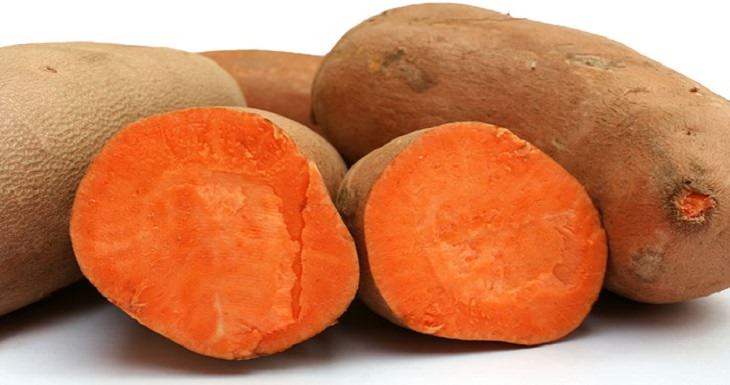
sweet potato health benefits
Selecting and Storing Sweet Potatoes 

There are different varieties of sweet potato, and many come in different colorings and hues. Here are some tips for selecting, storing and preparing the vegetable, so that you can benefit from as much goodness as possible. 

1. Choose the darker variety of sweet potato at the grocery store if possible, because they have the higher carotene content, essential for the production of vitamin A. Purple sweet potatoes, more commonly found in Asia, are also a great source of nutrients. Paler varieties are healthy, but don't offer quite the same number of benefits as darker types, and many people often confuse them with yams. 

2. Avoid wrinkly, soft sweet potatoes and take time to select ones with good, firm flesh. If there are signs of green discoloring, then leave them alone. 

3. Store sweet potatoes in a cool, dark and well ventilated place. Do not leave them in plastic bags, or keep them in the fridge. Consume within 7-10 days of purchase. 

4. Prepare sweet potatoes in the same way you would prepare normal white potatoes. However, bear in mind that the skin contains a large percentage of the nutrients, so try to leave it on if possible. You can make fantastic sweet potato fries by leaving the skin on, and chopping the vegetable into strips. 

5. You can steam, bake, boil or roast sweet potatoes, and still benefit from plenty of nutrients. But as with any vegetable preparation, try not to over-cook them. Specific 

Health Benefits of Sweet Potatoes 

Although they are soft, creamy and sweet enough to be used in some desserts, sweet potatoes offer a surprisingly huge range of nutritional benefits, many of which have specific health benefits. 

1. Great for Heart Health 

The high levels of vitamin B6 and potassium found in sweet potatoes provide excellent benefits for your heart. B6 vitamins break down homocysteine, a substance which can harden blood vessels and block arteries. Potassium, meanwhile, helps balance fluid and blood pressure levels, while providing your body's cells with electrolytes that help regulate your heart beat.

2. Great Source of Vitamin A 

Sweet potatoes contain a huge amount of beta-carotene, a carotenoid that gives certain vegetables their orange color. The body can turn carotenoids into vitamin A, which is linked to cancer prevention, the maintenance of good vision, and also provides a number of anti-ageing benefits. Indeed, one large sweet potato is capable of providing 100% of your recommended daily intake of vitamin A according to the U.S. Food and Drug Administration. 

 3.Great for Blood Sugar Levels 

Although they are sweet tasting, sweet potatoes are low on the glycemic index, which means they are a very good blood sugar regulator. Many starchy foods, including white potatoes, encourage blood sugar levels to spike and rise rapidly, but sweet potatoes release sugar into the bloodstream much more slowly. This makes them a great choice for diabetics, who can safely consume the carbohydrates without associated problems. 

4. Great for Skin Care 

Sweet potatoes can work to improve the appearance of your skin from both inside and outside your body. The high levels of vitamin C and E contained within sweet potatoes helps boost the body's defenses against the sun's harmful UV rays and encourages the production of collagen, which keeps the skin strong and supple. 

But it isn't only the consumption of sweet potatoes that can benefit your skin. If you boil them, don't throw away the water afterwards. Take a cup and use your fingers to gently apply the water to your face. This can help clean your pores, remove impurities from the skin and even reduce dark circles around your eyes.

5. Great for Digestion 

Sweet potatoes are a great source of dietary fiber, while still being low in calorie content. Fiber promotes a healthy digestive tract, helping your body pass toxins and waste products out quickly and efficiently, while guarding against constipation and bloatedness. 

6. Great for Emphysema 

Prevention Emphysema is a condition that gradually damages the air sacs in the lungs, leaving sufferers short of breath. It is often associated with smokers, or people exposed to smoking on a regular basis. Smoking reduces levels of vitamin A, which helps regenerate the cells in the lungs. The beta-carotene contained within sweet potatoes encourages the production of vitamin A and helps heal the respiratory system. 

7. Great Source of Vitamins and Minerals 

Sweet potatoes contain a significant amount of vitamins C, E, B5, B6, riboflavin and copper. These nutrients offer a range of benefits for your immune system, red blood cell production, sleep patterns, mood, wound repair, disease prevention, muscle weakness and pain. 

8. Great for Stress Relief 

Sweet potatoes contain high amounts of magnesium, often considered to be one of the best minerals for promoting relaxation, calmness and improved mood. As we already know, they are also rich in potassium, which helps regulate your heart beat when you are anxious or stressed.


This is only for your information, kindly take the advice of your doctor for food, medicines, exercises and so on.   


Labels: , , , , , , , ,

Wednesday, August 13, 2025

Specific Health Benefits of Sweet Potatoes h

Although they are soft, creamy and sweet enough to be used in some desserts, sweet potatoes offer a surprisingly huge range of nutritional benefits, many of which have specific health benefits. 
 
1. Great for Heart Health  
The high levels of vitamin B6 and potassium found in sweet potatoes provide excellent benefits for your heart. B6 vitamins break down homocysteine, a substance which can harden blood vessels and block arteries. Potassium, meanwhile, helps balance fluid and blood pressure levels, while providing your body's cells with electrolytes that help regulate your heart beat.


2. Great Source of Vitamin A 
Sweet potatoes contain a huge amount of beta-carotene, a carotenoid that gives certain vegetables their orange color. The body can turn carotenoids into vitamin A, which is linked to cancer prevention, the maintenance of good vision, and also provides a number of anti-ageing benefits. Indeed, one large sweet potato is capable of providing 100% of your recommended daily intake of vitamin A according to the U.S. Food and Drug Administration. 
 
 3.Great for Blood Sugar Levels 
Although they are sweet tasting, sweet potatoes are low on the glycemic index, which means they are a very good blood sugar regulator. Many starchy foods, including white potatoes, encourage blood sugar levels to spike and rise rapidly, but sweet potatoes release sugar into the bloodstream much more slowly. This makes them a great choice for diabetics, who can safely consume the carbohydrates without associated problems. 
 
4. Great for Skin 
Care Sweet potatoes can work to improve the appearance of your skin from both inside and outside your body. The high levels of vitamin C and E contained within sweet potatoes helps boost the body's defenses against the sun's harmful UV rays and encourages the production of collagen, which keeps the skin strong and supple.  good skin sweet potatoes
 
But it isn't only the consumption of sweet potatoes that can benefit your skin. If you boil them, don't throw away the water afterwards. Take a cup and use your fingers to gently apply the water to your face. This can help clean your pores, remove impurities from the skin and even reduce dark circles around your eyes.

 
5. Great for Digestion  
Sweet potatoes are a great source of dietary fiber, while still being low in calorie content. Fiber promotes a healthy digestive tract, helping your body pass toxins and waste products out quickly and efficiently, while guarding against constipation and bloatedness. 
 
 
 6. Great for Emphysema Prevention 
Emphysema is a condition that gradually damages the air sacs in the lungs, leaving sufferers short of breath. It is often associated with smokers, or people exposed to smoking on a regular basis. Smoking reduces levels of vitamin A, which helps regenerate the cells in the lungs. The beta-carotene contained within sweet potatoes encourages the production of vitamin A and helps heal the respiratory system.
 
 7. Great Source of Vitamins and Minerals  
Sweet potatoes contain a significant amount of vitamins C, E, B5, B6, riboflavin and copper. These nutrients offer a range of benefits for your immune system, red blood cell production, sleep patterns, mood, wound repair, disease prevention, muscle weakness and pain. 
 
 
8. Great for Stress Relief 
Sweet potatoes contain high amounts of magnesium, often considered to be one of the best minerals for promoting relaxation, calmness and improved mood. As we already know, they are also rich in potassium, which helps regulate your heart beat when you are anxious or stressed.


This is only for your information, kindly take the advice of your doctor for medicines, exercises and so on.   


Labels: , , , , , , , , , , ,

Thursday, May 22, 2025

Neuropathy Treatment & Prevention

The term Neuropathy is short for 'peripheral neuropathy'. It relates to nerve damage suffered by the peripheral nervous system, which is in charge of our nerves outside the brain and spinal cord. 
 
Neuropathy is a complication that can be caused by a number of various conditions. Physical trauma, repetitive injury, infections, metabolic problems and exposure to toxins and some drugs can all lead to peripheral neuropathy. 

Neuropathy guide
Signs and symptoms of neuropathy 
Neuropathy usually starts as a tingling or burning sensation at our extremities, such as fingers and toes. There is also a loss of sensation at the edge of the nerves that patients have reported feeling like they are wearing a thin stocking or glove on their hands. 
 
The precise symptoms differ from patient to patient based on the types of nerves affected. There are three types of nerves that may be affected by neuropathy, namely sensory, motor and autonomic. 
 
Sensory nerves 
Sensory nerves are responsible for collecting sensory information for the body, such as touch. Neuropathy of the sensory nerves can be expressed as:  
- Spreading numbness and tingling in hands and/or feet (which can spread to the arms and legs)
- Burning, sharp or electric-like pain 
 - Extreme sensitivity to touch 
 - Problems with coordination 
 
Motor nerves 
Motor nerves are the nerves responsible for activating our muscles and control movements. 
- Muscle weakness
- Paralysis

Autonomic nerves  
Autonomic nerves are responsible for internal actions of the body, such as regulating digestion, heat and blood pressure.
- Intolerance to heat 
- Problems with digestion, bladder and bowel control 
- Dizziness (or light-headedness) brought about by problems with blood pressure.
Neuropathy guide

A common cause of neuropathy: Diabetes 
For diabetics, neuropathy can be quite common. That said, about 50% of diabetics who have neuropathy won't notice the symptoms, and it will stay on a very low level. For the other 50%, however, the symptoms will be unavoidable. Pain is the most common complaint, usually a 'prickling', 'stabbing' or 'burning' pain, that happens mostly at night. This, along with a numbness that feels as if the limb is 'asleep' - occurs predominantly in the toes, feet and legs. 
 
What do doctors prescribe for this condition? 
Most doctors will stick to the old medical regime of anti-depressants, anti-convulsants, steroid and cortisone injections, lidocaine patches and pain killers. These are powerful drugs that address the painful sensations for short and long term relief. However, as powerful drugs, they have a host of side-effects and must be administered very carefully. Some medical practitioners recommend electrical stimulation of the pain area and of the spine. The medical community is united in agreement that more solutions to this problem are required, but progress has been very slow from the medical and drug industry so far.

Natural solutions to neuropathy  
First off, if you are suffering from diabetes related neuropathy, you must do the following: 
 
- Give up smoking 
 - Cut down on alcohol consumption or give it up altogether 
- Maintain a healthy weight 
 - Exercise 
 
Other recommended habits for those suffering from neuropathy include: Wearing clothing that causes less irritation, such as cotton, covering the sensitive areas with wound dressing or cling film and using cold packs. 
 
Stress relief is also a big help when it comes to neuropathy, and so relaxation techniques such as yoga, meditation and acupuncture will come in handy.

Vitamin therapy  
Clinical studies have shown that certain supplements can have a cumulative effect on the symptoms and causes of neuropathy. These herbal extracts can be taken without worry that they may clash with a parallel medical treatment. Certain herbal extracts and formulas offer a level of relief that has rarely been reached by just using medical procedures. This must be taken daily to achieve the desired relief. 
 
Vitamins B1, B2, B6 and B12 
Vitamin B deficiency is one of the major causes of neuropathy, and also one of the best natural solutions. All herbal extracts contain large amounts of vitamin B1, usually in its common form of thiamine.

Recent natural medications have reverted to using benfotiamine, which has been found to be significantly more effective in delivering vitamin B than thiamine is (x3). 
 
Stabilized R-Alpha Lipoic Acid (R-ALA) 
This powerful antioxidant is one of the few, rare materials that can pass through the brain's blood/brain barrier to enter the brain and go directly where it is needed the most. 
 
Most importantly, it has a specific effect on the nerves that eases the pain and numbness associated with neuropathy, and promotes better blood flow and oxygen to the nerves. 
 
Recent studies have reported that just by using the R-ALA alone, orally, symptoms of neuropathy were reduced.


Neuropathy support formulas 
These days, it is common for those suffering from neuropathy to take both medical and vitamin therapies, combining short-term treatment with the cumulative effects of correct nutrition. 
 
The best formulas (so make sure they have these in the ingredient list) include vitamins B1, B2 and B12, as well as Vitamin D, R-ALA and materials that relax your nervous system, avoiding over-stimulation. 
 
I personally recommend checking those out for anyone who is really looking for a solution to their neuropathy problem, or is worried they are developing one. For diabetes patients, this would be a good way to perhaps prevent the onset of neuropathic symptoms.

This is only for your information, kindly take the advice of your doctor for medicines, exercises and so on.   


Labels: , , , , , ,