Tuesday, July 23, 2024

10 Uncommon But Healthy Vegetables You Must Try

 The monotony of our daily culinary routines often prompts us to rely on a limited repertoire of vegetables like broccoli, spinach, lettuce, and carrots, repeating them week after week. However, by exploring some of the more uncommon veggies in the produce section of the grocery store, we can open ourselves up to a world of extraordinary possibilities and reap the rewards of both culinary and nutritional benefits. 

Research suggests that incorporating a wider variety of vegetables into our diets not only helps reduce the risk of heart disease but also enhances our overall quality of life. With this in mind, we bring you a curated selection of unique vegetables from around the world, some of which may even be readily available in your own local area.


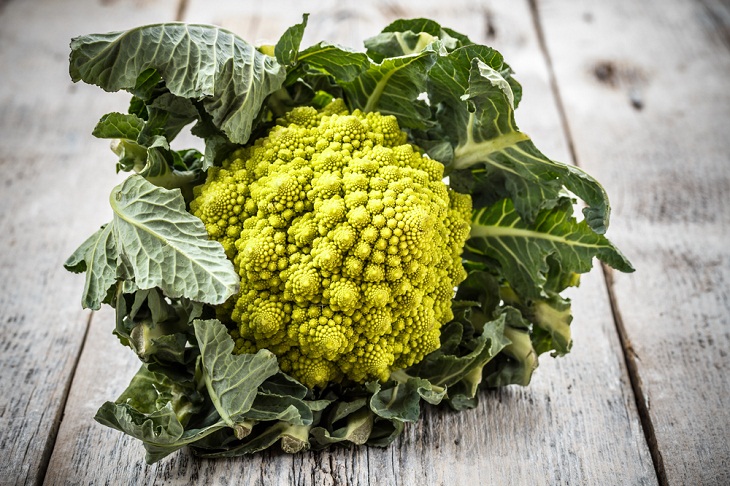
1. Romanesco

Romanesco
Belonging to the Brassica Oleracea family, which includes popular vegetables like cabbage, broccoli, cauliflower, kale, Brussels sprouts, and collard greens, Romanesco has a distinctive taste with hints of nuttiness and subtle sweetness. Its versatility allows for both raw and cooked consumption, opening doors to various culinary possibilities.

Research shows that brassica vegetables, including Romanesco, contain abundant polyphenol antioxidants and other valuable compounds. These components have been associated with potential anti-cancer properties and immune-enhancing effects. 
 
 
2. Oca
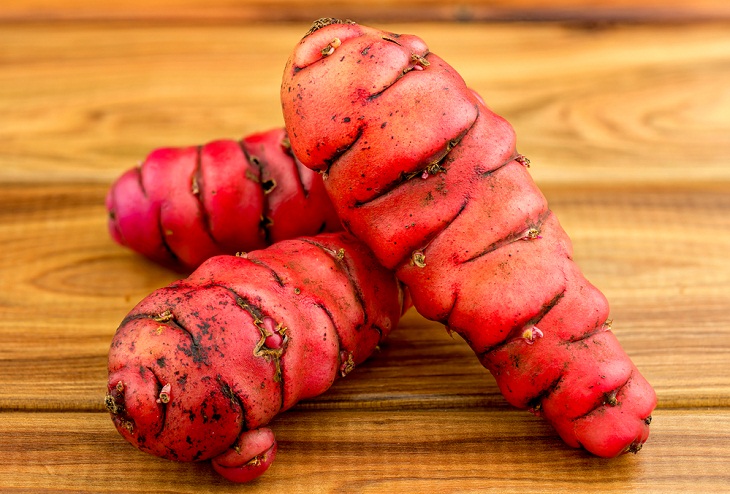
Oca

This peculiar root vegetable, known as oca, bears a striking resemblance to ginger, white turmeric, and potato. Oca is known by several names, including uqa, cubio, and New Zealand yam. 
 
 In New Zealand, oca has gained popularity as a staple food and is enjoyed in various preparations. Similar to potatoes, it tastes best when roasted, cooked, or grilled. In addition to being rich in vitamin C (66% of the daily value), oca is also beneficial in fighting infections and stabilizing immunity. Furthermore, it contains a significant amount of iron (up to 70% of the daily value) that contributes to the improvement of hemoglobin levels. 
 
 
3. Chayote
Chayote

Chayote, a vibrant green squash with a wrinkled exterior, belongs to the same botanical family as pumpkins and zucchini. It boasts a tender, edible skin, and mild white flesh, which is commonly cooked but can also be enjoyed raw.

Despite its low-calorie content, chayote is abundant in important vitamins and minerals. A mere cup (132 grams) of raw chayote contains 25 calories while providing more than 30% of the daily recommended value (DV) for folate—an essential B vitamin crucial for DNA synthesis and cellular functioning.
 
 
4. Celeriac
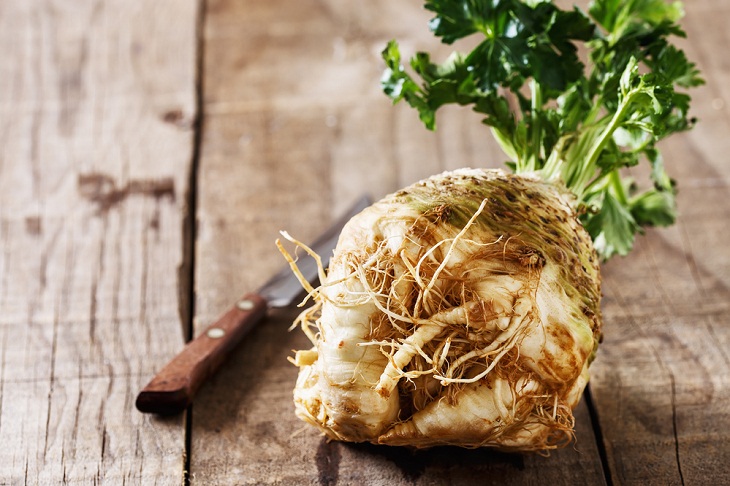
 Celeriac
 While many of us are aware of celery, its lesser-known relative, celeriac, may not be as familiar. Also known as celery root, knob celery, or turnip-rooted celery, celeriac belongs to the root vegetable family. Unlike celery, which is primarily consumed for its stalks, celeriac is grown for its edible stems and shoots. 
 
Hailing from the Mediterranean region, celeriac possesses robust flavors that resemble that of celery. This vegetable serves as a fantastic low-carb alternative to potatoes in soups and stews, while also offering the option of enjoying it raw. Celeriac also boasts a wealth of essential nutrients such as phosphorus, and potassium, as well as vitamins C and K, making it a valuable addition to a balanced diet.
 
 
5. Nopal Cactus
nopal
 
Native to Mexico, the nopal cactus is a unique plant with edible paddles known as nopales. Beyond their culinary value, nopals offer exceptional nutritional benefits and are famous for their ability to regulate blood sugar levels, promote wound healing, and lower cholesterol.

Nopal is a Spanish word for a member of the Opuntia family of cacti. It is also commonly known as a prickly pear. The edible nopal pads can be enjoyed both cooked and raw. They are widely used in Mexican cuisine, finding their way into a variety of dishes including salads, soups, and stews. Additionally, they can be blended into refreshing smoothies for a unique twist. 
 
 
6. Cassava
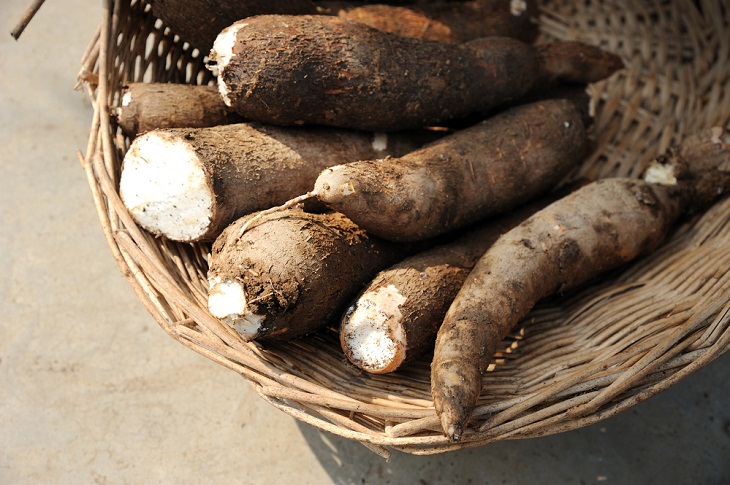
cassava
Cassava, also referred to as yuca or manioc, is a starchy root vegetable resembling a sweet potato in appearance but boasting a gentler and nuttier flavor. 
 
Typically prepared through methods such as mashing, frying, or roasting, cassava requires cooking to lower its cyanogenic glycoside content, which has the potential to affect thyroid function. 
 
Cassava is a staple food in developing countries and is rich in key nutrients such as vitamin C, various B vitamins, magnesium, potassium, manganese, and copper. Its drought-resistant nature further solidifies its significance in providing sustenance to communities in regions facing challenging environmental conditions. 
 
 
7. Purple Carrots
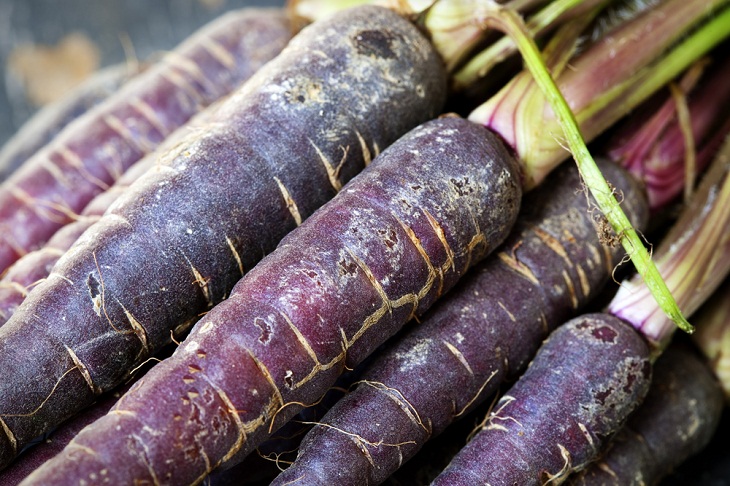
purple carrots
Although all types of carrots are highly nutritious, purple carrots are particularly rich in powerful antioxidants that can reduce inflammation in the body. They are packed with nutrients like fiber and potassium. Furthermore, similar to various other purple fruits and vegetables, these veggies have a formidable arsenal of antioxidants known as anthocyanins. These valuable compounds play a crucial role in safeguarding your body against oxidative stress, an imbalance that occurs when there is an excess of harmful reactive molecules known as free radicals and a deficiency of antioxidants within your system. 
 
Similar to their conventional orange counterparts, purple carrots are versatile in their culinary applications. They can be enjoyed in various ways, including raw, cooked, baked, or even blended.


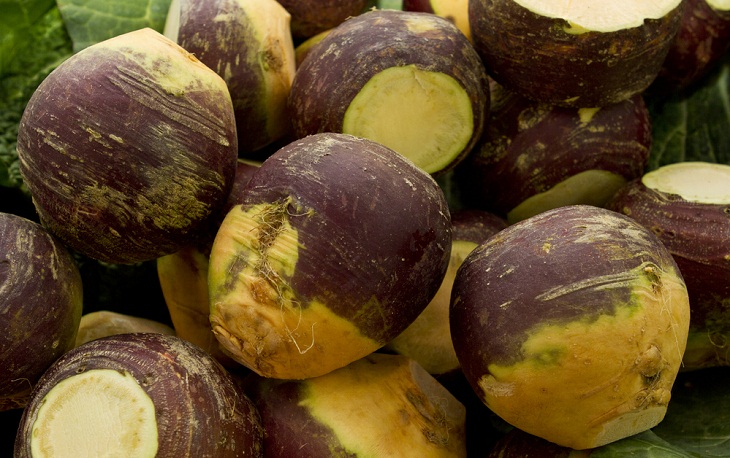
8. Rutabaga
rutabaga
Rutabagas, recognized by various names such as swedes, snaggers, or neeps, belong to the cruciferous vegetable family alongside kale, cauliflower, and cabbage. These vegetables are thought to be a hybrid of turnips and cabbage and closely resemble turnips. However, they have a rougher skin texture and a slightly milder taste.
 
Rutabagas possess a low-calorie content while being rich in key nutrients like fiber, vitamin C, phosphorus, potassium, manganese, and magnesium. They can be enjoyed raw or cooked. 
 
 
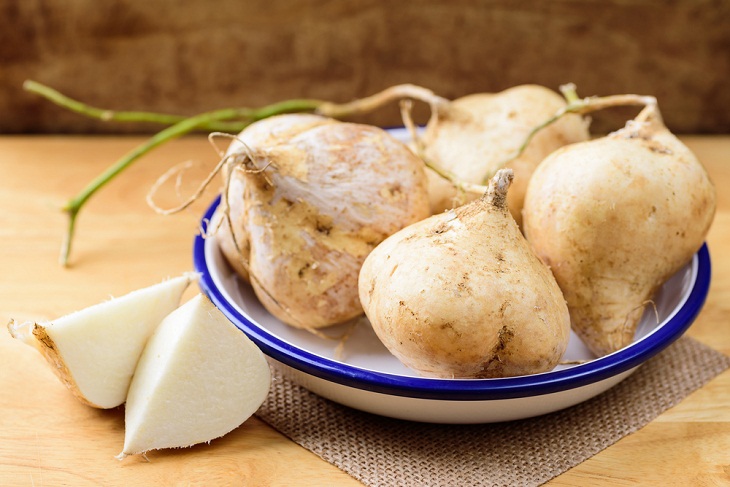
9. Jicama
jicama
Jicama, a root vegetable predominantly cultivated in tropical regions worldwide, bears a striking resemblance to the familiar potato in terms of appearance and texture. Derived from the Pachyrhizus erosus vine, this edible root, shaped like a turnip, has a delicate white flesh with a mildly sweet taste. 
 
Recognized by various names such as Mexican yam bean or Mexican turnip, this tuberous vegetable is chock-a-block with vitamin C. Furthermore, jicama is a fiber-rich gem, including the presence of inulin, a prebiotic that contributes to the well-being of your gut. 
 
Jicama lends itself well to various culinary applications as its skin can be easily peeled using a basic vegetable peeler, and its flesh remains crisp and unblemished even after cutting. This makes it an excellent choice for enhancing salads and platters. To fully capture the freshness of this versatile vegetable, it is recommended to employ quick-cooking techniques when integrating it into dishes. 


10. Fiddleheads
Fiddleheads

Fiddleheads, which are the curled fronds of the Fiddlehead fern, are highly sought after as a versatile vegetable. They offer a multitude of health benefits and are packed with an array of crucial nutrients and beneficial plant compounds like provitamin A, vitamin C, and manganese. The carotenoid pigments in these plants, such as lutein and beta carotene, have antioxidant and anti-inflammatory properties and may protect against various some cancers and eye diseases. 
 
Fiddleheads can be easily integrated into stir-fries, soups, and pasta. it is advised to boil or steam them before employing any other cooking technique. 
 
Their taste is similar to asparagus, but with a nuttier undertone.


This is only for your information, kindly take the advice of your doctor for medicines, exercises and so on.   

https://gscrochetdesigns.blogspot.com. one can see my crochet creations  
https://gseasyrecipes.blogspot.com. feel free to view for easy, simple and healthy recipes    
https://kneereplacement-stickclub.blogspot.com. for info on knee replacement
https://cancersupportindia.blogspot.com  for infor on cancer and health related topics
https://GSiyers home remedies.blogspot.com   is the latest addition to my blogs. I'm going to add posts there, do give me your valuable feed back on my blogs. Thanks a lot, take care, be healthy and be happy.

Labels: , , , , , , , , , , , , ,

Monday, December 20, 2021

10 Super Nutritious Root Veggies to Try Besides Potatoes

We don’t need to tell you that vegetables are good for your health. But not all veggies have to be green and leafy to be nutritious. Root vegetables, for instance, are super healthy too and should be a part of everyone’s diet. These vegetables are edible plants that grow underground. This means that they store vitamins, minerals, and other nutrients for the plant and are, hence, highly nutritious.

Another great benefit of root vegetables is that they are in season almost all year, even when other offerings are not widely available. Furthermore, they tend to have a longer shelf life compared to other fresh produce, according to data from the U.S. Department of Agriculture (USDA).
 
Potatoes, onions, and carrots are, of course, some of the most common root vegetables. There are many other root vegetables with distinct health benefits you can add to your diet.  
 
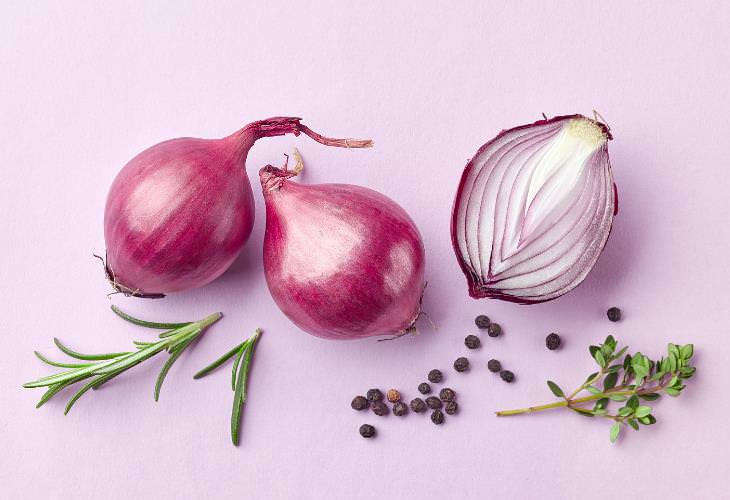
1. Onions
Healthy Root Vegetables, Onions
Nutrition: Onions come in a variety of sizes, colors, and shapes. The common types are red, yellow, and white onions. These vegetables are high in fiber, vitamin C, and antioxidants while being low in calories. Research shows that eating onions can have a positive effect on several aspects of one's health. 
 
Benefits: For example, one study found that consuming 100 grams of raw onions daily helped reduce blood sugar levels in people with diabetes. Other studies have discovered that onions may possess powerful anti-cancer properties. A 2015 review showed that eating allium vegetables like onions can decrease the risk of cancers of the stomach and gastrointestinal tract. As per the authors of the study, there are compounds called organosulfurs in onions that suppress tumor growth.  
 
How to Eat: Onions are easy to add to your meals. Add them to salads, scrambled eggs, soups, or rice dishes to get their benefits.  
 
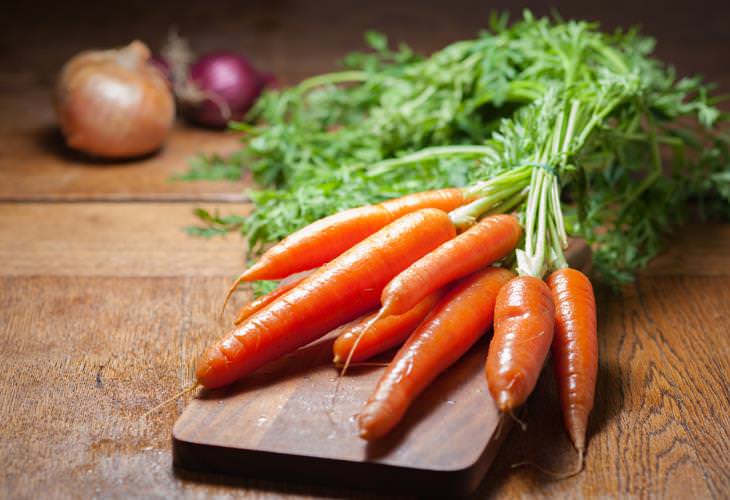
2. Carrots
Healthy Root Vegetables, . Carrots
Nutrition: Carrots are one of the most well-known root vegetables and are also incredibly nutritious. They contain plenty of fiber and micronutrients, including vitamin A in the form of the antioxidant beta-carotene.  
 
Benefits: Research indicates that eating carrots can lower cholesterol levels and improve antioxidant status in humans. Other studies also show that higher consumption of the antioxidant beta-carotene might lower the risk of breast, prostate, and stomach cancers. 
 
Furthermore, beta-carotene helps keep your eyes healthy and protects you from age-related degenerative eye diseases.  
 
How to Eat: Carrots can be easily eaten raw as a tasty nutritious snack. Alternatively, you can add sliced carrots to salads or smoothies.   
 
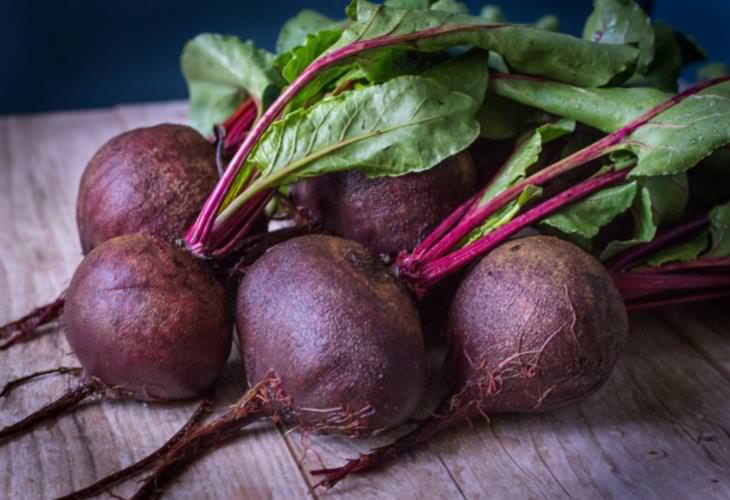
3. Beets
Healthy Root Vegetables, Beets
Nutrition: Beets are one of the healthiest root veggies. They are packed fiber, folate, vitamin C, potassium, and manganese, among other nutrients. They are also significantly high in nitrates - plant compounds that can help dilate blood vessels and help lower blood pressure. 
 
Benefits: According to studies, adding beets to your diet may help increase blood flow to your brain and boost exercise performance. Additionally, beets are rich in antioxidants like betalains, which reduce inflammation and help detoxify the body. 
 
How to Eat: Beets can be enjoyed raw or cooked. Add them to your salads during lunch or make beetroot juice in the morning to avail the full benefits of these great vegetables.
 
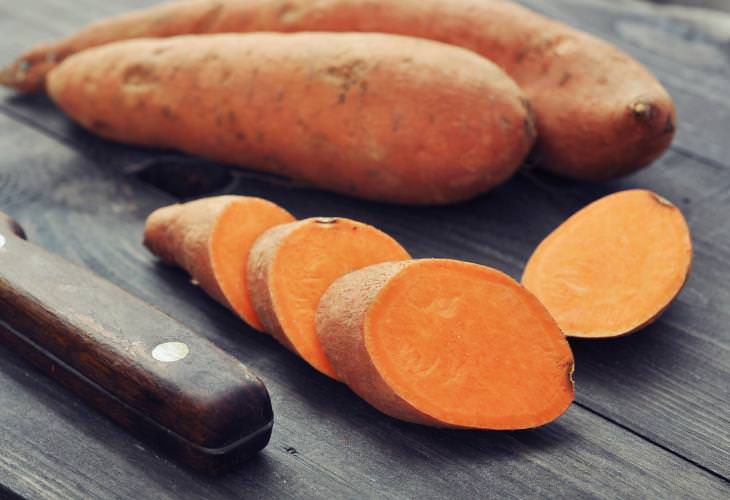
4. Sweet Potatoes
Healthy Root Vegetables, Sweet Potatoes
Nutrition: These delicious tubers are loaded with vitamin A, vitamin C, fiber, manganese, and beta-carotene. 
 
Benefits: A review of three studies showed that eating white sweet potatoes every day can improve blood sugar control in people with diabetes. Moreover, because of their vitamin A content, this vegetable can protect against vision loss, improve skin health, and also boost immune function. 
 
How to Eat: Sweet potatoes are incredibly versatile. They can be baked, boiled, or roasted, and also go well with side dishes like salads or sandwiches.

5. Jerusalem Artichokes
Healthy Root Vegetables,. Jerusalem Artichokes
Nutrition: Jerusalem artichokes are underrated root vegetables rich in iron, copper, magnesium, phosphorus, and potassium. They even provide vitamin C, a variety of B-vitamins, calcium, and a few other nutrients in small amounts. 
 
Benefits: Jerusalem artichokes are among the richest sources of prebiotic fiber. This fiber isn't digested by the body, but it can help the growth of good bacteria in the gut. While Jerusalem artichokes are high in natural sugars, these vegetables have a negligible effect on blood sugar levels. In fact, they have a lower glycemic index (GI) score than potatoes (from 53 to 111) and aren't fattening.  
 
How to Eat: Jerusalem artichokes have a slightly sweet earthy flavor and are light and crisp. Adding them to your salad will give them a delicious crunch. They can also be peeled, roasted, and mashed.

6. Turnips / salgam
Healthy Root Vegetables, Turnips
Nutrition: Turnips are delicious and are packed with fiber and vitamins K, A, C, E, B1, B3, B5, B6, B2, and folate, along with minerals like manganese, potassium, magnesium, iron, calcium, and copper.  
 
Benefits: A 100 gm serving of turnips contains 21 mg of vitamin C. Studies have shown that adding this vitamin to your diet can help boost your immunity and also reduce symptoms of respiratory infections like the common cold. 
 
Apart from that, these vegetables are also rich in glucosinolates - a group of bioactive plant compounds that can inhibit the development of hormone-sensitive cancers. Glucosinolates have also been shown to have liver-protecting effects.  
 
How to Eat: Turnips are easy to add to meals. Just slice them like apples to eat with dips or toss them into your salads.
 
7. Celeriac
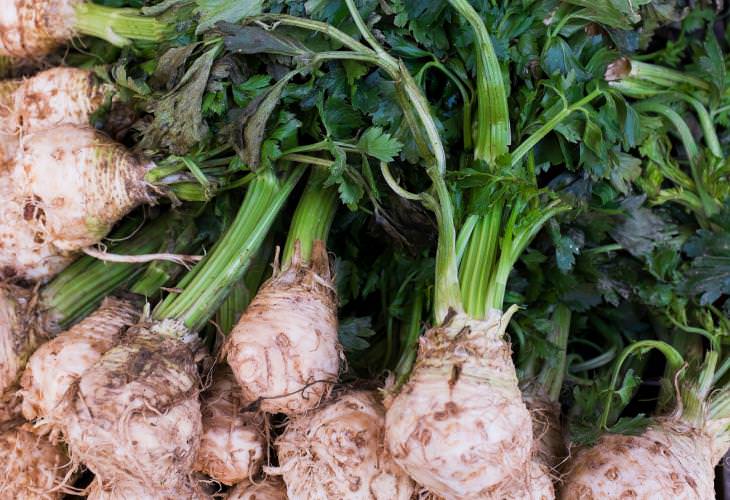
Healthy Root Vegetables, . Celeriac
Nutrition: Celeriac, also called celery root, is a great source of vitamin K, according to the USDA. It also contains vitamins B6 and C, along with phosphorus. 
 
Benefits: Vitamin K is essential for blood clotting and bone health, and a single one-cup (156-gram) serving of celeriac provides about 80% of the daily recommended value of this vitamin. It is also rich in fiber, which encourages healthy gut bacteria and helps keep the digestive system functioning smoothly. 
 
How to Eat: Celeriac has a nutty taste and crunchy texture, which makes it work perfectly well in salads. You can also add it to stews, soups, or roasted veggie medleys. 
 
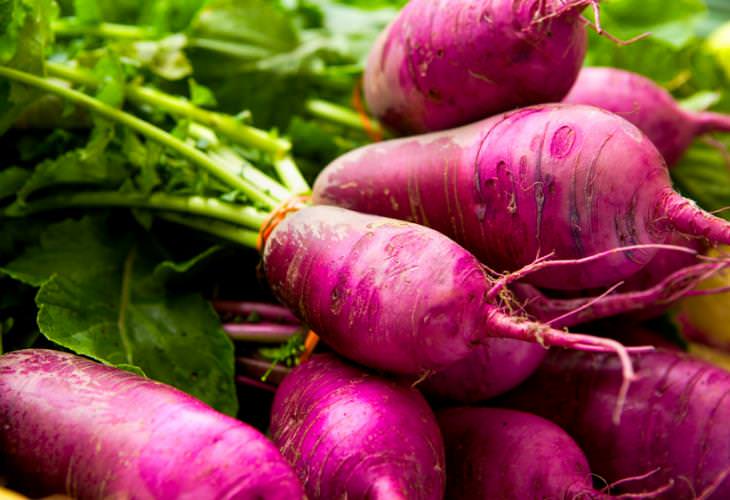
8. Radishes 
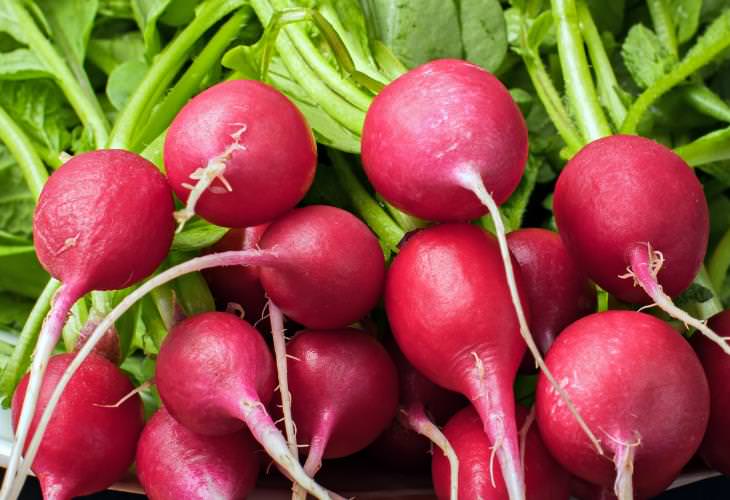
Healthy Root Vegetables,  Radishes
Nutrition: Radishes are low in calories and carbs but contain a decent dose of fiber and vitamin C. 
 
Benefits: Studies have shown that these vegetables have antifungal properties and can be effective against several types of fungal infections. There’s even evidence to suggest that the leaves of the radish plant can provide protection against stomach ulcers. Apart from this, they also contain natural nitrates that improve blood flow. 
 
How to Eat: Radishes come in colorful shades of red, pink and purple, and are great for adding a little nutritious crunch to your salads, sandwiches, or tacos. 
 
9. Garlic  Healthy Root Vegetables, . Garlic
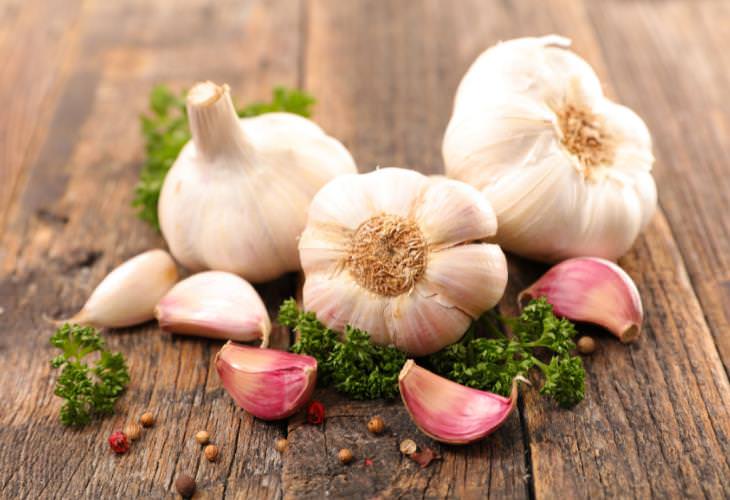
Nutrition: This flavorful bulb vegetable boasts an impressive nutrient profile. Each serving of garlic contains manganese, vitamin B6, and vitamin C, along with calcium and selenium. 
 
Benefits: Studies have found that garlic can significantly lower blood pressure, along with levels of total cholesterol and triglycerides. There’s also sufficient research to suggest that garlic can boost immune function and help prevent infections like the common cold. 
 
How to Eat: The best thing about garlic is its versatility. It adds a lot of flavor to dishes like soups, sauces, side dishes, and dressings. Just give it a crush with the side of your knife and then mix it with extra virgin olive oil. It can also be eaten raw, but be aware that it has a strong, pungent smell.

10. Parsnips 
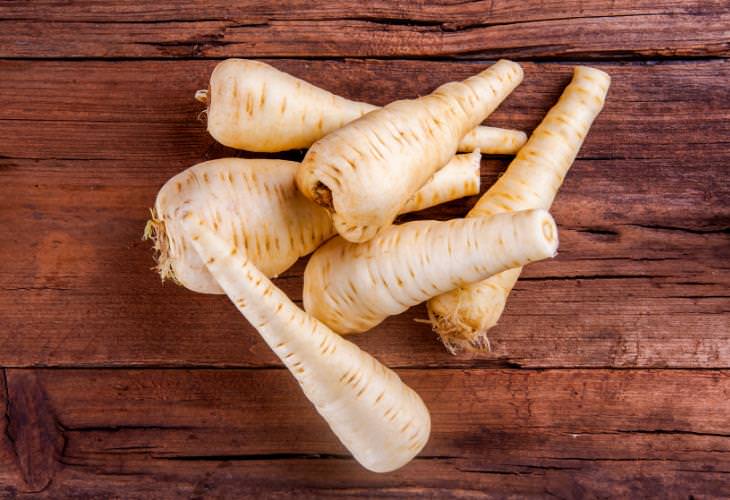
Healthy Root Vegetables, . Parsnips
Nutrition: Parsnips look like white carrots, but they are a member of the parsley family. They have a crunchier and fibrous texture and a sweet and mellow flavor. Parsnips are packed with vital nutrients, such as vitamin C, vitamin K, manganese, potassium, folate, zinc, copper, and magnesium.  
 
Benefits: Parsnips supply many antioxidants and are a great source of both soluble and insoluble fiber. According to some studies, increasing your fiber intake can help treat digestive conditions and intestinal ulcers. This root vegetable also has a high water content of about 79.5%, and studies show that water-rich foods can useful in decreasing one’s calorie intake and aiding weight loss.  
 
How to Eat: Parsnips can be eaten raw, but a tasty way to eat them is to roast them alongside a joint of meat. You can also mash parsnips and mix with lemon and herbs for a yummy, light meal. Another simple way to have them is by chopping and cooking them into stews and soups.
This is only for your information, kindly take the advice of your doctor for medicines, exercises and so on.   

https://gscrochetdesigns.blogspot.com. one can see my crochet creations  
https://gseasyrecipes.blogspot.com. feel free to view for easy, simple and healthy recipes    
https://kneereplacement-stickclub.blogspot.com. for info on knee replacement

Labels: , , , , , , , , , , , ,