Friday, July 25, 2025

15 Foods to Eat If You Have High Blood Pressure

High blood pressure is a common problem in today’s societies, especially where people are living a fast life, eating fast food and are always on the go. High blood pressure can be prevented with regular exercising and healthy eating, but if you already have a little bit higher level, it’s important to pay attention to your every day habits and keep your health from declining. We have gathered 15 foods which you should eat if you already have high blood pressure or you just want to do something for your own health.

1. Yoghurt

 A box of yoghurt contains the suggested daily amount of calcium and also a lot of magnesium. It’s a good idea to start your day with a yoghurt, maybe eat some fruits with it.

2.  Spinach

Green leafy vegetables, for example spinach or ruccola has a high amount of kalium, which is essential for keeping the balance of blood pressure.  

3. Salmon

Salmon is rich in omega-3-fatty acids, which helps to normalize blood pressure and also has a role in controlling the normal heart rate. 

4. Honey 

Paying attention to your blood pressure is hard if you also have problems with your blood sugar. Try eating honey instead of sugar, but be careful, it’s better, but still sugary and leads to obesity if you eat too much. 

5. White beans

 15 Foods to Eat If You Have High Blood Pressure

A plate of white beans contains enough magnesium, calcium and kalium for a day for an adult person. You can eat them in a soup, as a side dish or in salads also.

6. Blueberries

15 Foods to Eat If You Have High Blood Pressure 

Almost every kind of berries are good for your blood pressure because of the flavonoids they contain. Flavonoids can reduce high blood pressure, so don’t be afraid to eat them as snacks also.  

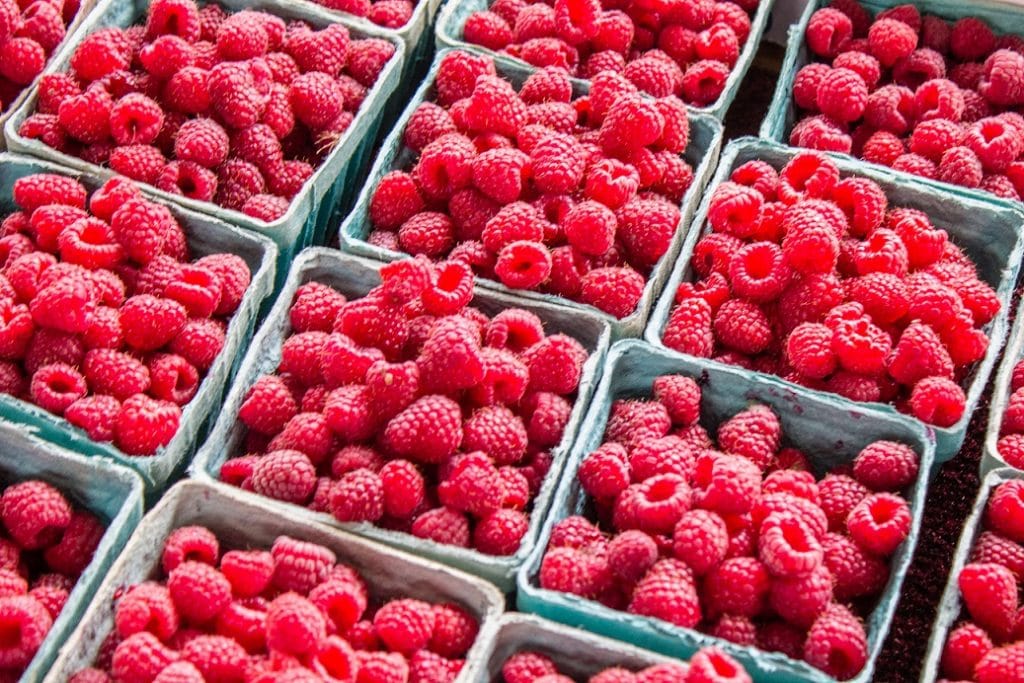
7. Raspberry
15 Foods to Eat If You Have High Blood Pressure 

Almost the same as blueberries but it’s also good for blood vessels because of the antioxidants it contains. Researchers have proved that eating red berries regularly can reduce high blood pressure.  

8. Potato

It might be surprising but potato is also good to reduce high blood pressure. We have discussed how important is the magnesium and kalium to keep a balanced blood pressure, and this vegetable happens to contain both.

9. Kale

15 Foods to Eat If You Have High Blood Pressure 

Kale, just like spinach and ruccola is a green leafy vegetable, therefore contains a lot of kalium, which is essential for our body to keep itself balanced. 

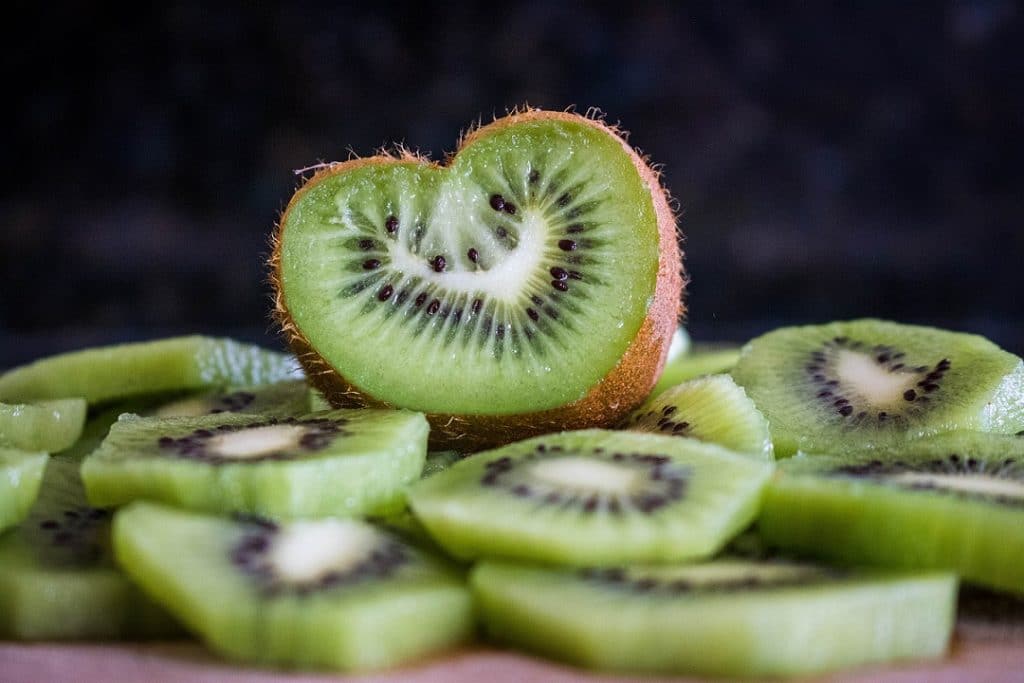
10. Kiwi
15 Foods to Eat If You Have High Blood Pressure 

Speaking about kalium, magnesium and calcium may became boring now but they are still the best things to eat if you want to keep your blood pressure in balance. 

11. Banana

Banana contains the biggest amount of kalium, therefore it’s really good to reduce high blood pressure. Perfect for a quick breakfast if you don’t have time to prepare complicated meals. 

12. Dark chocolate

You are sweet-toothed? No problem. Have you ever thought that dark chocolate is healthy? Of course, don’t eat too much because it will cause constipation, but it can reduce high blood pressure and it’s great against cardiovascular diseases. 

13. Beetroot

 Beetroot is quite divisive amongst everyone. You love it or you hate it. It contains nitrat which becomes nitrit and then nitrogen-oxid and it widens the blood vessels, therefore reduces blood pressure. Try eating it with some roasted meat, or as a side dish. 

14. Garlic

 Garlic is good for a lot of things, since it has antibacterial effect but it also contains allicin which can prevent high blood pressure. It doesn’t matter how you eat it; raw or prepared. Either way it’s healthy.

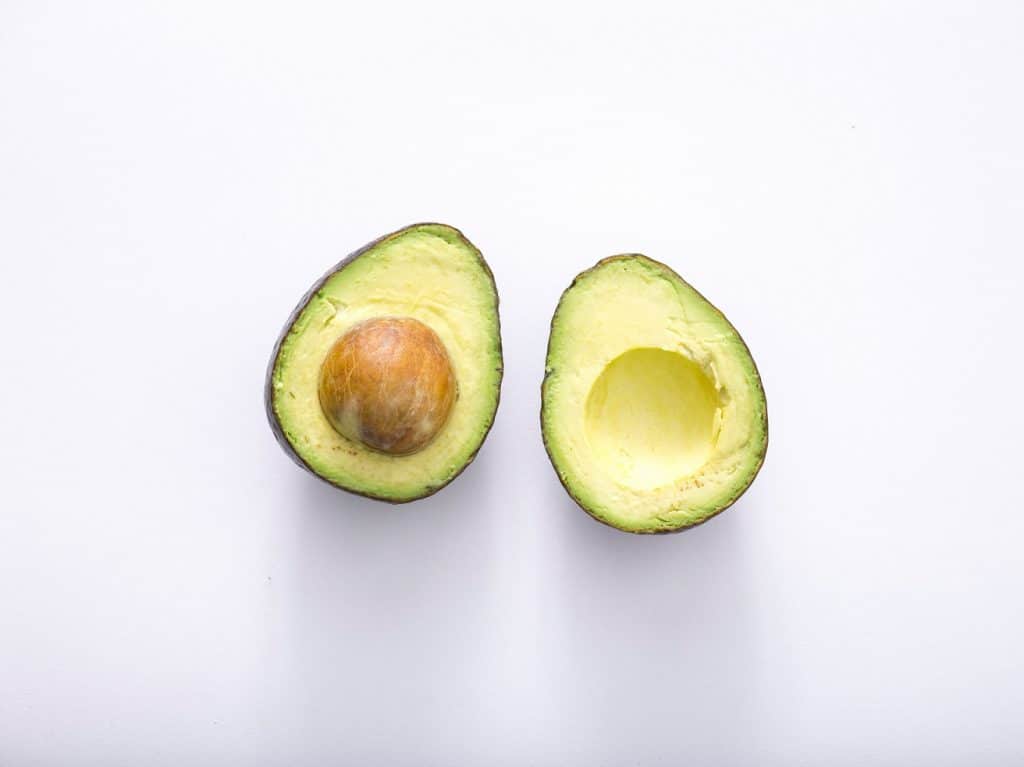
15. Avocado
 15 Foods to Eat If You Have High Blood Pressure

Avocado is the ultimate super-food nowadays, and not only because it’s popular. It contains a lot of good kind of fatty acids and a lot of vitamins also, and the best thing: magnesium, kalium and antioxidants. Perfect for your blood pressure. 


This is only for your information, kindly take the advice of your doctor for medicines, exercises and so on.   


Labels: , , , , , , , , , , , , ,

Saturday, March 07, 2020

All-Natural Tea Treatments for Common Ailments

To treat many common ailments with simple, natural ingredients that don’t have the risks of traditional over-the-counter and prescription medicine. 

Types of Tea
There are many varieties of tea, but here’s some information on the most common types:

Green tea has been used medicinally for thousands of years! It’s packed with antioxidants, has a powerful influence on cancer cells, helps to regulate blood sugar, promotes faster metabolism, is good for teeth and gums, can ease the symptoms of allergies, and can soothe arthritis pain.

Black tea has quite of few of the same benefits (antioxidants, regulating blood sugar, healthy digestion…) and the taste is much richer and darker. It’s a great replacement for morning coffee!

Herbal teas vary quite a bit, because each type of herbal tea is a different blend of flowers, fruits and herbs! While green and black teas have a lot of general health benefits, you can really pinpoint specific ailments with herbal teas.

When you’re picking out a tea, you can choose “loose leaf” tea or sachets. I prefer buying sachets, because the tea is measured, ready to go, and the blend has been crafted for me. You want to be sure to choose a good tea, especially if you’re drinking tea for it’s health benefits. Check the ingredients to make sure that you are just getting tea leaves, flowers and herbs. 

Brewing Tea
If you choose a loose leaf tea, measure out one teaspoon of dried tea per cup. You can use a tea pot, a special mug, an infuser! Each type of tea requires a different brewing time, so check the label .

If you prefer iced tea, brew your tea in about 1/3 cup of water, allow it to steep, and then pour the strong tea over a glass of ice. Add a lemon slice, some fresh mint, and enjoy!

Treating Specific Ailments
  • For an upset stomach or nausea, reach for ginger or peppermint
  • For stronger bones, go with dandelion tea.
  • For menstrual pain, choose raspberry leaf tea.
  • For stress, insomnia or anxiety; relax with lavender or chamomile.
  • For a stronger immune system, look for a tea with rosehips.
  • If you prefer to use essential oils, check out my previous post.
  • Stash some tea bags in your purse or backpack for a mini medicine cabinet that goes wherever you go. You only need to add boiling water to access their healing powers!

Labels: , , , , , , , , , , , , , ,

Saturday, November 30, 2019

14 Fantastic Natural Sources of Healthy Fiber!

You've probably heard of fiber, but you may not know exactly what it is and why it is important to get your daily dose.

Dietary fiber is best known for its ability to prevent or relieve constipation, but this naturally occurring nutrient has other health benefits as well, including lowering the risk of diabetes and heart disease and helping maintain a healthy weight. Fiber includes all the parts of plant foods that our body can't digest, which is it ironically helps get your digestion going.

There are two kinds of fiber: soluble, the kind that dissolves in water, and insoluble fiber, the type that promotes the movement of material through the digestive system. Most plant-based foods contain both soluble and insoluble fiber, although not in equal amounts, which means it is best to eat a variety of foods rich in fiber. In general, above the age of 50, men should consume 30 grams and women 21 grams of fiber each day. 


Here are the foods that will help you the most with your fiber dose, and you probably eat some of them every day!

 Apples
One medium-sized apple contains about 17 percent of the daily recommended value for fiber intake, about 4.4 grams. Apples also have less than 100 calories and are probably already a staple snack in your diet. Make sure to leave on the skin when you eat the apple, because it contains all of the fiber.


 Walnuts
 Only a handful of walnuts contains about 2 grams of fiber, 8 percent of your daily value, and has only 190 calories. Add walnuts to your morning yogurt or pack them as a healthy snack and you're good to go. Walnuts are also great additions to salad and deserts. 


Sweet Corn (Yellow)
 A favorite snack of the summer months. Each 6-inch ear of corn has 1.5 grams of fiber in it, and a 12 ounce can has nearly twice that! Eat sweet corn just as it is, or add it to your favorite dishes to get enough fiber in your diet


 Oatmeal
 A great way to start off the day, oatmeal is high in fiber and so good for you! Not only does 1 cup of oatmeal contain 16 percent of your daily value  and only 160 calories, oatmeal will also help lower cholesterol. You can eat oatmeal plain or add berries to up the fiber content even more!


 Lentils
 In a soup or as a side, lentils are one of the fiber-richest legumes. They are also great sources of protein, folate, vitamins and iron. Just a cup of lentils contains 63 percent of your daily amount of fiber. 


Artichokes
 Of course artichokes are good for you! One medium artichoke can provide you with nearly half of the daily recommended amount of fiber, along with a number of other nutrients. Artichokes are also very low in calories, with only 64 calories per medium-sized artichoke, so eat up!


 Broccoli
 This deep green vegetable is super rich in fiber, with one cup providing over two grams of fiber and 9 percent of the daily value. However, it is important to know that when the broccoli is steamed or cooked, it loses a good deal of its nutritional value and becomes more of a carbohydrate than anything else. So try to consume as much raw broccoli as possible, either in salads or as a snack. 


 Shredded Wheat Cereal
 Believe it or not, some breakfast cereals can be healthy! One cup of sugar-free shredded wheat cereal contains about 9 grams of fiber, 36 percent of your daily value. 


 Brussels Sprouts
 If you're not a fan of Brussels sprouts its ok to refrain from this one, but if you do like them or are willing to try, they are an excellent source of fiber and other nutrients. One cup of cooked Brussels sprouts contains about a quarter of the daily recommended value of fiber and are low in calories, only 65 per serving. 


 Bulgar Wheat
 The fiber-rich cousin of couscous, bulgur wheat is rich in both protein and fiber. One cup of cooked bulgur wheat contains 33 percent of the daily value of fiber, and can be eaten for breakfast, lunch and dinner depending what spices are added to it. 


 Brown Rice
 Brown rice is rich in insoluble fiber, which can help relieve constipation and help keep you regular. Add it as a side dish to your daily serving of protein and you will take care of nearly 14 percent of your daily value with only one cup. 


 Prunes
 Dry fruit is traditionally known as a quick source of fiber, but not the amounts you may have thought. About 6 dried prunes contain 3.6 grams of fiber, or 14 percent of the daily value, which is good, but not amazing. However, prunes are full of plenty of other nutrients that make them worthwhile for eating.  


 Navy Beans
 When it comes to fiber-rich fruits and vegetables, navy beans steal the show. With 19.1 grams of fiber in one cup of cooked beans, you will take care of 76 percent of your fiber intake in a flash!


 Raspberries
Who doesn't love red and sweet raspberries? Well, the good news is that these berries taste great and are an excellent source of fiber. One cup of raspberries contains nearly 32 percent of your daily value and can be enjoyed at any time of the day as a sweet, nourishing, and low calorie treat!


**REMEMBER – Drink enough water to get the most of your fiber intake!*


this is only for your information, kindly take the advice of your doctor for medicines, exercises and so on.     
https://gscrochetdesigns.blogspot.com. one can see my crochet creations  
https://gseasyrecipes.blogspot.com. feel free to view for easy, simple and healthy recipes    
https://kneereplacement-stickclub.blogspot.com. for info on knee replacement


Labels: , , , , , , , , , , , , , , ,

Saturday, August 24, 2019

Suffering from dengue fever? Eat these 5 foods to increase platelet count

Dengue fever has become a global menace today. India has been dealing with dengue outbreaks for a long time now. Bangladesh is grappling with a major epidemic and even the US has not been spared. In fact, it is endemic in more than 100 countries. It is also the cause of almost 50 million infections every year. This is a mosquitoes-borne infection that causes fever accompanied by severe joint and muscle pain, swollen lymph nodes, headache, fever, exhaustion and rashes all over the body. Dengue fever is dangerous because it brings down a person’s platelet count to fatal levels. Your body requires essential vitamins, minerals and protein for bone marrow health. This produces platelets. Hence a well-balanced diet full of essential nutrient will help a patient recover fast. We reveal a few foods that are full of nutrients. These foods will help to raise the platelet count of a dengue patient and help him recover at the earliest.

Vegetables: Spinach is rich in protein and vitamin K. Pumpkin contains amino acids and vitamins essential for platelet formation. Antioxidants in beet root prevent fall in platelet count due to effects of free radicals. These along with carrot, broccoli and watercress will stimulate your bone marrow to produce more platelets. These vegetables also have a cleansing effect on your body. It is best to have them raw or semi-cooked. But be sure to clean them thoroughly first.

Fruits: You must increase your intake of vitamin C and vitamin K to increase platelet count in your body. Together with citrus fruits like lemon, orange, kiwi and tangerines you must also eat strawberries, raspberries, tomatoes and currants. It will also detoxify your body.

Papaya leaves: These leaves are known to increase platelet count in the body. Just crush the papaya leaves and squeeze them to extract the juice. You may also boil the leaves in water and drink the solution. This is one of the best natural remedy for the treatment of dengue fever.

Aloe Vera: Aloe Vera is packed with calcium, magnesium, phosphorus, potassium, zinc, sodium, copper, and vitamins C, E, and B. It promotes platelet production.

 Green tea: This popular healing drink has a high content of polyphenols, which are very valuable anti-oxidant compounds with immunostimulatory effects. Their regular intake can favour platelet formation.

THIS IS ONLY FOR INFORMATION, ALWAYS CONSULT YOU PHYSICIAN BEFORE HAVING ANY PARTICULAR FOOD/ MEDICATION/EXERCISE/OTHER REMEDIES.                                    PS- THOSE INTERESTED IN RECIPES ARE FREE TO  VIEW MY BLOG-                                                                                           https://gseasyrecipes.blogspot.com/                                                                                                                                                FOR INFO ABOUT KNEE REPLACEMENT, YOU CAN VIEW MY BLOG-                                                                       https:// kneereplacement-stickclub.blogspot.com/                                                                                                                     FOR CROCHET DESIGNS                                                                                                   
                                https://gscrochetdesigns.blogspot.com

Labels: , , , , , , , , , , , , , ,

Wednesday, December 12, 2018

Benefits Of Eating A Rainbow Diet

When someone says "eat the rainbow," they're trying to explain, in a simplified way, that the color of your food can tell you a lot about its nutritional value, and eating a variety of colors is one sure method to get as many of those vitamins and minerals as possible (and eat a broad, diverse amount of food in the process.) The phrase is actually an oversimplification of a real issue. It's not difficult to get the vitamins and nutrients you need from a solid, balanced diet, but it can be difficult if you're a picky eater, or have children who don't exactly like to expand their horizons. In fact, much of the documentation we found that uses the phrase is aimed at parents helping children adopt a more healthful diet.
The people who should really consider paying attention to the color of their food are people who either don't get enough variation in their diet as-is, or people looking to expand their culinary horizons but also want to eat a nutritious diet. Eating the rainbow isn't really a ticket on its own from an unhealthy lifestyle to a healthy one, but it is a step in the right direction, especially considering the focus on fresh produce.

The Relationship Between Color and Nutritional Value

The key here is to note that certain colors of food indicate an abundance of specific nutrients. For example, yellow and orange fruits and vegetables (citrus fruits, gourds, for example) are abundant in vitamins C and A. Green fruits and veggies (kale, spinach, asparagus, avocado) are high in vitamins K, B, and E. Purple produce on the other hand (eggplant, red cabbage, grapes) are high in vitamins C and K. The reason you can tell these from looking is because plants often derive their colors from various phytochemicals found in them. Those chemicals then offer you different nutrients when they're eaten. That's the root of "eating the rainbow." In short, adding a variety of colorful produce to your diet is an easy way to get a lot of vitamins and minerals without putting in too much effort beyond selecting a bunch of colors.

When it comes to health and nutrition, it's important to remember that focusing on one thing—especially when it comes to vitamins and minerals—is generally a bad idea. For most people, as long as you eat a well-rounded, balanced diet, you'll get the nutrients you need, in a form that your body can use.  As we mentioned when we discussed why ther's so much confusion over nutrition,  an over-focus on "nutrients" and "vitamins" leads to nutritionism, or the over-focus on food being a collection of vitamins and nutrients, rather than a whole package that your body treats differently depending on how its eaten, prepared, or what you eat alongside it. It's easy to focus too closely on colors and nutrients and avoid the real goal—a balanced diet full of fresh, varied produce.

Red fruits and vegetables contain phytochemicals including lycopene and anthocyanins, the pigment responsible for their colour. These substances are only found in plants and have numerous health benefits.
1) reduces risk of certain cancers
2) reduces risk of diabetes
3) reduces risk of heart diseases and stroke
4) improves skin quality
5) lowers the risk of macular degeneration, an age-related condition which can impair vision
6) soaks up damaging free radicals

Foods
1)raspberries-  Red Raspberries contain strong antioxidants such as Vitamin C, quercetin and gallic acid that fight against cancer, heart and circulatory disease and age-related decline. They are high in ellagic acid, a known chemo-preventative, and have been shown to have anti-inflammatory properties. Eating whole raspberries is more beneficial than taking individual compound as dietary supplements.
2) red pepper- Adequate intake of potassium may reduce the risk of heart disease . Copper is often lacking in the Western diet, copper is an essential antioxidant trace element, important for strong bones and healthy neurons. Vitamin A: Red chili peppers are high in beta-carotene, which is converted into vitamin A in the body. High heat can damage some of the nutrients in it, best enjoyed as raw or cooked in low heat for a short time.
3)tomatoes- Tomatoes are the major dietary source of the antioxidant lycopene, which has been linked to many health benefits, including reduced risk of heart disease and cancer. They are also a great source of vitamin C, potassium, folate and vitamin K. Lycopene is more potent in cooked tomatoes and its products - sauces, soups or stews.
4) strawberries- choose smaller ones as they contain less water and more nutrition than the bigger ones. It has loads of fibre, antioxidants, potassium and manganese.
5)watermelon- continue to develop nutrients even after they're picked, so best stored at room temperature. It has high amount of water content, aids in weight loss. Relieves muscle soreness, lowers inflammation and oxidative stress. Improves heart health and prevents age-related macular degeneration.

Orange or yellow foods
most orange and yellow foods are packed with carotenoids , giving them their lively colour. Sunny coloured fruits and vegetables tend to contain an abundance of nutrients and fibre.
Benefits
1) protects the skin against sun and pollution
2) improves immune function
3) promotes eye health and improves vision
4) reduces risk of various cancers
5) lowers risk of heart diseases
6) promotes healthy joints

Foods
1)Oranges- eat the orange whole instead of drinking its juice.The pith, the white substance between the peel and flesh is rich in fibre. High in Vitamin C. Healthy immune system.Prevents skin damage. Keeps blood pressure under check. Lowers cholesterol. Controls blood sugar level. Lowers the risk of cancer.
2) Mangoes- they are rich in vitamins and minerals. However, due to high levels of fructose, it is best to consume them in moderation. It fights cancer. Mango fruits are antioxidants capsules for properties such as quercetin, isoquercitrin, astragalin, fisetin, and gallic acid. It takes care of the eye. It helps to promote brain health. It strengthens the immune system.It improves libido. It aids digestion.  It controls cholesterol.
3) Sweet potatoes- boil them with their skins, as it helps to retain the amount of Vitamin C in them. Sweet potatoes are a rich source of fibre as well as containing a good array of vitamins and minerals including iron, calcium, selenium, and they're a good source of most of our B vitamins and vitamin C. One of the key nutritional benefits of sweet potato is that they're high in an antioxidant known as beta-carotene, .
4) Carrots- those that are boiled whole contain 25 % more of cancer-fighting compounds falcarinol compared to when they're chopped before cooked. Carrots are rich in beta-carotene, which is converted into vitamin A in the liver. Vitamin A is transformed in the retina, to rhodopsin, a purple pigment necessary for night vision. Beta-carotene has also been shown to protect against macular degeneration and senile cataracts.
5) Lemons- squeeze a bit of lemon of spinach to get the maximum benefit of iron in them. Your body may benefit from lemon water.-It promotes hydration.It's a good source of vitamin C.It supports weight loss. It improves your skin quality. It aids digestion. It freshens breath.It helps prevent kidney stones.

Green
chlorophyll, the pigment that makes the plant green, is loaded with antioxidant that promotes well-being. Green foods are also packed with phytonutrients and are a good source of fibre.
Benefits
1) aids tissue healing
2) detoxifies the body
3)provides digestive enzymes
4) restores energy and increases vitality
5) reduces risk of cancer
6) boosts the immune system

Foods
1) Broccoli- its leaves are perfectly edible and contain concentrated amounts of nutrients. Good source of vitamins A,C and K. It also contains phosphorus, zinc and vitamins A and C, which are necessary for healthy bones as well
2) Kiwi- if you're making a fruit salad, add the kiwis last. They contain enzymes that act as food tenderisers and make the other foods soft. Rich in Vitamin C, dietary fibre, aids digestion, folate and helps to maintain healthy skin.
3) Spinach- the best way to cook it is to steam, rather than boiling, to preserve its nutrients. When you blanch spinach, it  not only retains the colour, but also the nutrients. Spinach also contains several other vitamins and minerals, such as potassium, magnesium, and vitamins B6, B9 and E. Bottom Line: Spinach is an extremely nutrient-rich vegetable. It contains high amounts of carotenoids, vitamin C, vitamin K, folic acid, iron and calcium.
4) Zucchini- spiralised zucchini is an excellent alternative to pasta. It is high in water and fiber. It also contains significant amounts of vitamins B6, riboflavin, folate, C, and K, and minerals, like potassium and manganese. The summer squash also contains antioxidant and anti-inflammatory phytonutrients.
5) Lettuce- in stead of bread wraps, try wrapping your food in lettuce leaves !Although it's low in fiber, it has a high water content, making it a refreshing choice during hot weather. It also provides calcium, potassium, vitamin C, and folate. The nutrients in iceberg lettuce can help you to meet the standard daily requirements for several vitamins and minerals.

Blue/ purple foods
These foods are loaded with anthocyanins and resveratrol , responsible for their deep colour and many of their nutrients. These foods possess anti-ageing, anti-inflammatory and disease oreventing properties.
Benefits
1) promotes longevity
2) reduces risk of Alzheimer's
3) boosts memory
4) protects cell from damage
5) reduces risk and slows the progression of cancer
6) helps fight inflammation

Foods
1) Blueberries- they're best eaten raw, as valuable nutrients are lost when exposed to temperature above 175 deg. C or 350 deg. F. It is rich in vitamins C and K, boosts brain health. It is high in manganese, helps oral health.
2) Purple cabbage- when sauteed , tastes great and allows for concentrated nutrition retention. Rich in vitamins C and K, anti-inflammatory and antioxidants among others.
3) Plums- To get the maximum benefit from them, eat them raw.  They are rich in Vitamins A, C and K, potassium, copper, manganese and fibre.
4) Brinjal / eggplant- much of the nutrition is in the skin, so best cook with its skin. They're also rich in iron. Brinjal contain flavonoids, such as anthocyanins. Anthocyanins are water-soluble pigments that have many health benefits. they're rich in antioxidants, potassium and magnesium.
5) Blackberries- its health benefits are extensive, but they should be consumed in moderation, as they're high in fructose. Rich source of vitamins A,C,E and many B vitamins also. Good source of calcium, potassium and magnesium. . They are also a rich source of anthocyanins, powerful antioxidants that give blackberries their deep purple colour.

White
Although not technically a colour of the rainbow, white plants promote a range of health benefits and they should become a part of our daily diet.Coloured by anthoxanthins, they also contain beneficial phytonutrients- allicin and quercetin.
Benefits
1) protects against cancer
2) keeps bones strong
3) lowers the risk of heart diseases
4) lowers cholesterol
5) reduces  inflammation
6) helps balance hormones

Foods
1) Bananas- are full of potassium, fibre, gives instant energy, helps to lower blood pressure. This is one of the easiest fruit to eat, as one can just peel and eat. Bananas are rich in Vitamins B6 and C, manganese, protein and folate.
2) cauliflower- it is known that if you boil for 3 minutes, more nutrients are lost than steaming for 10 minutes !It has loads of antioxidant, aids in weight loss, high in fibre and choline. It can be substituted for a pizza base, or bread base !
3) Garlic- it has anti-cancer, anti-bacterial ( allicin), anti-viral, anti-fungal properties. Lowers blood pressure and cholesterol. Lowers the risk of heart diseases, helps to recover from cold and cough.
4) Potatoes- carbohydrates, good source of potassium, fibre, magnesium, Vitamins C and B 6, resistant starch and antioxidants. To get the maximum benefit of healthy resistant starch, allow potatoes to completely cool down after boiling. It is good to eat them with the skin, as most nutrients are there.
5) Onion- Though both potatoes and onion are used together in many dishes, it is advised to store them separately, as they tend to spoil faster when stored together. Onions have  antihistamine effects due to quercetin- hence good for asthma, an antioxidant that acts like an antihistamine and an anti-inflammatory agent. It has anti-cancer properties, good for diabetics and heart patients. If you want fever and cold to kept at bay , at the very first symptom of fever/ cold, peel and cut an onion into big pieces, put them in a small bowl and keep it next to you. At first, eyes may burn, soon, it will be fine. Don't touch the onion for 5 days, you may see at times it turns black, that means it has absorbed all the bacteria, so without touching it, dump it in the bin. It makes an excellent cough syrup when used with honey ! want to know how, message me !

THIS IS ONLY FOR INFORMATION, ALWAYS CONSULT YOU PHYSICIAN BEFORE HAVING ANY PARTICULAR FOOD/ MEDICATION/EXERCISE/OTHER REMEDIES.                                                                                                                                                                                                                                                                                        PS- THOSE INTERESTED IN RECIPES ARE FREE TO  VIEW MY BLOG-                                                                                           https://gseasyrecipes.blogspot.com/                                                                                                                                                                             FOR INFO ABOUT KNEE REPLACEMENT, YOU CAN VIEW MY BLOG-                                                                                                                             https:// kneereplacement-stickclub.blogspot.com/                                                                                       FOR CROCHET DESIGNS                                                                                                                                                                                                                                 https://gscrochetdesigns.blogspot.com  

Labels: , , , , , , , , , , , , , , , , , , ,