Thursday, September 19, 2019

Natural Remedies for Treating Dengue Fever


Dengue fever is on the rise, thanks to the hot and humid weather conditions. Dengue fever is one of the worst viral infections that affect millions of people every year. At times, it becomes difficult to decide whether you have dengue or viral fever and deteriorates your health. The fact that there is no medical treatment for the disease makes the scenario worst. However, there are certain remedies that you can follow which will help you prevent as well as cure dengue fever. With the instances of dengue fever on the rise, we provide some basic information and home remedies that you can follow in case you contact the virus by any chance. Read on.

Warning Signs of Dengue Fever

Also known as “breakbone fever”, a patient may display the warning signs of dengue fever. Approximately 80% of the people who contact the disease show mild symptoms and only 5 % show severe symptoms of dengue and 1% cases may prove to be fatal. Dengue hemorrhagic fever and dengue shock are the two serious types of fever that may prove to be fatal. During dengue hemorrhagic fever, patients face bleeding and severe decline in their platelet count. Dengue shock results in plunging of blood pressure which can prove to be fatal.
With a decrease in temperature, there are certain other symptoms of dengue fever, which include:
  • Severe abdominal pain
  • Rapid breathing
  • High fever
  • Persistent vomiting
  • Restlessness
  • Lethargy
  • Liver enlargement
Fluid accumulation

Natural Remedies for Dengue Fever

Irrespective of the type of dengue fever you contact, there is no medical remedy and you need to resort to home remedies. Here are some of the popular and effective home remedies you can follow in case of dengue fever.

Drink sufficient Water

drinking water
Excessive sweating, exertion during dengue fever can lead to extreme dehydration. As a result, ensure that you take a lot of fluids and stay well hydrated. Drink water at frequent intervals to keep your body well hydrated. Staying hydrated also reduces the symptoms of headaches, as well as muscle cramps. When you have dengue fever, the toxins in your body complicate the impact of the viral pathogens. Water also helps in flushing out these excess toxins from your body to help you recover.

Juice of Papaya Leaves
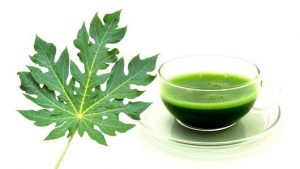
papaya leaves
Another very effective remedy is drinking papaya leaf juice. Papaya leaves are known to be the natural cure for dengue fever. The leaves have a mix of nutrients and organic compounds which help in increasing your platelet count. Papaya leaves also have a high level of vitamin C which stimulate the immune system whereas the antioxidants help in reducing the stress and remove toxins from the body. All you need to do is crush the leaves and stain the juice from the crushed leaves.

Chew Basil Leaves
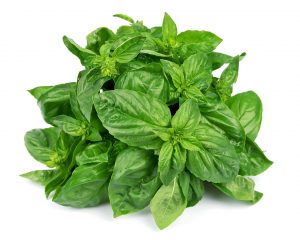
Basil Leaves
Basil leaves are miraculous herbs that not only help during dengue fever, but also improve your overall immunity. Chewing 5-6 basil leaves boosts your immunity and has been recommended as an effective Ayurvedic treatment for dengue fever. Basil leaves have essential oils with natural insecticidal properties which keep mosquitoes at bay.

Neem Leaves

Neem leaves have medicinal properties, which is the reason why they are recommended for a variety of ailments. Steep neem leaves and drink the brew to increase platelet and white blood cell count. Properly brewed neem leaves also improve the immune system if suffering from dengue.

Orange Juice

Orange juice
Oranges are rich in antioxidants and vitamins which help in treating the secondary symptoms of dengue. Orange juice also helps in eliminating dengue virus. The miraculous drink promotes antibodies in the immune system, increases urination, thereby releasing toxins from the body. Orange juice also repairs your body cells as it has Vitamin C which is crucial in creating collagen.

Last Few Words

In most of the cases, dengue fever is not fatal, however, it can aggravate rapidly. Consult a doctor and keep a constant check on your platelet level. Keep bottled water handy whenever you go out. 

this is only for your information, kindly take the advice of your doctor for medicines, exercises and so on.   
https://gscrochetdesigns.blogspot.com. one can see my crochet creations 
https://gseasyrecipes.blogspot.com. feel free to view for easy, simple and healthy recipes    
https://kneereplacement-stickclub.blogspot.com. for info on knee replacement


Labels: , , , , , , , , , , , , , , ,

Saturday, August 24, 2019

Suffering from dengue fever? Eat these 5 foods to increase platelet count

Dengue fever has become a global menace today. India has been dealing with dengue outbreaks for a long time now. Bangladesh is grappling with a major epidemic and even the US has not been spared. In fact, it is endemic in more than 100 countries. It is also the cause of almost 50 million infections every year. This is a mosquitoes-borne infection that causes fever accompanied by severe joint and muscle pain, swollen lymph nodes, headache, fever, exhaustion and rashes all over the body. Dengue fever is dangerous because it brings down a person’s platelet count to fatal levels. Your body requires essential vitamins, minerals and protein for bone marrow health. This produces platelets. Hence a well-balanced diet full of essential nutrient will help a patient recover fast. We reveal a few foods that are full of nutrients. These foods will help to raise the platelet count of a dengue patient and help him recover at the earliest.

Vegetables: Spinach is rich in protein and vitamin K. Pumpkin contains amino acids and vitamins essential for platelet formation. Antioxidants in beet root prevent fall in platelet count due to effects of free radicals. These along with carrot, broccoli and watercress will stimulate your bone marrow to produce more platelets. These vegetables also have a cleansing effect on your body. It is best to have them raw or semi-cooked. But be sure to clean them thoroughly first.

Fruits: You must increase your intake of vitamin C and vitamin K to increase platelet count in your body. Together with citrus fruits like lemon, orange, kiwi and tangerines you must also eat strawberries, raspberries, tomatoes and currants. It will also detoxify your body.

Papaya leaves: These leaves are known to increase platelet count in the body. Just crush the papaya leaves and squeeze them to extract the juice. You may also boil the leaves in water and drink the solution. This is one of the best natural remedy for the treatment of dengue fever.

Aloe Vera: Aloe Vera is packed with calcium, magnesium, phosphorus, potassium, zinc, sodium, copper, and vitamins C, E, and B. It promotes platelet production.

 Green tea: This popular healing drink has a high content of polyphenols, which are very valuable anti-oxidant compounds with immunostimulatory effects. Their regular intake can favour platelet formation.

THIS IS ONLY FOR INFORMATION, ALWAYS CONSULT YOU PHYSICIAN BEFORE HAVING ANY PARTICULAR FOOD/ MEDICATION/EXERCISE/OTHER REMEDIES.                                    PS- THOSE INTERESTED IN RECIPES ARE FREE TO  VIEW MY BLOG-                                                                                           https://gseasyrecipes.blogspot.com/                                                                                                                                                FOR INFO ABOUT KNEE REPLACEMENT, YOU CAN VIEW MY BLOG-                                                                       https:// kneereplacement-stickclub.blogspot.com/                                                                                                                     FOR CROCHET DESIGNS                                                                                                   
                                https://gscrochetdesigns.blogspot.com

Labels: , , , , , , , , , , , , , ,

Thursday, December 13, 2018

Normal & Abnormal Complete Blood Count Levels

A complete blood count (CBC) is a blood test which you can have performed in order to check the levels of different kinds of cells in your blood. Such a test includes measurements of white blood cells, red blood cells, and platelets. This test may be performed for quite a number of reasons and can help you make sense of certain symptoms or to diagnose a disease.
What Info Does a CBC Provide?
White blood cell count (WBC) - White blood cells (WBCs) protect our bodies from inner hostility by recognizing viruses, bacteria, and cancer cells, and marking them to be destroyed. A CBC will give you information about the levels of all types of white blood cells. The total white blood cell count should normally be between 4,500-10.000 cells/mcL.
Red blood cell count (RBC) - Red blood cells (RBCs) are used by our bodies to provide oxygen to all of the other cells, and a CBC can tell you how effectively they are working. The standard levels for red blood cells are normally:
• RBC count - 4.7-6.1 million cells/mcL for men, 4.2-5.4 million cells /mcL for women
• Hemoglobin - 13.8-17.2 grams/dL for men, 12.1-15.1 grams/dL for women
• Hematocrit - 40.7-50.3 percent for men, 36.1-44.3 percent for women
• MCHC - 32-36 gm/dL
• MCV (mean corpuscular volume) - 80-95 femtoliter
• MCH - 27-31 pg/cell
Platelet count - Platelets are responsible for creating clots to prevent you from bleeding out when you get injured and are responsible for the formation of scabs. A normal platelet count is between 150,000-400,000/dL.
Atypical Levels and Cancer Treatments
There are a vast number of reasons why your doctor may suggest you get a CBC. When it comes to cancer, a CBC is often taken at the time of diagnosis, and a number of other times during treatment. While chemotherapy interferes with cell division in cancer cells, it can also affect rapidly dividing cells in your bone marrow, unfortunately. That's why atypical blood cell levels during chemotherapy are known as bone marrow suppression. 

A low level of white blood cells during chemo is typically known as chemotherapy-induced neutropenia. Neutrophils are only a single kind of white blood cell, but they are often the ones responsible for predisposing someone to disease when numbers are low due to chemo.
Low red blood cell levels during chemo is known as chemotherapy-induced anemia. It can happen due to loss of blood from surgery or from the effect of chemo on red blood cell production in the bone marrow.

A low level of platelets during chemo is known as chemotherapy-induced thrombocytopenia. Platelet levels might also be low while treatment is ongoing due to bleeding from surgical intervention.

THIS IS ONLY FOR INFORMATION, ALWAYS CONSULT YOU PHYSICIAN BEFORE HAVING ANY PARTICULAR FOOD/ MEDICATION/EXERCISE/OTHER REMEDIES.                                                                                                                                                                                                                                                                                        PS- THOSE INTERESTED IN RECIPES ARE FREE TO  VIEW MY BLOG-                                                                                           https://gseasyrecipes.blogspot.com/                                                                                                                                                                             FOR INFO ABOUT KNEE REPLACEMENT, YOU CAN VIEW MY BLOG-                                                                                                                             https:// kneereplacement-stickclub.blogspot.com/                                                                                       FOR CROCHET DESIGNS                                                                                                                                                                                                                                 https://gscrochetdesigns.blogspot.com      

Labels: , , , , , , , , ,

Thursday, May 01, 2014

Can papaya leaves help cure dengue?

One such, much talked about remedy is the use of papaya leaf juice to heal the body ravaged by dengue. While some people claim that it is simply a belief, others swear by the remedy. So, what is the truth? In this post we demystify the clutter.
 
Truth or hoax?
While some people say that it is simply a hoax, there might be some truth to papaya leaf juice’s claim to fame after all. A number of scientific papers have proved that papaya leaf juice is actually beneficial for the body. One of the first papers to talk about the benefits of the papaya leaf juice was studied by Dr Nam Dang at the University of Florida, research center . He found that the papaya leaf juice was capable of fighting cancer, was non toxic to the body and had the capability to improve one’s immunity. While the plant’s leaf is well known for its curative properties in diseases like malaria and cancer, Dr Sanath Hettige, a general physician in Sri Lanka, found that the juice of young leaves can be used to treat dengue. His paper was published in the Sri Lankan Journal of Family Physicians in 2008

How does it work?
Papaya leaves are known to be packed with the enzymes like chymopapin and papain that, according to Dr Sanath Hettige, normalise the platelet count, improves the clotting factor (helps the blood clot normally), improves one’s liver function and repairs the damage to the liver done by dengue, therefore helping an ailing person recover from the disease.

How to use the papaya leaf?
The  young leaves from a fruit bearing papaya plant should be used. According to Dr Hettige, the leaves of the Red Lady papaya plant (found commonly in India) are more effective. The important fact is that one should choose leaves that are not too old, neither too young. Now, take only the leafy part and not the stalk and wash them well with water. Crush the leaves using a wooden mortar and pestle without any additives like water, salt or sugar. Once they are crushed, squeeze out the juice with clean hands and drink it two times a day. Do not add any salt or sugar to the drink. According to Dr Hettige,  an adult should have 10 ml of the juice twice a day (or at eight hour intervals), children between the age of five and 12 should have 5 ml of the juice twice a day and those below 10 years of age should be given 2.5ml of the juice. 

At what stage should a patient ideally have the juice?
According to Dr Sanath, it is best the patient start having the juice as early as possible. This means that when they notice the first symptoms of dengue fever (when their platelets show a decline in numbers below 150000 cu mm or when the packed cell volume goes above 10%). It is also beneficial at later stages, but if the condition has progressed and has led to organ failure, the juice is not very effective. 

This article is only about a home remedy, although it has been certified by a doctor, it is best one visit a physician at the earliest in the case of dengue.


PS- THIS IS ONLY FOR INFORMATION, ALWAYS CONSULT YOU PHYSICIAN BEFORE HAVING ANY PARTICULAR FOOD/ MEDICATION/EXERCISE/OTHER REMEDIES.
PS- THOSE INTERESTED IN RECIPES ARE FREE TO VIEW MY BLOG-
HTTP:GSEASYRECIPES.BLOGSPOT.COM/
FOR INFO ABOUT KNEE REPLACEMENT, YOU CAN VIEW MY BLOG-
HTTP://KNEE REPLACEMENT-STICK CLUB.BLOGSPOT.COM/

FOR CROCHET DESIGNS


HTTP://MY CROCHET CREATIONS.BLOGSPOT.COM

Labels: , , , , , , , , , , , , , , ,