Monday, November 18, 2024

6 Health Symptoms Your Ears Want You to Be Aware Of

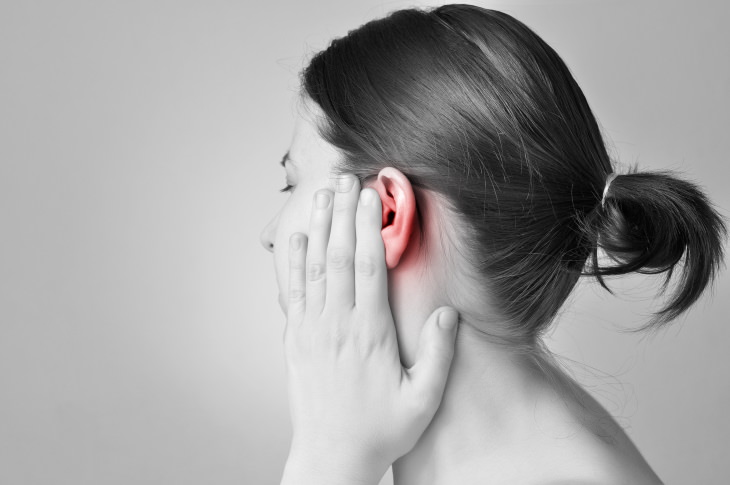
To think that our ears are capable of doing more than hearing seems hard to believe. But the ears are in fact responsible for other major tasks too. For example, they regulate balance and send info about your head position to your brain. In addition, everything about your ears, including the wax they produce, can potentially provide clues about the state of your general health. Here are 6 things your ears may be trying to tell you: 
 
1. You have diabetes - or are at risk of developing it

In the US, hearing loss is the third most common health problem. But, it can also be a symptom of various systemic diseases like diabetes. In fact, a 2008 study funded by the National Institutes of Health found that hearing loss is twice as common among people who have diabetes. Pre-diabetic adults (whose blood glucose levels are above-normal) had a 30% higher rate of hearing loss than people with normal blood sugar levels. The link between hearing loss and diabetes is not yet known, but it may have something to do with blood sugar supply to the inner ear, which can be compromised in diabetics. Furthermore, metabolic changes that occur in diabetics can be toxic to the inner ear particularly when the disease isn't well-managed.

2. Your arteries may be clogged 
Next time you're in front of the mirror check your earlobes. Are they smooth and unwrinkled? Then you don't need to be concerned. If however you spot a diagonal crease, it might be worth bringing the subject matter up with your doctor, as this could be an indicator of heart disease. In fact, in a 2012 study, conducted at Cedars-Sinai Medical Center in Los Angeles and published in The American Journal of Cardiology, found that subjects with a diagonal earlobe crease were more likely to show signs of heart disease in comparison to those with wrinkle-free earlobes. Nevertheless, some doctors are skeptical about this. Still, it doesn't hurt to look into it. 
 
 
3. You may need to visit your dentist
If you tend to experience ear pain often, the problem may actually be caused by a jaw problem. In fact frequent ear pain is often misdiagnosed. One frequent culprit is a disorder of the temporomandibular joint, or TMJ, which connects your jaw to the bones that sit in front of each ear. This condition may trigger ear pain when you chew, talk or open your mouth wide. So, if you continue to experience ear pain, but get a clean bill of health from your ENT, you might want to book an appointment with your dentist. 
 
4. You're suffering from anxiety, high blood pressure, or rarely a brain tumor 
Ringing in the ears is a condition known as tinnitus, which can be a symptom of almost 200 different problems. Symptoms may vary from anxiety and depression to hypertension. It may also occur after you have attended a particularly loud concert. Consequently, the symptom by itself is no cause for concern. In rare cases, tinnitus can indicate a benign brain tumor known as an acoustic neuroma, which grows on the nerve, affecting hearing. If tinnitus occurs for a short time, you need not worry. See your doctor if it persists for a couple of months though.


5. You're struggling with allergies
Allergy symptoms are usually flagged when your eyes start to water or you get a runny nose. Nevertheless, you should pay attention to your ears too. If they itch, swell or feel clogged, it may mean that something is not agreeing with you. When you nose gets congested, it affects the functionality of the Eustachian tube that connects your nose to your ears, leading to a sensation of clogged ears. Using a humidifier, popping decongestants and drinking lots of fluids should help ease nasal congestion, relieving that muffled-ear feeling. 
 
6. You are predisposed to certain illnesses 
Earwax acts as a lubricant and antibacterial shield that prevents things from getting into your ear. Still, there may be a correlation with earwax and different diseases. In fact, the DNA of some illnesses, like hepatitis, may show up in earwax. Your earwax consistency may also be a predictor of disease. In 2009, a Japanese study linked mutations in a gene called ABCC11 - which is associated with an increased chance of developing breast cancer, to wet, sticky earwax. Still, you need not panic if your earwax is wet and sticky as studies still need to establish a causational relationship between earwax and breast cancer. Nevertheless, asking your doctor to analyze your earwax may be crucial.


This is only for your information, kindly take the advice of your doctor for medicines, exercises and so on.   

https://gscrochetdesigns.blogspot.com. one can see my crochet creations  
https://gseasyrecipes.blogspot.com. feel free to view for easy, simple and healthy recipes    
https://kneereplacement-stickclub.blogspot.com. for info on knee replacement
https://cancersupportindia.blogspot.com  for infor on cancer and health related topics
https://GSiyers home remedies.blogspot.com   is the latest addition to my blogs. I'm going to add posts there, do give me your valuable feed back on my blogs. Thanks a lot, take care, be healthy and be happy.

Labels: , , , , , , , , , ,

Tuesday, July 13, 2021

Water Trapped In Your Ears? 8 Easy Ways to Clear Your Ears

Having water trapped in your ears isn’t just extremely annoying, but it’s also quite risky. A tickling sensation in the ears and diminished hearing in either one or both ears are the most common signs of this issue. If the water doesn’t drain out on its own and these symptoms persist for more than a day, the trapped water may cause an ear infection called swimmer’s ear. Learn to promptly get rid of the water stuck in your ear and the common mistakes that could lead to complications in this article.
How to get water out of your ears 
1. Make a vacuum seal with your hand
Water Trapped in Ears ear pain
Creating a vacuum can help draw out the water. This method doesn’t require any additional equipment and is quite effective for water stuck in the ear canal. Follow these steps: 
1. Tilt your head to the affected side and cover the ear with a cupped palm. 
 
2. It’s important to cover the entire ear with your palm and seal the ear tight to create a vacuum. 
 
3. Push your hand to and fro the ear, flattening the palm when you push towards the ear and cupping it when you move away from the ear. Repeat as long as needed. 
 
4. You may hear the water being released from the ear canal. As a final step, tilt the head even further to let the water drain out of the ear. 
 
2. Take a steamy shower  
If you feel that the water is stuck deep inside the ear, a steamy shower or bath may help the water drain. Steam helps the water move from the middle ear towards the back of the throat through a tiny canal called the Eustachian tube. 
 
You can also steam your ear and face alone by filling a bowl with hot water and holding the affected ear over the water while also covering the head with a towel to trap the steam in. All you have to do is stay this way for 5-10 minutes and breathe in the steam.  
 
3. Try this ear equalization technique
Water Trapped in Ears man covering nose
This method is called the Valsalva maneuver, and it’s useful for draining water from the inside of the ear by opening the Eustachian tubes. It’s actually helpful for clearing up any ear blockage, not just water. Follow these steps to perform the maneuver: 
 
1. Inhale deeply and then close your mouth and cover your nose with your fingers so that no air is able to escape. 
 
2. Slowly and gradually blow the air out. Make sure not to blow too rapidly or too hard, as this can damage your eardrum. 
 
3. Release when you hear a popping sound and feel the water drain away. 
 
4. Tug at your earlobe 
A gentle tug at your earlobe straightens your ear canal and helps any trapped water escape. Tilt your head to the side you want to treat or even lay down while resting the affected ear on a towel. Then gently tug at your earlobe a few times until the water drains out onto the towel. It’s as simple as that.

5. Use a hairdryer
Hairdryers have countless handy uses. An ordinary hairdryer can help you when your ears are blocked with water, for example, as it can evaporate the water in your ear. Make sure to turn on your blow dryer to the lowest setting and keep it about a foot (30 cm) away from your ear to prevent it from burning your skin or ear. Hover the hairdryer over the ear for a minute or so while also tugging at your earlobe. The latter will let more of the warm air into your ear canal and help the water evaporate faster. 
 
6. Make your own ear drops 
Dry eardrops are available at drugstores, but if you don’t have any around at the moment and need to deal with a clogged-up ear, you can try making your own ear drops. Note that this method only works when the outer ear is affected and shouldn’t be used if you have a history of any ear problems. 
 
To make these ear-drops, you’ll need to mix equal parts alcohol and vinegar. The alcohol aids in the evaporation of the water in your ear. The vinegar has antibacterial properties and helps remove earwax that could be the reason why you have water trapped in the ear. Use a sterilized dropper to administer 3 drops of the mixture into the affected ear and wait for 30 seconds. Tip your head to the side to allow the solution to drain out of the ear.  
 
7. Chew, yawn, or just open your mouth
The reason why the water in the ears often goes away by itself is that ordinary movements like chewing, opening your mouth, or yawning can help open up the Eustachian tubes and drain out the water. Chewing on some gum or yawning a few times in a row can sometimes speed up the process and clear your ears. 
 
If this doesn’t help, open your mouth and move your jaw slightly from side to side to open the Eustachian tubes. A popping sound indicates that the Eustachian tubes have opened. 
 
8. The Toynbee maneuver  
The Toynbee maneuver is the last technique we will explain in this article. The technique involves closing your nostrils with one hand and taking a few sips of water several times until the water is released through the Eustachian tubes. This technique combines the action of swallowing water and creating a vacuum seal, which will pump the water from the middle ear towards the nasopharyngeal cavity.


What NOT to do when you have water trapped in your ears
If you tried all of the remedies we’ve mentioned above and they aren’t working, it’s important to be patient and resist engaging in potentially traumatic procedures like sticking cotton swabs, your fingers, or any other objects inside your ear. All of these actions may actually push the water even deeper, introduce harmful bacteria into your ear canal, or even damage your eardrum. 
 
It’s also important to avoid any ear drops if you have ear tubes or any history of ear infections. In these cases, it’s important to see a professional.

Symptoms of an ear infection to look out for  
Water Trapped in Ears boy in a swimming pool
Swimming is the most common way to get water stuck in your ears, but any exposure to water can technically block your ears. In most cases, the water will drain out of the ear by itself after a few hours. If they don’t, the moisture may promote bacterial growth and you could develop a type of ear infection called swimmer’s ear. 
 
“Swimmer's ear is an infection in the outer ear canal, which runs from your eardrum to the outside of your head,” states Mayo Clinic. Water in the ear canal is not the sole cause of swimmer’s ear. Putting fingers, cotton swabs, and other objects in the ear canal may also damage the skin in your ears and lead to this infection. Look out for the following symptoms of swimmer’s ear and seek medical help if you experience any of them: 
 
 - Redness or itching in the ear canal 
 
- Fluid coming out of your ear 
 
- Pain or discomfort that becomes stronger when you tug on your ear or push on the tragus 
 
- the little bump in front of the ear canal 
 
- Swollen lymph nodes 
 
- A feeling of fullness inside your ear 
 
- Muffled hearing. 
 
If you’re prone to getting water stuck in your ears while swimming or any other activity, make sure to always dry the outside of your ears after contact with water. It’s also helpful to use a swim cap or earplugs while swimming. These methods will help prevent water from being trapped in your ears and swimmer’s ear.

This is only for your information, kindly take the advice of your doctor for medicines, exercises and so on.   

https://gscrochetdesigns.blogspot.com. one can see my crochet creations  
https://gseasyrecipes.blogspot.com. feel free to view for easy, simple and healthy recipes    
https://kneereplacement-stickclub.blogspot.com. for info on knee replacement

Labels: , , , , , , , , , ,

Thursday, September 19, 2019

Natural Remedies for Treating Dengue Fever


Dengue fever is on the rise, thanks to the hot and humid weather conditions. Dengue fever is one of the worst viral infections that affect millions of people every year. At times, it becomes difficult to decide whether you have dengue or viral fever and deteriorates your health. The fact that there is no medical treatment for the disease makes the scenario worst. However, there are certain remedies that you can follow which will help you prevent as well as cure dengue fever. With the instances of dengue fever on the rise, we provide some basic information and home remedies that you can follow in case you contact the virus by any chance. Read on.

Warning Signs of Dengue Fever

Also known as “breakbone fever”, a patient may display the warning signs of dengue fever. Approximately 80% of the people who contact the disease show mild symptoms and only 5 % show severe symptoms of dengue and 1% cases may prove to be fatal. Dengue hemorrhagic fever and dengue shock are the two serious types of fever that may prove to be fatal. During dengue hemorrhagic fever, patients face bleeding and severe decline in their platelet count. Dengue shock results in plunging of blood pressure which can prove to be fatal.
With a decrease in temperature, there are certain other symptoms of dengue fever, which include:
  • Severe abdominal pain
  • Rapid breathing
  • High fever
  • Persistent vomiting
  • Restlessness
  • Lethargy
  • Liver enlargement
Fluid accumulation

Natural Remedies for Dengue Fever

Irrespective of the type of dengue fever you contact, there is no medical remedy and you need to resort to home remedies. Here are some of the popular and effective home remedies you can follow in case of dengue fever.

Drink sufficient Water

drinking water
Excessive sweating, exertion during dengue fever can lead to extreme dehydration. As a result, ensure that you take a lot of fluids and stay well hydrated. Drink water at frequent intervals to keep your body well hydrated. Staying hydrated also reduces the symptoms of headaches, as well as muscle cramps. When you have dengue fever, the toxins in your body complicate the impact of the viral pathogens. Water also helps in flushing out these excess toxins from your body to help you recover.

Juice of Papaya Leaves
papaya leaves
Another very effective remedy is drinking papaya leaf juice. Papaya leaves are known to be the natural cure for dengue fever. The leaves have a mix of nutrients and organic compounds which help in increasing your platelet count. Papaya leaves also have a high level of vitamin C which stimulate the immune system whereas the antioxidants help in reducing the stress and remove toxins from the body. All you need to do is crush the leaves and stain the juice from the crushed leaves.

Chew Basil Leaves

Basil Leaves
Basil leaves are miraculous herbs that not only help during dengue fever, but also improve your overall immunity. Chewing 5-6 basil leaves boosts your immunity and has been recommended as an effective Ayurvedic treatment for dengue fever. Basil leaves have essential oils with natural insecticidal properties which keep mosquitoes at bay.

Neem Leaves

Neem leaves have medicinal properties, which is the reason why they are recommended for a variety of ailments. Steep neem leaves and drink the brew to increase platelet and white blood cell count. Properly brewed neem leaves also improve the immune system if suffering from dengue.

Orange Juice

Orange juice
Oranges are rich in antioxidants and vitamins which help in treating the secondary symptoms of dengue. Orange juice also helps in eliminating dengue virus. The miraculous drink promotes antibodies in the immune system, increases urination, thereby releasing toxins from the body. Orange juice also repairs your body cells as it has Vitamin C which is crucial in creating collagen.

Last Few Words

In most of the cases, dengue fever is not fatal, however, it can aggravate rapidly. Consult a doctor and keep a constant check on your platelet level. Keep bottled water handy whenever you go out. 

this is only for your information, kindly take the advice of your doctor for medicines, exercises and so on.   
https://gscrochetdesigns.blogspot.com. one can see my crochet creations 
https://gseasyrecipes.blogspot.com. feel free to view for easy, simple and healthy recipes    
https://kneereplacement-stickclub.blogspot.com. for info on knee replacement


Labels: , , , , , , , , , , , , , , ,

Thursday, November 01, 2018

How to Care for the Skin Around Your Neck

The skin on the neck is the thinnest part of the body. And when people get to a certain age it begins to sag and wrinkles begin to show. It may also occur among people who do not have wrinkles on their face. Nevertheless, wrinkles on the neck make you look older. So, for a younger looking neck, anti-aging creams should be used, and it is just as important that you exercise the area before it becomes problematic. If age and gravity have already created unsightly wrinkles, there are measures you can take to make the skin around your neck look younger. Here are 7 essential steps you should follow:
 
Step 1: 
Do exercises that are specifically targeted at the neck to get rid of the wrinkly appearance. To start, you can sit on a chair, tilt your head back and stare at the ceiling keeping your eyes closed. Then, start chewing. Feel how the skin on your neck tightens. Remaining in the same sitting position, pucker your lips and try to kiss the ceiling. Finish off by sticking out your tongue as you try to touch your chin with it.
Step 2:
Be sure to always use sunscreen on your neck, as too much sun can cause aging to the skin. Facial creams are also beneficial, yet you need not spend a fortune on facial creams to avoid wrinkles, as many do not offer the same benefits for the face, that they do for the neck. So, when purchasing facial creams, look into creams that are also beneficial for the neck.
Step 3:
Practice perfect posture. Keep your head held high for the skin on the neck to automatically stretch. Then, pretend that a cord from the sky is holding your head in place. This will diminish the look of wrinkles. Avoid looking at the ground and refrain from sagging your shoulders as this position accentuates the wrinkles of the skin on your neck. If working at a desk, adjust your computer screen so that you won't have to look down at it.
Step 4:
Be sure to treat any age spots on your neck as they draw attention to the wrinkles. You may also use a lightening cream on areas that have hyper-pigmentation. High levels of glycol acid will also reduce the appearance of brown spot. Liquorice extract is another natural alternative you can use.  
Step 5:
If you are a smoker, make it a point to try and quit. Smoking contributes to wrinkles and puckers around the lips. It can also lead to neck skin looking older.
Step 6:
Exercise regularly. Opt for a healthy general exercise program that stimulates the blood circulation to all areas of the body, including the neck.
Step 7:
Maintain a healthy diet and eat foods that are high in antioxidants. Be sure to take Omega 3 supplements also as well as vitamin C and vitamin E. 

THIS IS ONLY FOR INFORMATION, ALWAYS CONSULT YOU PHYSICIAN BEFORE HAVING ANY PARTICULAR FOOD/ MEDICATION/EXERCISE/OTHER REMEDIES.                                                                                                                                                                                                       PS- THOSE INTERESTED IN RECIPES ARE FREE TO  VIEW MY BLOG-                                                                                           https://gseasyrecipes.blogspot.com/   

FOR INFO ABOUT KNEE REPLACEMENT, YOU CAN VIEW MY BLOG-                                                                                          https:// kneereplacement-stickclub.blogspot.com/                              

FOR CROCHET DESIGNS                                                                                                                                                                                                                                 https://gscrochetdesigns.blogspot.com


Labels: , , , , , , , , , , , , ,

Monday, August 03, 2015

Aging And Digestion

Chewing

As we age, chewing food can become more difficult, especially if you have dentures or no teeth. Chewing is in fact the first and most important step in taking care of your digestive system. When you chew, you are breaking down the food so that the stomach acid and intestinal enzymes can later break it apart into nutrients to be absorbed into your intestines.

In order to avoid choking on your food or slowing down your digestion, make sure to chew your food as thoroughly as possible or to cut up your food into smaller pieces. Also, it is important to continue visiting the dentist on a regular basis, about twice a year to make sure that your mouth is healthy and ready to chew. Taking calcium and vitamin D supplements or getting them through your diet can also help with your digestion and other aspects of your internal health. Women ages 50-70 should get about 1,200 mg of calcium and 600 IUs of vitamin D and men of the same age should get 1,000 mg of calcium and 600 IUs of vitamin D daily.     


Swallowing

After chewing, the next most important part of digestion is swallowing your
food properly. As you age, your esophagus, does not contract like it used to, make it more difficult to swallow larger pieces of food. Indeed, when individuals over 50 need to swallow large pieces of food, it can take them 50 to 100 percent longer for the food to make its way to you stomach because your esophagus muscles are out of shape.
One of the most common conditions among aging individuals is called gastroesophageal reflux disease (GERD), which can cause pain or a burning sensation in your chest when you digest and even the narrowing of your esophagus. Although there is not cure for a narrowing esophagus, one way to prevent this condition and to maximize your digestion with age is to chew your food slowly and in small pieces and to exercise and maintain a healthy weight. Avoid foods high in fat or sodium, which can worsen the feeling of heart burn or reflux, and if the symptoms still do not subside, it is recommended to visit your doctor for medical treatment.

Stomach

At the end of your esophagus lies the entry into your stomach called the lower esophageal sphincter. As you age, this ring-like muscle at the opening of the stomach gets weaker, once again contributing to heartburn and acid reflux. The muscle fails to relax properly, which allows acid and sometimes other stomach contents to make their way back up the esophagus pipe.

It is important that if you have suffered from heartburn or indigestion in the past to take note of the foods that may make you feel that way. Spicy and highly acidic foods are some of the major triggers for this condition, along with citrus fruits and high-fat foods. It helps to eat smaller meals that are low in acid and sodium because this can dramatically decrease your chances for heartburn.

Another common condition to watch out for in your stomach is called H. Pylori, or a bacteria on your stomach lining that can cause ulcers or sores in the morning or when your stomach is empty. The infection can be detected through blood tests, blood tests and endoscopy, a small tube inserted in your mouth that extends down to your stomach. If you discover that you have H. Pylori there is no need to worry because the condition can be treated with a combination of antibiotics and acid-suppressing medications.


 Intestines

With age, your intestines start to get lazy when it comes to absorbing key nutrients like calcium, vitamins A, B-12, K and D. This is because the muscle movements get slower and the colon function also changes. As a result, adults from ages 50 and up may experience more constipation and have a greater risk of developing colon cancer or diverticulitis, a condition in which small pouches in the colon become infected.
It is recommended to make up for these missing vitamins either in your diet or with supplements. You can relieve your constipation by increasing your daily fiber intake and decreasing your intake of fatty and high-cholesterol foods. In order to naturally increase your fiber intake, eat more whole grains and try to have a fruit or vegetable with every meal.

 Liver

You may not know that people ages 60 and over have a greater risk of developing gallstones, or hard crystals that form in the gallbladder when your liver is unable to process the cholesterol and other parts of its bile. Bile is a substance you need to digest fat, which is made by the liver, but is stored in the gallbladder. Your risk for gallstones increases with age because the because the bile duct at the opening of your intestine narrows, forcing the bile to stay in the gallbladder for longer periods of time, which causes it to harden.

In order to help prevent the formation of gallstones, which can be painful and often require removal surgeries, it is recommended to strictly control your fat intake so as not to overwhelm your gallbladder. Unfortunately, if you have gallstones you most likely won't experience symptoms, and if you do it is usually a mild pain in the pit of your stomach or the upper right part of your belly. The pain can even spread to your right upper back and shoulder blade. If you experience or have experienced any of these symptoms, it is important to immediately contact your doctor.

Lastly, make sure that
you remain in constant consultation with your doctor about your digestive health.


THIS IS ONLY FOR INFORMATION, ALWAYS CONSULT YOU PHYSICIAN BEFORE HAVING ANY PARTICULAR FOOD/ MEDICATION/EXERCISE/OTHER REMEDIES.


PS- THOSE INTERESTED IN RECIPES ARE FREE TO VIEW MY BLOG-
HTTP:GSEASYRECIPES.BLOGSPOT.COM


FOR INFO ABOUT KNEE REPLACEMENT, YOU CAN VIEW MY BLOG
HTTP://KNEE REPLACEMENT-STICK CLUB.BLOGSPOT.COM/

FOR CROCHET DESIGNS- http://My Crochet Creations.blogspot.com/

Labels: , , , , , , , , , , , , , ,