Tuesday, July 13, 2021

Water Trapped In Your Ears? 8 Easy Ways to Clear Your Ears

Having water trapped in your ears isn’t just extremely annoying, but it’s also quite risky. A tickling sensation in the ears and diminished hearing in either one or both ears are the most common signs of this issue. If the water doesn’t drain out on its own and these symptoms persist for more than a day, the trapped water may cause an ear infection called swimmer’s ear. Learn to promptly get rid of the water stuck in your ear and the common mistakes that could lead to complications in this article.
How to get water out of your ears 
1. Make a vacuum seal with your hand
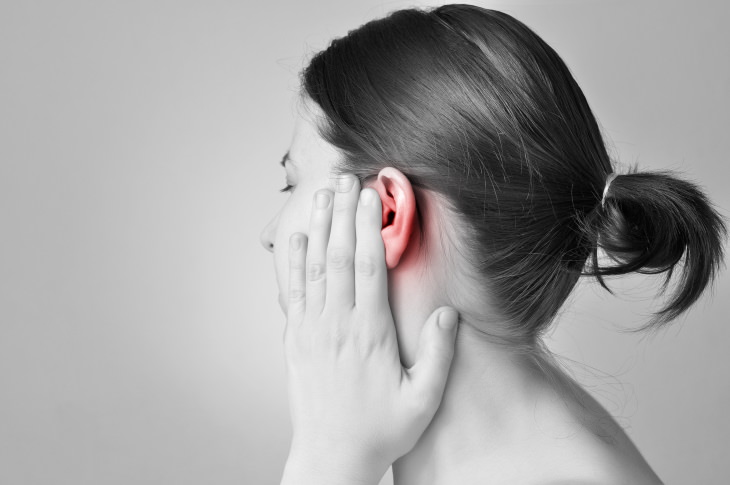
Water Trapped in Ears ear pain
Creating a vacuum can help draw out the water. This method doesn’t require any additional equipment and is quite effective for water stuck in the ear canal. Follow these steps: 
1. Tilt your head to the affected side and cover the ear with a cupped palm. 
 
2. It’s important to cover the entire ear with your palm and seal the ear tight to create a vacuum. 
 
3. Push your hand to and fro the ear, flattening the palm when you push towards the ear and cupping it when you move away from the ear. Repeat as long as needed. 
 
4. You may hear the water being released from the ear canal. As a final step, tilt the head even further to let the water drain out of the ear. 
 
2. Take a steamy shower  
If you feel that the water is stuck deep inside the ear, a steamy shower or bath may help the water drain. Steam helps the water move from the middle ear towards the back of the throat through a tiny canal called the Eustachian tube. 
 
You can also steam your ear and face alone by filling a bowl with hot water and holding the affected ear over the water while also covering the head with a towel to trap the steam in. All you have to do is stay this way for 5-10 minutes and breathe in the steam.  
 
3. Try this ear equalization technique

Water Trapped in Ears man covering nose
This method is called the Valsalva maneuver, and it’s useful for draining water from the inside of the ear by opening the Eustachian tubes. It’s actually helpful for clearing up any ear blockage, not just water. Follow these steps to perform the maneuver: 
 
1. Inhale deeply and then close your mouth and cover your nose with your fingers so that no air is able to escape. 
 
2. Slowly and gradually blow the air out. Make sure not to blow too rapidly or too hard, as this can damage your eardrum. 
 
3. Release when you hear a popping sound and feel the water drain away. 
 
4. Tug at your earlobe 
A gentle tug at your earlobe straightens your ear canal and helps any trapped water escape. Tilt your head to the side you want to treat or even lay down while resting the affected ear on a towel. Then gently tug at your earlobe a few times until the water drains out onto the towel. It’s as simple as that.

5. Use a hairdryer
Hairdryers have countless handy uses. An ordinary hairdryer can help you when your ears are blocked with water, for example, as it can evaporate the water in your ear. Make sure to turn on your blow dryer to the lowest setting and keep it about a foot (30 cm) away from your ear to prevent it from burning your skin or ear. Hover the hairdryer over the ear for a minute or so while also tugging at your earlobe. The latter will let more of the warm air into your ear canal and help the water evaporate faster. 
 
6. Make your own ear drops 
Dry eardrops are available at drugstores, but if you don’t have any around at the moment and need to deal with a clogged-up ear, you can try making your own ear drops. Note that this method only works when the outer ear is affected and shouldn’t be used if you have a history of any ear problems. 
 
To make these ear-drops, you’ll need to mix equal parts alcohol and vinegar. The alcohol aids in the evaporation of the water in your ear. The vinegar has antibacterial properties and helps remove earwax that could be the reason why you have water trapped in the ear. Use a sterilized dropper to administer 3 drops of the mixture into the affected ear and wait for 30 seconds. Tip your head to the side to allow the solution to drain out of the ear.  
 
7. Chew, yawn, or just open your mouth
The reason why the water in the ears often goes away by itself is that ordinary movements like chewing, opening your mouth, or yawning can help open up the Eustachian tubes and drain out the water. Chewing on some gum or yawning a few times in a row can sometimes speed up the process and clear your ears. 
 
If this doesn’t help, open your mouth and move your jaw slightly from side to side to open the Eustachian tubes. A popping sound indicates that the Eustachian tubes have opened. 
 
8. The Toynbee maneuver  
The Toynbee maneuver is the last technique we will explain in this article. The technique involves closing your nostrils with one hand and taking a few sips of water several times until the water is released through the Eustachian tubes. This technique combines the action of swallowing water and creating a vacuum seal, which will pump the water from the middle ear towards the nasopharyngeal cavity.


What NOT to do when you have water trapped in your ears
If you tried all of the remedies we’ve mentioned above and they aren’t working, it’s important to be patient and resist engaging in potentially traumatic procedures like sticking cotton swabs, your fingers, or any other objects inside your ear. All of these actions may actually push the water even deeper, introduce harmful bacteria into your ear canal, or even damage your eardrum. 
 
It’s also important to avoid any ear drops if you have ear tubes or any history of ear infections. In these cases, it’s important to see a professional.

Symptoms of an ear infection to look out for  
Water Trapped in Ears boy in a swimming pool
Swimming is the most common way to get water stuck in your ears, but any exposure to water can technically block your ears. In most cases, the water will drain out of the ear by itself after a few hours. If they don’t, the moisture may promote bacterial growth and you could develop a type of ear infection called swimmer’s ear. 
 
“Swimmer's ear is an infection in the outer ear canal, which runs from your eardrum to the outside of your head,” states Mayo Clinic. Water in the ear canal is not the sole cause of swimmer’s ear. Putting fingers, cotton swabs, and other objects in the ear canal may also damage the skin in your ears and lead to this infection. Look out for the following symptoms of swimmer’s ear and seek medical help if you experience any of them: 
 
 - Redness or itching in the ear canal 
 
- Fluid coming out of your ear 
 
- Pain or discomfort that becomes stronger when you tug on your ear or push on the tragus 
 
- the little bump in front of the ear canal 
 
- Swollen lymph nodes 
 
- A feeling of fullness inside your ear 
 
- Muffled hearing. 
 
If you’re prone to getting water stuck in your ears while swimming or any other activity, make sure to always dry the outside of your ears after contact with water. It’s also helpful to use a swim cap or earplugs while swimming. These methods will help prevent water from being trapped in your ears and swimmer’s ear.

This is only for your information, kindly take the advice of your doctor for medicines, exercises and so on.   

https://gscrochetdesigns.blogspot.com. one can see my crochet creations  
https://gseasyrecipes.blogspot.com. feel free to view for easy, simple and healthy recipes    
https://kneereplacement-stickclub.blogspot.com. for info on knee replacement

Labels: , , , , , , , , , ,

Sunday, February 03, 2019

Home Remedies for Sinus Pain Relief

The majority of us will suffer from sinus pain once in a while and it can have a huge effect on our ability to go about our daily business. Luckily, there are a number of steps we can take around our own homes to ease the likelihood of sinus problems developing, whether the issues are caused by a common cold, allergies (such as hay fever or dust aversion) or a sinus infection (otherwise known as Sinusitis).  Our guide runs you through the ten most effective methods you can use to keep your sinuses clear and pain-free.
What Are Your Sinuses?

Sinuses are air pockets located within the bones that surround your nose. They are connected to your nasal passage by a series of small tubes and channels. Although their purpose and use are actually unclear, there are theories that suggest they play a role in controlling the amount of moisture in the air we breathe.  Another school of thought proposes that they help to project our voices.
If the nose is swollen and inflamed, it can obstruct the passages to the sinuses, which can, in turn, lead to a painful blockage. The sinuses also produce mucus, which can be affected by a blockage leading to congestion or nasal drip and sometimes even a tooth or an earache. If an infection develops, it can last for weeks or even months; far beyond the duration of the problem that originally caused the infection to develop (i.e. a cold or allergy).
So What Should You Do To Combat Sinus Pain?
There are a number of proven steps we can take to ease sinus pain, and most of them are cheap and easy for anyone to try...
1. Drink Plenty of Fluids
Staying hydrated is an important health concern for many reasons, but it also helps keep your sinuses moist. You should drink plenty of water but avoid caffeine and alcohol, which can encourage dehydration.  Fluid intake requirements differ from individual to individual and also depend on the present weather conditions, but as a general rule, you should aim to drink around 68 fluid ounces (or approximately two liters) of water every day.
2. Take a Steamy Shower or Bath
Hot water vapor is an effective way of moistening your sinuses and helping to keep them clear.  A hot bath or shower can help remove mucus and debris stuck inside your nose and keep the passageways that serve the sinuses free of obstruction.  For a further boost, try dropping some Eucalyptus Oil in the bath with you - it's a great, natural decongestant.
3. Eat Spicy Foods

Spicy foods are not for everyone but they can help clear your nasal passages.  If you are a fan of fiery foods such as curry, hot peppers, and mustard, drop some extra into your evening meal to help open up your nasal passage.
4. Get a Humidifier
A humidifier helps to keep the air moist, providing you with a great way of eliminating arid air that is a leading cause of dry sinuses.  You should only use a humidifier during dry summer months wherever you live and keep your eye on it - the humidity levels should ideally sit at around 30-50%.  If condensation starts to form on your windows, you need to adjust the settings or turn it off!  Any humidifier should be kept clean as mold can form on them - and that can cause allergies in itself.
5. Use a Warm Compress
Warm compresses can help with sinus pain as they help keep the nasal passage moist. Put uncooked rice or oats inside a clean tube sock, and add some lavender or cinnamon for a more pleasant fragrance.  Microwave the compress for 30 seconds then test it. If you are happy with the level of warmth, remove it and apply it on to the nose and surrounding areas. Alternatively, fill a large bowl with steaming hot water, place a towel over your head to stop the air from escaping and lean over the bowl to breathe in the air.  Again, adding some eucalyptus oil to the water can be beneficial.
6. Use a Saline Solution
A saline solution can be as effective as a decongestant in combating blocked passageways that can lead to sinus pain.  A saline wash thins mucus so that it can flow more effectively through the nose and surrounding chambers.  Studies have concluded that saline solutions are some of the best lines of defense against sinusitis and can be used daily to prevent symptoms from developing. 
7. Guard Your Bedroom Against Allergies
Allergy flare-ups are a common cause of sinus pain and we can take steps to avoid them.  As allergies often flare in the evening, ensure your bedroom is kept free of factors that can contribute to irritation.  Dust covers on your pillows and quilts can help eliminate pesky dust allergies and although it may leave you heavy of heart, stopping your pets from sleeping in your bedroom can help as well.  If there are flowering plants in your room, you may also consider removing them if you are experiencing pain or irritation.
8. Try Bromelain Supplements

Bromelain is a protein found in pineapple stems and can be bought as a supplement from health food and natural remedy stores.  It has been used by boxers and other combat sportsmen to reduce inflammation after fights and there is evidence of success when it is used to reduce swelling around the nose associated with sinus problems. You should, however, consult your doctor before taking Bromelain if you are on any other medication, as it may interact with them.  Be sure to read the dosage instructions carefully.
9. Avoid Antibiotics Until You Have Exhausted Natural Remedies
Most sinus problems are viral, not bacterial. So antibiotics should not be used in the majority of cases. Antibiotics are our best defense against bacteria but they are not effective against viruses and are not an appropriate treatment for them. Overuse of antibiotics can actually lead to bacterial resistance and make you more susceptible to superbugs.  Natural remedies and over-the-counter medication should be your first port-of-call and if problems persist - move to point 10.
10. See Your Doctor When Problems Persist
If the natural and over-the-counter remedies fail to improve your condition, you should consult a Doctor.  Doctors can make a referral for a scan which may uncover anatomical blockages that require surgery, or they can send you to be allergy tested. Your Doctor can also refer you to an Ear, Nose and Throat Specialist if your problems require a more involved or integrated form of treatment than natural remedies can provide.
How To Make a Saline Solution at Home
You can buy saline solution from your local pharmacy, but if you want to make your own you can do so. Mix half a teaspoon (2.5g) of salt and half a teaspoon (2.5g) of baking soda in 1 cup of water at room temperature.  Use clean bottled water if possible.  If you use tap water, sterilize it and let it cool until it is lukewarm.
To apply the saline solution, whether it be homemade or purchased:
  • Use an all-rubber ear syringe which you can buy at a pharmacy.
  • User a water flosser, set on low.
  • Pour the solution into your hand, and sniff it up each nostril separately.
Aim the solution towards the back of your head, not the top, and it should run through your nasal passageways and into the back of your throat. Once it arrives in your mouth, you can spit out the remains, so apply when near to a sink.
THIS IS ONLY FOR INFORMATION, ALWAYS CONSULT YOU PHYSICIAN BEFORE HAVING ANY PARTICULAR FOOD/ MEDICATION/EXERCISE/OTHER REMEDIES.                                    PS- THOSE INTERESTED IN RECIPES ARE FREE TO  VIEW MY BLOG-                                                                                           https://gseasyrecipes.blogspot.com/       
                                                                                                                                                                      FOR INFO ABOUT KNEE REPLACEMENT, YOU CAN VIEW MY BLOG-                                                  https:// kneereplacement-stickclub.blogspot.com/           
                                                                         
  FOR CROCHET DESIGNS                                                                                                                                                                                                  https://gscrochetdesigns.blogspot.com
 

Labels: , , , , , , , , , , , ,