Sunday, April 26, 2026

5 Food Items You Should Avoid To Keep Your Body Cool This Summer

 Delhi is currently reeling under a heatwave, and stepping out in the afternoons can be quite tiring. Yes, keeping ourselves hydrated helps, but what we eat also plays a big role in keeping our bodies cool. Some foods help keep us cool from within, while some can overheat our bodies and make us feel more sluggish. Making small changes in your diet can keep you feeling light and refreshed. Here are five foods you should absolutely avoid or eat less of during the ongoing heatwave. 

5 Foods To Avoid During Heatwave 

1. Fried Foods
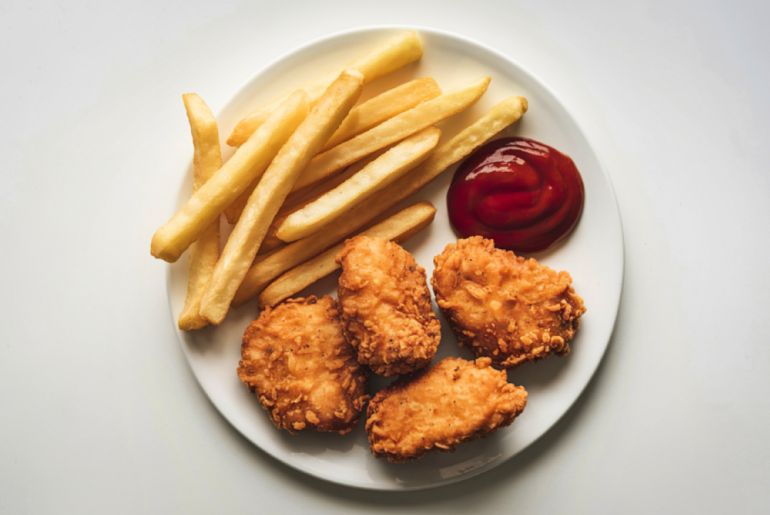
 Delhi Heatwave Foods to avoid  

 To stay cool during the ongoing heatwave in Delhi, you might have to say bye-bye to samosas, pakoras, snacks, etc. They are heavy and can be a little difficult to digest. Plus, fried food items can increase body heat, which can make you feel uncomfortable and sluggish throughout the day. Instead, opt for lighter options like curd-based meals or light snacks this summer.

2. Spicy foods

 Spicy foods are a big no-no during extreme heat. The masala in them can raise body temperature, which in turn can cause sweating and that feeling of discomfort. Spicy food can also make you dehydrated, especially if you are not drinking enough water. Masala-laden food is also a main cause behind acidity and digestive discomfort. To keep your tummy happy this summer, opt for mildly spiced meals and snacks.

3. Caffeinated Beverages

 Delhi Heatwave Foods to avoid

Chai and coffee. These are two beverages we can’t seem to function without, right? But they can dehydrate your body during heatwaves. Instead of cutting them out completely, reduce the number of cups of chai or coffee in a day. Instead, choose cooling drinks like chaas, coconut water, gond katira sherbet, nimbu paani and fresh fruit juices.


4. Sugary Desserts

It would be better if you take a break from sugary desserts during the ongoing heatwave in Delhi. They may offer a quick energy boost, but later they can cause fatigue and even dehydration. Sugary food items are heavy on the stomach and take time to digest, also causing a rise in internal body heat. Instead, you can satisfy your sweet tooth with fresh fruits high in water content like watermelon, oranges and muskmelon.

5. Heavy gravies and creamy dishes

 Yes, Delhiites, take a break from dal makhani, shahi paneer and butter chicken during the heat. These heavy and creamy dishes can leave you bloated and with that uncomfortable feeling in your tummy. Instead of heavy meals, opt for lighter dishes like dal, sabzi, sautéed chicken and vegetables, which are comparatively lighter on the stomach.


How to stay cool during a heatwave?

To stay cool during a heatwave, stay hydrated, avoid heavy meals, and eat fresh fruits.

What to eat during a heatwave?

Eat fruits, curd-based dishes, light vegetables and hydrating foods during a heatwave.

What are refreshing drinks to have during a heatwave?

Chaas, coconut water, nimbu paani, and fresh fruit juices are some refreshing drinks you can have during a heatwave.


This is only for your information, kindly take the advice of your doctor for medicines, exercises and so on.   


Labels: , , , , , , , , , , ,

Sunday, February 16, 2025

These Foods Cause You to Pee More Than Usual

Have you ever experienced the discomfort of a urinary tract infection (UTI), the inconvenience of bladder leaks, or the persistent need to use the restroom? Surprisingly, your dietary choices may be contributing to the worsening of your incontinence problems. Physicians suggest that individuals with sensitive bladders may notice that their symptoms are heightened as a result of their diet. 
 
What Should You Know About Different Bladder Issues?
Though not often openly discussed, bladder health problems are quite prevalent. In particular, incontinence, termed 'leaky bladder,' is a widespread issue characterized by involuntary urine leakage. Furthermore, frequent urination, especially when it occurs during the night or during sleep, is a commonly reported concern among many people. 
 
Interstitial Cystitis, also known as painful bladder syndrome, is a chronic disorder characterized by prolonged discomfort and pain in the bladder region, frequently accompanied by pelvic irritation. People affected by this condition also commonly feel the need to urinate frequently and urgently. 
 
For some individuals, managing incontinence or other bladder-related issues may be as simple as adjusting their diet and removing potential bladder irritants. But even if your bladder is healthy, understanding which foods and drinks can irritate it is essential for maintaining optimal bladder health. So, what items should you avoid? 
 
1. Coffee
coffee
We all know the feeling: facing a long workday ahead can be a daunting task, and for many, it's coffee that jumpstarts their morning. But if you're concerned about the health of your bladder, it might be wise to moderate your caffeine intake. As experts have pointed out, caffeine functions as a diuretic, leading to increased urine production. Moreover, it intensifies the urge to urinate, making it difficult to maintain control over your bladder and potentially causing leaks. The acidity found in coffee can also worsen symptoms linked to caffeine consumption. 
 
The good news is that you don't have to give up coffee entirely, especially if it's an essential part of your daily routine. Experts suggest that enjoying two cups of coffee or less per day is the "ideal" amount and should maintain the health of your bladder. 
 
2. Citrus fruits
citrus fruits
Just like coffee, citrus fruits can lead to increased urinary frequency because of their acidic properties, found in fruits like oranges, lemons, and grapefruits. Whether consumed as whole fruits or in juice form, the citric acid in these fruits can irritate the bladder lining, potentially aggravating painful urinary symptoms. Medical advice suggests refraining from citrus fruit consumption, especially when experiencing active UTI symptoms, as it may exacerbate your discomfort.


3. Tomatoes
Tomatoes and tomato-based products, including ketchup and pasta sauce, are known to be highly acidic and can significantly worsen bladder-related issues and incontinence symptoms. Those who find it difficult to resist the allure of tomatoes are advised to select fresh ones rather than their cooked counterparts. It's important to note that the acidity of tomatoes increases as they undergo extended cooking. This recommendation therefore suggests reducing your intake of dishes based on tomato sauce, such as pizza and spaghetti Bolognese. 
 
 
4. Spicy foods
 Spicy foods
If you're a fan of savoring a fiery hot curry or generously drizzling hot sauce on your dishes, here's something to keep in mind: spicy foods have the potential to agitate the bladder lining and worsen symptoms. It's advisable to exercise restraint when indulging in chili-laden meals, especially if you're experiencing incontinence. Moreover, if you happen to have interstitial cystitis or bladder pain syndrome, it might be wise to completely avoid spicy foods, as they could trigger your symptoms.
 
5. Processed meats
Craving the taste of cured meats or hot dogs? Urologists caution against frequent consumption of processed meats, including smoked ham and deli cuts. These products typically contain additives aimed at preserving their shelf life and enhancing their flavor. However, these additives may not be kind to your bladder. Many of these meats contain nitrates, which are a mixture of nitrogen and oxygen compounds. Unfortunately, health experts have identified these chemicals as a recognized source of carcinogenic byproducts known to contribute to cancer development. In particular, nitrites added to red meat have been linked to an increased risk of bladder cancer.


6. Soda
 Soda
Because soda contains a trio of irritants, including sugar, caffeine, and carbonation, it should be consumed with caution. Caffeine, present in soda as a natural diuretic, can lead to dehydration and concentrated urine. Moreover, the sugar content in soda can raise urine acidity, heightening the risk of bladder infections. Additionally, the carbonation process, involving carbon dioxide, can contribute to bladder irritation and subsequent urinary issues. 
 
7. Alcohol
Urinary incontinence is further aggravated by the consumption of alcohol. Rigorous clinical studies have consistently demonstrated alcohol's stimulant properties, which can substantially intensify the sensation of urgency. People who consume one or more alcoholic beverages also often experience increased urination frequency, because of alcohol's diuretic properties. The amount of alcohol you consume can even compromise your ability to recognize urges, thereby elevating the likelihood of accidents or leaks. It is advisable to either limit your alcohol intake or eliminate it altogether. 
 
 
8. Artificial sweeteners
Studies indicate that certain artificial sweeteners, including sodium saccharine, acesulfame K, and aspartame, can worsen urinary incontinence by adversely affecting bladder function. Avoid these sweeteners to protect your bladder.

9. Dairy Products
Dairy Products
Urinary incontinence can be exacerbated by the lactose content in dairy, a challenge many people face. Those with overactive bladder syndrome often find that dairy products, such as milk and cheese, are particularly troublesome. To manage and alleviate symptoms of incontinence, it may prove beneficial to contemplate a dairy-free diet while curtailing your intake of lactose-rich foods.


This is only for your information, kindly take the advice of your doctor for medicines, exercises and so on.   

Labels: , , , , , , , ,

Wednesday, December 13, 2023

All you need to know about Liver Cirrhosis

Did you know that the largest internal organ you've got inside of you is your liver? It's roughly the size of a football and can weigh up to three pounds in all. It's responsible for getting rid of plenty of nasty toxins from your body, which is why it's really important to take care of it. One major complication that can occur in the liver is cirrhosis. While it currently has no known cure, there are plenty of natural and clinical procedures that can limit the risk of liver failure and additional complications. Keep reading to find out all about them.

What Is Cirrhosis?
Cirrhosis is a progressive disease where scar tissue is developed in the liver. It results in a dysfunction which ends up impacting essential function like hormone levels, the digestion of essential nutrients, blood flow, and the removal of waste products from the body. 
 
Alcohol abuse, certain viruses (such as hepatitis), and having a history of fatty liver disease are the most common causes of cirrhosis. Other risk factors include genetics, poor dietary choices, and dangerously high levels of bad cholesterol. 
 
Cirrhosis caused the liver to deteriorate over time, and once it reaches its more advanced stages liver failure or liver cancer might develop. At such a stage, a liver transplant is usually the only option left, which is why it's important to act as quickly as possible and take proper care of your liver throughout your life.

What Are the Symptoms of Cirrhosis?
 Cirrhosis guide
Cirrhosis is typically accompanied by quite a number of symptoms including: 
 
• Appetite loss 
 
• Lack of energy 
 
• Symptoms of jaundice 
 
• Swollen ankles or legs 
 
• Itchy skin 
 
• Dark-colored urine 
 
• Pale or tar-colored stool 
 
• Bruising easily 
 
• Unexplained weight changes 
 
• Chronic fatigue syndrome 
 
• Digestive issues, such as vomiting, nausea, cramps or abdominal pain 
 
• Cognitive issues such as disorientation, mood swings, confusion or personality changes


Liver Cirrhosis Complications
Cirrhosis goes through a number of stages before entering the advanced and final stage. Early on, sufferers may experience symptoms like skin changes, decreased levels of energy, nutrient deficiencies, and swelling. As the disease progresses, many of the other symptoms mentioned above will start to manifest themselves. Once cirrhosis enters an advanced stage, some of these complications may arise: 
 
• Bile duct stones 
 
• Gallstones 
 
• Type 2 diabetes 
 
• Insulin resistance 
 
• A weakened immune system 
 
• An increased risk of lung and kidney failure 
 
• Sensitivity to certain drugs 
 
• A greatly increased risk of liver cancer 
 
• Metabolic bone diseases 
 
• Hepatic encephalopathy 
 
• Various issues with the spleen 
 
• Varices 
 
• Ascites 
 
• Edema 
 
• Portal hypertension


What Causes Cirrhosis?
There are various factors that can lead to the development of cirrhosis, which can stem from both your own lifestyle and habits, as well as from external and environmental factors. 
 
The most common risk factors for cirrhosis of the liver include: 
 
• Drinking too much alcohol 
 
• Smoking 
 
• Drug abuse 
 
• Consuming a poor diet 
 
• Having a history of fatty liver disease, diabetes or metabolic syndrome 
 
• Being obese 
 
• High triglyceride levels 
 
• High levels of bad cholesterol 
 
• Genetic factors 
 
• Constant exposure to toxins or pollutants 
 
• Serious infections or viruses 
 
 
Treating Cirrhosis Conventionally

Conventional treatment for cirrhosis will ultimately depend on what initially caused it, as well as how far the disease has progressed. Doctors will typically combine a number of different treatments including both drugs and major lifestyle changes. Unfortunately, there is no textbook cure for this disease, yet these techniques have been found to be the most effective: 
 
• Eliminating processed food from your diet 
 
• Reducing your salt intake 
 
• Increasing your nutrient intake 
 
• Eliminating drug and alcohol intake 
 
• Using diuretics to control ascites and edema 
 
• Controlling cholesterol levels 
 
• Losing weight 
 
• Cognitive therapy 
 
• Using laxatives to improve elimination of toxins 
 
• Using steroids and antiviral medication if the cause is hepatitis 
 
• Getting a liver transplant in the most severe cases 
 
 
Dealing With Cirrhosis Naturally 
 
1. Cleansing the Liver Regularly
To cleanse your liver, try to eat as much as you can of the following: 
 Cirrhosis guide
• citrus fruits 
 
• ginger 
 
• dark green leafy vegetables 
 
• vegetable juices 
 
• raw or steamed vegetables 
 
• bananas, avocados, and sweet potatoes 
 
• turmeric 
 
• milk thistle seeds 
 
• Spirulina, chlorella, and wheatgrass 
 
• burdock root 
 
• dandelion root tea 
 
• black seed oil 
 
• probiotics 
 
• lemon juice 
 
• coconut oil 
 
• extra virgin olive oil 

• raw apple cider vinegar 
 
Make sure to avoid these foods at all times if suffering from cirrhosis: 
 
 • fried food 
 
• processed food 
 
• very spicy food 
 
• sugar 
 
• refined carbohydrates, especially those containing gluten 
 
• alcohol 
 
• excessive amounts of caffeine 
 
• rich and complex dishes


2. Consume an Anti-Inflammatory and Organic Diet
The key to maintaining a healthy and functioning liver is to consume plenty of organic vegetables with most meals. Ideally, you should aim to consume around 4 or 5 servings of fresh, organic vegetables each day. If this seems like too much, then you might want to consider juicing them instead. 
 
In order to put the least amount of strain on your liver as possible, you should limit the saturated fats you eat to only high-quality cage-free, free-range or grass-fed animal products. This is because animals bred in captivity have been found to store a lot more toxins in their fat than is desirable. As a general rule, the less foods that come out of packaging, the safer your liver should be. 
 
Here are some of the best liver-supporting vegetables you can eat:  
 
• broccoli 
 
• cauliflower 
 
• celery 
 
• cabbage 
 
• Brussels sprouts 
 
• kale 
 
• spinach 
 
• dandelion 
 
• watercress 
 
• asparagus 
 
• cucumber 
 
• beetroot 
 
• carrot 
 
• herbs, such as basil, mint, parsley, and cilantro


3. Use Natural Supplements

 Cirrhosis guide

Plenty of supplements can help produce proper enzymes and bile, reduce intestinal gas, lower inflammation, and sooth the digestive system. 
 
Here are some of the most powerful ones: 
 
• Turmeric - this potent anti-inflammatory spice will support your liver's metabolism by providing you with a decent blood-sugar balance. It can also help aid your digestive tract.
 
• Milk thistle - it helps to get rid of a buildup of alcohol, pollutants, and heavy metals. 
 
• Probiotics - these can help boost your liver health by assisting with its detoxification and metabolism. 
 
• Multivitamins - vitamin A, vitamin C, and vitamin B-6 are particularly the most essential when it comes to protecting the liver. 
 
• Potassium - This mineral is extremely beneficial since it lowers your cholesterol, triglyceride levels, and systolic blood pressure. 
 
 
4. Check the Medication You're Taking
Quite a significant number of prescription medications can end up damaging your liver as an unwanted side effect. The worst offenders have been found to be hormone replacement drugs and birth control pills, however many other drugs can also put quite a lot of unnecessary strain on your liver, too. 
 
Unfortunately, research has shown that a large number of prescription medications are being over-prescribed, are being mixed with other drugs in a dangerous way, or are taken in an incorrect manner. If you are on medication, then we'd recommend learning how they can adversely affect your liver, and to carefully follow dosage instructions when taking them. It would also be a good idea to ask a healthcare professional if there are any natural remedies that they can be replaced with.

 
Precautions to Take When Treating Cirrhosis
If you spot any warning signs of liver damage, make sure to get in touch with a doctor as soon as possible, since stopping liver damage before the disease advances will greatly improve your quality of life and chances of survival. Of course, it's good to keep in mind that once symptoms begin to appear, it is likely that the condition has already been present for some time, which is all the more reason to get yourself checked immediately.


This is only for your information, kindly take the advice of your doctor for medicines, exercises and so on.   

https://gscrochetdesigns.blogspot.com. one can see my crochet creations  
https://gseasyrecipes.blogspot.com. feel free to view for easy, simple and healthy recipes    
https://kneereplacement-stickclub.blogspot.com. for info on knee replacement
https://cancersupportindia.blogspot.com  for infor on cancer and health related topics
https://GSiyers home remedies.blogspot.com   is the latest addition to my blogs. I'm going to add posts there, do give me your valuable feed back on my blogs. Thanks a lot, take care, be healthy and be happy.

Labels: , , , , , , , , ,