These Foods Cause You to Pee More Than Usual
Have you ever experienced the discomfort of
a urinary tract infection (UTI), the inconvenience of bladder leaks, or
the persistent need to use the restroom? Surprisingly, your dietary
choices may be contributing to the worsening of your incontinence
problems. Physicians suggest that individuals with sensitive bladders
may notice that their symptoms are heightened as a result of their diet.
What Should You Know About Different Bladder Issues?
Though not often openly discussed, bladder
health problems are quite prevalent. In particular, incontinence, termed
'leaky bladder,' is a widespread issue characterized by involuntary
urine leakage. Furthermore, frequent urination, especially when it
occurs during the night or during sleep, is a commonly reported concern
among many people.
Interstitial Cystitis, also known as painful bladder syndrome, is a
chronic disorder characterized by prolonged discomfort and pain in the
bladder region, frequently accompanied by pelvic irritation. People
affected by this condition also commonly feel the need to urinate
frequently and urgently.
For some individuals, managing incontinence or other bladder-related
issues may be as simple as adjusting their diet and removing potential
bladder irritants. But even if your bladder is healthy, understanding
which foods and drinks can irritate it is essential for maintaining
optimal bladder health. So, what items should you avoid?
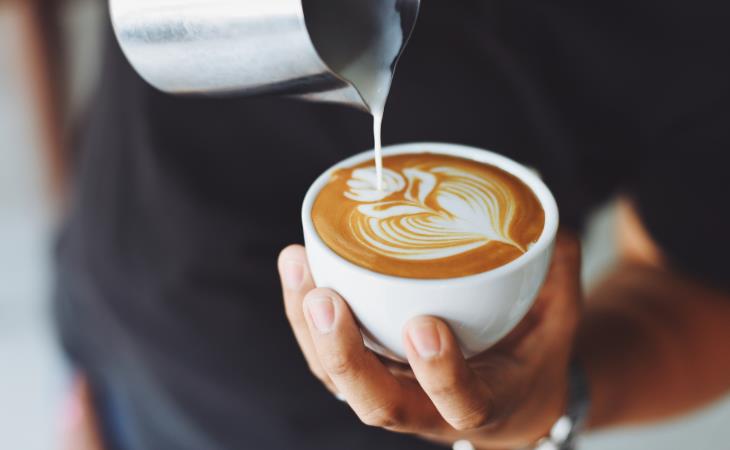
1. Coffee
We all know the feeling: facing a long
workday ahead can be a daunting task, and for many, it's coffee that
jumpstarts their morning. But if you're concerned about the health of
your bladder, it might be wise to moderate your caffeine intake. As
experts have pointed out, caffeine functions as a diuretic, leading to
increased urine production. Moreover, it intensifies the urge to
urinate, making it difficult to maintain control over your bladder and
potentially causing leaks. The acidity found in coffee can also worsen
symptoms linked to caffeine consumption.
The good news is that you don't have to give up coffee entirely,
especially if it's an essential part of your daily routine. Experts
suggest that enjoying two cups of coffee or less per day is the "ideal"
amount and should maintain the health of your bladder.
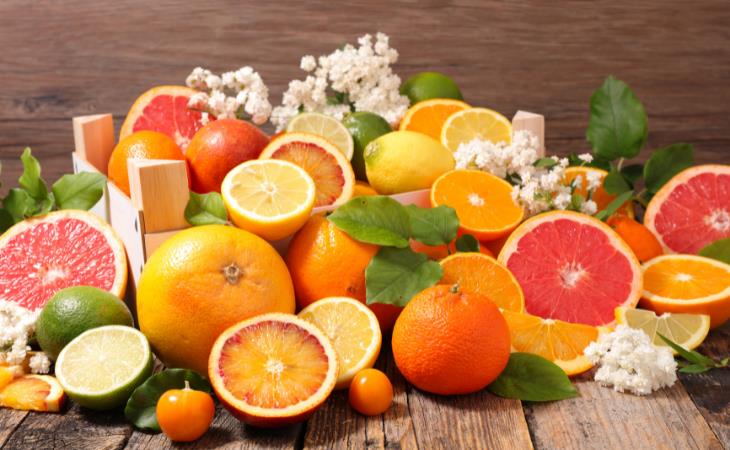
2. Citrus fruits
Just like coffee, citrus fruits can lead to
increased urinary frequency because of their acidic properties, found
in fruits like oranges, lemons, and grapefruits. Whether consumed as
whole fruits or in juice form, the citric acid in these fruits can
irritate the bladder lining, potentially aggravating painful urinary
symptoms. Medical advice suggests refraining from citrus fruit
consumption, especially when experiencing active UTI symptoms, as it may
exacerbate your discomfort.
3. Tomatoes
Tomatoes and tomato-based products,
including ketchup and pasta sauce, are known to be highly acidic and can
significantly worsen bladder-related issues and incontinence symptoms.
Those who find it difficult to resist the allure of tomatoes are advised
to select fresh ones rather than their cooked counterparts. It's
important to note that the acidity of tomatoes increases as they undergo
extended cooking. This recommendation therefore suggests reducing your
intake of dishes based on tomato sauce, such as pizza and spaghetti
Bolognese.
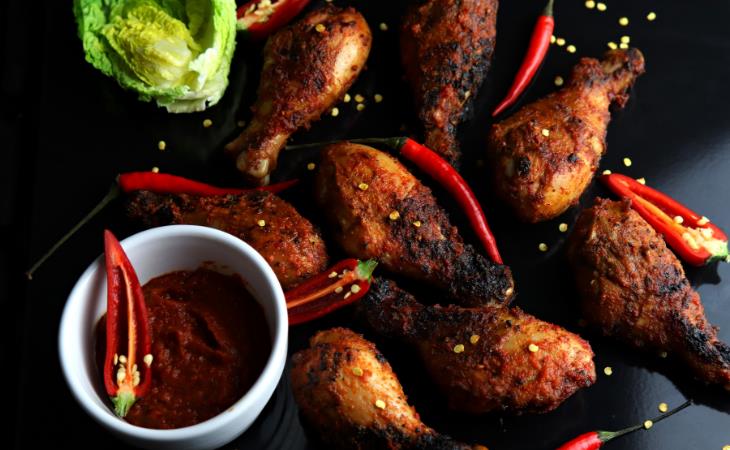
4. Spicy foods
If you're a fan of savoring a fiery hot
curry or generously drizzling hot sauce on your dishes, here's something
to keep in mind: spicy foods have the potential to agitate the bladder
lining and worsen symptoms. It's advisable to exercise restraint when
indulging in chili-laden meals, especially if you're experiencing
incontinence. Moreover, if you happen to have interstitial cystitis or
bladder pain syndrome, it might be wise to completely avoid spicy foods,
as they could trigger your symptoms.
5. Processed meats
Craving the taste of cured meats or hot
dogs? Urologists caution against frequent consumption of processed
meats, including smoked ham and deli cuts. These products typically
contain additives aimed at preserving their shelf life and enhancing
their flavor. However, these additives may not be kind to your bladder.
Many of these meats contain nitrates, which are a mixture of nitrogen
and oxygen compounds. Unfortunately, health experts have identified
these chemicals as a recognized source of carcinogenic byproducts known
to contribute to cancer development. In particular, nitrites added to
red meat have been linked to an increased risk of bladder cancer.
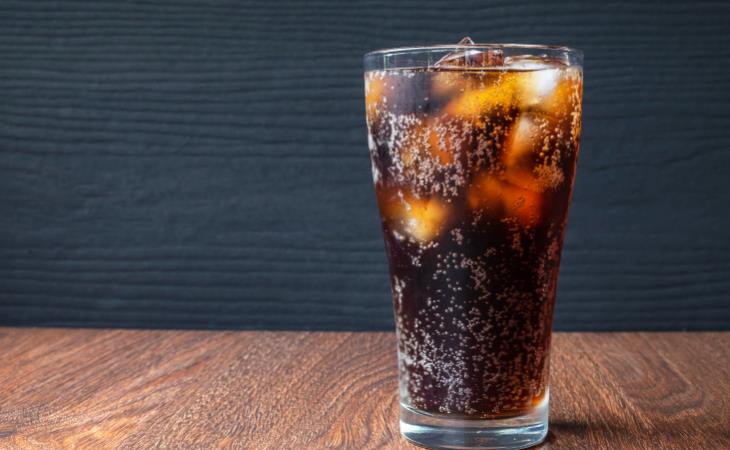
6. Soda
Because soda contains a trio of irritants,
including sugar, caffeine, and carbonation, it should be consumed with
caution. Caffeine, present in soda as a natural diuretic, can lead to
dehydration and concentrated urine. Moreover, the sugar content in soda
can raise urine acidity, heightening the risk of bladder infections.
Additionally, the carbonation process, involving carbon dioxide, can
contribute to bladder irritation and subsequent urinary issues.
7. Alcohol
Urinary incontinence is further aggravated
by the consumption of alcohol. Rigorous clinical studies have
consistently demonstrated alcohol's stimulant properties, which can
substantially intensify the sensation of urgency. People who consume one
or more alcoholic beverages also often experience increased urination
frequency, because of alcohol's diuretic properties. The amount of
alcohol you consume can even compromise your ability to recognize urges,
thereby elevating the likelihood of accidents or leaks. It is advisable
to either limit your alcohol intake or eliminate it altogether.
8. Artificial sweeteners
Studies indicate that certain artificial
sweeteners, including sodium saccharine, acesulfame K, and aspartame,
can worsen urinary incontinence by adversely affecting bladder function.
Avoid these sweeteners to protect your bladder.
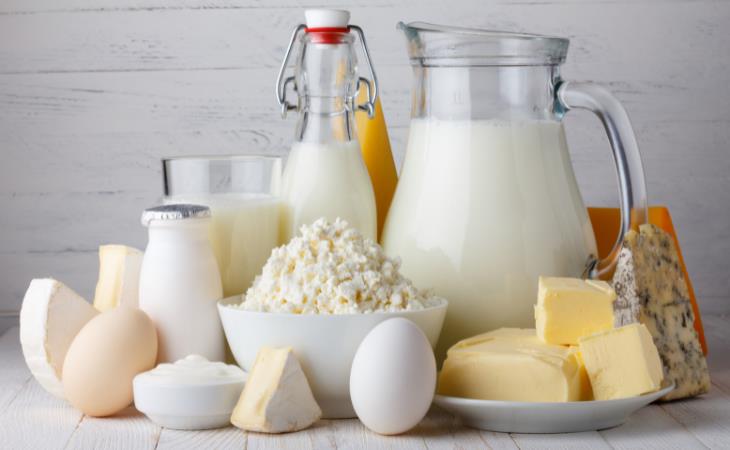
9. Dairy Products
Urinary incontinence can be exacerbated by
the lactose content in dairy, a challenge many people face. Those with
overactive bladder syndrome often find that dairy products, such as milk
and cheese, are particularly troublesome. To manage and alleviate
symptoms of incontinence, it may prove beneficial to contemplate a
dairy-free diet while curtailing your intake of lactose-rich foods.
T