Wednesday, June 18, 2025

6 Things to Eat to Reduce Your Cancer Risk

Growing up in Scotland, Nigel Brockton envisioned one day becoming a marine biologist. But after battling a rare and deadly cancer twice before finishing college, he turned to cancer research, determined to help others reduce their risk.

He was ahead of his time. Back then in the early 1990s, despite the American Cancer Society focusing on cancer prevention, many people thought that people got cancer mainly because of inherited genes and bad luck, like being struck like lightning, Brockton says. Non-scientists may still think that way, but research is painting a different picture: about 40 % of all cancers could be thwarted by mitigating certain risk factors, especially through a healthier lifestyle.

Nutrition plays a big role in this lifestyle. Brockton, a cancer epidemiologist for the nonprofit American Institute for Cancer Research, and other scientists have studied links between unhealthy eating and increased cancer risk, and nutritious substitutes to reduce this risk. Meanwhile, cancer is on the rise among Americans under age 50. “By eating more of the good stuff, we have less of the bad,” Brockton says, “and we can start to turn the tide.” 

Choose the right patterns

When Brockton’s career began, researchers were seeking a “magic bullet”—one or two foods that, eaten consistently, could protect cells from turning cancerous. However, “we now know the full dietary package is what matters,” Brockton says. “It’s much more important than individual foods.”

The right dietary patterns help the body suppress mechanisms that lead to cancer: obesity, chronic inflammation, high blood sugar, a poorly functioning immune system, and an unhealthy microbiome—the tiny organisms in the gut.

The best patterns include Mediterranean, vegetarian, and pescovegetarian diets, loaded with plant-based proteins and fibers. They differ radically found in the Standard American Diet, or SAD, dominated by red meat and refined sugars that fuel rather than foil cancer’s mechanisms. 

Yet “nearly the entire U.S. population” eats a SAD, according to the National Cancer Institute. 

Swapping a better dietary pattern drops the average person’s cancer risk by 8-9%, researh shows. A lean body weight reduces it by another 7-8%. Recent research  using a scoring system  developed by NCI and Brockton’s organization, AICR, shows how adopting an overall healthy lifestyle that includes eating more nutritious foods has the biggest effect on bringing down cancer risk, compared to any one specific healthy behavior.

Here are some of the most impactful substitutions. 

EAT LESS: Ultra-processed carbs 

EAT MORE: Healthier carbs

Whole foods with plenty of fiber can help reduce cancer risk. “Fiber is my favorite nutrient for cancer prevention,” says Carrie Daniel-MacDougall, a cancer epidemiologist at MD Anderson Cancer Center. 

Plucked directly from nature, many plant foods provide carbs with a healthy dose of fiber, but frequently the fiber is diminished through ultra-processing en route to your plate. Low-fiber foods, processed with dozens of ingredients, are a sadly common feature of SAD. Examples include instant oatmeal packets, pita bread, white rice, and pasta made from refined flour. If your carbs come mostly from packages with long ingredient lists, you’re likely not getting sufficient fiber to reduce cancer risk.

Trade these carbs for whole plant foods like beans, lentils, and other legumes with high ratios of fiber to carbs. Lentils, for example, can offer 11 grams of fiber per serving. Daniel-MacDougall and her colleagues found links between high-fiber intake and longer survival for cancer patients—and, in animals, fiber increased anti-cancer immune cells. This suggests fiber impedes cancer growth, at least in part, by strengthening the immune system.

If you think of cancer as a trap with several blades, each representing a different mechanism by which the disease grows, fiber seems to have a dulling effect on each sharp point. One blade is immune dysfunction. Another is obesity, which promotes the spread of cancer cells by causing chronic inflammation, among other problems. People who are overweight have higher rates of  13 kinds of cancer.

Studies suggest that diets with ample fiber support a healthier weight—partly because fiber promotes feelings of fullness and less overeating. “It’s important to keep weight within your normal BMI range throughout life,” says Dr. Kala Visvanathan, a Johns Hopkins medical oncologist and cancer epidemiologist. “Data show that even 10 pounds less can help bring down cancer risk.”

Daniel-MacDougall notes that fiber can parry another of cancer’s blades: an unhealthy microbiome. Fiber nourishes the beneficial bacteria in the gut. This supports a thriving microbiome, which lowers inflammation, according to Daniel-MacDougall’s research. 

You don’t have to shun your favorite low-fiber carbs; try having smaller portions. Daniel-MacDougall has researched ways of combining them with higher-fiber options. One intriguing combination: whip white beans or chickpeas into lower-fiber mashed potatoes, while using only half the potato. Some of Daniel-MacDougall’s research participants “wouldn’t touch beans with a 10-foot pole” before they started the trial, she says. That changed with the hidden beans trick. “Now you’re having a dish that’s higher in fiber as well as protein.”

LESS: Lots of red or fake meat

MORE: True plant-based proteins

The classic American dinner plate stars a 10-ounce slab of red meat. Its supporting cast members are buttered mashed potatoes and starchy vegetables like peas. Viewed through the prism of cancer risk, this home-style favorite raises multiple red flags. 

“We see a very consistent association between higher red meat consumption and higher cancer risk,” Brockton says. Steak contains a form of iron that, if eaten frequently over many years, may cause chronic inflammation and damage in the digestive system, raising the risk of colorectal cancer, the 3rd most common type.


Labels: , , , , , , , ,

Sunday, February 16, 2025

These Foods Cause You to Pee More Than Usual

Have you ever experienced the discomfort of a urinary tract infection (UTI), the inconvenience of bladder leaks, or the persistent need to use the restroom? Surprisingly, your dietary choices may be contributing to the worsening of your incontinence problems. Physicians suggest that individuals with sensitive bladders may notice that their symptoms are heightened as a result of their diet. 
 
What Should You Know About Different Bladder Issues?
Though not often openly discussed, bladder health problems are quite prevalent. In particular, incontinence, termed 'leaky bladder,' is a widespread issue characterized by involuntary urine leakage. Furthermore, frequent urination, especially when it occurs during the night or during sleep, is a commonly reported concern among many people. 
 
Interstitial Cystitis, also known as painful bladder syndrome, is a chronic disorder characterized by prolonged discomfort and pain in the bladder region, frequently accompanied by pelvic irritation. People affected by this condition also commonly feel the need to urinate frequently and urgently. 
 
For some individuals, managing incontinence or other bladder-related issues may be as simple as adjusting their diet and removing potential bladder irritants. But even if your bladder is healthy, understanding which foods and drinks can irritate it is essential for maintaining optimal bladder health. So, what items should you avoid? 
 
1. Coffee
coffee
We all know the feeling: facing a long workday ahead can be a daunting task, and for many, it's coffee that jumpstarts their morning. But if you're concerned about the health of your bladder, it might be wise to moderate your caffeine intake. As experts have pointed out, caffeine functions as a diuretic, leading to increased urine production. Moreover, it intensifies the urge to urinate, making it difficult to maintain control over your bladder and potentially causing leaks. The acidity found in coffee can also worsen symptoms linked to caffeine consumption. 
 
The good news is that you don't have to give up coffee entirely, especially if it's an essential part of your daily routine. Experts suggest that enjoying two cups of coffee or less per day is the "ideal" amount and should maintain the health of your bladder. 
 
2. Citrus fruits
citrus fruits
Just like coffee, citrus fruits can lead to increased urinary frequency because of their acidic properties, found in fruits like oranges, lemons, and grapefruits. Whether consumed as whole fruits or in juice form, the citric acid in these fruits can irritate the bladder lining, potentially aggravating painful urinary symptoms. Medical advice suggests refraining from citrus fruit consumption, especially when experiencing active UTI symptoms, as it may exacerbate your discomfort.


3. Tomatoes
Tomatoes and tomato-based products, including ketchup and pasta sauce, are known to be highly acidic and can significantly worsen bladder-related issues and incontinence symptoms. Those who find it difficult to resist the allure of tomatoes are advised to select fresh ones rather than their cooked counterparts. It's important to note that the acidity of tomatoes increases as they undergo extended cooking. This recommendation therefore suggests reducing your intake of dishes based on tomato sauce, such as pizza and spaghetti Bolognese. 
 
 
4. Spicy foods
 Spicy foods
If you're a fan of savoring a fiery hot curry or generously drizzling hot sauce on your dishes, here's something to keep in mind: spicy foods have the potential to agitate the bladder lining and worsen symptoms. It's advisable to exercise restraint when indulging in chili-laden meals, especially if you're experiencing incontinence. Moreover, if you happen to have interstitial cystitis or bladder pain syndrome, it might be wise to completely avoid spicy foods, as they could trigger your symptoms.
 
5. Processed meats
Craving the taste of cured meats or hot dogs? Urologists caution against frequent consumption of processed meats, including smoked ham and deli cuts. These products typically contain additives aimed at preserving their shelf life and enhancing their flavor. However, these additives may not be kind to your bladder. Many of these meats contain nitrates, which are a mixture of nitrogen and oxygen compounds. Unfortunately, health experts have identified these chemicals as a recognized source of carcinogenic byproducts known to contribute to cancer development. In particular, nitrites added to red meat have been linked to an increased risk of bladder cancer.


6. Soda
 Soda
Because soda contains a trio of irritants, including sugar, caffeine, and carbonation, it should be consumed with caution. Caffeine, present in soda as a natural diuretic, can lead to dehydration and concentrated urine. Moreover, the sugar content in soda can raise urine acidity, heightening the risk of bladder infections. Additionally, the carbonation process, involving carbon dioxide, can contribute to bladder irritation and subsequent urinary issues. 
 
7. Alcohol
Urinary incontinence is further aggravated by the consumption of alcohol. Rigorous clinical studies have consistently demonstrated alcohol's stimulant properties, which can substantially intensify the sensation of urgency. People who consume one or more alcoholic beverages also often experience increased urination frequency, because of alcohol's diuretic properties. The amount of alcohol you consume can even compromise your ability to recognize urges, thereby elevating the likelihood of accidents or leaks. It is advisable to either limit your alcohol intake or eliminate it altogether. 
 
 
8. Artificial sweeteners
Studies indicate that certain artificial sweeteners, including sodium saccharine, acesulfame K, and aspartame, can worsen urinary incontinence by adversely affecting bladder function. Avoid these sweeteners to protect your bladder.

9. Dairy Products
Dairy Products
Urinary incontinence can be exacerbated by the lactose content in dairy, a challenge many people face. Those with overactive bladder syndrome often find that dairy products, such as milk and cheese, are particularly troublesome. To manage and alleviate symptoms of incontinence, it may prove beneficial to contemplate a dairy-free diet while curtailing your intake of lactose-rich foods.


This is only for your information, kindly take the advice of your doctor for medicines, exercises and so on.   

Labels: , , , , , , , ,

Thursday, June 10, 2021

10 Foods to Avoid If You Wish to Reduce Cellulite

Cellulite is a tricky skin concern, as to a great extent, whether or not you’ll have it boils down to your genetics. But even if you haven’t been blessed with cellulite-free genes and you feel like the orange peel skin is an eyesore you’d like to lessen as much as possible, there are several methods that can reduce cellulite with varying levels of success.

There are cellulite creams packed with exfoliating ingredients and caffeine that can help you smooth out the skin surface, special massages, and exercises that address the issue, as well as a number of natural remedies. Whatever route you choose to take in your attempt to minimize the appearance of cellulite, combining it with a healthy diet is a must, as the foods you eat have an impact on all your body, including those pesky cellulite dimples. 
 
Certain foods are known to amplify the appearance of cellulite and may prevent you from getting good results, no matter what you do. We list 10 such foods below, for you to know what to avoid. Keep in mind that we’re not saying that you must stop eating all of these foods altogether, the occasional treat won’t cause any dire results, but it’s important not to overindulge.  
 
1. Cheese and Processed Meats
Just one serving of processed meat can contain about a third of the daily recommended amount of salt, and many cheese varieties, such as feta or parmesan can likewise have a lot of salt. But why is this important? The problem is that eating too much salt urges the body to hold on to fluids in fat cells, which can make cellulite appear much worse than it really is. 
 
As a result of water retention, the skin may have that characteristic puckered and swollen look. Therefore, watching your sodium intake and making sure it doesn't exceed the recommended value of 1,500 milligrams a day as mandated by the American Heart Association will also help your thighs. 
 
What to eat instead: You don't have to reject high-sodium sandwich meats, bacon, and cheese altogether if cellulite is your only concern - choosing low-sodium varieties is usually enough. This means opting for cheeses like ricotta, fresh mozzarella, and Swiss cheese instead of more high-sodium varieties like parmesan, cheddar, and feta. 
 
As for processed meats, you'll need to look at specific brands of ham, bacon, sausage, and hot dogs, and search for "low-sodium" labels to purchase the right kind. It will also be beneficial to accompany a breakfast sandwich or any other salty food with plenty of hydrating foods, such as veggies and fruit, as well as plenty of water to flush all that salt out of your system. The extra hydration will plump up the skin, which will make it appear tauter and smoother. 
 
2. Barbecue Sauce and Other Condiments
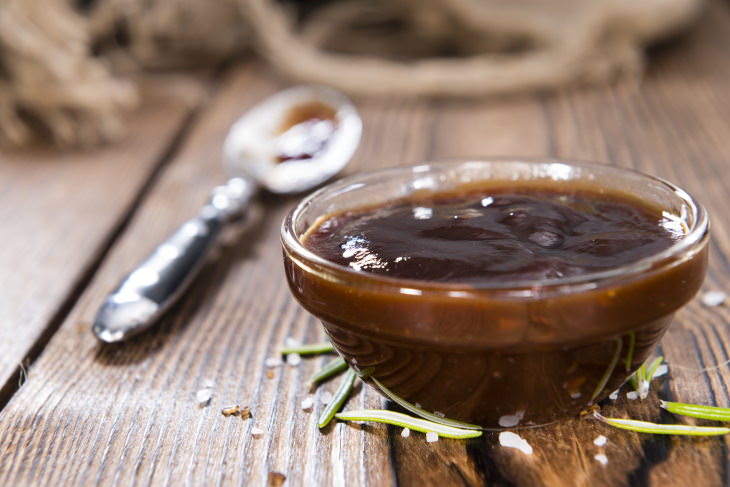
Foods That Worsen Cellulite Barbecue Sauce
The devil is in the details - this saying can be easily applied in the kitchen, too, as sometimes, the things that add flavor to your food, such as barbecue sauce, soy sauce, and even ketchup are the real culprit behind those pesky skin dimples. Now only are condiments super high in sodium, they're often packed with sugar as well. 
 
For example, just 2 tablespoons of barbecue sauce can contain as much as 15 grams of sugar, which is more than half of one's daily sugar allowance. Most of the time, it's not the natural sugars either. Sugar is a dangerous additive because it causes blood sugar to spike, which kickstarts fat storage. This, in turn, makes the fat cells expand even further and makes cellulite worse. Most condiments contain something called "high fructose corn syrup", a type of sweetener that increases one's appetite.
What to eat instead: Be wary of the amount of ketchup, dressing, and sauce you add to your homemade meals, and try to avoid restaurant foods that come with a heavy dose of condiments. You can also replace condiments in some restaurant foods with better alternatives. For example, if you order sushi, use low-sodium soy sauce instead of the regular kind. Lastly, there are also low-sodium and low-sugar condiments available in supermarkets today, so it's best to opt for those.  
 
3. Cottage Cheese Foods That Worsen Cellulite Cottage Cheese
Cottage cheese has a great reputation, and many people who try to lose weight rely on it quite heavily, as it contains very little fat and plenty of protein. However, if your goal is to also get rid of cellulite along with losing weight, cottage cheese isn't your friend. Although cottage cheese doesn't taste particularly salty, just 1 cup of the stuff contains up to 800 milligrams of sodium, which is more than half of your daily allowance. Seeing just how much salt is included in our breakfast along, it becomes clear how most Americans exceed their daily sodium intake and consume around 3.400 mg of the mineral every day. 
 
What to eat instead: If you're a fan of cottage cheese and not ready to give it up, try to eat less of it and combine it with hydrating foods and plenty of water. Naturally, it's also better to opt for the low-sodium varieties of cottage cheese.  
 
4. White Bread and Bagels
Foods That Worsen Cellulite baguettes
Refined grains are likewise harmful to our overall health, as you probably already know, but what most people don't realize is that it can also make your cellulite worse. This is because these foods have a high glycemic index and often lead to sugar spikes and food cravings. Apart from that, they also cause inflammation in the body. All of these factors promote excessive weight gain and make cellulite appear more severe. 
 
Which foods are we talking about? Anything made of processed grains fits the bill, so white rice, white bread, cakes, cookies, and even the "healthy" rice cakes. Bagels deserve a separate mention here, as they also contain a surprisingly high amount of salt - up to 600 milligrams in just one bagel. It's safe to say at this point that a bagel sandwich with some salami and cheddar should be off the table if you want to reduce the appearance of cellulite.  
 
What to eat instead: This one's easy - simply opt for whole grain varieties of all the foods we've mentioned. This means switching out white rice with brown and sticking to whole grain bread and desserts. These foods will lower the inflammation in the body and they're more filling, too!
 
 5. Soda
Foods That Worsen Cellulite pouring coca cola into a glass
This one's hardly surprising, but it may be interesting for you to know that the sugary drinks you have do go directly to your thighs in a way. And we don't just mean soda; fruit juices, sweet tea, and even sweet coffee beverages are no much better in terms of their sugar content, so you should really try to drink as little of them as possible. Besides, sugary drinks aren't just bad because they make you gain weight and increase inflammation. 
 
It has also been found that sugary drinks reduce the amount of collagen the body produces. Collagen is the substance that makes our skin bouncy, strong, and taut, and it tends to become scarcer and scarcer with age as is, so the last thing you want is to further hinder its production. Apart from making your wrinkles more pronounced, a lack of collagen in the skin can also accentuate the appearance of cellulite. 
 
What to drink instead: Flavored seltzers, water flavored with fresh fruit, mineral water, herbal teas, and unsweetened tea and coffee are your best friends in fighting the cravings for sweet drinks. Teas and coffee have an extra benefit: they are rich in antioxidants, which can promote collagen production.

6. Addictive Snacks
Foods That Worsen Cellulite  Snack
Some snacks are definitely better than others, and it's always the unhealthy ones that are the most addictive ones for some reason. The problem with these snacks is that they are often the cause of excess weight gain. We need to understand that snacking is just as detrimental to our health and weight loss as the main meals are, as these tiny bites of food are often filled with sugar, processed grains, and fats even more than main meals are. 
 
This is especially true with spicy and salty snacks like pretzels and potato chips. You know, the ones we barely notice that we ate a whole pack of while watching TV in the evening. Needless to say, it's best if you give up these snacks altogether if you want the orange peel thighs to improve and lose weight. But don't worry, we won't deprive you of a whole food category without offering a replacement - click on the highlighted title to read our article about 10 Easy Weight Loss Snacks Everyone Will Enjoy. 
 
7. Cereal
Foods That Worsen Cellulite Cereal with milk
Breakfasts are really taking a heavy hit in this article, and cereal, the ultimate breakfast food, is no exception. But it's not only the rainbow-colored kids' cereals that you should be wary of, even simple corn flakes often contain quite a lot of white flour and even more sugar. But when it comes to cereal breakfasts, there is another concern that dietitians point out could play a role in making your cellulite worse - milk. Dairy milk and soy milk are full of estrogen, a feminine hormone that may also contribute to cellulite development.  
 
What to eat instead: Opt for whole-grain cereals or low-sugar granola instead of regular cereal and combine it with an estrogen-free milk variety, such as almond or oat milk. 
 
8. Sugar-free Candy
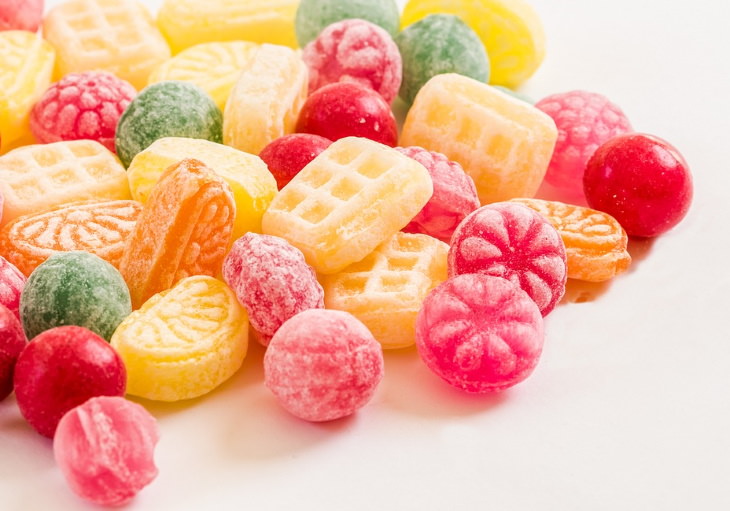
Foods That Worsen Cellulite Candy
If it's low-sugar or even better, sugar-free, it must be okay to eat, right? We're sorry to disappoint, but it has been found that certain artificial sweeteners are capable of increasing one's appetite and specifically sugar cravings. Therefore, chewing sugar-free gum or eating sugar-free candy may not be much better than the regular variety.  
 
What to eat instead: If you're craving a sweet bite, we'd say opt for an apple or any kind of fruit you enjoy instead. Like gum, the natural acids present in fruits are good at cleaning the teeth, and the fiber in them will help you fight food cravings instead of causing them. 
 
9. Wine
Like soda and the like, wine isn't technically a food, but we thought that it's still worth a mention because like meals and snacks, the beverage you choose can either make or break your desired goals. When it comes to wine, even the dry red variety that's known for its antioxidant benefits can backfire. 
 
While having 1 glass can be beneficial for the skin and circulatory system because red wine is quite rich in antioxidants, overdoing it can accomplish the opposite and make dimples become more noticeable and affect the tightness of the skin. This is all due to the alcohol content, which is extremely dehydrating and can destroy the collagen in the skin. Unfortunately, we don't have any replacements for this one, so try to limit your intake of red wine to just a few drinks a week if giving up on the drink is out of the question.  
 
10. Margarine and Pizza
This technically counts as two different foods, but we decided to lump them together because the reason why they're bad for the thighs is essentially the same, and that reason is saturated and trans fats. The thing is that poor blood circulation is a major cause of cellulite, and overindulging in foods that contain excessive amounts of unhealthy fats can clog up your arteries and have a whole host of negative effects, including cellulite. 
 
Butter, margarine, cheese, and pizza are the biggest food sources of these less healthy saturated fats, and margarine and baked good produced using margarine, in particular, may also contain trans fats, which are especially dangerous for the cardiovascular system and blood circulation. While it would be impossible to ask anyone to exclude all of these foods from their diet altogether, eating less of these foods is definitely well-advised.

This is only for your information, kindly take the advice of your doctor for medicines, exercises and so on.   

https://gscrochetdesigns.blogspot.com. one can see my crochet creations  
https://gseasyrecipes.blogspot.com. feel free to view for easy, simple and healthy recipes    
https://kneereplacement-stickclub.blogspot.com. for info on knee replacement

Labels: , , , , , , , , , , , , , ,