Sunday, April 26, 2026

5 Food Items You Should Avoid To Keep Your Body Cool This Summer

 Delhi is currently reeling under a heatwave, and stepping out in the afternoons can be quite tiring. Yes, keeping ourselves hydrated helps, but what we eat also plays a big role in keeping our bodies cool. Some foods help keep us cool from within, while some can overheat our bodies and make us feel more sluggish. Making small changes in your diet can keep you feeling light and refreshed. Here are five foods you should absolutely avoid or eat less of during the ongoing heatwave. 

5 Foods To Avoid During Heatwave 

1. Fried Foods
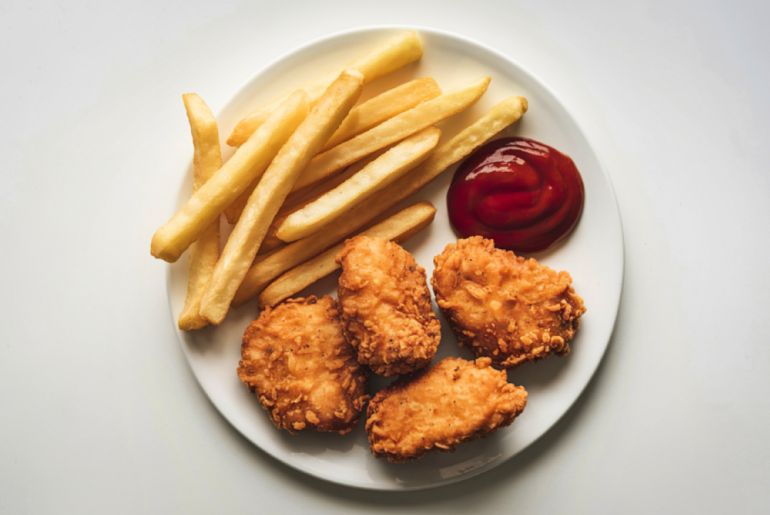
 Delhi Heatwave Foods to avoid  

 To stay cool during the ongoing heatwave in Delhi, you might have to say bye-bye to samosas, pakoras, snacks, etc. They are heavy and can be a little difficult to digest. Plus, fried food items can increase body heat, which can make you feel uncomfortable and sluggish throughout the day. Instead, opt for lighter options like curd-based meals or light snacks this summer.

2. Spicy foods

 Spicy foods are a big no-no during extreme heat. The masala in them can raise body temperature, which in turn can cause sweating and that feeling of discomfort. Spicy food can also make you dehydrated, especially if you are not drinking enough water. Masala-laden food is also a main cause behind acidity and digestive discomfort. To keep your tummy happy this summer, opt for mildly spiced meals and snacks.

3. Caffeinated Beverages
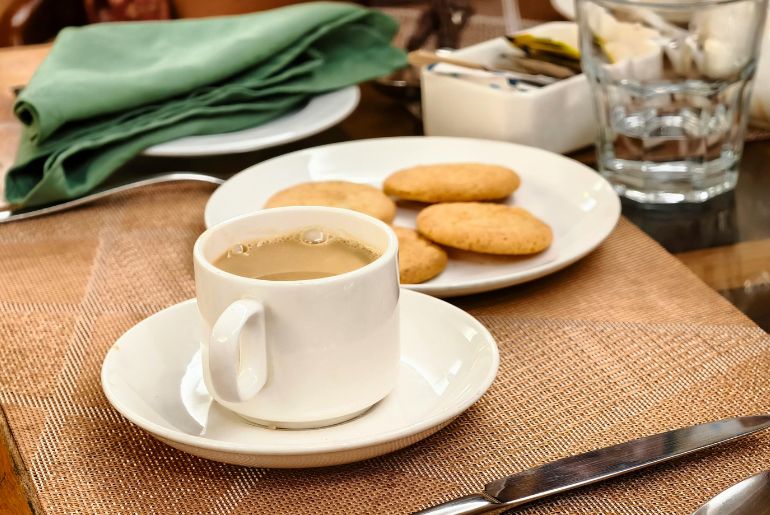
 Delhi Heatwave Foods to avoid

Chai and coffee. These are two beverages we can’t seem to function without, right? But they can dehydrate your body during heatwaves. Instead of cutting them out completely, reduce the number of cups of chai or coffee in a day. Instead, choose cooling drinks like chaas, coconut water, gond katira sherbet, nimbu paani and fresh fruit juices.


4. Sugary Desserts

It would be better if you take a break from sugary desserts during the ongoing heatwave in Delhi. They may offer a quick energy boost, but later they can cause fatigue and even dehydration. Sugary food items are heavy on the stomach and take time to digest, also causing a rise in internal body heat. Instead, you can satisfy your sweet tooth with fresh fruits high in water content like watermelon, oranges and muskmelon.

5. Heavy gravies and creamy dishes

 Yes, Delhiites, take a break from dal makhani, shahi paneer and butter chicken during the heat. These heavy and creamy dishes can leave you bloated and with that uncomfortable feeling in your tummy. Instead of heavy meals, opt for lighter dishes like dal, sabzi, sautéed chicken and vegetables, which are comparatively lighter on the stomach.


How to stay cool during a heatwave?

To stay cool during a heatwave, stay hydrated, avoid heavy meals, and eat fresh fruits.

What to eat during a heatwave?

Eat fruits, curd-based dishes, light vegetables and hydrating foods during a heatwave.

What are refreshing drinks to have during a heatwave?

Chaas, coconut water, nimbu paani, and fresh fruit juices are some refreshing drinks you can have during a heatwave.


This is only for your information, kindly take the advice of your doctor for medicines, exercises and so on.   


Labels: , , , , , , , , , , ,

Wednesday, September 24, 2025

15 Foods to Avoid with High Blood Pressure

Small steps can make a big difference—and choosing the right foods is one of them. 

When it comes to managing high blood pressure, what you don’t eat matters just as much as what you do. 

By cutting out certain foods, you're giving your heart and body a real shot at better health. Let’s break them down together. 

Understanding High Blood Pressure and Diet 

Managing blood pressure isn’t just about avoiding salt, t’s about making everyday choices that support your heart. 

Small tweaks in your diet can lead to meaningful changes in your health. Let’s understand how food plays a part. 

The Link Between Diet and Hypertension 

What you eat can raise or lower your blood pressure over time. 

Diets high in processed food, salt, and unhealthy fats can quietly elevate your numbers. 

But with the right choices, food can become a tool not a trigger for better blood pressure control and long-term heart health. 

Why Certain Foods Elevate Blood Pressure 

Some foods make your body hold on to sodium or work harder to pump blood both of which raise your blood pressure. 

Others may interfere with blood vessel function. 

The more we understand these hidden effects, the easier it becomes to make informed, heart-friendly food choices every day. 

The Role of Sodium in Blood Pressure Spikes 

Too much sodium causes your body to retain water, which increases the volume of blood and puts extra pressure on your arteries. 

Even seemingly “healthy” foods can be high in salt. Learning where sodium hides can help you make smarter swaps that support healthier, more stable blood pressure. 

How Processed Foods Increase Hypertension Risk 

Processed foods are often packed with hidden salt, sugars, and unhealthy fats all of which can contribute to rising blood pressure. 

Regularly eating packaged snacks, ready-to-eat meals, or processed meats makes it harder for your heart to stay healthy. 

Choosing fresh, whole foods can make a meaningful difference. 

Top 15 Foods to Avoid that Could Increase Blood Pressure 

You may not know this, but some everyday favourites can quietly impact your numbers. From salty snacks to sugary drinks, here are the top 15 foods to avoid with high blood pressure and why they make the list. 

1. Salty Snacks and Processed Foods 

Chips, crackers, and ready-to-eat snacks are packed with sodium and preservatives two big contributors to high blood pressure. 

These hidden salts make salty snacks one of the top 15 foods to avoid with high blood pressure. 

2. Canned Soups and Vegetables 

While convenient, many canned soups and vegetables are loaded with sodium for shelf life. 

Just one serving can exceed your daily salt limit making them a quiet but serious threat to blood pressure when eaten often. 

3. Deli Meats and Processed Meats 

Cold cuts, bacon, ham, and sausages are among the worst foods for high blood pressure. 

They’re heavily salted and preserved, often with nitrates, which can spike blood pressure and increase long-term cardiovascular risks when eaten regularly. 

4. Frozen Meals and Pizzas 

Convenient but concerning, frozen dinners and pizzas are packed with sodium, saturated fats, and preservatives. 

These ingredients make them one of the top 15 foods to avoid with high blood pressure, especially when eaten frequently or in large portions. 

5. Pickles and Fermented Foods 

Pickled vegetables may seem healthy, but they’re often cured in salt-heavy brine. 

That sodium load can spike blood pressure quickly, especially if eaten regularly making them a surprising entry on the list of foods to avoid with high blood pressure. 

6. Sugary Beverages 

Sodas, packaged juices, and sweetened drinks may not contain salt but high sugar intake is linked to insulin resistance and elevated blood pressure. 

These drinks offer little nutrition and are among the worst foods for high blood pressure when consumed regularly. 

7. Alcohol 

Excessive alcohol consumption can raise blood pressure and interfere with medications. 

It also adds empty calories and can trigger poor food choices. 

Limiting alcohol is key for anyone managing hypertension or aiming to avoid the worst foods for high blood pressure. 

8. Red and Processed Meats 

Red meats like beef, pork, and lamb especially when processed are high in saturated fat and sodium. 

Regular intake can raise cholesterol and blood pressure, making them a key entry in the top 15 foods to avoid with high blood pressure. 

9. Full-Fat Dairy Products 

Milk, cheese, butter, and yoghurt made from whole milk are high in saturated fats, which can contribute to elevated cholesterol and blood pressure. 

Opting for low-fat or plant-based alternatives is a better choice for those managing hypertension. 

10. Baked Goods and Pastries 

Cakes, muffins, and pastries are often made with refined flour, added sugars, and trans fats ingredients that can raise blood pressure and harm heart health. 

Their low fibre and high-calorie content make them a regular offender on hypertension watchlists. 

11. Sauces and Condiments 

Ketchup, soy sauce, salad dressings, and packaged marinades may seem harmless but they often contain high levels of sodium and added sugars. 

These hidden ingredients make sauces and condiments a sneaky addition to the list of foods to avoid with high blood pressure. 

12. Caffeinated Beverages 

While caffeine affects people differently, excessive intake from coffee, energy drinks, or certain teas can cause temporary spikes in blood pressure. 

If you’re sensitive or already hypertensive, limiting caffeinated beverages may help stabilise your readings throughout the day. 

13. Fast Food Items 

Fast food meals are loaded with sodium, unhealthy fats, and refined carbs making them some of the worst foods for high blood pressure. 

Regular consumption can lead to sustained pressure spikes, especially when paired with sugary drinks or oversized portions. 

14. Cheese and Other High-Sodium Dairy 

Many cheeses and processed dairy products contain high levels of sodium and saturated fats. 

Regular consumption can contribute to increased blood pressure and cardiovascular strain especially in aged or packaged varieties. 

Check labels closely, even for products that seem wholesome. 

15. Certain Breads and Rolls 

Surprisingly, many store-bought breads and rolls are high in sodium even without tasting salty. 

Just a few slices a day can add up quickly, making them one of the more hidden entries among the top 15 foods to avoid with high blood pressure. 

Healthier Alternatives to Consider 

Avoiding certain foods doesn’t mean missing out on flavour or satisfaction. With the right swaps, you can still enjoy your meals while supporting your heart.  

Here are some smart alternatives worth embracing. 

Incorporating Fresh Fruits and Vegetables 

Fruits and vegetables are rich in potassium, fibre, and antioxidants nutrients that help lower blood pressure naturally. 

Aim for a colourful variety each day to support heart health and reduce the impact of sodium in your diet. 

Choosing Whole Grains Over Refined Grains 

Whole grains like oats, brown rice, and quinoa provide more fibre and nutrients than refined options. 

They help regulate blood pressure by improving digestion, supporting weight control, and keeping you fuller longer without the blood sugar spikes that come from white carbs. 

Opting for Lean Proteins 

Choose lean options like skinless poultry, fish, lentils, or tofu over red and processed meats. 

These alternatives are lower in saturated fats and support heart health without the blood pressure-raising effects often linked to heavier animal-based proteins. 

Limiting Added Sugars and Sweeteners 

High sugar intake can lead to weight gain and insulin resistance both of which can worsen blood pressure. 

Swap sugary snacks and drinks with naturally sweet options like fruits or use spices like cinnamon to add flavour without the spike. 

Tips for Managing Diet to Control Blood Pressure 

Managing blood pressure isn’t just about what you eat it’s also about how you eat. 

These simple, practical tips can help you stay consistent and in control, one meal at a time. 

Reading Nutrition Labels Carefully 

Nutrition labels can reveal more than you think especially sodium, added sugars, and saturated fats. 

Look for items with less than 5% sodium per serving and avoid items like MSG or “flavour enhancers.” 

The more informed you are, the better your food decisions will support healthy blood pressure. 

Preparing Meals at Home 

Home-cooked meals give you full control over ingredients, portion sizes, and salt content.  

You can swap processed ingredients for fresh produce and use herbs for flavour instead of sodium. 

Planning meals in advance also helps reduce dependence on packaged or takeaway options, which often contain hidden salt and sugar. 

Monitoring Portion Sizes 

Even healthy foods can contribute to high blood pressure when eaten in excess. 

Using smaller plates, reading serving sizes, and avoiding second helpings can help you stay within a heart-friendly range. 

Portion control supports weight management, reduces sodium intake, and helps maintain steady blood pressure over time. 

Consulting with a Healthcare Professional 

Every person’s needs are different. A doctor or dietitian can help you create a personalised eating plan that supports your blood pressure goals. 

Regular check-ups also ensure that any medication or lifestyle changes are working effectively giving you the right guidance at every step of your health journey. 

Cadabam's Diagnostics: Helping You Identify Foods to Avoid for High Blood Pressure 

At Cadabam’s Diagnostics, we believe health begins with awareness and that includes knowing how everyday foods impact your blood pressure. 

Our comprehensive diagnostic services can help you track key health markers like sodium levels, cholesterol, and kidney function to support smarter dietary choices.  

With personalised insights, expert consultations, and a commitment to prevention, we guide you in understanding which foods to avoid and which to embrace. 

Managing high blood pressure doesn’t have to feel overwhelming we’re here to support you with clarity, compassion, and science-backed care. 

Let's take the first step toward better heart health together.


This is only for your information, kindly take the advice of your doctor for medicines, exercises and so on.   


Labels: , , , , , , , ,

Tuesday, September 28, 2021

Is water always the best choice on a hot day?

Water makes up more than half of our body weight. To sustain this amount of water in our bodies, we're advised to drink 6-8 glasses of fluid per day. Water is the healthiest drink we can reach for – no sugar, no calories – but is it always the best way to rehydrate on hot days?

The answer is: it depends. It seems water is sufficient for most people most of the time, but the best way to rehydrate depends on who and where you are, and what you're doing.

"The needs of a physically active person with an outdoor job on a hot day may be different from the person who lives in an air-conditioned house, who drives an air-conditioned car to an air-conditioned office," says Ron Maughan, professor at St Andrews University's School of Medicine.

The obvious answer is that the active person will need to drink more fluid than the sedentary one – but there's more to it than that.

When we sweat, we lose water and salt, so we need to replace both. If we consume too much of either, the body will take steps to even things out using osmosis, which is the process of passing water through cell membranes.

Replacing lost fluid just with plain water means the body has too much water and not enough salt, so to even things out, it will get rid of water by producing urine," Maughan says.

For this reason, milk can actually be more effective than drinking water. Milk naturally contains salt and lactose, a sugar, which we need in small amounts to help stimulate water absorption in the gut, Maughan says. Coconut water is also effective, as it contains salt, potassium and carbohydrates.

Milk also contains electrolytes and macronutrients, which are absorbed into the body. This slows down the time it takes water bound up onto these molecules to travel across the stomach and small intestine, allowing the body to better absorb and retain liquids.

Since milk contains enough sugar for this process to occur, but milk is very different to sugary drinks. In fact, sugary drinks can dehydrate us in the short term, Maughan says, because of their high concentration of solutes, which are substances that can be dissolved to make a solution.

Cell membranes, which water travels through to get around the body, only let through water and very small molecules. Water moves from the side of the cell with the lower concentration of solutes to the side with the higher concentration, keeping things in equilibrium.

Sports drinks contain carbs, which is essentially sugar – not necessary if you're sitting at a desk all day as you don't need the extra energy – Sophie Killer

This means the first thing that happens is that water passes into the intestines to digest it – taking it away from other parts of the body which might need it.

That said, evidence suggests sports drinks containing electrolytes – which include sodium, potassium, magnesium and calcium – can be better at hydrating us than water.

"Sports drinks designed to target these physiological mechanisms slow the transition of liquid across the small intestine where it's reabsorbed into body," says Owen Jeffries, a lecturer in sport and exercise physiology at Newcastle University.

Athletes lose high amounts of sweat over prolonged periods of time, so it's important for them to replace the electrolytes they lose. But there's no need for the rest of us to drink sports drinks to stay hydrated. A balanced diet, alongside the normal drinks we consume, will contain sufficient fluids for a person to get everything they need, says Sophie Killer, a performance nutrition consultant for elite and professional sports players.

"Sports drinks contain carbs, which [are] essentially sugar – not necessary if you're sitting at a desk all day as you don't need the extra energy," she says.

The same goes for salt, which many people consume too much of already.

"Sodium plays an important role in hundreds of biochemical reactions in the body, and it's the electrolyte we lose in the highest quantity in our sweat when we exercise," Killer says.

The average person, with the average exercise regime, doesn't lose so much water that they need sports drinks, says David Nieman, a professor of biology at Appalachian State University and director of the Human Performance Laboratory at North Carolina Research Campus.

But hydration is important among the general population, especially since studies show that one in five of us are dehydrated within a given week.

Consuming any carbohydrates, in fact, will help slow down the absorption of water into the body and help us retain what we drink

Having a glass of water and a piece of fruit before going on a run will do the trick, says Neiman, who has found that eating fruit during exercise aided recovery.

"Half a banana contains sugars and 24 types of polyphenols. This will keep water in the body, and contains nutrients to support exercise," he says.

This advice also applies to children, says Gabriella Montenegro, nutrition researcher at the Center for Studies in Sensory, Impairment, Aging and Metabolism in Guatemala. In her research, she found that children who regularly consume fruit and vegetables are better hydrated. She recommends children and elderly people in particular, who are at higher risk of dehydration, eat more fruit and vegetables.

Consuming any carbohydrates, in fact, will help slow down the absorption of water into the body and help us retain what we drink, Killer says.

"The simplest thing to do is to have water with a meal because it will allow the body to slowly absorb fluid and retain it, allowing it to cross the membranes and get to where it needs to be to hydrate you, rather than going straight to the bladder, causing an increase in urine production," she says.

Coconut water contains essential minerals and trace elements which the body can lose during sweating (Credit: Ruslan Galiullin/Getty Images)

Another way to stay on top of our hydration is to drink tea and coffee. Some people worry caffeinated drinks dehydrate us, but this is only true when we drink large doses of caffeine and not enough water.

Caffeinated drinks do make the body produce more urine, but they also contain water, which will usually more than compensate for the fluid caffeine makes you lose, says Maughan. In fact, he says, tea and coffee are a good way to hydrate because we're likely to drink more of something we enjoy.

Sometimes even high doses of caffeine don't result in dehydration – if the drinker is well accustomed to it. Regular caffeine-drinkers are less susceptible to the diuretic effect of caffeine. In a 2014 study involving 50 male coffee-drinkers, Killer found that drinking 4 cups of coffee a day for 3 days  provided the same levels of hydration as the equivalent amount of water.

"Coffee contributes to daily fluid requirements, and in regular coffee-drinkers, the kidneys adapt to retain fluid from coffee," she says. "There's no reason moderate amounts of coffee or tea would dehydrate those who are used to having regular caffeine."

If the body is telling you you're thirsty, there needs to have been relatively significant changes there to alert our perceptual awareness – Owen Jeffries

Staying hydrated depends not just on what we drink, but how we drink it. The body goes between being mildly dehydrated and over-hydrated as part of daily life, and will only register dehydration once it gets to a certain level, Jeffries says. At that point, it might be already past the optimum moment to take in fluid.

"If the body is telling you you're thirsty, there needs to have been relatively significant changes there to alert our perceptual awareness," he says.

To combat this, he advises drinking water throughout the day to maintain our hydration levels. Drinking a lot of liquid in one go can cause more water to pass through the body and come out as urine without hydrating us first.

"Drinking a litre of water quickly overwhelms the bladder, it's not truly hydrating you. Your urine may well be clear but that's not a representation of hydration status," Killer says.

It might sound like athletes get the better deal, while the rest of us are stuck with plain water. But water is underrated, experts argue.

"Water is often the forgotten nutrient," says Killer. "It's free, it's healthy, and it doesn't damage our teeth."

Montenegro says hydration hasn't been studied so much in the last few years, but there's probably more to it than we realise.

"Water stopped being important – but it's a very important nutrient," she says. "I'm sure there's many more metabolic things associated with hydration that haven't been studied yet."


This is only for your information, kindly take the advice of your doctor for medicines, exercises and so on.   

https://gscrochetdesigns.blogspot.com. one can see my crochet creations  
https://gseasyrecipes.blogspot.com. feel free to view for easy, simple and healthy recipes    
https://kneereplacement-stickclub.blogspot.com. for info on knee replacement


Labels: , , , , , , , ,