Friday, September 05, 2025

ENT experts reveal why we should NEVER use earphones in the rain

A rainy afternoon feels incomplete without our favourite playlist humming in the background.  But, as soothing as this ritual feels, doctors caution that pairing rain with earphones could be a recipe for painful ear infections.

According to Dr. Meena Agarwal, ENT consultant, the risk of ear infections goes up almost 4 times during the monsoon when earphones are in regular use. The Dr. explained, “ During the monsoon, the most common ear infection of otitis externa, or otomycosis, which is a fungal infection. It usually happens when moisture gets trapped in the ear canal, allowing bacteria or fungi to grow”.

Why earphones and moisture make a risky combination

Rainy weather means more humidity in the air. The ear canal, already a delicate space, becomes more prone to dampness. No, when earphones, especially,  in-ear buds, are plugged in, the airflow is blocked. This creates the perfect warm and moist environment where germs thrive, turning a simple habit into a health hazard.

Over-the-ear headphones fare slightly better, as Dr. Agarwal notes, but they too carry risks if used for long stretches in damp conditions.

The material of earphones matters more than expected

Not all earphones are created equal. Low-quality ones, which are generally made from cheap plastics, can leach toxins into the ear canal. Tiny cracks in these earphones may also harbour germs, making matters worse. Hygiene becomes crucial here, earphones that aren’t cleaned regularly become breeding grounds for bacteria and fungi, directly putting ear health in danger.

Symptoms that shouldn’t be ignored

The tricky part about ear infections is that they don’t always shout their presence right away. It may begin with a simple itch or a feeling of fullness in the ear. Soon, this could progress to pain, discharge or even temporary hearing loss.

“These are warning signs”, Dr. Agarwal explains. If left untreated, the infection could worsen and even affect hearing in the long run. That makes early detection and timely treatment absolutely critical.

Simple signs to stay safe this monsoon

Prevention remains the easiest cure. Limiting the use of in-ear buds during the monsoon, keeping ears dry, and cleaning earphones regularly can go a long way in reducing risk. Dr. Agarwal also suggests using earbud dehydrators and avoiding the sharing of earphones altogether, as this can transfer bacteria or fungi.

If symptoms arise, timely consultation with a doctor ensures infections don’t escalate into more serious problems. The good news is that with quick treatment, including anti-fungal or antibiotic drops, recovery is usually smooth and complete.


This is only for your information, kindly take the advice of your doctor for medicines, exercises and so on.   

https://gscrochetdesigns.blogspot.com. one can see my crochet creations  
https://gseasyrecipes.blogspot.com. feel free to view for easy, simple and healthy recipes    
https://kneereplacement-stickclub.blogspot.com. for info on knee replacement
https://GSiyers home remedies.blogspot.com   is the latest addition to my blogs


Labels: , , , , , , , , , , , ,

Wednesday, March 06, 2024

Are Probiotics Good for You? Here's What Science Says...

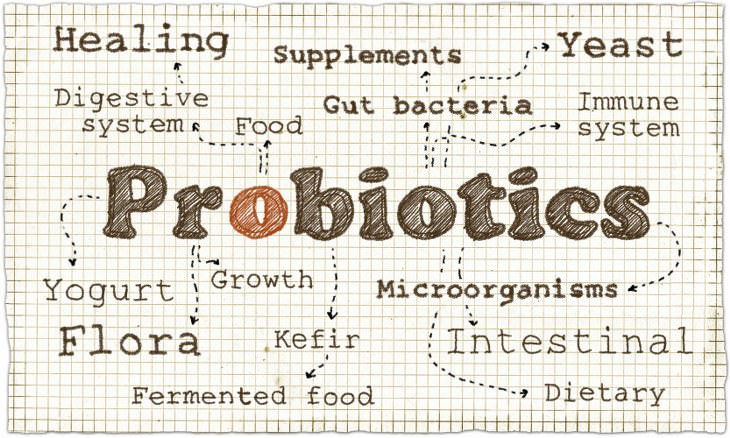
Probiotics are a kind of 'good bacteria' that provide us with a great wealth of health benefits. They are found naturally in breast milk and fermented foods, and make up a good portion of the ancestral human diet. However, there is a recent growing trend of commercial products containing probiotics, and while many are hailing this as a great step forward, others are starting to voice some concerns.
Are Probiotics Good for You? Here's What Science Says...

According to the World Health Organization (WHO), probiotics are “live microorganisms which, when administered in adequate amounts, confer a health benefit on the host.” The main issue arises from the fact that ingesting billions of live organisms doesn't inherently mean you'll be receiving any health benefits, and this isn't something that you'll learn from browsing the aisles of a health food shop. 
 
However, the director of the Microbiome Institute, Jack Gilbert, highlights the most troubling issue through his article in 'Nautilus: a Dearth of Research.' “The lack of clinical trials demonstrating efficacy is the major obstacle to knowing whether [probiotics] are better than existing formulations that have been shown clinically to help with diarrhea and atopy. Claims that probiotic mixtures will help to support overall health are still woefully unproven.”

Let's take yogurt as an example, which typically contains two dominant strains of bacteria, namely Lactobacillus bulgaricus and Streptococcus thermophilus. The problem here is that neither of these is resilient enough to get through the acidic gastrointestinal tract alive, rendering their benefits essentially useless. However, certain types of yogurts are enriched with different strains, which are able to get through the gastrointestinal tract in one piece. A couple of examples are Yakult, which contains live Lactobacilli, and Activia, which contains live Bifidobacteria, both of which have been concluded to be of benefit to us. 
 
In the meantime, researchers have been uncovering connections between serious health issues, like autism and Parkinson's disease, and the presence of gut bacteria. They're also looking into the potential impact that gut bacteria have on the efficacy of medication, and are looking for ways to use probiotics to tailor-make cures for a whole range of diseases, as well as to extend the lifespan of human beings. 
 
However, for the time being, we should all temper our optimism with a healthy dose of scientific skepticism. Probiotics are certainly not a 'cure-all' and you'd do better to opt for products designed to target a specific area, as opposed to those that claim to promote more general well-being.

This is only for your information, kindly take the advice of your doctor for medicines, exercises and so on.   

https://gscrochetdesigns.blogspot.com. one can see my crochet creations  
https://gseasyrecipes.blogspot.com. feel free to view for easy, simple and healthy recipes    
https://kneereplacement-stickclub.blogspot.com. for info on knee replacement
https://cancersupportindia.blogspot.com  for infor on cancer and health related topics
https://GSiyers home remedies.blogspot.com   is the latest addition to my blogs. I'm going to add posts there, do give me your valuable feed back on my blogs. Thanks a lot, take care, be healthy and be happy.

Labels: , , , ,

Tuesday, November 01, 2022

Researchers Find a Bacterial Cause of Rheumatoid Arthritis

Rheumatoid arthritis is one of the most mysterious health conditions. Even though it’s widespread - affecting 1% of the world population, including over 1.3 million Americans as per the Rheumatoid Arthritis Support Network - we still don’t know what triggers it. Researchers from the University of Colorado Denver say they found the cause - the overgrowth of a bacterium called Prevotella copri in the gut.
 
Understanding Rheumatoid Arthritis (RA)
RA is an autoimmune condition that begins when the immune system mistakenly attacks its own healthy tissues. Apart from the joints, rheumatoid arthritis can damage other body parts, such as the heart, blood vessels, lungs, skin, and vision. 
 
Symptoms of rheumatoid arthritis include: 
 
- Joint stiffness, especially in the morning 
 
- Tender and swollen joints that feel warm to the touch 
 
- Firm bumps under the skin, commonly around the elbows. 
 
The Centers for Disease Control and Prevention (CDC) suggest that mild symptoms of the disease usually appear around age 60 and gradually worsen over time, but RA can sometimes affect people in their 30s to 50s too.

Patients suffering from RA may also experience fatigue, loss of appetite, and fever years before the joint symptoms appear. That’s because the antibodies that damage the body’s own cells appear in the blood years before the onset of the first recognizable arthritis symptoms.

This naturally makes us ask the question - what known factors contribute to the development of rheumatoid arthritis? For a while, we’ve known that genetics and lifestyle habits like smoking and diet play a role, but a growing body of research also suggests that intestinal dysbiosis, or an imbalance of gut microorganisms, may also be responsible for the appearance of RA. 
 
More recently, scientists have managed to isolate a particular bacterium implicated in the development of rheumatoid arthritis - Prevotella copri. 
 
What is Prevotella copri (P. copri)?  
P. copri is generally considered a friendly gut bacterium that aids in the digestion of dietary fiber. The bacterium is even associated with improved glucose metabolism and a reduction in visceral fat (fat that develops between the internal organs). On the flip side, some scientists have linked P.copri to hypertension, insulin resistance, and chronic gut inflammation.

To that list of dangerous effects, a recent study published in Arthritis and Rheumatology has also added P. copri’s ability to trigger rheumatoid arthritis. The researchers found antibodies to P. copri in the blood sample of people with rheumatoid arthritis and those with an increased risk of the disease. 
 
A study has found high levels of antibodies against a protein from a gut bacterium in people at risk of rheumatoid arthritis and those who already have the disease. A different study from 2019 that analyzed the gut bacteria species in people with RA also more Prevotella bacteria in samples taken from rheumatoid arthritis patients compared to controls. Lastly, an even earlier study specified that 75% of people recently diagnosed with rheumatoid arthritis had P. copri in the GI system contrasted with only 20% of healthy controls. 
 
This evidence suggests that either the presence or an overgrowth of P. copri seems to contribute to the development of rheumatoid arthritis. 
 
Gut Bacteria May Be Linked to Autoimmune Conditions
The authors believe that P. copri can travel from the gut into the bloodstream, where it triggers an inflammatory immune response. The bacterium may even be able to reach the joints and cause inflammation there. 
 
The 2022 study we reviewed in depth examined specific antibodies in the blood that target P.copri. These two antibodies, called IgA and IgG, are known to provoke chronic inflammation. 98 patients with rheumatoid arthritis and 67 with an increased risk of rheumatoid arthritis, and an equal number of healthy control subjects were involved in the study. When compared to controls, the participants with rheumatoid had elevated levels of both antibodies, whereas those with a higher risk of RA had increased levels of just IgG. 
 
These results suggest that P.corpi can cause inflammation in the joints or even contribute to the early onset of rheumatoid arthritis. In addition, these findings point to the fact that an overgrowth of gut microbiota may play a more significant role than anticipated in the development of autoimmune diseases in general. That being said, the authors of the 2022 study recognize that P. copri may be the trigger behind only a subset of RA patients, as other gut bacteria and non-bacterial causes may also be able to increase inflammation and cause the condition.

Can treating gut dysbiosis help rheumatoid arthritis?
Gut Bacterium & Rheumatoid Arthritis salad
An unhealthy diet and elevated stress levels are known to exacerbate the symptoms of rheumatoid arthritis. So, would the inverse be true as well? Could things like taking probiotics or maintaining a healthy diet reduce symptoms of RA or even reduce the risks of developing this condition? 
 
There’s some emerging research that says ‘yes’! For example, a paper from 2020 found that maintaining a Mediterranean diet can reduce inflammation in patients with rheumatoid arthritis. According to the study, the participants also had a healthier gut microbiome, almost completely free of P. copri.
 
In addition, probiotics can slow down the progression of RA and lower the risk of side effects in RA patients on immunosuppressant medication according to research. Last but not least, rheumatologists say that a combination of moderate exercise, not smoking, and a healthy diet can address gut dysbiosis and reduce the risk of RA.


This is only for your information, kindly take the advice of your doctor for medicines, exercises and so on.   

https://gscrochetdesigns.blogspot.com. one can see my crochet creations  
https://gseasyrecipes.blogspot.com. feel free to view for easy, simple and healthy recipes    
https://kneereplacement-stickclub.blogspot.com. for info on knee replacement

https://GSiyers home remedies.blogspot.com     is my latest addition to my blogs. I'm going to add posts there, do give me your valuable feed back on my blogs. Thanks a lot, take care, be healthy and be happy.

Labels: , , , , , , ,