Wednesday, February 14, 2024

14 Fantastic Natural Sources of Healthy Fiber!

You've probably heard of fiber, but you may not know exactly what it is and why it is important to get your daily dose. 
 
Dietary fiber is best known for its ability to prevent or relieve constipation, but this naturally occurring nutrient has other health benefits as well, including lowering the risk of diabetes and heart disease and helping maintain a healthy weight. Fiber includes all the parts of plant foods that our body can't digest, which is it ironically helps get your digestion going. 
 
There are two kinds of fiber: soluble, the kind that dissolves in water, and insoluble fiber, the type that promotes the movement of material through the digestive system. Most plant-based foods contain both soluble and insoluble fiber, although not in equal amounts, which means it is best to eat a variety of foods rich in fiber. In general, above the age of 50, men should consume 30 grams and women 21 grams of fiber each day. 
 
Here are the foods that will help you the most with your fiber dose, and you probably eat some of them every day!
 
Apples  
One medium-sized apple contains about 17 percent of the daily recommended value for fiber intake, about 4.4 grams. Apples also have less than 100 calories and are probably already a staple snack in your diet. Make sure to leave on the skin when you eat the apple, because it contains all of the fiber. 
 
Walnuts 
Only a handful of walnuts contains about 2 grams of fiber, 8 percent of your daily value, and has only 190 calories. Add walnuts to your morning yogurt or pack them as a healthy snack and you're good to go. Walnuts are also great additions to salad and deserts.


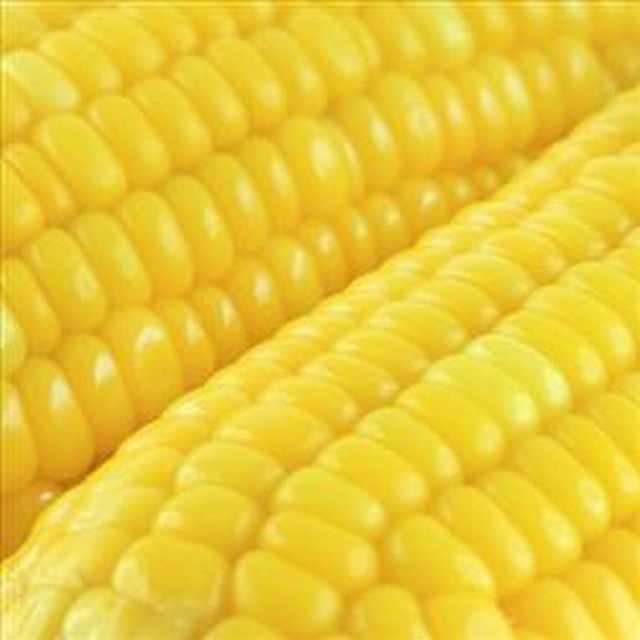
Sweet Corn (Yellow)  
A favorite snack of the summer months. Each 6-inch ear of corn has 1.5 grams of fiber in it, and a 12 ounce can has nearly twice that! Eat sweet corn just as it is, or add it to your favorite dishes to get enough fiber in your diet
 
 
Oatmeal 
A great way to start off the day, oatmeal is high in fiber and so good for you! Not only does 1 cup of oatmeal contain 16 percent of your daily value and only 160 calories, oatmeal will also help lower cholesterol. You can eat oatmeal plain or add berries to up the fiber content even more! 
 
 
 Lentils 
In a soup or as a side, lentils are one of the fiber-richest legumes. They are also great sources of protein, folate, vitamins and iron. Just a cup of lentils contains 63 percent of your daily amount of fiber. artichoke 
 
 
Artichokes 
Of course artichokes are good for you! One medium artichoke can provide you with nearly half of the daily recommended amount of fiber, along with a number of other nutrients. Artichokes are also very low in calories, with only 64 calories per medium-sized artichoke, so eat up! 
 
 
Broccoli 
This deep green vegetable is super rich in fiber, with one cup providing over two grams of fiber and 9 percent of the daily value. However, it is important to know that when the broccoli is steamed or cooked, it loses a good deal of its nutritional value and becomes more of a carbohydrate than anything else. So try to consume as much raw broccoli as possible, either in salads or as a snack. 
 
 
Shredded Wheat Cereal 
Believe it or not, some breakfast cereals can be healthy! One cup of sugar-free shredded wheat cereal contains about 9 grams of fiber, 36 percent of your daily value.


Brussels Sprouts
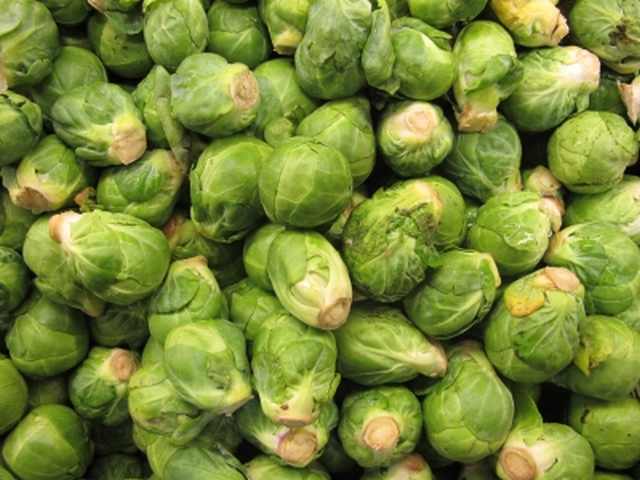
 brussels sprouts
If you're not a fan of Brussels sprouts its ok to refrain from this one, but if you do like them or are willing to try, they are an excellent source of fiber and other nutrients. One cup of cooked Brussels sprouts contains about a quarter of the daily recommended value of fiber and are low in calories, only 65 per serving. 


Bulgur Wheat 
 The fiber-rich cousin of couscous, bulgur wheat is rich in both protein and fiber. One cup of cooked bulgur wheat contains 33 percent of the daily value of fiber, and can be eaten for breakfast, lunch and dinner depending what spices are added to it. 
 
 
Brown Rice 
Brown rice is rich in insoluble fiber, which can help relieve constipation and help keep you regular. Add it as a side dish to your daily serving of protein and you will take care of nearly 14 percent of your daily value with only one cup. 
 
Prunes 
Dry fruit is traditionally known as a quick source of fiber, but not the amounts you may have thought. About 6 dried prunes contain 3.6 grams of fiber, or 14 percent of the daily value, which is good, but not amazing. However, prunes are full of plenty of other nutrients that make them worthwhile for eating. 
 
 
Navy Beans 
When it comes to fiber-rich fruits and vegetables, navy beans steal the show. With 19.1 grams of fiber in one cup of cooked beans, you will take care of 76 percent of your fiber intake in a flash!
 
 
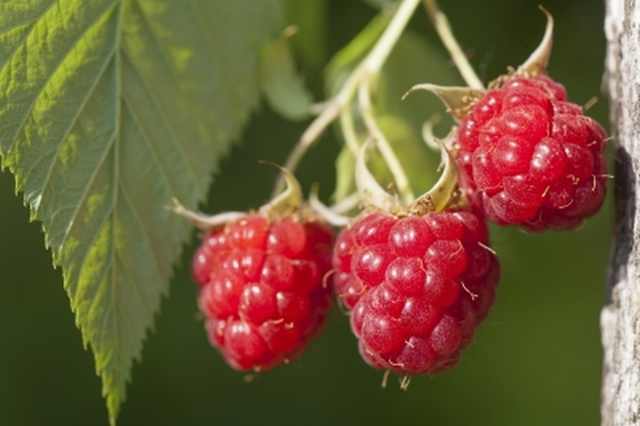
Raspberries
Who doesn't love red and sweet raspberries? Well, the good news is that these berries taste great and are an excellent source of fiber. One cup of raspberries contains nearly 32 percent of your daily value and can be enjoyed at any time of the day as a sweet, nourishing, and low calorie treat! 
 
**REMEMBER – Drink enough water to get the most of your fiber intake!**

This is only for your information, kindly take the advice of your doctor for medicines, exercises and so on.   

https://gscrochetdesigns.blogspot.com. one can see my crochet creations  
https://gseasyrecipes.blogspot.com. feel free to view for easy, simple and healthy recipes    
https://kneereplacement-stickclub.blogspot.com. for info on knee replacement
https://cancersupportindia.blogspot.com  for infor on cancer and health related topics
https://GSiyers home remedies.blogspot.com   is the latest addition to my blogs. I'm going to add posts there, do give me your valuable feed back on my blogs. Thanks a lot, take care, be healthy and be happy.

Labels: , , , , , , , , , , , , , ,

Tuesday, September 14, 2021

14 Fantastic Natural Sources of Healthy Fiber!

You've probably heard of fiber, but you may not know exactly what it is and why it is important to get your daily dose. Dietary fiber is best known for its ability to prevent or relieve constipation, but this naturally occurring nutrient has other health benefits as well, including lowering the risk of diabetes and heart disease and helping maintain a healthy weight. Fiber includes all the parts of plant foods that our body can't digest, which is it ironically helps get your digestion going. 
 
There are two kinds of fiber: soluble, the kind that dissolves in water, and insoluble fiber, the type that promotes the movement of material through the digestive system. Most plant-based foods contain both soluble and insoluble fiber, although not in equal amounts, which means it is best to eat a variety of foods rich in fiber. In general, above the age of 50, men should consume 30 grams and women 21 grams of fiber each day. 
 
Here are the foods that will help you the most with your fiber dose, and you probably eat some of them every day!
 
Apples  apple
One medium-sized apple contains about 17 percent of the daily recommended value for fiber intake, about 4.4 grams. Apples also have less than 100 calories and are probably already a staple snack in your diet. Make sure to leave on the skin when you eat the apple, because it contains all of the fiber.  
 
Walnuts 
Only a handful of walnuts contains about 2 grams of fiber, 8 percent of your daily value, and has only 190 calories. Add walnuts to your morning yogurt or pack them as a healthy snack and you're good to go. Walnuts are also great additions to salad and deserts. corn
 
Sweet Corn (Yellow)  
corn
A favorite snack of the summer months. Each 6-inch ear of corn has 1.5 grams of fiber in it, and a 12 ounce can has nearly twice that! Eat sweet corn just as it is, or add it to your favorite dishes to get enough fiber in your diet 
 
Oatmeal 
A great way to start off the day, oatmeal is high in fiber and so good for you! Not only does 1 cup of oatmeal contain 16 percent of your daily value and only 160 calories, oatmeal will also help lower cholesterol. You can eat oatmeal plain or add berries to up the fiber content even more!
 
 Lentils 
In a soup or as a side, lentils are one of the fiber-richest legumes. They are also great sources of protein, folate, vitamins and iron. Just a cup of lentils contains 63 percent of your daily amount of fiber. 

Artichokes artichoke
Of course artichokes are good for you! One medium artichoke can provide you with nearly half of the daily recommended amount of fiber, along with a number of other nutrients. Artichokes are also very low in calories, with only 64 calories per medium-sized artichoke, so eat up!


Broccoli 
This deep green vegetable is super rich in fiber, with one cup providing over two grams of fiber and 9 percent of the daily value. However, it is important to know that when the broccoli is steamed or cooked, it loses a good deal of its nutritional value and becomes more of a carbohydrate than anything else. So try to consume as much raw broccoli as possible, either in salads or as a snack. 
 
Shredded Wheat Cereal  
Believe it or not, some breakfast cereals can be healthy! One cup of sugar-free shredded wheat cereal contains about 9 grams of fiber, 36 percent of your daily value.  
 
Brussels Sprouts  brussels sprouts
If you're not a fan of Brussels sprouts its ok to refrain from this one, but if you do like them or are willing to try, they are an excellent source of fiber and other nutrients. One cup of cooked Brussels sprouts contains about a quarter of the daily recommended value of fiber and are low in calories, only 65 per serving.  
 
Bulgur Wheat 
The fiber-rich cousin of couscous, bulgur wheat is rich in both protein and fiber. One cup of cooked bulgur wheat contains 33 percent of the daily value of fiber, and can be eaten for breakfast, lunch and dinner depending what spices are added to it.  
 
Brown Rice  
Brown rice is rich in insoluble fiber, which can help relieve constipation and help keep you regular. Add it as a side dish to your daily serving of protein and you will take care of nearly 14 percent of your daily value with only one cup.  
 
Prunes 
Dry fruit is traditionally known as a quick source of fiber, but not the amounts you may have thought. About 6 dried prunes contain 3.6 grams of fiber, or 14 percent of the daily value, which is good, but not amazing. However, prunes are full of plenty of other nutrients that make them worthwhile for eating. 
 
Navy Beans  
When it comes to fiber-rich fruits and vegetables, navy beans steal the show. With 19.1 grams of fiber in one cup of cooked beans, you will take care of 76 percent of your fiber intake in a flash! 
 
Raspberries raspberries
Who doesn't love red and sweet raspberries? Well, the good news is that these berries taste great and are an excellent source of fiber. One cup of raspberries contains nearly 32 percent of your daily value and can be enjoyed at any time of the day as a sweet, nourishing, and low calorie treat! 
 
**REMEMBER – Drink enough water to get the most of your fiber intake!**

This is only for your information, kindly take the advice of your doctor for medicines, exercises and so on.   

https://gscrochetdesigns.blogspot.com. one can see my crochet creations  
https://gseasyrecipes.blogspot.com. feel free to view for easy, simple and healthy recipes    
https://kneereplacement-stickclub.blogspot.com. for info on knee replacement

Labels: , , , , , , , , , , , , , ,

Sunday, June 13, 2021

The 10 Healthiest Beans and Other Legumes

As every health and nutrition nut will know, beans and other legumes are a must-have in everyone’s diet because they are extremely rich in fiber and packed with plant proteins, essential micronutrients and vitamins. And while that is certainly true of all legumes, it disregards the fact that each variety, be it lentils, chickpeas, soya beans or kidney beans, has its unique properties, benefits, and uses. Let’s take a closer look at 10 of the healthiest and most widely accessible legumes (in no particular order) and find out which ones are best suited for you.

Why Should You Eat Legumes?
The 10 Healthiest Beans and Lentils different legumes macro shot with wooden spoon
Apart from having an excellent nutrient profile, legumes are also known for their ability to boost cardiovascular health, help stabilize blood sugar levels and other noteworthy health benefits we have previously covered in the article 9 Amazing Health Benefits of Beans. Legumes are especially beneficial if you’re a vegetarian or vegan, or if you’re simply trying to cut down on your consumption of meat, as they will be able to supply you with the B vitamins and proteins that are otherwise difficult to get from plant-based foods.  
 
1. Chickpeas
The 10 Healthiest Beans and Lentils Chickpeas
Nutrients in 1 cup (164 grams) of Cooked Chickpeas: 
Calories: 269 
Fiber: 12.5 g 
Protein: 14.5 g
Fats: 7.8 g 
Carbohydrates: 38 g 
Vitamin B9 (folate): 71% of the Reference Daily Intake (RDI) 
Copper: 29% of the RDI 
 Iron: 26% of the RDI 
 
 Chickpeas, also known as garbanzo beans, are very versatile, as they can be included in curries and stews, baked with spices to yield a healthy savory snack, or used to prepare hummus. However, their versatility is far from being their only virtue, as chickpeas have a whole host of health benefits as well. 
 
For one, chickpeas have been proven to be beneficial for reducing blood sugar levels and reducing insulin resistance, and can also improve your digestion by reducing the number of harmful gut bacteria. Finally, garbanzo beans may have cholesterol normalizing properties, therefore reducing one's risk of cardiovascular issues. 
 
2. Black Beans

The 10 Healthiest Beans and Lentils Black Beans
Nutrients in 1 cup (172 grams) of Cooked Black Beans: 
Calories: 227 
Fiber: 15 g 
Protein: 15.2 g 
Fats: 0.9 g 
Carbohydrates: 40 g 
Vitamin B1 (thiamine): 28% of the RDI 
Vitamin B9: 64% of the RDI 
Manganese: 38% of the RDI 
Magnesium: 30% of the RDI 
Iron: 20% of the RDI 
 
Black beans and rice are a staple food in many countries, and it turns out that eating rice with the beans actually makes you healthier. This is because beans are high in protein and fiber, which means that they are somewhat slower to digest. When eaten with rice, which is higher on the glycemic index, and so is more likely to cause sugar spikes, the beans slow down the absorption of the sugar from the rice into the blood, yielding in an overall steadier blood sugar level. That's why black beans are great at protecting you from metabolic syndrome, diabetes, and even obesity. 
 
3. Peas
The 10 Healthiest Beans and Lentils peas in a pod
Nutrients in 1 cup (160 grams) of Cooked Peas: 
Calories: 125 
Fiber: 8.8 g 
Protein: 8.2 g 
Fats: 3.2 g 
Carbohydrates: 11 g 
Vitamin B1: 30% of the RDI 
Vitamin B9: 24% of the RDI 
Vitamin K: 48% of the RDI 
Manganese: 22% of the RDI
 
​​Peas come in different varieties, but they're all an excellent low-calorie source of fiber and protein, which makes them pretty good for weight loss. Apart from that, eating peas promotes the growth of beneficial gut bacteria, particularly Lactobacilli and Bifidobacteria, so they're pretty effective at boosting gut health. 
 
Pea flour may also be an excellent substitution for wheat flour for those at risk of the development of metabolic syndrome and type 2 diabetes, as suggested in recent research. ​
 
4. Lentils
The 10 Healthiest Beans and Legumes
Nutrients in 1 cup (198 grams) of Cooked Lentils: 
Calories: 230 
Fiber: 15.6 g 
Protein: 17.9 g 
Fats: 0.8 g 
Carbohydrates: 39.9 g 
Vitamin B1: 22% of the RDI 
Vitamin B6: 18% of the RDI 
Vitamin B9: 90% of the RDI 
Copper: 25% of the RDI 
Iron: 37% of the RDI 
Phosphorous: 36% of the RDI 
Potassium: 21% of the RDI 
Manganese: 49% of the RDI ​​
 
As you can see by yourself, lentils have a really impressive nutritional profile, containing not only tons of fiber and protein, but also impressive quantities of B vitamins, iron, and other minerals. Th
is is why lentils are an excellent addition to a diet low or free of animal products. 
 
It needs to be mentioned that there are several varieties of lentils, with each type having a slightly different, but similar nutrition profile. Red and black lentils are typically used in soups, whereas green or brown ones can be eaten as a side dish, combined with sauces and pasta for a quick evening pasta dish, or mixed with veggies and turned into a hearty stew. 
 
Lentils are known for their various health benefits, particularly for their ability to improve digestion and bowel function. Studies also suggest that lentils help reduce blood sugar spikes by promoting a slower and more steady absorption of sugar in the blood, so they may be beneficial for diabetes prevention as well.
 
5. Kidney Beans
The 10 Healthiest Beans and Lentils Kidney Beans
Nutrients in 1 cup (256 grams) of Cooked Kidney Beans: 
Calories: 215 
Fiber: 13.6 g 
Protein: 13.4 g 
Fats: 0.8 g 
Carbohydrates: 38.6 g 
Vitamin B1: 20% of the RDI 
Vitamin B9: 23% of the RDI 
Copper: 17% of the RDI 
 Iron: 17% of the RDI 
Manganese: 22% of the RDI
 
​​Though kidney beans don't have the most impressive vitamin and mineral profile, they have been proven to be good for promoting weight loss and preventing sugar spikes when you're eating high glycemic foods like rice or white bread. On a similar note, kidney beans may benefit weight loss in general. In one weight loss study, patients who took white kidney bean extract for 1 month lost 2.5 kg (5.5 lbs) more on average than the controls who took a placebo.

6. Navy Beans
The 10 Healthiest Beans and Lentils navy beans
Nutrients in 1 cup (182 grams) of Cooked Navy Beans
Calories: 255 
Fiber: 19 g 
Protein: 15 g 
Fats: 1.1 g 
Carbohydrates: 47 g 
Vitamin B1: 29% of the RDI 
Vitamin B9: 64% of the RDI 
Manganese: 48% of the RDI 
Magnesium: 24% of the RDI 
Iron: 24% of the RDI
 
Navy beans, also known as haricot beans, are another staple food, especially in the navy kitchens of the United States, and for good reason, as they're among the best plant sources of B vitamins, as well as fiber and protein, like all legumes. Capable of lowering cholesterol levels and promoting healthy digestion makes navy beans, similarly to most beans, a great choice for people at risk of metabolic syndrome or obesity. 
 
7. Adzuki Beans
The 10 Healthiest Beans and Lentils Adzuki Beans
Nutrients in 1 cup (197 grams) of Cooked Adzuki Beans
Calories: 250 
Fiber: 15 g 
Protein: 15 g 
Fats: 1 g 
Carbohydrates: 48 g 
Vitamin B9: 30% of the RDI 
Manganese: 29% of the DV 
Phosphorus: 17% of the DV 
Potassium: 15% of the DV ​​
 
Who said beans have to be savory? These little red beans that originated from the Himalayas prove that beans can be used in desserts as well. It is adzuki beans, also known as red mung beans that are the main ingredient in many popular Asian desserts, such as cake filling and ice cream. If you have a sweet tooth, try using adzuki beans in your desserts, as they have all the incredible insulin-lowering, digestion promoting and weight loss benefits of all legumes, but can be used to prepare delicious desserts. 
 
8. Pinto Beans
The 10 Healthiest Beans and Lentils Pinto Beans
Nutrients in 1 cup (171 grams) of Cooked Pinto Beans
Calories: 245 
Fiber: 15.4 g 
Protein: 15.4 g 
Fats: 1 g 
Carbohydrates: 45 g 
Vitamin B1: 22% of the RDI 
Vitamin B9: 74% of the RDI 
Copper: 29% of the RDI 
Manganese: 39% of the RDI
 
​Pinto beans are a popular bean variety grown worldwide, but especially loved in Mexico, where they're eaten whole, as well as mashed and subsequently fried up. These beans have all the health benefits of other beans we've mentioned on this list and then some. More specifically, they have proven LDL cholesterol-lowering capabilities, so they benefit heart health. Eating these beans also raises the levels of propionate in your gut, which is a type of fatty acid produced by gut bacteria that is associated with digestive health.  
 
9. Mung Beans
The 10 Healthiest Beans and Lentils mung beans
Nutrients in 1 cup (202 grams) of Cooked Mung Beans: 
Calories: 212 
Fiber: 15.4 g 
Protein: 14.2 g 
Fats: 0.8 g 
Carbohydrates: 38.7 g 
Vitamin B1: 22% of the RDI 
Vitamin B9: 80% of the RDI 
Copper: 16% of the RDI 
Iron: 16% of the RDI 
Manganese: 30% of the RDI 
Magnesium: 24% of the RDI 
 
Compared to all other legumes, mung beans have the highest vitamin density, providing a whopping 80% of your recommended daily intake of vitamin B9. These beans are native to India, but they are the most popular in China, where they're used as an ingredient in stir-frys, soups, salads, and other dishes. Like most legumes, mung beans have the potential of aiding weight loss, preventing blood sugar spikes and benefiting heart health. These beans also contain a ton of antioxidants, which can help reduce inflammation and help prevent chronic illnesses and possibly even cancer. 
 
10. Soya Beans
The 10 Healthiest Beans and Lentils soya beans
Nutrients in 1 cup (172 grams) of Cooked Soya Beans: 
Calories: 298 
Fiber: 10.3 g 
Protein: 28.6 g 
Fats: 7.8 g 
Carbohydrates: 16 g 
Vitamin B2 (riboflavin): 29% of the RDI 
Vitamin B9: 23% of the RDI 
Vitamin K: 41% of the RDI 
Copper: 29% of the RDI 
Manganese: 71% of the RDI 
Iron: 49% of the RDI 
Phosphorus: 42% of the RDI
 
Didn't expect to see soy on this list? It's not surprising, as soya beans and products derived from them sometimes have a bad reputation, and undeservedly so, as these legumes are among the healthiest and most well-researched ones, apart from also being the cheapest as well. We discuss this stigma in the article we linked above. 
 
You already know that soy products are very versatile, and most dairy replacements, such as nondairy milks, cheese, and tofu is made of processed soya beans, as is soy sauce. However, few people know that soya beans offer all the beneficial effects of other legumes with the added benefit of improving fertility in women, protecting from breast cancer and reducing menopause symptoms, making it an excellent choice for women of all ages.

This is only for your information, kindly take the advice of your doctor for medicines, exercises and so on.   

https://gscrochetdesigns.blogspot.com. one can see my crochet creations  
https://gseasyrecipes.blogspot.com. feel free to view for easy, simple and healthy recipes    
https://kneereplacement-stickclub.blogspot.com. for info on knee replacement

Labels: , , , , , , , , , ,