Thursday, December 05, 2024

8 Best High-Protein Nuts You Should Be Eating, According to Nutritionists

 If you go nuts for nuts, you’re in for a treat: Those crunchy little morsels are a great source of plant-based protein, plus other essential nutrients. You may be most apt to nosh on nuts as a snack, but they’re super-versatile and can be used in tons of different dishes, both savory and sweet. Plus, since nuts are so nutrient-rich, you don’t need to eat too many to reap their benefit.

“Eating a handful of nuts daily as part of a healthy diet may be good for heart health, brain health and managing your weight because they’re a great source of fiber, protein, healthy unsaturated fatty acids, antioxidants, vitamins and minerals,” says Jerlyn Jones, MS, RD, a registered dietitian and owner of The Lifestyle Dietitian in Atlanta. Getting enough protein is a trendy wellness task these days, and the high-protein nuts below can be a great way to pad your daily intake. 

Wondering how much protein to aim for? The daily value for protein is 50 grams per day based on a 2,000 calorie diet. Or the 0.8 to 1 gram per kilogram body weight. It may vary a bit by factors like age, but in general, adult women should strive to obtain 34 to 46 grams of protein per day and men should shoot for 34 to 56 grams per day, according to the U.S. Department of Agriculture’s 2020–25 Dietary Guidelines for Americans.


Peanuts

 peanuts on a light background close up

America’s favorite nut is actually a legume, like lentils and beans, but we had to include on this list: it offers 7 grams per ounce.

Peanuts are also great sources of folate, niacin and biotin, which can help with hair growth and prevent hair loss, Anita Mirchandani, MS, RD, CDN, a registered dietitian nutritionist in New York says. Don’t peel off the thin, red skin on peanuts cracked from the shell. The skin contains powerful antioxidants, including resveratrol — the same one found in grape skins. Peanut butter is probably the most commonly used form of the peanut, but go for natural peanut butters without added sugar and oils. Mirchandani swirls peanut butter into oatmeal and smoothies and adds it to curries and other sauces.


Almonds

 almond

If we're talking about true nuts (not a legume like peanuts), almonds come out on top. Almonds contain nearly 6 grams of protein per ounce, as well as 3 grams fiber per ounce. Almonds are also high in vitamin E, important for vision and skin health, in particular.

Almonds make a great filling snack, and almond butter can sub in for its peanut counterpart in virtually anything. You can make your own almond butter by simply blending unroasted almonds and a little salt in a blender or food processor until smooth.

Pistachios

 pistachio nuts

Pistachios have 6 grams of protein per ounce, and hold the distinction of being the only nut that’s a complete protein. Complete proteins contain all nine essential amino acids the body needs, but cannot make by itself, including leucine, lysine, tryptophan and more.

Pistachios may help you maintain a healthy weight, as their high fiber paired with the protein may help keep you feeling full for longer. . And they may also help support good sleep, as they're a source of melatonin, magnesium and vitamin B6 — a trio that can help the body calm down and get more restful sleep. “If you need a little post-dinner, pre-bedtime snack, pistachios would be my suggestion,” Mirchandani says. 


Cashews

 cashew on dark rustic table

Cashews are the base for many plant-based sauces, creams and cheeses, thanks to their soft, buttery texture, so they're a popular fixture in vegetarian and vegan diets, and deliver 4 grams of protein per one-ounce serving. “Cashews are multifaceted, and you can blend them into a cream or add to a gravy to boost the nutritional profile,” Mirchandani.


Brazil Nuts

 brazil nuts in wooden bowl

The big Brazil nut has 4 grams of protein per ounce — but because of their size, that translates to just one or two nuts in a serving. They're also high in selenium — one nut provides more than 100% of your daily selenium needs — which has antioxidant properties and is important for thyroid function, immunity, reproductive health and more.

Try not to exceed the serving size, as eating too many Brazil nuts may lead to selenium toxicity over time, which is linked to heart, kidney and nervous system problems.


Hazelnuts

 hazelnut

Also known as filbert nuts, hazelnuts clock in at 4 grams of protein per one-ounce serving. They’re also full of potassium, manganese and magnesium — minerals with anti-inflammatory properties. “They’re a great source of antioxidants and may help reduce blood pressure, as well,” Mirchandani says. 


Pine Nuts

pine nuts

They're actually seeds from a type of pine tree, but they're edible, and pack 4 grams of protein per one-ounce serving. Pine nuts are a key ingredient in pesto, as their creamy texture keeps the condiment from being too runny, so they're excellent blended into other types of sauces, and you'll also receive iron for healthy blood, as well as vitamin E and magnesium.


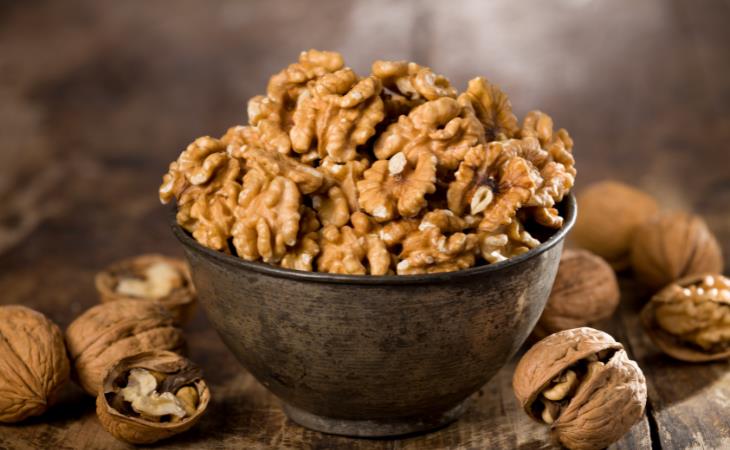
Walnuts

organic walnuts still life

Walnut contain 4 grams of protein per ounce, but their other health benefits are what really makes them shine. They’re also one of the best plant-based sources of anti-inflammatory omega-3 fatty acids and folate, two nutrients that are important for brain health.


This is only for your information, kindly take the advice of your doctor for medicines, exercises and so on.   

https://gscrochetdesigns.blogspot.com. one can see my crochet creations  
https://gseasyrecipes.blogspot.com. feel free to view for easy, simple and healthy recipes    
https://kneereplacement-stickclub.blogspot.com. for info on knee replacement
https://cancersupportindia.blogspot.com  for infor on cancer and health related topics
https://GSiyers home remedies.blogspot.com   is the latest addition to my blogs. I'm going to add posts there, do give me your valuable feed back on my blogs. Thanks a lot, take care, be healthy and be happy.


Labels: , , , , , , ,

Friday, November 22, 2024

7 Foods For Happiness and Better Mental Health, According to an MD

We all have days where everything seems to go wrong. Nothing feels good, and nothing seems to improve your mood. Food, however, can be a powerful tool for turning things around. Although instinct might lead you to think of indulgent comfort foods or decadent desserts, the reality is that the foods we often turn to when we're feeling down aren't the ones with the potential to make us feel better. Whether you're interested in foods to eat for happiness in the long term, or quick bites that won't make you feel worse, we asked an expert to share some of the best foods to help battle depression.

While there's no one superfood that can serve as a cure-all for mental health, what you eat matters — especially as it pertains to energy and mood. If you're feeling down, science says you may actually want to skip the ice cream and pizza. Instead, focus on eating your way to happiness with intention. Here's what you need to know to get started, according to a doctor.

Experts Featured in This Article:

Saurabh Sethi, MD, MPH, is a practicing double board-certified internal medicine and gastroenterology doctor.

Foods For Happiness

Looking for foods to uplift your mood and improve your mental health? Here's some of the best foods to eat for happiness, featuring expert recommendations. As a note, while these foods may help, they should not be used as a replacement for professional mental health care. Make sure to talk to a healthcare professional for any serious concerns or personalized medical advice.

  1. Avocados: The mitochondria may be the powerhouse of the cell, but avocados are the powerhouse of the entire human body. They're filled with nutrients like vitamin E, fiber, folic acid, and potassium, not to mention plenty of healthy fats, which your brain needs in order to run smoothly. Avocados also contain vitamin B6, which helps the body produce serotonin and norepinephrine — both of which affect your mood, per Mount Sinai.
  2. Leafy Greens: Dr. Sethi says dark, leafy greens like kale and spinach are great at fighting against inflammation, which is important when it comes to mood and mental health. "According to a study published in JAMA Psychiatry, severe depression has been linked with brain inflammation," Dr. Sethi says. Another study published in the journal Neurology also found that a diet rich in leafy greens led to sharper memory and slower cognitive decline. Start incorporating greens into more meals by adding it into your smoothies, soups, or omelettes.
  3. Berries: Blueberries. Raspberries. Strawberries. Blackberries. You name it — they're all an incredible source of antioxidants. Dr. Sethi points to a study from the Journal of Nutritional and Environmental Medicine that describes the impact antioxidants may have on mental health. "After two years, those who were treated with antioxidants had a significantly lower depression score," he says. Berries are also sweet and refreshing, making them the perfect thing to snack on for a quick mood boost.
  4. Walnuts: These nuts are extremely rich in omega-3 fatty acids, and, according to Dr. Sethi, this type of fat supports brain function and reduces depression symptoms. If you're looking for a happier state of mind, try snacking on a handful.
  5. Dark Chocolate: Eat more chocolate? If you insist . . . dark chocolate contains antioxidants called flavonoids and polyphenols, both of which may increase feelings of happiness. In fact, one study from the Journal of Nutritional Biochemistry found that those who ate 85 percent dark chocolate daily reported better moods than those who didn't. Just look for a higher percentage of cocoa and indulge in moderation, because too much sugar can have a negative impact on mental health.
  6. Sweet Potatoes: Sweet potatoes are high in vitamin C, which is great for serotonin and dopamine production. Plus, they're magnesium-rich foods, which may also help lower anxiety, according to the Cleveland Clinic.
  7. Coconut: There's a few reasons to eat more coconut. Number one, it tastes amazing. Number two, it's so versatile. And number three (which should probably be number one), coconut is packed with antioxidants, making it a mood-boosting food. One study published in Experimental and Therapeutic Medicine also showed that virgin coconut oil may have anti-stress and antioxidant effects.                                                                     

    This is only for your information, kindly take the advice of your doctor for medicines, exercises and so on.   

    https://gscrochetdesigns.blogspot.com. one can see my crochet creations  
    https://gseasyrecipes.blogspot.com. feel free to view for easy, simple and healthy recipes    
    https://kneereplacement-stickclub.blogspot.com. for info on knee replacement
    https://cancersupportindia.blogspot.com  for infor on cancer and health related topics
    https://GSiyers home remedies.blogspot.com   is the latest addition to my blogs. I'm going to add posts there, do give me your valuable feed back on my blogs. Thanks a lot, take care, be healthy and be happy.

Labels: , , , , , , , , , , , , ,

Tuesday, October 01, 2024

11 Superfoods That Can Lower Breast Cancer Risk

Breast cancer remains one of the most common cancers among women, with more than 2 million cases recorded every year worldwide. Factors like genetics, lifestyle choices, and environmental influences contribute to its prevalence, making awareness and prevention crucial.

While medical advances have improved treatment options for breast cancer, focusing on prevention is a proactive approach to reducing risk. One of the simplest yet powerful ways to support breast health is through diet. Research has shown that certain foods can play a role in lowering the risk of breast cancer. 
 
While no food can completely prevent cancer, certain foods are known to contain nutrients and antioxidants that support your body’s ability to fight the disease. Including these foods in your diet may help reduce your risk of developing breast cancer over time. Here are 11 healthy foods that can help reduce your breast cancer risk.
Superfoods That Can Lower Breast Cancer Risk

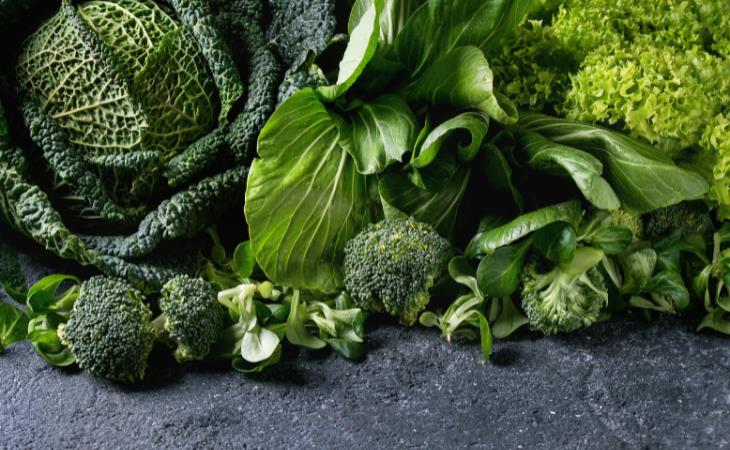
1. Dark leafy greens
 Superfoods That Can Lower Breast Cancer Risk
Kale, spinach, and collard greens are just a few examples of dark, leafy greens that can help combat breast cancer. These vegetables are packed with antioxidants that eliminate cancer-causing free radicals. A 2012 study in the Journal of the National Cancer Institute found that women who consumed dark leafy greens had a much lower risk of developing breast cancer compared to those who didn’t. 
 
These greens are versatile and can be paired with almost any dish. Try sautéing them with garlic and olive oil, or tossing them into salads and sandwiches. They also add great flavor to soups and chilis. 
 
 Some tasty dark leafy greens to consider are: 
 Arugula 
Bok choy 
Collard greens 
Dandelion greens 
Kale 
Mustard greens 
Spinach 
Swiss chard 
Turnip greens 
 
 
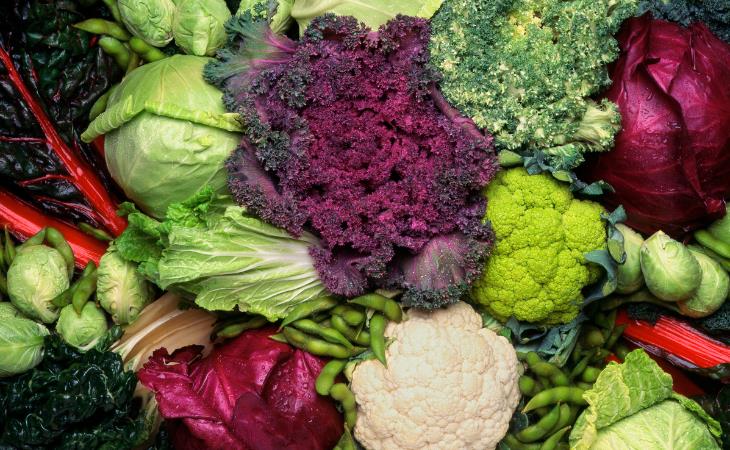
 2. Cruciferous vegetables
Superfoods That Can Lower Breast Cancer Risk
Eating more cruciferous vegetables such as cauliflower, cabbage, and broccoli might lower your risk of breast cancer. These veggies have compounds called glucosinolates that get converted into isothiocyanates in your body, known for their cancer-fighting properties. A study involving 1,493 women from Southern China found that those who consumed higher amounts of these vegetables had a decreased risk of breast cancer.


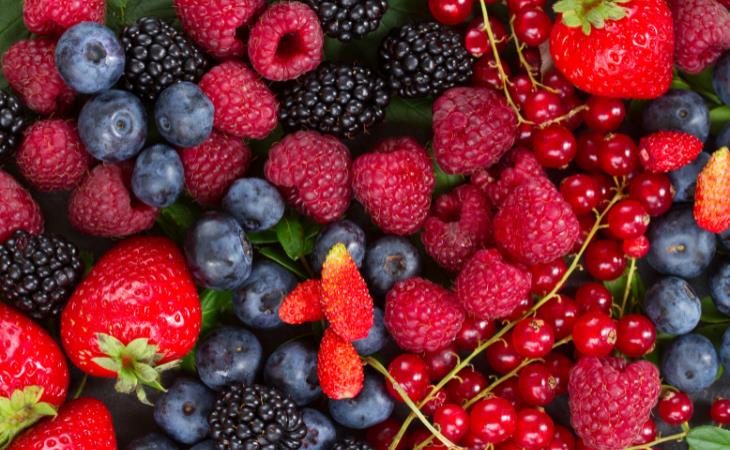
3. Berries
Superfoods That Can Lower Breast Cancer Risk

Berries are loaded with antioxidants and vitamins that keep your cells safe, fix damage, and even slow cancer cell growth. Dark berries, like blackberries and blueberries, are especially rich, having 50% more antioxidants than lighter ones. A study from 2016 in Antioxidants revealed that these berries may help destroy breast tumors and cancer cells. 
 
And the best part? Berries are super easy to add to your meals! Toss them into your cereal, Greek yogurt, or oatmeal, or mix them into a fruit salad. Just opt for fresh berries when you can—dried ones often come with added sugars and lose some nutrients. 
 
Here are some delicious berries to include in your diet: 
Blackberries 
Blueberries 
Boysenberries 
Cranberries 
Elderberries 
Lingonberries 
Raspberries 
Strawberries 
 
 
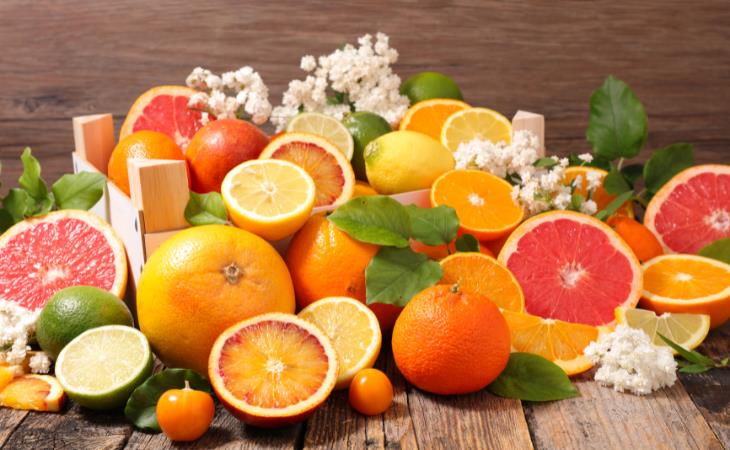
4. Citrus fruits
Superfoods That Can Lower Breast Cancer Risk
Packed with vitamin C, folate, calcium, and more, citrus fruits may help ward off breast cancer. A study from 2013 in the Journal of Breast Cancer found that women who ate more citrus fruits had a 10% lower risk of getting breast cancer. Citrus fruits make a tasty snack on their own and can add a zesty kick to your tea or water. They’re also perfect for spicing up salsas, marinades, salads, and desserts. 
 
Varieties of citrus fruits include:
Clementines 
Grapefruits 
Kumquats 
Lemons 
Limes 
Oranges 
Pomelos 
Tangerines 
Tangelos 


5. Fermented foods
Superfoods That Can Lower Breast Cancer Risk
Fermented foods are packed with probiotics, helpful bacteria that boost your gut health. These probiotics can also shield your body from harmful toxins linked to breast cancer. Research shows they can even strengthen your immune system to fight cancer. 
 
Try out these fermented foods: 
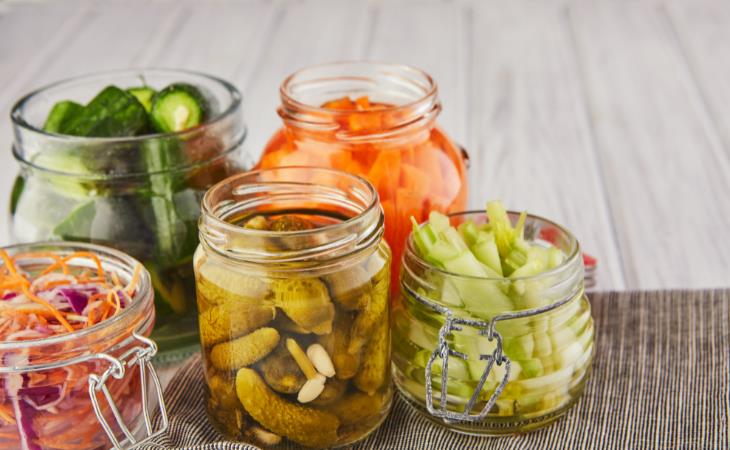
Apple cider vinegar 
Kefir - think drinkable 
yogurt 
Kimchi - spicy 
Korean cabbage 
 Kombucha - fizzy tea with a sweet twist 
Miso, 
Natto, and more 
 
These foods not only help with digestion but also come with antioxidants to lower breast cancer risk. Give them a go to see which you enjoy. 
 
 
6. Fatty fish
Fish like salmon and sardines are rich in beneficial fats and antioxidants, which help lower inflammation linked to breast cancer. A 2020 study revealed that women eating plenty of fatty fish had reduced breast cancer risks. 
 
Cook these fish by baking or smoking, or toss them into tacos and sandwiches for a delicious meal. 
 
Here are some fatty fish to consider: 
Anchovies 
Herring 
Kippers 
Mackerel 
Pilchards 
Salmon 
Sardines 
Trout 
Tuna


7. Beans
 Superfoods That Can Lower Breast Cancer Risk
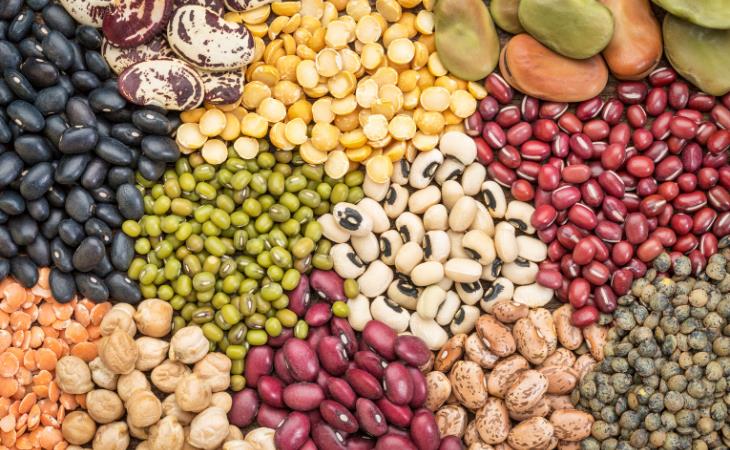
Beans are a great source of fiber, vitamins, and minerals. Their fiber content could play a role in reducing breast cancer risk. A study from 2018 with more than 4,000 women revealed that high bean consumption was linked to a 20% decrease in breast cancer risk. Similarly, a 2020 study showed that women who ate beans had a 28% lower risk compared to those with the least intake. 
 
When shopping for beans, try to avoid canned ones because they tend to have high sodium and additives. Dry beans are a better option—they’re inexpensive, easy to store, and can be quickly cooked in a pressure cooker. 
 
Beans are incredibly versatile, perfect for soups, chili, stews, and burritos, and can even be used in vegan desserts like brownies. 
 
Beans that might help reduce breast cancer risk include: 
Black beans 
Chickpeas 
Kidney beans 
Lentils 
Navy beans 
Peas 
Pinto beans 
Soybeans 
 
 
 8. Allium veggies
Superfoods That Can Lower Breast Cancer Risk

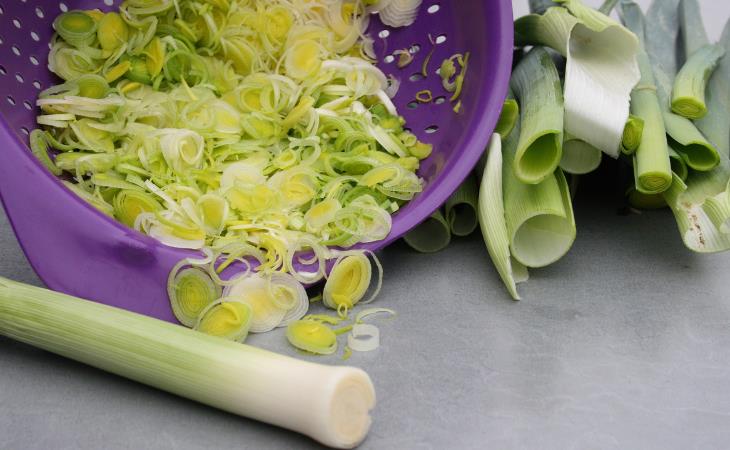
While "allium" is Latin for garlic, this group includes other vegetables that might help reduce breast cancer risk. Allium veggies are loaded with vitamin C, antioxidants, and sulfur compounds that can prevent blood clots and boost the immune system. Per a 2016 study in the Journal of Breast Cancer, eating lots of raw garlic and leeks was linked to a lower breast cancer risk. 
 
Allium veggies include: 
Chives 
Garlic 
Leeks 
Onions 
Scallions 
 Shallots 
 
They're great in stir-fries, soups, or salads, enhancing both taste and health benefits.  
 
 
9. Herbs and spices
Superfoods That Can Lower Breast Cancer Risk
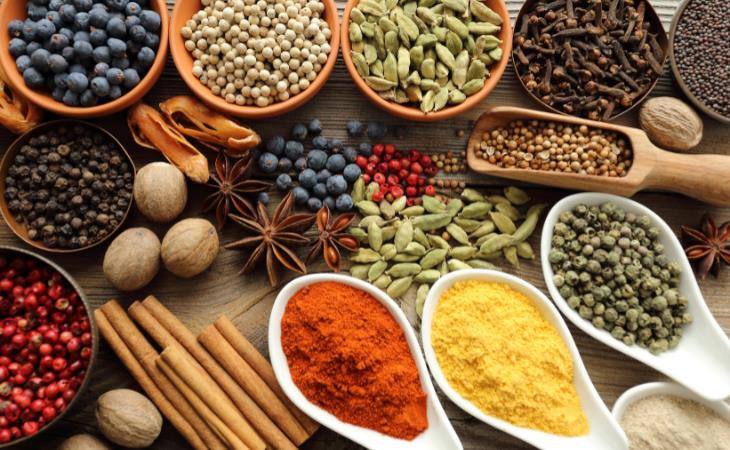
Herbs and spices are rich in plant compounds like vitamins, fatty acids, and polyphenol antioxidants that may help guard against breast cancer. Oregano, for instance, contains carvacrol and rosmarinic acid, antioxidants that a 2017 study found to be effective against aggressive breast cancer cells. Turmeric's curcumin and parsley's apigenin also have strong anticancer properties.

Including a variety of herbs and spices like thyme, curry mixes, and ginger in your meals can provide these benefits. 
 
 
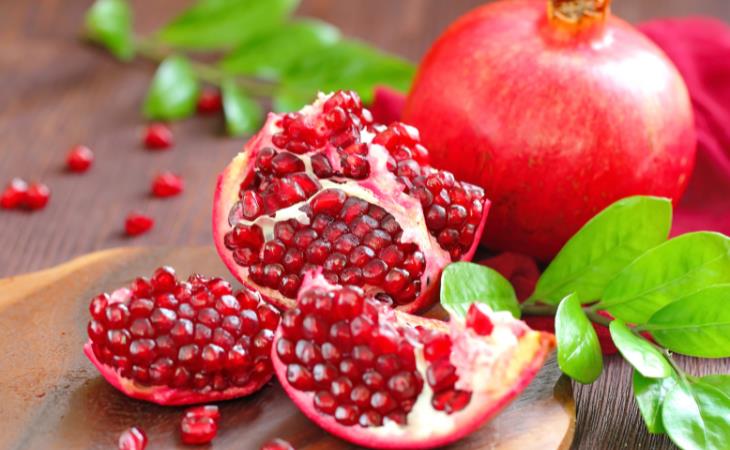
10. Pomegranate
 Superfoods That Can Lower Breast Cancer Risk
 
Research has found that pomegranates might help prevent and combat estrogen-related cancers like breast cancer. A 2010 study from Cancer Prevention Research found that they contain ellagitannins, which can inhibit the growth of cancer cells. Fermented pomegranate juice was found to reduce breast cancer lesions by 75% to 90% in a 2015 study published in Oxidative Medicine and Cellular Longevity. 
 
Incorporating pomegranate juice into your routine is super easy. You can enjoy whole pomegranates by snacking on the seeds or tossing them into salads, oatmeal, yogurt, or smoothies.  
 
 
11. Walnuts
Superfoods That Can Lower Breast Cancer Risk

Rich in beneficial fats, walnuts could be a nut worth cracking for breast cancer defense. Research from 2015 linked high walnut consumption with a reduced breast cancer risk by 2-3 times.
 
In a study with breast cancer patients, eating walnuts daily for a few weeks changed key gene activities related to cancer. Furthermore, a 2016 lab study found walnut components could reduce breast cancer cell proliferation by 63%.

Breast cancer diet: Foods to avoid

Just as some foods can help guard against breast cancer, there are those that might raise your risk. It's wise to cut back on or steer clear of: 
 
Alcohol: Even moderate drinking can up the risk. Limit to one drink per day or less for women. 
 
Red and processed meats: Bacon, sausages, and red meats, when eaten often, have been linked to higher breast cancer risks. Opt for lean proteins instead. 
 
Sugary drinks and foods: High sugar intake can lead to weight gain, which is a risk factor for breast cancer. Choose water or unsweetened teas over sodas and limit sweets. 
 
Trans fats: Found in some margarines, baked goods, and fried foods, these fats should be minimized. Look for "partially hydrogenated oils" in the ingredients list. 
 
Highly processed foods: Foods with lots of preservatives, additives, or those that are heavily refined can contribute to health issues like breast cancer. Go for whole, natural foods when possible. 
 
Refined carbs: Diets high in refined carbohydrates, such as the typical Western diet, may elevate the risk of developing breast cancer. Consider substituting refined carbs like white bread and sugary baked goods with whole grain products and nutrient-rich vegetables. 
 
Take a proactive step towards reducing your risk of breast cancer by cutting down on these items in your diet. Your health is worth it!


This is only for your information, kindly take the advice of your doctor for medicines, exercises and so on.   

https://gscrochetdesigns.blogspot.com. one can see my crochet creations  
https://gseasyrecipes.blogspot.com. feel free to view for easy, simple and healthy recipes    
https://kneereplacement-stickclub.blogspot.com. for info on knee replacement
https://cancersupportindia.blogspot.com  for infor on cancer and health related topics
https://GSiyers home remedies.blogspot.com   is the latest addition to my blogs. I'm going to add posts there, do give me your valuable feed back on my blogs. Thanks a lot, take care, be healthy and be happy.

Labels: , , , , , , , , , , ,

Wednesday, February 14, 2024

14 Fantastic Natural Sources of Healthy Fiber!

You've probably heard of fiber, but you may not know exactly what it is and why it is important to get your daily dose. 
 
Dietary fiber is best known for its ability to prevent or relieve constipation, but this naturally occurring nutrient has other health benefits as well, including lowering the risk of diabetes and heart disease and helping maintain a healthy weight. Fiber includes all the parts of plant foods that our body can't digest, which is it ironically helps get your digestion going. 
 
There are two kinds of fiber: soluble, the kind that dissolves in water, and insoluble fiber, the type that promotes the movement of material through the digestive system. Most plant-based foods contain both soluble and insoluble fiber, although not in equal amounts, which means it is best to eat a variety of foods rich in fiber. In general, above the age of 50, men should consume 30 grams and women 21 grams of fiber each day. 
 
Here are the foods that will help you the most with your fiber dose, and you probably eat some of them every day!
 
Apples  
One medium-sized apple contains about 17 percent of the daily recommended value for fiber intake, about 4.4 grams. Apples also have less than 100 calories and are probably already a staple snack in your diet. Make sure to leave on the skin when you eat the apple, because it contains all of the fiber. 
 
Walnuts 
Only a handful of walnuts contains about 2 grams of fiber, 8 percent of your daily value, and has only 190 calories. Add walnuts to your morning yogurt or pack them as a healthy snack and you're good to go. Walnuts are also great additions to salad and deserts.


Sweet Corn (Yellow)  
A favorite snack of the summer months. Each 6-inch ear of corn has 1.5 grams of fiber in it, and a 12 ounce can has nearly twice that! Eat sweet corn just as it is, or add it to your favorite dishes to get enough fiber in your diet
 
 
Oatmeal 
A great way to start off the day, oatmeal is high in fiber and so good for you! Not only does 1 cup of oatmeal contain 16 percent of your daily value and only 160 calories, oatmeal will also help lower cholesterol. You can eat oatmeal plain or add berries to up the fiber content even more! 
 
 
 Lentils 
In a soup or as a side, lentils are one of the fiber-richest legumes. They are also great sources of protein, folate, vitamins and iron. Just a cup of lentils contains 63 percent of your daily amount of fiber. artichoke 
 
 
Artichokes 
Of course artichokes are good for you! One medium artichoke can provide you with nearly half of the daily recommended amount of fiber, along with a number of other nutrients. Artichokes are also very low in calories, with only 64 calories per medium-sized artichoke, so eat up! 
 
 
Broccoli 
This deep green vegetable is super rich in fiber, with one cup providing over two grams of fiber and 9 percent of the daily value. However, it is important to know that when the broccoli is steamed or cooked, it loses a good deal of its nutritional value and becomes more of a carbohydrate than anything else. So try to consume as much raw broccoli as possible, either in salads or as a snack. 
 
 
Shredded Wheat Cereal 
Believe it or not, some breakfast cereals can be healthy! One cup of sugar-free shredded wheat cereal contains about 9 grams of fiber, 36 percent of your daily value.


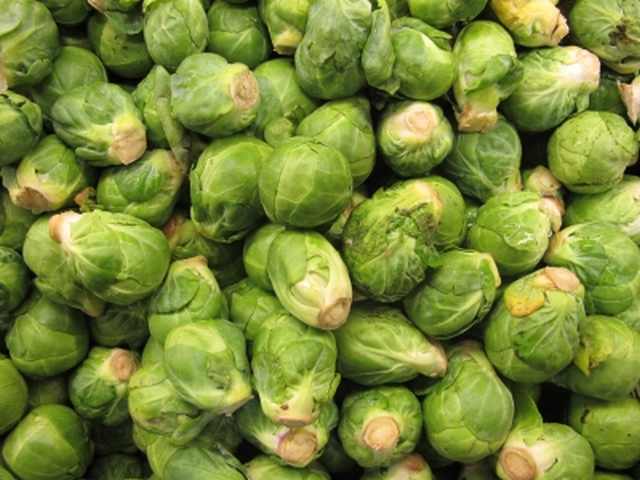
Brussels Sprouts
 brussels sprouts
If you're not a fan of Brussels sprouts its ok to refrain from this one, but if you do like them or are willing to try, they are an excellent source of fiber and other nutrients. One cup of cooked Brussels sprouts contains about a quarter of the daily recommended value of fiber and are low in calories, only 65 per serving. 


Bulgur Wheat 
 The fiber-rich cousin of couscous, bulgur wheat is rich in both protein and fiber. One cup of cooked bulgur wheat contains 33 percent of the daily value of fiber, and can be eaten for breakfast, lunch and dinner depending what spices are added to it. 
 
 
Brown Rice 
Brown rice is rich in insoluble fiber, which can help relieve constipation and help keep you regular. Add it as a side dish to your daily serving of protein and you will take care of nearly 14 percent of your daily value with only one cup. 
 
Prunes 
Dry fruit is traditionally known as a quick source of fiber, but not the amounts you may have thought. About 6 dried prunes contain 3.6 grams of fiber, or 14 percent of the daily value, which is good, but not amazing. However, prunes are full of plenty of other nutrients that make them worthwhile for eating. 
 
 
Navy Beans 
When it comes to fiber-rich fruits and vegetables, navy beans steal the show. With 19.1 grams of fiber in one cup of cooked beans, you will take care of 76 percent of your fiber intake in a flash!
 
 
Raspberries
Who doesn't love red and sweet raspberries? Well, the good news is that these berries taste great and are an excellent source of fiber. One cup of raspberries contains nearly 32 percent of your daily value and can be enjoyed at any time of the day as a sweet, nourishing, and low calorie treat! 
 
**REMEMBER – Drink enough water to get the most of your fiber intake!**

This is only for your information, kindly take the advice of your doctor for medicines, exercises and so on.   

https://gscrochetdesigns.blogspot.com. one can see my crochet creations  
https://gseasyrecipes.blogspot.com. feel free to view for easy, simple and healthy recipes    
https://kneereplacement-stickclub.blogspot.com. for info on knee replacement
https://cancersupportindia.blogspot.com  for infor on cancer and health related topics
https://GSiyers home remedies.blogspot.com   is the latest addition to my blogs. I'm going to add posts there, do give me your valuable feed back on my blogs. Thanks a lot, take care, be healthy and be happy.

Labels: , , , , , , , , , , , , , ,

Tuesday, November 08, 2022

No More Irritated Eyes

Dry eye syndrome is a common condition that occurs when the tear ducts located at the top of the eyelids don’t secrete enough tears and fatty substances to provide the eye with sufficient moisture. The phenomenon is so common that it affects one in three people over the age of 65 and may be accompanied by distressing and painful symptoms. This problem, which may result from environmental conditions or medical condition, can be treated in both cases, and although the syndrome is not defined as a serious medical condition, it may cause eye scarring in extreme cases. The information below will help you understand if you’re suffering from the development of dry eye syndrome and how you can prevent and treat the problem. how to treat dry eyes

What is dry eye syndrome? 
Dry eye syndrome is a condition that can be caused by a variety of medical problems that cause dryness and irritation in the eyes. This may be painful, accompanied by a host of disturbing symptoms such as the false sensation of entry of a foreign object, itching, redness, accumulation of mucus in the eye or around the eyelid, sensitivity to light, chronic eye fatigue, blurry vision, and inflammation. The reasons for the development of this phenomenon may be due to damage to the makeup of the tears that protect our eyes, as a result of reducing the number of tears produced in the glands or from tears leaving the surface of the eye too quickly. Damage to tear quality and the amount produced are caused by various causes, including aging, the use of certain medications, various medical conditions, environmental conditions, use of contact lenses and the development of allergies.

Although we’re used to thinking of tears as something that is secreted from our eyes mainly when we are sad or excited, tears actually flood our eyes every time we blink. Tears are a fluid consisting mainly of water and salt, whose main function is to moisturize the eyes and prevent dehydration. Other functions include removing dirt, bacteria, pollutants and foreign bodies that penetrate the eye, creating a smooth corneal surface, and more. Tears are made up of three parts: an outer fatty layer that prevents rapid evaporation of the liquid, water, and an inner mucus layer that helps spread tears all over the eye. When there is a problem with the composition or production process of each of these parts, dry eye syndrome is caused.

What are the main environmental causes of dry eye syndrome?  
 
Air pollution and cigarette smoke 
One of the common effects on eye health is the environment in which we spend most of our time and air pollution. One of the important things to avoid when we detect signs of dry eye syndrome is cigarette smoke - and it’s important to know that smoke damage exists both for active smokers and for passive smokers. Cigarette smoke not only stimulates the syndrome for those who already have it, but it also increases the risk of developing the syndrome.

Fog, winds, fans, air conditioners, and air 
In the days of fog and wind, it is recommended that people who suffer from dry eye syndrome refrain from leaving the house because these weather conditions worsen the symptoms of dry eyes. In general, dryness of the eyes requires avoiding wind or dryness and this includes avoiding exposure to fans, hair dryers, and air conditioners as much as possible. In addition to that, you should make sure to use eye drops before flights, as the compressed air inside the cabin may worsen the sense of dryness and the irritation.

Prolonged sitting in front of screens  
Prolonged viewing of screens such as the TV, computer or smartphone screen, and even prolonged reading from a book, can worsen symptoms of dry eyes. This is because our blink frequency decreases when we look at and work in front of screens, and with it the level of tear regeneration and its diffusion on the corneal area decreases. Add to this the fact that we usually work in air-conditioned spaces with low humidity, which causes the evaporation of the moisture layer that protects our eyes. It is important that we take a break from using screens every few hours, step out into the clean air, and get back some of the moisture that our eyes so desperately need. 
 
Outdoor sports and swimming in a pool 
For those who engage in strenuous activities on the street or in nature, such as riding a motorcycle or bicycle and swimming in a chlorinated pool, it is important to keep your eyes protected from dust, wind and sand damage and to wear goggles or custom glasses to protect your eyes from environmental damage.

What are the ways to treat dry eye syndrome? 
Hot compresses 
 
In order to improve the quality of the layer of fat that makes up our tears, it is recommended to place hot compresses on the eyes for a few minutes, and then wash your (closed) eyes with baby shampoo. This will help the fat in the tear glands relax and soften improving the quality of our tears. Be sure to wash all traces of shampoo from your eye to avoid irritation. 
 
Using a humidifier  
An important recommendation that people who suffer from dry eye syndrome should adopt is using a humidifier in the home which infuses the air with the missing moisture and humidity. This is especially true during the winter season when the heating systems combined with low humidity make our eyes dry faster. If you don’t have a humidifier, it is recommended to place a bowl of water near your heating device to create more moisture in the air.

Eye drops and ointments to relieve dry eyes  
There are quite a few over-the-counter medications on the market that are designed to help dry and irritated eyes and bring about significant, although temporary, relief for the disturbing sensation. These products include eye drops, artificial tears, and various ointments. It is important to note that some of these products contain preservatives that our eyes may respond negatively to. If you experience such a reaction and have to use eye drops more than 4 times a day, consider switching to one without preservatives, usually stored in disposable bottles. Eye ointments are usually designed to provide coverage for the whole eyeball and allow for long-term relief. However, the problem is that they may damage visual acuity during use, so it’s best to use them at night, before bed, and in combination with eye drops during the day 
 
Dietary changes  
According to a dry eye syndrome study, omega-3 fatty acids have been shown to reduce the symptoms of the disorder, as these acids reduce inflammation in the eye and allow for more and higher quality tears. To consume omega-3 fatty acids, you can take supplements, or combine foods rich in them such as walnuts, flax seed oil, palm oil, soybean oil, chia seeds, fatty fish like salmon, tuna, sardines, and krill. how to treat dry eyes

When should you see a doctor to treat dry eyes? 
If your eye care products aren’t giving you relief within a few days, it is highly recommended that you see your eye doctor. Sometimes this indicates a more serious medical problem which is causing the feeling of dryness, and should, therefore, be treated as soon as possible. If you have symptoms such as redness and swelling in the eye, unusual pain, eye injury, fluid coming out of the eye, joint pain accompanied by swelling, hardening of the organs and dry mouth - you should go for an in-depth examination of these symptoms.


This is only for your information, kindly take the advice of your doctor for medicines, exercises and so on.   

https://gscrochetdesigns.blogspot.com. one can see my crochet creations  
https://gseasyrecipes.blogspot.com. feel free to view for easy, simple and healthy recipes    
https://kneereplacement-stickclub.blogspot.com. for info on knee replacement

https://GSiyers home remedies.blogspot.com     is my latest addition to my blogs. I'm going to add posts there, do give me your valuable feed back on my blogs. Thanks a lot, take care, be healthy and be happy.

Labels: , , , , , , , , , , ,