Sunday, August 03, 2025

15 Foods to Eat If You Have High Blood Pressure

High blood pressure is a common problem in today’s societies, especially where people are living a fast life, eating fast food and are always on the go. High blood pressure can be prevented with regular excercising and healthy eating, but if you already have a little bit higher level, it’s important to pay attention to your every day habits and keep your health from declining. We have gathered 15 foods which you should eat if you already have high blood pressure or you just want to do something for your own health.

1. Yoghurt
15 Foods to Eat If You Have High Blood Pressure 

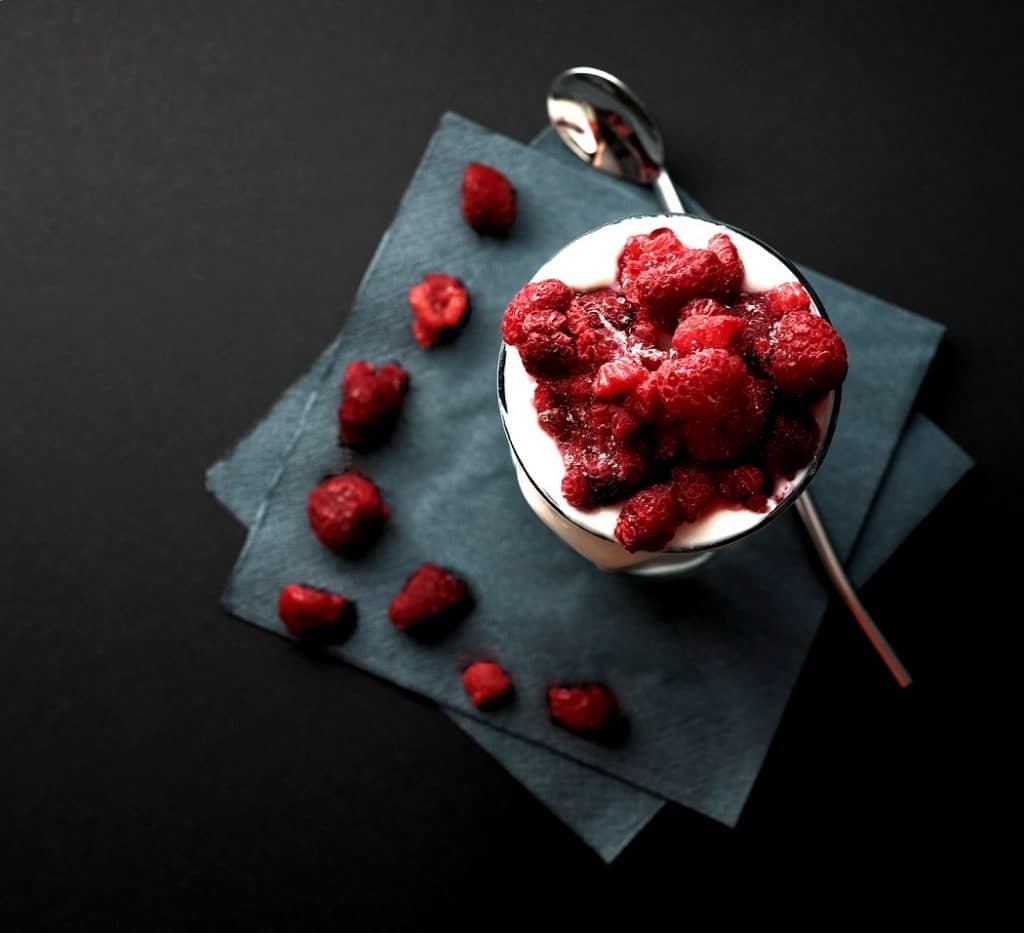
A box of yoghurt contains the suggested daily amount of calcium and also a lot of magnesium. It’s a good idea to start your day with a yoghurt, maybe eat some fruits with it. 


2. Spinach

 Green leafy vegetables, for example spinach or ruccola has a high amount of kalium, which is essential for keeping the balance of blood pressure. 


3. Salmon

Salmon is rich in omega-3-fatty acids, which helps to normalize blood pressure and also has a role in controlling the normal heart rate. 


4. Honey

 Paying attention to your blood pressure is hard if you also have problems with your blood sugar. Try eating honey instead of sugar, but be careful, it’s better, but still sugary and leads to obesity if you eat too much.


5. White beans 

 15 Foods to Eat If You Have High Blood Pressure

 A plate of white beans contains enough magnesium, calcium and kalium for a day for an adult person. You can eat them in a soup, as a side dish or in salads also.


6. Blueberries

15 Foods to Eat If You Have High Blood Pressure 

Almost every kind of berries are good for your blood pressure because of the flavonoids they contain. Flavonoids can reduce high blood pressure, so don’t be afraid to eat them as snacks also. 


7. Raspberry
15 Foods to Eat If You Have High Blood Pressure 

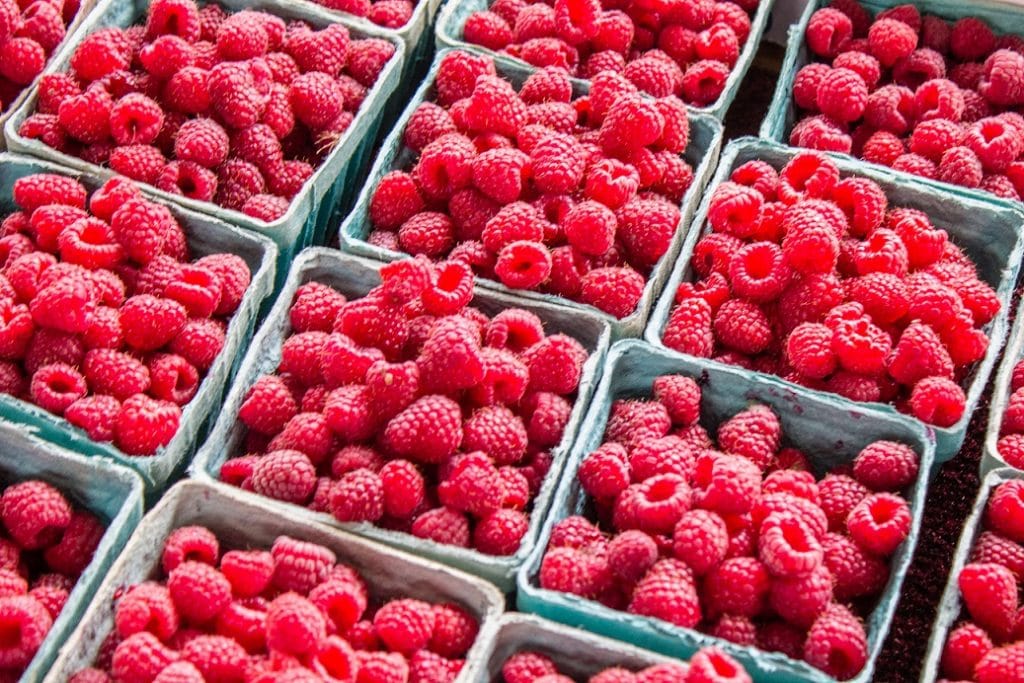
Almost the same as blueberries but it’s also good for blood vessels because of the antioxidants it contains. Researchers have proved that eating red berries regularly can reduce high blood pressure. 


8. Potatoes

It might be surprising but potato is also good to reduce high blood pressure. We have discussed how important is the magnesium and kalium to keep a balanced blood pressure, and this vegetable happens to contain both.  


9. Kale 

 15 Foods to Eat If You Have High Blood Pressure

Kale, just like spinach and ruccola is a green leafy vegetable, therefore contains a lot of kalium, which is essential for our body to keep itself balanced. 


10. Kiwi
15 Foods to Eat If You Have High Blood Pressure 

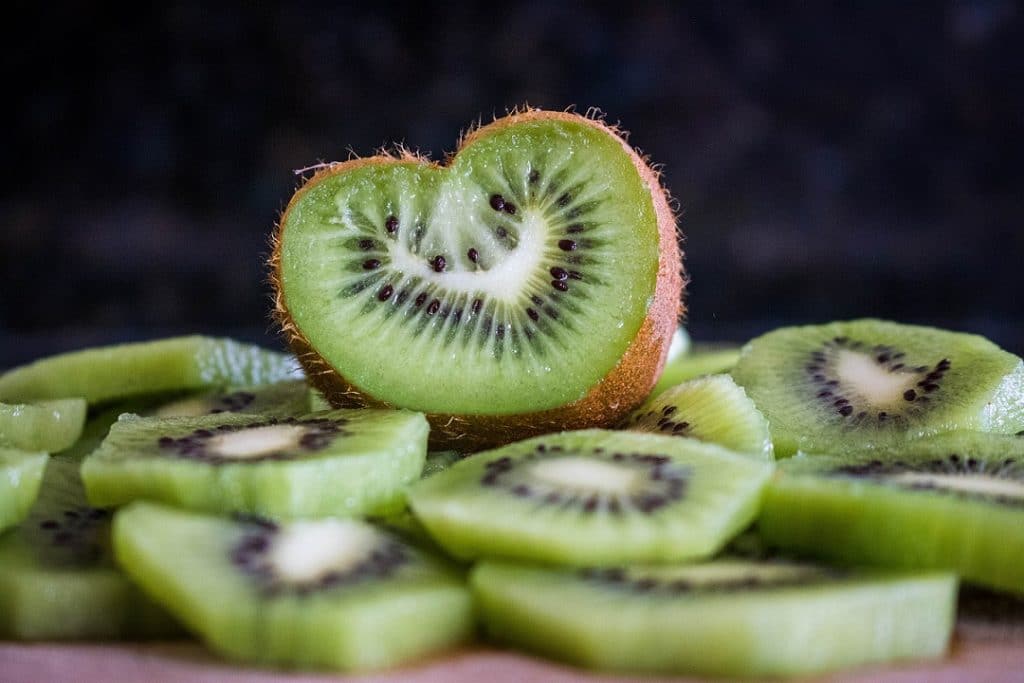
Speaking about kalium, magnesium and calcium may became boring now but they are still the best things to eat if you want to keep your blood pressure in balance. 


11. Banana

Banana contains the biggest amount of kalium, therefore it’s really good to reduce high blood pressure. Perfect for a quick breakfast if you don’t have time to prepare complicated meals.


12. Dark chocolate

You are sweet-toothed? No problem. Have you ever thought that dark chocolate is healthy? Of course, don’t eat too much because it will cause constipation, but it can reduce high blood pressure and it’s great against cardiovascular diseases. 


13. Beetroot

 Beetroot is quite divisive amongst everyone. You love it or you hate it. It contains nitrate which becomes nitrit and then nitrogen-oxid and it widens the blood vessels, therefore reduces blood pressure. Try eating it with some roasted meat, or as a side dish. 


14. Garlic

Garlic is good for a lot of things, since it has antibacterial effect but it also contains allicin which can prevent high blood pressure. It doesn’t matter how you eat it; raw or prepared. Either way it’s healthy. 


15. Avocado

Avocado is the ultimate superfood nowadays, and not only because it’s popular. It contains a lot of good kind of fatty acids and a lot of vitamins also, and the best thing: magnesium, kalium and antioxidants. Perfect for your blood pressure. 


This is only for your information, kindly take the advice of your doctor for medicines, exercises and so on.   


Labels: , , , , , , , , , , , , , , ,

Wednesday, February 14, 2024

14 Fantastic Natural Sources of Healthy Fiber!

You've probably heard of fiber, but you may not know exactly what it is and why it is important to get your daily dose. 
 
Dietary fiber is best known for its ability to prevent or relieve constipation, but this naturally occurring nutrient has other health benefits as well, including lowering the risk of diabetes and heart disease and helping maintain a healthy weight. Fiber includes all the parts of plant foods that our body can't digest, which is it ironically helps get your digestion going. 
 
There are two kinds of fiber: soluble, the kind that dissolves in water, and insoluble fiber, the type that promotes the movement of material through the digestive system. Most plant-based foods contain both soluble and insoluble fiber, although not in equal amounts, which means it is best to eat a variety of foods rich in fiber. In general, above the age of 50, men should consume 30 grams and women 21 grams of fiber each day. 
 
Here are the foods that will help you the most with your fiber dose, and you probably eat some of them every day!
 
Apples  
One medium-sized apple contains about 17 percent of the daily recommended value for fiber intake, about 4.4 grams. Apples also have less than 100 calories and are probably already a staple snack in your diet. Make sure to leave on the skin when you eat the apple, because it contains all of the fiber. 
 
Walnuts 
Only a handful of walnuts contains about 2 grams of fiber, 8 percent of your daily value, and has only 190 calories. Add walnuts to your morning yogurt or pack them as a healthy snack and you're good to go. Walnuts are also great additions to salad and deserts.


Sweet Corn (Yellow)  
A favorite snack of the summer months. Each 6-inch ear of corn has 1.5 grams of fiber in it, and a 12 ounce can has nearly twice that! Eat sweet corn just as it is, or add it to your favorite dishes to get enough fiber in your diet
 
 
Oatmeal 
A great way to start off the day, oatmeal is high in fiber and so good for you! Not only does 1 cup of oatmeal contain 16 percent of your daily value and only 160 calories, oatmeal will also help lower cholesterol. You can eat oatmeal plain or add berries to up the fiber content even more! 
 
 
 Lentils 
In a soup or as a side, lentils are one of the fiber-richest legumes. They are also great sources of protein, folate, vitamins and iron. Just a cup of lentils contains 63 percent of your daily amount of fiber. artichoke 
 
 
Artichokes 
Of course artichokes are good for you! One medium artichoke can provide you with nearly half of the daily recommended amount of fiber, along with a number of other nutrients. Artichokes are also very low in calories, with only 64 calories per medium-sized artichoke, so eat up! 
 
 
Broccoli 
This deep green vegetable is super rich in fiber, with one cup providing over two grams of fiber and 9 percent of the daily value. However, it is important to know that when the broccoli is steamed or cooked, it loses a good deal of its nutritional value and becomes more of a carbohydrate than anything else. So try to consume as much raw broccoli as possible, either in salads or as a snack. 
 
 
Shredded Wheat Cereal 
Believe it or not, some breakfast cereals can be healthy! One cup of sugar-free shredded wheat cereal contains about 9 grams of fiber, 36 percent of your daily value.


Brussels Sprouts
 brussels sprouts
If you're not a fan of Brussels sprouts its ok to refrain from this one, but if you do like them or are willing to try, they are an excellent source of fiber and other nutrients. One cup of cooked Brussels sprouts contains about a quarter of the daily recommended value of fiber and are low in calories, only 65 per serving. 


Bulgur Wheat 
 The fiber-rich cousin of couscous, bulgur wheat is rich in both protein and fiber. One cup of cooked bulgur wheat contains 33 percent of the daily value of fiber, and can be eaten for breakfast, lunch and dinner depending what spices are added to it. 
 
 
Brown Rice 
Brown rice is rich in insoluble fiber, which can help relieve constipation and help keep you regular. Add it as a side dish to your daily serving of protein and you will take care of nearly 14 percent of your daily value with only one cup. 
 
Prunes 
Dry fruit is traditionally known as a quick source of fiber, but not the amounts you may have thought. About 6 dried prunes contain 3.6 grams of fiber, or 14 percent of the daily value, which is good, but not amazing. However, prunes are full of plenty of other nutrients that make them worthwhile for eating. 
 
 
Navy Beans 
When it comes to fiber-rich fruits and vegetables, navy beans steal the show. With 19.1 grams of fiber in one cup of cooked beans, you will take care of 76 percent of your fiber intake in a flash!
 
 
Raspberries
Who doesn't love red and sweet raspberries? Well, the good news is that these berries taste great and are an excellent source of fiber. One cup of raspberries contains nearly 32 percent of your daily value and can be enjoyed at any time of the day as a sweet, nourishing, and low calorie treat! 
 
**REMEMBER – Drink enough water to get the most of your fiber intake!**

This is only for your information, kindly take the advice of your doctor for medicines, exercises and so on.   

https://gscrochetdesigns.blogspot.com. one can see my crochet creations  
https://gseasyrecipes.blogspot.com. feel free to view for easy, simple and healthy recipes    
https://kneereplacement-stickclub.blogspot.com. for info on knee replacement
https://cancersupportindia.blogspot.com  for infor on cancer and health related topics
https://GSiyers home remedies.blogspot.com   is the latest addition to my blogs. I'm going to add posts there, do give me your valuable feed back on my blogs. Thanks a lot, take care, be healthy and be happy.

Labels: , , , , , , , , , , , , , ,

Tuesday, September 14, 2021

14 Fantastic Natural Sources of Healthy Fiber!

You've probably heard of fiber, but you may not know exactly what it is and why it is important to get your daily dose. Dietary fiber is best known for its ability to prevent or relieve constipation, but this naturally occurring nutrient has other health benefits as well, including lowering the risk of diabetes and heart disease and helping maintain a healthy weight. Fiber includes all the parts of plant foods that our body can't digest, which is it ironically helps get your digestion going. 
 
There are two kinds of fiber: soluble, the kind that dissolves in water, and insoluble fiber, the type that promotes the movement of material through the digestive system. Most plant-based foods contain both soluble and insoluble fiber, although not in equal amounts, which means it is best to eat a variety of foods rich in fiber. In general, above the age of 50, men should consume 30 grams and women 21 grams of fiber each day. 
 
Here are the foods that will help you the most with your fiber dose, and you probably eat some of them every day!
 
Apples  apple
One medium-sized apple contains about 17 percent of the daily recommended value for fiber intake, about 4.4 grams. Apples also have less than 100 calories and are probably already a staple snack in your diet. Make sure to leave on the skin when you eat the apple, because it contains all of the fiber.  
 
Walnuts 
Only a handful of walnuts contains about 2 grams of fiber, 8 percent of your daily value, and has only 190 calories. Add walnuts to your morning yogurt or pack them as a healthy snack and you're good to go. Walnuts are also great additions to salad and deserts. corn
 
Sweet Corn (Yellow)  
corn
A favorite snack of the summer months. Each 6-inch ear of corn has 1.5 grams of fiber in it, and a 12 ounce can has nearly twice that! Eat sweet corn just as it is, or add it to your favorite dishes to get enough fiber in your diet 
 
Oatmeal 
A great way to start off the day, oatmeal is high in fiber and so good for you! Not only does 1 cup of oatmeal contain 16 percent of your daily value and only 160 calories, oatmeal will also help lower cholesterol. You can eat oatmeal plain or add berries to up the fiber content even more!
 
 Lentils 
In a soup or as a side, lentils are one of the fiber-richest legumes. They are also great sources of protein, folate, vitamins and iron. Just a cup of lentils contains 63 percent of your daily amount of fiber. 

Artichokes artichoke
Of course artichokes are good for you! One medium artichoke can provide you with nearly half of the daily recommended amount of fiber, along with a number of other nutrients. Artichokes are also very low in calories, with only 64 calories per medium-sized artichoke, so eat up!


Broccoli 
This deep green vegetable is super rich in fiber, with one cup providing over two grams of fiber and 9 percent of the daily value. However, it is important to know that when the broccoli is steamed or cooked, it loses a good deal of its nutritional value and becomes more of a carbohydrate than anything else. So try to consume as much raw broccoli as possible, either in salads or as a snack. 
 
Shredded Wheat Cereal  
Believe it or not, some breakfast cereals can be healthy! One cup of sugar-free shredded wheat cereal contains about 9 grams of fiber, 36 percent of your daily value.  
 
Brussels Sprouts  brussels sprouts
If you're not a fan of Brussels sprouts its ok to refrain from this one, but if you do like them or are willing to try, they are an excellent source of fiber and other nutrients. One cup of cooked Brussels sprouts contains about a quarter of the daily recommended value of fiber and are low in calories, only 65 per serving.  
 
Bulgur Wheat 
The fiber-rich cousin of couscous, bulgur wheat is rich in both protein and fiber. One cup of cooked bulgur wheat contains 33 percent of the daily value of fiber, and can be eaten for breakfast, lunch and dinner depending what spices are added to it.  
 
Brown Rice  
Brown rice is rich in insoluble fiber, which can help relieve constipation and help keep you regular. Add it as a side dish to your daily serving of protein and you will take care of nearly 14 percent of your daily value with only one cup.  
 
Prunes 
Dry fruit is traditionally known as a quick source of fiber, but not the amounts you may have thought. About 6 dried prunes contain 3.6 grams of fiber, or 14 percent of the daily value, which is good, but not amazing. However, prunes are full of plenty of other nutrients that make them worthwhile for eating. 
 
Navy Beans  
When it comes to fiber-rich fruits and vegetables, navy beans steal the show. With 19.1 grams of fiber in one cup of cooked beans, you will take care of 76 percent of your fiber intake in a flash! 
 
Raspberries raspberries
Who doesn't love red and sweet raspberries? Well, the good news is that these berries taste great and are an excellent source of fiber. One cup of raspberries contains nearly 32 percent of your daily value and can be enjoyed at any time of the day as a sweet, nourishing, and low calorie treat! 
 
**REMEMBER – Drink enough water to get the most of your fiber intake!**

This is only for your information, kindly take the advice of your doctor for medicines, exercises and so on.   

https://gscrochetdesigns.blogspot.com. one can see my crochet creations  
https://gseasyrecipes.blogspot.com. feel free to view for easy, simple and healthy recipes    
https://kneereplacement-stickclub.blogspot.com. for info on knee replacement

Labels: , , , , , , , , , , , , , ,