Friday, October 24, 2025

8 Secret Herbs the Native Americans Used to Cure

The Cherokee Nation is a Native American tribe hailing from Oklahoma and the surrounding American states. The Cherokees believe that they were given herbs and plants by their Creator. They saw them as gifts which allowed them to treat and cure illnesses and ailments. These plants were used to heal various illnesses. Their extensive knowledge of the healing properties of regional herbs and plants was handed down from one generation to another. Unfortunately, many of the herbs and plants used by the tribe have become scarce due to over-consumption and damage to the land. In taking these herbs, be gentle and selective, and always consult a licensed naturopath.
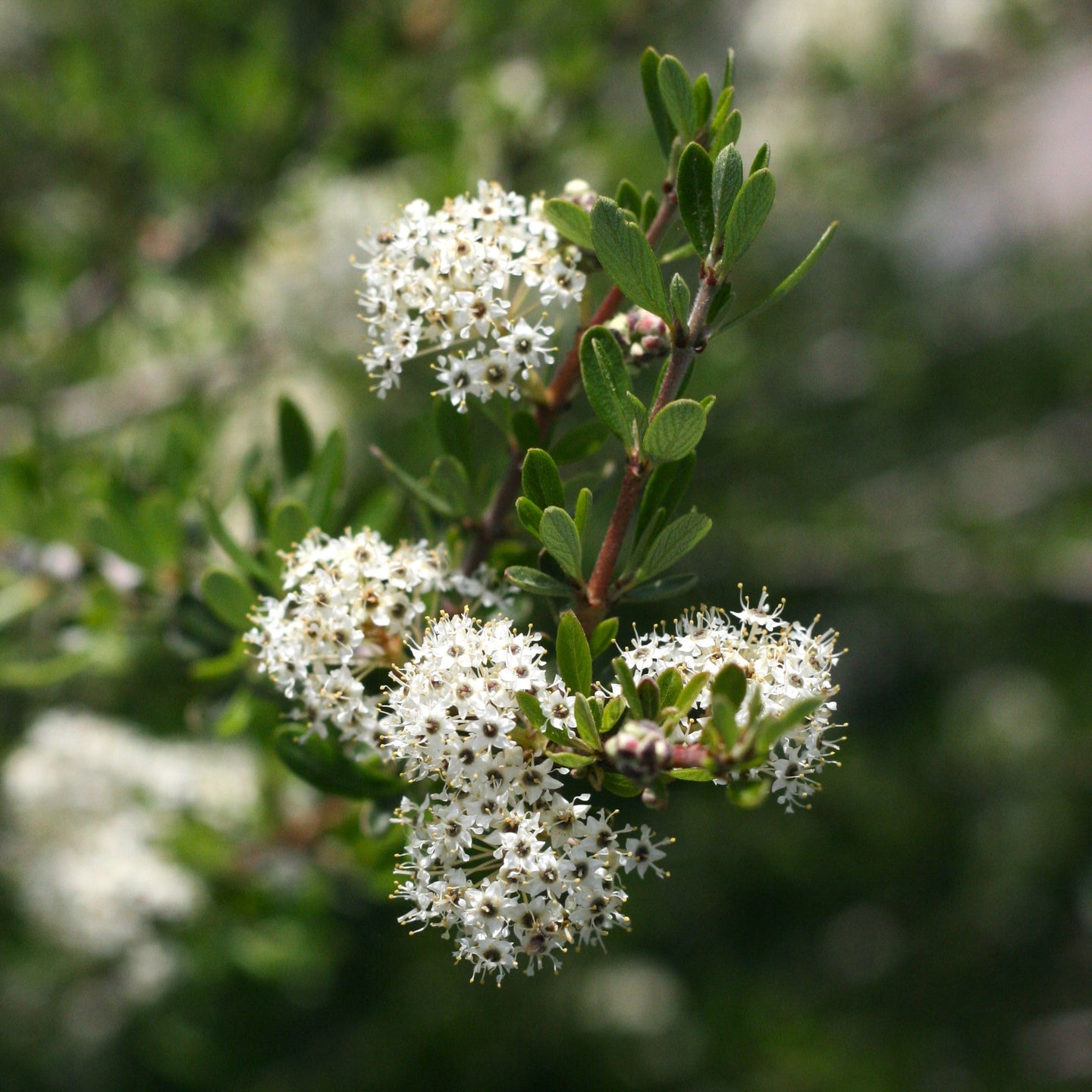
Buckbrush – Sparrowhawk Native Plants
1. Buckbrush 
 
This herb was traditionally used as a medicinal substance with diuretic properties. Traditionally, it was used to stimulate proper kidney function. Members of the same plant family have also been used to treat mouth and throat ailments, inflammation, as well as cysts and tumors. Specific health issues, such as inflamed tonsils, childbirth aftercare, hemorrhoids, swollen spleens and swollen lymph nodes are also treated by such herbs. Consume as a tea by bringing water to boil, then steeping the roots and bark in water for about five minutes. Drink immediately.
2. Mint 
Mint is often used in cooking, but what most people don't know is that it is a powerful antioxidant that contains vitamins A and C, as well as phosphorus, calcium, potassium and magnesium. The Cherokee drank mint tea to stimulate the digestive system as well as to lower blood pressure. Mint leaves are crushed to create salves and ointments and are also used in baths to relieve rashes and itching. 
 
3. Yarrow Alberta Native Plant Spotlight: Common Yarrow (Achillea ...
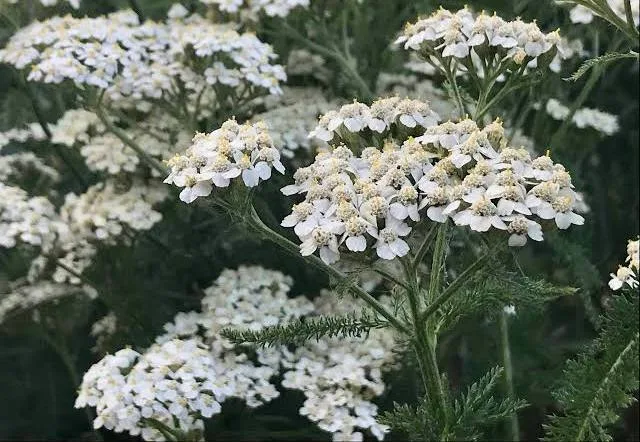
 
 
One of its best-known properties lies in its ability to reduce blood clots, which can help a minor wound to form a scab and heal. When ingested with water, yarrow can help reduce tissue inflammation in the intestines and digestive tract. The Cherokee used yarrows for these ailments and more. They prepared it as a tea and used a concoction of leaves and stems (applied topically) to treat skin conditions, including dry skin and acne. 
 
4. Wild Ginger 
 
Many Native American tribes have used wild ginger for medicinal purposes. The Cherokee tribe used the herb to stimulate digestion. It was used by the tribe to help with ailments such as colic, intestinal bloating and gas, as well as stomach aches and cramps. Wild ginger was also used to rid the lungs of excess mucus.
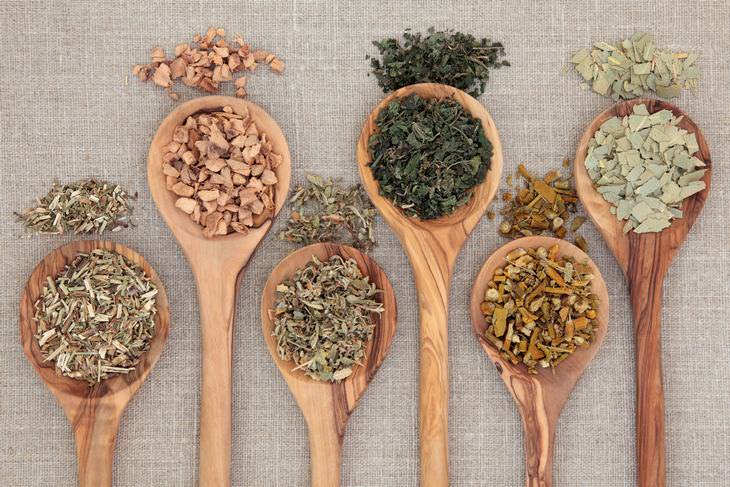
native american plants


5. Smilax Bona-Nox 
This plant was used as a blood purifier and a mild diuretic. Used in the form of tea, this herb was also found to treat arthritis, using its roots. The leaves and bark of the plant can be mixed with lard to create a salve that will help treat minor burns, cuts, scrapes and sores. 
 
6. Blackberries 
Blackberries have long been deemed a potent health supplement. The tribe used them to sooth stomach issues. The roots of the blackberry plant were sweetened with honey and this concoction was used to soothe sore throats, coughs, bleeding gums and mouth sores. The root also has anti-inflammatory properties that reduce swelling and improve joint mobility. 
 
7. Curly Dock 
Used as an ingredient in salads, curly dock has a sweet yet sour taste and is packed with healthy vitamins and minerals. It was also believed to contain a rich source of iron. The herb was also believed to have laxative properties. The Cherokee ground up and mixed it with beeswax, and a bit of oil. The salve was used as an ointment for minor cuts, sores, rashes and other skin irritations. 
 
8. Mullein 
This traditional herb could help with lung and respiratory problems. The Cherokee burned the mullein roots and inhaled the smoke which they believed opened up the airways and eased inflammation of the mucous membranes that line the respiratory tract. The flowers can be used to prepare a sedative tea to treat joint pain as well as migraine headaches. 


This is only for your information, kindly take the advice of your doctor for medicines, exercises and so on.   


Labels: , , , , , , , , , , , ,

Saturday, April 02, 2022

7 Coughs and What They Might Mean

A cough is often indicative of an underlying issue. For example, a cough can be due to allergies, a common cold, lung disease, or even gastrointestinal issues. Although the causes may vary, the reason you cough is to help your body eliminate foreign materials or mucus from your lungs and upper airway passages. In other words, it’s one of your body’s protective mechanisms that is designed to keep you breathing easily.

By paying attention to the sound of your cough, along with any accompanying symptoms, you can often identify the cause, which can then be used to help you recover quickly. Below are seven common reasons for a cough, and what you can do about them. 
 
1. Postnasal Drip 
 Having a cold or allergies can cause mucus to drip down your throat. This postnasal drip can touch nerve endings, leading to either a dry or wet cough. A cough that is being caused by a postnasal drip will usually be worse at night, and might be accompanied by a scratchy feeling in the back of your throat. If it’s allergies that’s causing this postnasal drip, you may also have itchy eyes and sneezing. 
 
If you have postnasal drip accompanied by congestion, cold symptoms, pressure in your face, and thick green or yellow mucus, you might have a sinus infection. If this is the case, irrigating your sinuses might help. 
 
Back in 2007, a study carried out by the University of Michigan found that saline irrigation was more effective at decreasing nasal congestion than saline sprays. This appears to work by thinning mucus, decreasing the swelling in your nasal passages, and removing any debris, allergens, and bacteria from your nose. 
 
To make your own saline solution, add one teaspoon of sea salt to one pint of distilled water.

2. Asthma
A dry cough along with a rattling or wheezing sound is often indicative of asthma. With this condition, your airways become inflamed, leading to coughing, wheezing, and difficulty breathing. Coughs caused by asthma are usually worse at night or while exercising. It can also be accompanied by chest tightness, fatigue and shortness of breath. 
 
If you have asthma, it might be a good idea to look into the Buteyko Method which shows you how to bring your breathing back to normal. When you’re breathing normally, you get much better oxygenation of tissues and organs. 
 
3. GERD (Gastroesophageal Reflux Disease) 
When food passes into your stomach from the esophagus, a muscular valve called the lower esophageal sphincter (LES) closes, preventing food or acid from moving back up. GERD, also commonly known as acid reflux, occurs when the LES relaxes inappropriately, allowing acid from your stomach to flow into your esophagus. 
 
GERD may cause a dry, spasmodic cough, that is likely to worsen when you’re lying down or eating. You may get heartburn as well, but in 75% of cases, a chronic cough is the only symptom. 
 
GERD is thought to be caused by having too much acid in your stomach, which is why acid-blocking drugs are often prescribed or recommended. However, the problem can also be caused by having too little acid in your stomach, which is why drugs such as proton pump inhibitors typically just make the issue worse. Ultimately, the answer to heartburn and acid indigestion is to restore your natural gastric balance and function. 
 
Eating processed and sugary foods is a surefire way to exacerbate GERD, as this will upset the bacterial balance in your stomach and intestines. Instead, you should eat a lot of vegetables and other high-quality unprocessed foods. You should also consider eliminating triggers from your life such as alcohol, caffeine, and nicotine products. 
 
4. Chronic Obstructive Pulmonary Disease (COPD) 
If you’re chronically coughing up lots of mucus, this might be due to COPD. Typically, the cough will be worst in the morning and ease throughout the day. You may also experience shortness of breath, fatigue, wheeziness, and chest tightness. 
 
Smoking is a major contributor to COPD, which includes chronic bronchitis and emphysema. With emphysema, the air sacs in your lungs lose their elasticity. Chronic bronchitis occurs when there is swelling in the linings of your lungs and it constrains your breathing.  
 
5. Medication-Related Cough
ACE inhibitors, which are used to treat high blood pressure, can cause dry coughs in about 20% of patients. If you notice you have a dry cough a few weeks after starting this type of medication, it could be to blame. 
 
While you shouldn’t stop taking blood pressure medication without consulting your doctor, it’s important to be aware that high blood pressure can often be remedied with lifestyle changes. Therefore, if you’re diagnosed with high blood pressure, dietary strategies can help control it. 
 
One of the common underlying causes of high blood pressure is related to your body producing too much insulin and leptin in response to a high carbohydrate and processed food diet. 
 
Therefore, if you suffer from high blood pressure, you should do your best to avoid processed foods. 
 
6. Pneumonia  
This starts out as a dry cough and progresses into a wet cough with green, yellow, or red mucus. The cough might be accompanied by chills, fever, trouble breathing, or pain when coughing or breathing in deeply. Anytime you cough up excess mucus, spit it into the toilet rather than swallowing it as this can cause stomach irritation. 
 
Most people who have pneumonia can recover at home by drinking lots of fluids and getting adequate rest. However, in severe cases in the elderly or young, pneumonia may require hospitalization to receive breathing treatments, fluids, and oxygen therapy. 
 
7. Whooping Cough (Pertussis)  
Whooping cough causes a severe cough that ends with a whooping sound as you breath in. The Center for Disease Control and Prevention (CDC) declares that the best way to prevent whooping cough is to get vaccinated, but this deserves a closer look. CDC data shows that 84% of children under the age of 3 have received at least four shots for whooping cough, and yet, despite this high vaccination rate, whooping cough is still prevalent among both vaccinated and unvaccinated individuals. Therefore, this would suggest that the vaccine is ineffective. 
 
If you think you might have whooping cough, you should seek medical attention right away. However, there are some things you can do that may keep it away: 
 
• Avoid mucus-forming foods such as milk, flour, eggs, and sugar. 
 
• Keep your home well-ventilated and free of smoke. 
 
• Keep well hydrated. 
 
• Rest and avoid exertion. 
 
• Massage essential oils with a carrier oil (such as coconut oil) into your chest. 
 
• Heat a pan of water to just boiling point, then add a couple of drops of thyme. Breathe in the steam from the pan.

This is only for your information, kindly take the advice of your doctor for medicines, exercises and so on.   

https://gscrochetdesigns.blogspot.com. one can see my crochet creations  
https://gseasyrecipes.blogspot.com. feel free to view for easy, simple and healthy recipes    
https://kneereplacement-stickclub.blogspot.com. for info on knee replacement


Labels: , , , , , , ,