Friday, October 24, 2025

8 Secret Herbs the Native Americans Used to Cure

The Cherokee Nation is a Native American tribe hailing from Oklahoma and the surrounding American states. The Cherokees believe that they were given herbs and plants by their Creator. They saw them as gifts which allowed them to treat and cure illnesses and ailments. These plants were used to heal various illnesses. Their extensive knowledge of the healing properties of regional herbs and plants was handed down from one generation to another. Unfortunately, many of the herbs and plants used by the tribe have become scarce due to over-consumption and damage to the land. In taking these herbs, be gentle and selective, and always consult a licensed naturopath.
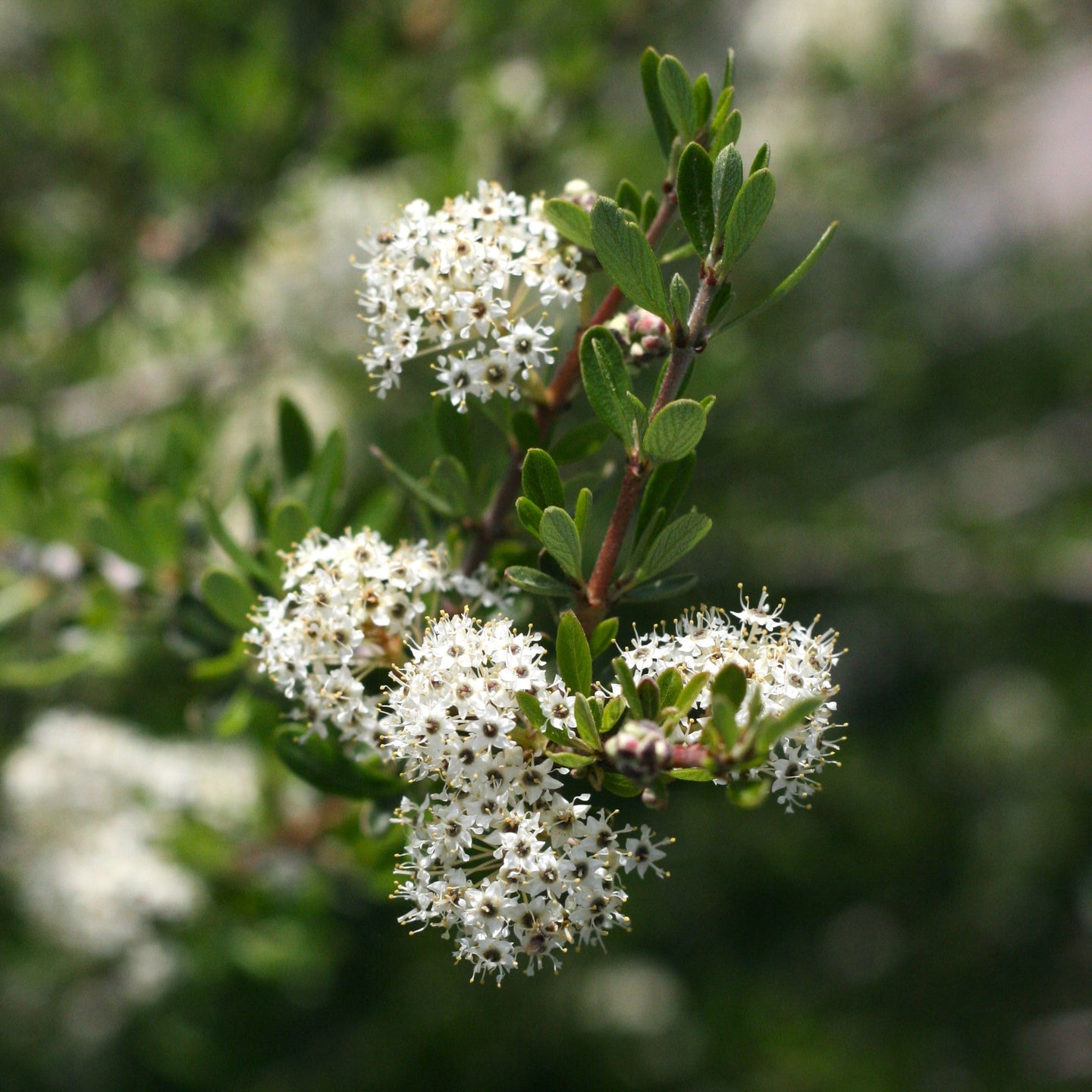
Buckbrush – Sparrowhawk Native Plants
1. Buckbrush 
 
This herb was traditionally used as a medicinal substance with diuretic properties. Traditionally, it was used to stimulate proper kidney function. Members of the same plant family have also been used to treat mouth and throat ailments, inflammation, as well as cysts and tumors. Specific health issues, such as inflamed tonsils, childbirth aftercare, hemorrhoids, swollen spleens and swollen lymph nodes are also treated by such herbs. Consume as a tea by bringing water to boil, then steeping the roots and bark in water for about five minutes. Drink immediately.
2. Mint 
Mint is often used in cooking, but what most people don't know is that it is a powerful antioxidant that contains vitamins A and C, as well as phosphorus, calcium, potassium and magnesium. The Cherokee drank mint tea to stimulate the digestive system as well as to lower blood pressure. Mint leaves are crushed to create salves and ointments and are also used in baths to relieve rashes and itching. 
 
3. Yarrow Alberta Native Plant Spotlight: Common Yarrow (Achillea ...
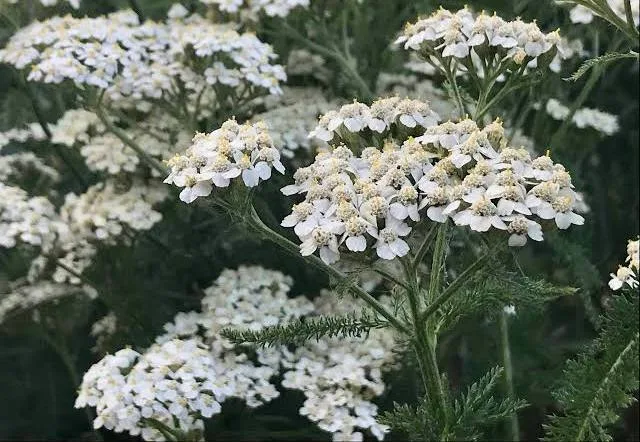
 
 
One of its best-known properties lies in its ability to reduce blood clots, which can help a minor wound to form a scab and heal. When ingested with water, yarrow can help reduce tissue inflammation in the intestines and digestive tract. The Cherokee used yarrows for these ailments and more. They prepared it as a tea and used a concoction of leaves and stems (applied topically) to treat skin conditions, including dry skin and acne. 
 
4. Wild Ginger 
 
Many Native American tribes have used wild ginger for medicinal purposes. The Cherokee tribe used the herb to stimulate digestion. It was used by the tribe to help with ailments such as colic, intestinal bloating and gas, as well as stomach aches and cramps. Wild ginger was also used to rid the lungs of excess mucus.
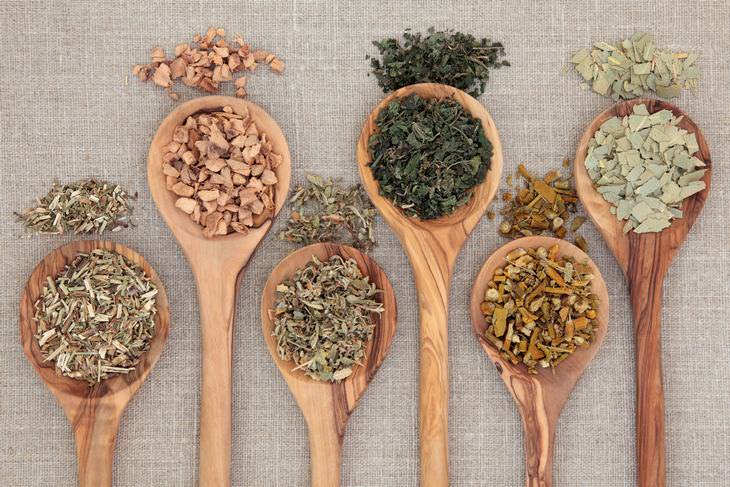
native american plants


5. Smilax Bona-Nox 
This plant was used as a blood purifier and a mild diuretic. Used in the form of tea, this herb was also found to treat arthritis, using its roots. The leaves and bark of the plant can be mixed with lard to create a salve that will help treat minor burns, cuts, scrapes and sores. 
 
6. Blackberries 
Blackberries have long been deemed a potent health supplement. The tribe used them to sooth stomach issues. The roots of the blackberry plant were sweetened with honey and this concoction was used to soothe sore throats, coughs, bleeding gums and mouth sores. The root also has anti-inflammatory properties that reduce swelling and improve joint mobility. 
 
7. Curly Dock 
Used as an ingredient in salads, curly dock has a sweet yet sour taste and is packed with healthy vitamins and minerals. It was also believed to contain a rich source of iron. The herb was also believed to have laxative properties. The Cherokee ground up and mixed it with beeswax, and a bit of oil. The salve was used as an ointment for minor cuts, sores, rashes and other skin irritations. 
 
8. Mullein 
This traditional herb could help with lung and respiratory problems. The Cherokee burned the mullein roots and inhaled the smoke which they believed opened up the airways and eased inflammation of the mucous membranes that line the respiratory tract. The flowers can be used to prepare a sedative tea to treat joint pain as well as migraine headaches. 


This is only for your information, kindly take the advice of your doctor for medicines, exercises and so on.   


Labels: , , , , , , , , , , , ,

Wednesday, September 01, 2021

10 Simple Ways to Keep Your Lungs Healthier

Protecting your lungs is vital, if you want to preserve your long-term health. Over a period of time, toxins from mold and bacteria can build up in your lungs causing you ill health. Therefore, getting into the habit of cleansing your lungs on regular basis is a good thing to do. A lung cleanse promotes normal lung functioning, helps to reduce swelling and inflammation and rejuvenates lung strength and vitality.

To add to this, it also helps clear any mucus from your airways and improves circulation. It can even help treat asthma, throat infections, bad breath and chronic bronchitis. Fortunately, cleansing your lungs is pretty simple to do; you can easily do it with some home remedies mixed with lifestyle and dietary changes. 
 
Here are ten great ways you can cleanse and detox your lungs:  
 
1. Do Deep Breathing Exercises

Deep breathing exercises can help improve your lung capacity by delivering more vital oxygen to your body. This will strengthen your lungs, and clear and cleanse your airways. To add to this, it will increase your energy and reduce stress. To carry out this exercise, follow the instructions below: 
 Guide - How to - Lungs - Cleanse - Detox
1. Find a comfortable place and lie flat on your back. 
 
2. Place your hands on your stomach at the bottom of your rib cage. 
 
3. Close your eyes and breathe in deeply through your nose while counting to 5. 
 
4. Hold your breath for 2 seconds, and then breathe out slowly while counting to 5. 
 
5. Repeat 9 or 10 times. 
 
6. Do this exercise 2 or 3 times a day.

2. Use a Castor Oil Pack 
Castor oil stimulates waste elimination and draws toxins out of the lungs, uterus, digestive system and liver. It can even help reduce inflammation and improve lymphatic circulation. To make this pack, follow the instructions below: 
 
1. Soak 2 to 3 pieces of wool flannel in 1 cup of warm castor oil (use only organic, cold-pressed castor oil). 
 
2. Lie down on a large plastic sheet. 
 
3. Place the soaked wool flannels on your chest and sides so that they cover your lung area. 
 
4. Cover these flannels with the large plastic sheet. 
 
5. Place a heating pad over the plastic sheet for 1 to 2 hours. 
 
6. Remove the packs and wash with warm water to remove the oil residue. 
 
7. Repeat twice a week for at least one month. 
 
3. Take a Hot shower/Visit a Sauna  
A hot shower or sauna increases sweat secretion which helps your lungs to get rid of toxic substances. Please remember to drink some water if you have spent a long time in a hot shower or sauna so that your body does not become too dehydrated. 
 
4. Add Ginger to Your Diet 
Guide - How to - Lungs - Cleanse - Detox
Ginger can also be used to detoxify your lungs as it contains several chemical compounds which help eliminate air pollutants from the air passages before they have the chance to irritate your lungs. It also improves blood circulation. To make use of ginger to clean your lungs, you can: 
 
1. Drink 2 to 3 cups of ginger tea each day. To make this tea, simply boil 1 teaspoon of sliced ginger in 1 cup of water. Allow it to simmer for about 5-10 minutes. Strain it and add some lemon juice or honey to improve the taste. 
 
2. Include raw ginger in your cooking. 
 
3. Ask your doctor for a ginger supplement.  
 
N.B. If you are taking heart or high blood pressure medication you should avoid taking ginger in excess. 
 
5. Consume Licorice  
Licorice is an effective herb which can help cleanse your lungs. It has anti-inflammatory and antioxidant properties which can reduce inflammation of the bronchial tubes. Furthermore, it has antibacterial and antiviral properties which help prevent and treat mild lung infections, as well as reduce irritation from a cough, sore throat or allergies. To cleanse your lungs using licorice, you can: 
 
1. Drink 2 to 3 cups of licorice root tea over the course of a few days. To make this tea, simply add 1 teaspoon of licorice powder to a cup of hot water (not boiling), cover and leave for 10 minutes before drinking. 
 
2. Add half a teaspoon of licorice powder with a tiny bit of honey and consume it twice a day for a few days.  
 
N.B. Licorice may not be suitable for pregnant women, infants and people who have kidney diseases, diabetes, and high blood pressure or low potassium levels. 
 
6. Steam Eucalyptus Oil 
Eucalyptus is commonly found in cough sweets and syrups. It's effective due to its expectorant compound called cineole, which can help fight coughs, congestion and soothe irritated sinus passages. To use eucalyptus oil to cleanse your lungs simply add a few drops of it to hot water and inhale the steam for up to 15 minutes.  
 
N.B. Eucalyptus oil can decrease how quickly the liver breaks down some medication. Therefore, taking eucalyptus oil with medications can increase their side effects and effects. Please talk to your healthcare provider to determine whether any medications you take may be affected. 
 
7. Consume Antioxidant-rich Foods 
Guide - How to - Lungs - Cleanse - Detox
 Eating a healthy diet can drastically improve the strength of your lungs, and foods which are high in antioxidants are especially beneficial. Antioxidants have been shown to increase lung capacity and improve the quality of a person’s breathing. Foods that are high in antioxidants include blueberries, broccoli, spinach, grapes, sweet potatoes, fish and green tea. 
 
8. Consume Lobelia 
Lobelia is yet another herb that can cleanse your lungs. The alkaloid present in it, known as lobeline, helps to promote the expulsion of phlegm by thinning mucus. It even helps to stimulate the release of epinephrine, which relaxes the airways and makes it easier to breathe. To detox your lungs using lobelia, you can: 
 
1. Place 5 to 10 lobelia leaves in a pot of boiling water. Cover and steep for around 5 minutes, then inhale the steam. Do this for about 10 minutes each morning and evening for a few days to cleanse your lungs. 
 
2. You can also drink it as a herbal tea. However, this herb can be toxic if taken in high doses, so take it under the supervision of an herbal practitioner. 
 
9. Drink Mullein Tea  
The mullein plant is known to clear mucus and cleanse bronchial tubes. The flowers and leaves of this plant are used to make an herbal extract that can strengthen the lungs. To make a mullein tea, simply add one teaspoon of the dried herb to a cup of boiled water. 
 
10. Add More Oregano to Your Diet  
Oregano contains carvacrol and rosmarinic acid. Both of these compounds are natural decongestants and histamine reducers which have been shown to benefit the respiratory tract and nasal passage. The oils in oregano (thymol and carvacol) inhibit the growth of harmful bacteria such as staphylococcus aureus and pseudomonas aeruginosa.

This is only for your information, kindly take the advice of your doctor for medicines, exercises and so on.   

https://gscrochetdesigns.blogspot.com. one can see my crochet creations  
https://gseasyrecipes.blogspot.com. feel free to view for easy, simple and healthy recipes    
https://kneereplacement-stickclub.blogspot.com. for info on knee replacement


Labels: , , , , , , , , , , , ,

Tuesday, December 29, 2020

5 Delicious Teas for Asthma Relief and Respiratory Health

Shortness of breath, coughing, and wheezing are the hallmarks of asthma, a common chronic condition that affects the airways and makes breathing and physical activities more difficult. But allergy sufferers, those recovering from the flu or those suffering from any other acute or respiratory condition will also likely experience similar symptoms. While medical treatments intended can address the respiratory issue you or your loved one is experiencing, it’s certainly also useful to supplement them with healthy lifestyle habits, such as breathing exercises.

Another excellent way to support the health of your respiratory system is through drinking tea, as certain herbs contain active natural compounds known to improve asthma symptoms and breathing difficulties. Below, we have listed the 5 best tea varieties shown scientifically to bring relief to respiratory issues and asthma symptoms specifically. 
 
1. Licorice Tea (Glycyrrhiza glabra)
Teas for Asthma Relief  Licorice Tea (Glycyrrhiza glabra)
Licorice tea is made of dried and ground up licorice root, a powerful herbal remedy that's known to promote cardiovascular health, offer pain relief, and has been used to diminish asthma symptoms for centuries. The sweet and aromatic root naturally contains a compound called glycyrrhizin, which has been shown in animal model studies and human research to improve symptoms of asthma and potentiate conventional asthma treatments. 
 
How to make licorice tea: 
Bring 8 oz (240 ml) water to a boil, and then add 2 teaspoons of dried licorice root, chopped up into small pieces. Remove from the heat, cover with a lid, and let the tea steep for 5 minutes. Strain and enjoy warm or cold. 
 
Avoid drinking more than 1 cup (240 ml) of licorice root a day, as excessive daily consumption may increase your blood pressure and have other adverse side effects. If you have cardiovascular issues or other pre-existing conditions, ask a health professional if licorice tea is safe for you. 
 
2. Green and Black Tea (Camellia sinensis) 
Teas for Asthma Relief  Green and Black Tea (Camellia sinensis)
 Both black and green tea come from the same plant, and both are rich in caffeine, antioxidants, and other plant compounds known to improve breathing and clear out the airways, as well as lower your risk of numerous diseases and aid weight loss. 
 
More specifically, the antioxidants present in green tea may address the cause of asthma and other respiratory conditions - inflammation, whereas caffeine provides temporary relief, as it is capable of relaxing the airways for up to 4 hours after absorption. Additionally, one large Korean study also found that drinking 2 cups of green tea a day made participants have a much better lung function in general compared to those who didn't drink tea. 
 
How to prepare black and green tea will depend on the brand and variety of tea, so it's best to consult the instructions printed on the packaging of the tea you have at home.
 
3. Mullein Tea (Verbasscum thapus)
Teas for Asthma Relief  Mullein Tea (Verbasscum thapus)
Another herb known for its remarkable respiratory health benefits is the common mullein, the leaves of which are dried and used to prepare a yellow-colored tea with a refreshing and subtly sweet taste. This tea has been used in traditional medicine specifically as a remedy for respiratory issues ranging from a wet cough to bronchitis and asthma. 
 
Studies support the use of mullein for respiratory issues and asthma, suggesting it may help symptoms like coughing and wheezing. The herbal tea may also reduce inflammation and relax the muscles in your respiratory system, which can help with the feeling of tightness in the chest and shortness of breath. 
 
How to prepare mullein tea: 
Add in 1 teaspoon of dried mullein leaves into 1 cup (240 ml) of boiling water. Then, steep the tea for 15-30 minutes, subsequently straining out the leaves and drinking as is.

4. Ginger Tea (Zingiber officinale)
Teas for Asthma Relief Ginger Tea (Zingiber officinale)
It seems that there are very few health concerns Ginger Tea can't help with, which isn't surprising given that ginger root is such a powerful anti-inflammatory substance. The antioxidants present in ginger, such as gingerols and shogaols, reduce the inflammation in the airways, which may ultimately alleviate respiratory symptoms, breathing distress, and asthma symptoms. 
 
One study even reported that asthma patients who took 450 mg of ginger extract every day noticed 20% less wheezing and 52% less chest tightness compared to the placebo group after 2 months of taking ginger. 
 
How to make ginger tea: 
Finely grate a one-inch (2.5 cm) piece of peeled ginger and add to 1 cup (240 ml) of boiling water. Depending on how spicy you like your ginger tea, steep the tea from 10-20 minutes, then strain and enjoy as is or with some lemon and honey. 
 
5. Eucalyptus Tea (Eucalyptus globulus)
Teas for Asthma Relief  Eucalyptus Tea (Eucalyptus globulus)
The last, but certainly not the least item on our list is eucalyptus tea, which is made from dried eucalyptus leaves. Make sure NOT to prepare this tea with eucalyptus essential oil instead of dried leaves, as the essential oil is highly concentrated and toxic when ingested, whereas the leaves of the plant are safe to brew into a tea. 
 
Studies have confirmed that an ingredient called eucalyptol naturally present in the leaves of the plant is capable of decreasing inflammation, expanding the airways in your lungs, and reducing mucus production. One article even reported that taking 600 mg of eucalyptol every day reduced asthma patients' need in medication by 29% compared to placebo. 
 
How to make eucalyptus tea
Steep 1.5 teaspoons of dried eucalyptus leaves in 1 cup (240 ml) of boiling water for 10 minutes. Strain the leaves before drinking and enjoy cold or warm.

This is only for your information, kindly take the advice of your doctor for medicines, exercises and so on.     

https://gscrochetdesigns.blogspot.com. one can see my crochet creations  
https://gseasyrecipes.blogspot.com. feel free to view for easy, simple and healthy recipes    
https://kneereplacement-stickclub.blogspot.com. for info on knee replacement


Labels: , , , , , , , , ,