Friday, August 28, 2026

Vaping Causes Range of Health Issues in Children, Review Finds
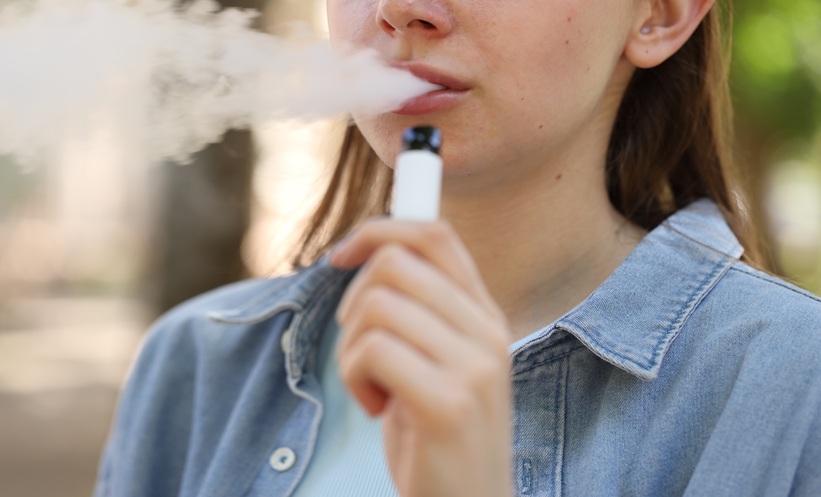
 Young girl vaping 

Key Summary:

  • A large review has found systematic evidence that vaping is linked to respiratory problems in young people.
  • Young people who vape are significantly more likely to go on to smoke cigarettes.
  • Experts are calling for tougher measures to protect children from vaping and nicotine addiction.

A SYSTEMATIC review has found consistent evidence that vaping leads to a range of serious health issues in children and young people. 

The UK’s Royal College of Paediatrics and Child Health (RCPCH) carried out one of the most comprehensive reviews to date, surveying tens of thousands of research studies across eight health and social domains, finding significant evidence for the short and long-term effects of vaping on those aged 12 to 19 years.

Vaping is On the Up

Vaping has grown exponentially in popularity over the last decade. In 2025, the World Health Organization estimated 100 million people vape globally, with 15 million of these being children between the ages of 13 and 15.2 

With hundreds of colours and flavours available, which appeal to the younger generation, what was once considered niche product has become a familiar part of many young people’s everyday lives. There continues to be an alarming increase in use of e-cigarettes among children and young people, with rates exceeding adult use in many countries.

The RCPCH review examined more than 14,000 published articles, assessed 325 full-text studies and synthesised evidence from 81 studies, providing a comprehensive overview of the evidence on the health implications of vaping for young people. 

Serious Implications for Children’s Health

Consistent evidence was found via the review for the link between vaping and poorer respiratory health, with young people who vape more likely to report cough, wheeze, bronchitis symptoms and asthma exacerbations.

Beyond just respiratory health, evidence was also found for the wider health impacts of vaping, including on oral and dental health, as well as emerging evidence for effects on sleep, eye health and allergies. 

The use of vapes was also associated with poorer mental health outcomes, including anxiety, depression and suicidal ideation. Evidence for adverse outcomes on infants and babies exposed to nicotine during pregnancy were also noted.  

Significantly, long-term studies showed that young people who use vapes are considerably more likely to go on to smoke cigarettes later in life.  

Tougher Measures Needed

Over the last five years, the UK government has introduced sweeping measures as part of the Tobacco and Vapes Act in an effort to curb the level of vaping, particularly in children and young people. These have included a complete ban on disposable vapes, as well as future plans to bring in restrictions on packages, colours, flavours and displays in retail settings.  

However, Professor Will Carroll, co-author of the systematic review, said that more needs to be done to solve this issue: 

“Vaping should not be seen as a harmless part of growing up. The evidence shows clear links with respiratory symptoms, nicotine dependence and subsequent cigarette smoking, while concerns about wider impacts on young people’s health continue to grow.” 

He continued: “The recently announced measures are welcome and must be implemented quickly. But if vaping is to remain a viable smoking cessation tool without attracting new users, Government must go further.  

“As paediatricians, we call on the Government to limit the types of flavours available, as opposed to just their descriptions.”4 

Clear and Concerning Picture

Dr Mike McKean, RCPCH vice-president for policy, agreed, saying: “Vaping is still a relatively new product, and there is much we do not yet know about its long-term impact on children and young people but a clear and concerning picture is emerging. Continued research and monitoring essential if we are to properly understand the risks and respond to emerging evidence. 

“The Tobacco and Vapes Act is an important step towards protecting children from nicotine addiction, but it must not be seen as a one-and-done solution.  

“We need to keep pace with a rapidly evolving market and continue to take action to protect children from nicotine products that are deliberately made and marketed to appeal to them,” he added.4 

Overall, the large review provides a stark picture of how vaping, a modern and continually emerging issue, effects the children and young people of today whilst encouraging stronger action to protect the them from its impact. 


This is only for your information, kindly take the advice of your doctor for food, medicines, exercises and so on.   

Labels: , , , , , , , ,

Sunday, August 02, 2026

World Lung Cancer Day 2026: When Does A 'Smoker's Cough' Turn Dangerous? Watch For These Signs

A cough that lingers for weeks is easy to brush off, especially if you’ve smoked for years. Many people simply assume it as just another consequence of lighting up but while not every persistent cough points to something serious, there are times when it may be your body’s way of signalling that something needs medical attention.

According to the latest GLOBOCAN estimates, nearly one in ten Indians is at risk of developing cancer before the age of 75, while about seven in every hundred face the risk of dying from the disease before reaching that age. India recorded 1.41 million new cancer cases and 916,827 deaths in 2022, while more than 3.25 million people were living with a cancer diagnosis made within the previous five years.

The burden is already increasing. According to estimates presented in the WHO Global Status Report on Cancer 2026, India had approximately 1.6 million new cancer cases in 2024, with around 900,000 deaths. 

These numbers highlight why a chronic cough in someone who smokes should never be ignored out of hand. Yet experts consistently stress that a smoker’s cough itself is far more often a sign of airway irritation or chronic bronchitis than of cancer. The challenge lies in knowing when the familiar cough has changed enough to warrant a closer look.

What Is a Smoker’s Cough?

A smoker’s cough is a chronic cough that develops from repeated exposure to tobacco smoke. Smoke damages the tiny hair-like structures called cilia that normally sweep mucus and debris out of the airways. With the cilia impaired, mucus builds up, triggering the body’s reflex to cough it clear. The result is often a cough that is worse in the morning, may produce clear, white, yellow, or even green phlegm, and can sound deep, wet, or raspy.

When these cilia stop working efficiently, mucus and irritants accumulate in the airways. The body responds by triggering a cough to clear them out. This cough is often worse in the morning because mucus builds up overnight.

Some smokers also notice increased coughing after quitting smoking. This is usually because the cilia begin recovering and start clearing accumulated mucus from the lungs.

Over time, the same irritation can lead to chronic bronchitis, a form of COPD. Banner Health pulmonologists note that the cough can start dry and hacky and later become more productive as damage accumulates. It can appear while a person is still smoking or linger for weeks or months after quitting, as the lungs slowly recover and clear accumulated mucus.

Can A Smoker’s Cough Be A Sign Of Lung Cancer?

In the overwhelming majority of cases, no. Dana-Farber Cancer Institute experts emphasize that a chronic cough in a smoker is a signal that tobacco is harming the lungs, but it is not proof of cancer. Many people live with a smoker’s cough for years without developing malignancy. The cough is more commonly linked to chronic bronchitis or other smoking-related irritation.

However, experts caution that a persistent cough that changes in character or does not improve should never be dismissed, especially in people with a history of smoking.

A new cough that does not go away, a long-standing cough that changes in character or intensity, or one accompanied by other warning signs deserves prompt medical attention. There is no distinctive “lung cancer cough sound." A cancer-related cough may be dry or productive, and it can closely resemble a typical smoker’s cough. Only evaluation by a clinician and, when indicated, imaging or further tests, can determine the cause.


When Should You Worry About Your Coughing?

Pay attention if your usual cough becomes more frequent or severe, lasts several weeks without improvement, or starts producing blood or rust-colored mucus. Other red-flag symptoms include:

  • Persists for more than three weeks
  • Becomes more frequent or noticeably worse
  • Produces blood or blood-streaked mucus
  • Causes chest pain while coughing or breathing
  • Is accompanied by persistent hoarseness
  • Leads to unexplained weight loss
  • Occurs with increasing breathlessness or wheezing
  • Is associated with repeated chest infections that keep returning

When Should Smokers Get Screened for Lung Cancer?

Not everyone with a smoker’s cough needs lung cancer screening. However, people at high risk may benefit from annual low-dose CT (LDCT) screening, which has been shown to detect lung cancer earlier than chest X-rays in eligible individuals.

Screening recommendations vary by country but generally include adults with a significant smoking history who currently smoke or have quit within the past several years. Speak with your healthcare provider to determine whether you meet the eligibility criteria.

Can Quitting Smoking Help Reduce A Smoker’s Cough?

Yes, although coughing may temporarily increase after quitting, this is often a sign that the lungs are beginning to clear accumulated mucus as the cilia recover. Over time, quitting smoking can:

  • Reduce airway inflammation
  • Improve lung function
  • Lower the risk of chronic bronchitis and COPD
  • Significantly reduce the risk of developing lung cancer
  • Improve overall respiratory and cardiovascular health

The earlier someone quits, the greater the health benefits, though stopping smoking at any age is beneficial. A smoker’s cough is the body’s way of responding to damage.

Most of the time it reflects chronic irritation rather than cancer, yet it is also a reminder that the lungs are under stress. Listening to changes, seeking timely medical advice, and most importantly quitting smoking give the best chance of protecting long-term lung health. If that familiar morning hack has started to feel different, or if it has simply worn out its welcome, schedule a conversation with your doctor.


This is only for your information, kindly take the advice of your doctor for food, medicines, exercises and so on.   


Labels: , , , , , , , , , ,